Improving the Detection Accuracy of Subsurface Damage in Optical Materials by Exploiting the Fluorescence Polarization Properties of Quantum Dots
Yana Cui, Xuelian Liu, Bo Xiao, Yajie Wu, Chunyang Wang

TL;DR
This paper introduces a new method using quantum dots' fluorescence polarization to detect subsurface damage in optical materials, improving detection accuracy.
Contribution
The novel use of quantum dot fluorescence polarization properties for nondestructive subsurface damage detection in optical materials.
Findings
The proposed method improves SSD detection rate by 10.8%.
Fluorescence polarization detection system effectively analyzes QD properties in SSD.
The approach is applicable across biomedicine, energy, optoelectronics, and environmental fields.
Abstract
Optical materials are widely used in large optical systems such as lithography machines and astronomical telescopes. However, optical materials inevitably produce subsurface damage (SSD) during lapping and polishing processes, degrading the laser damage threshold and impacting the service life of the optical system. The large surface roughness of the lapped optical materials further increases the difficulty of the nondestructive detection of SSD. Quantum dots (QDs) show great development potential in the nondestructive detection of SSD in lapped materials. However, existing QD-based SSD detection methods ignore the polarization sensitivity of QDs to excitation light, which affects the detection accuracy of SSD. To address this problem, this paper explores the fluorescence polarization properties of QDs in the SSD of optical materials. First, the detection principle of SSD based on the…
Genes, proteins, chemicals, diseases, species, mutations and cell lines named across the full text — each resolved to its canonical identifier and authoritative record.
Click any figure to enlarge with its caption.
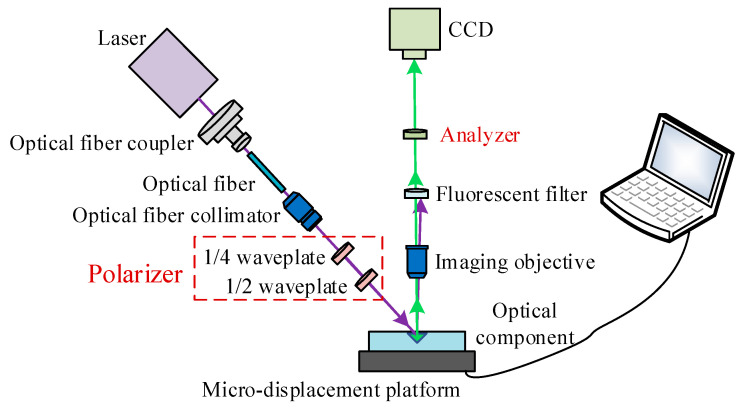 Figure 1
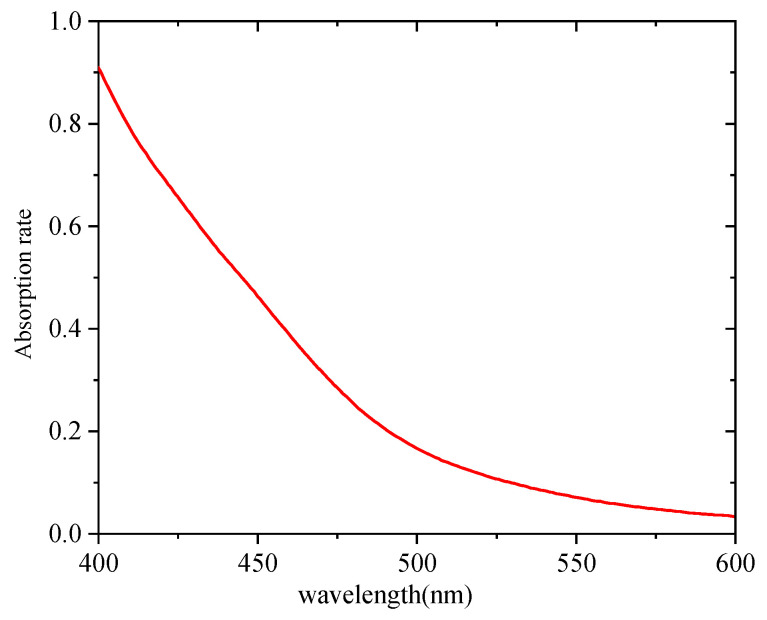 Figure 2
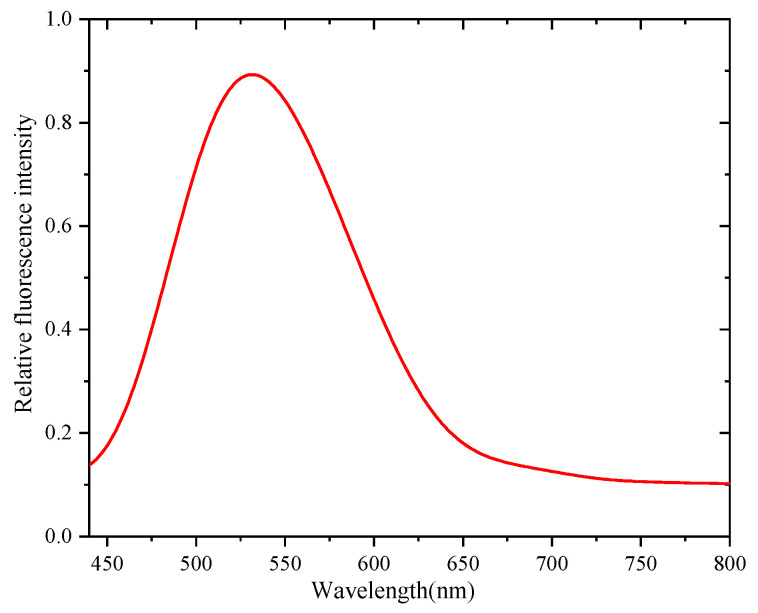 Figure 3
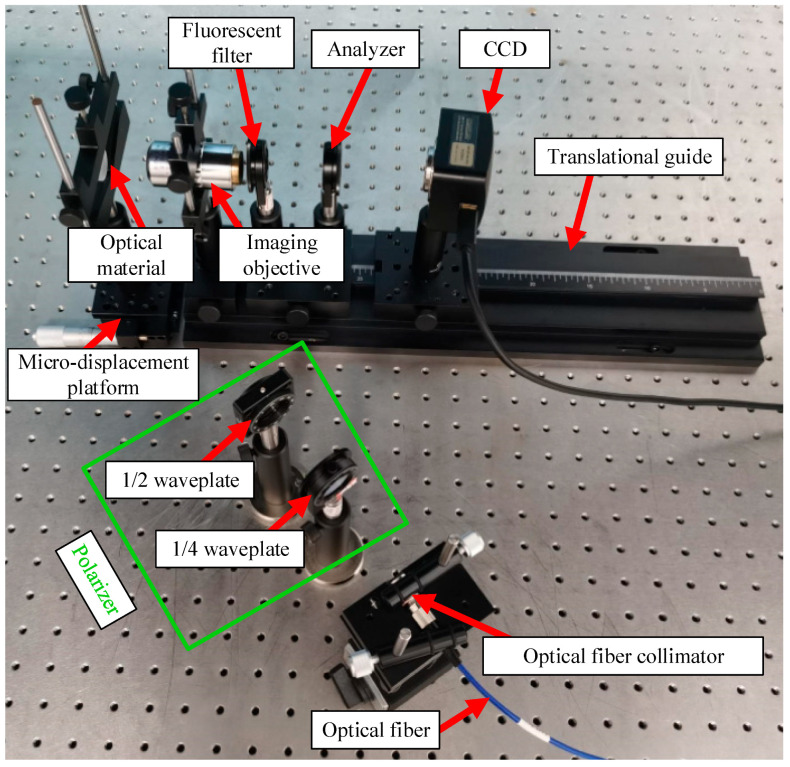 Figure 4
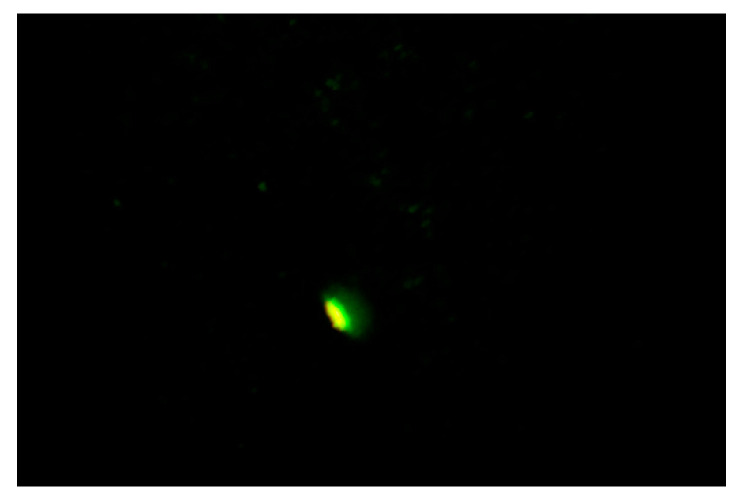 Figure 5
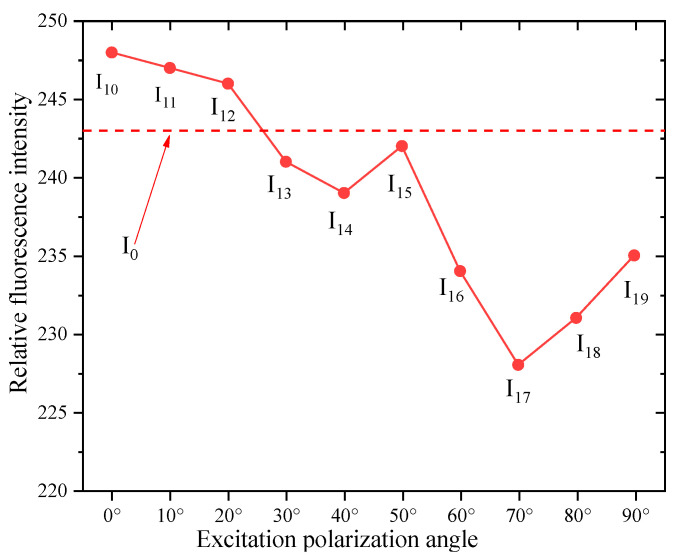 Figure 6
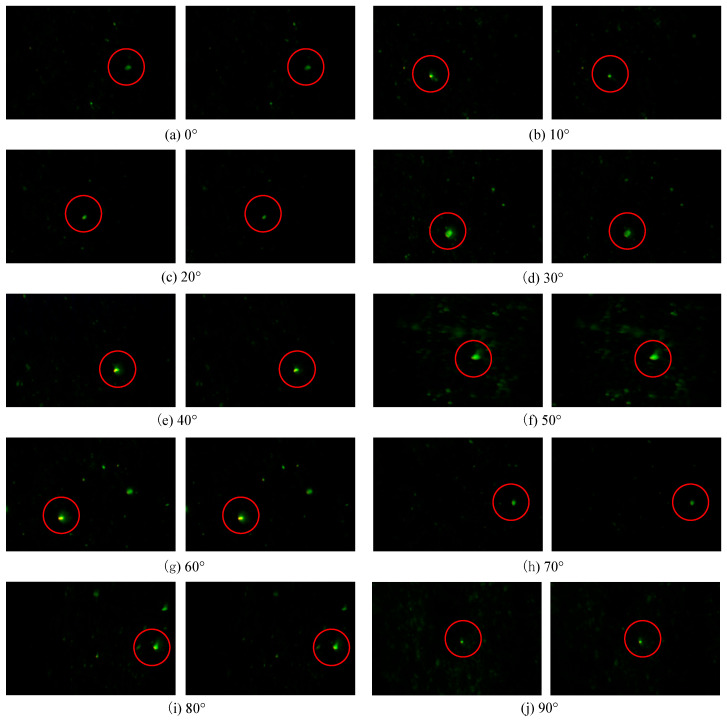 Figure 7
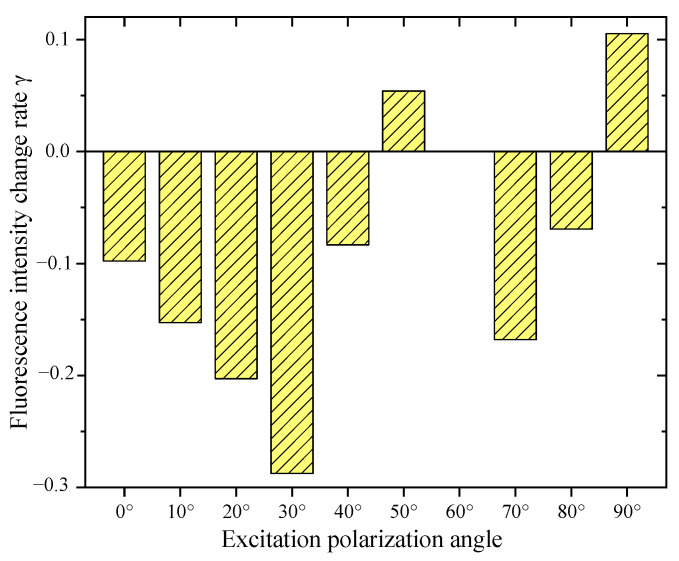 Figure 8
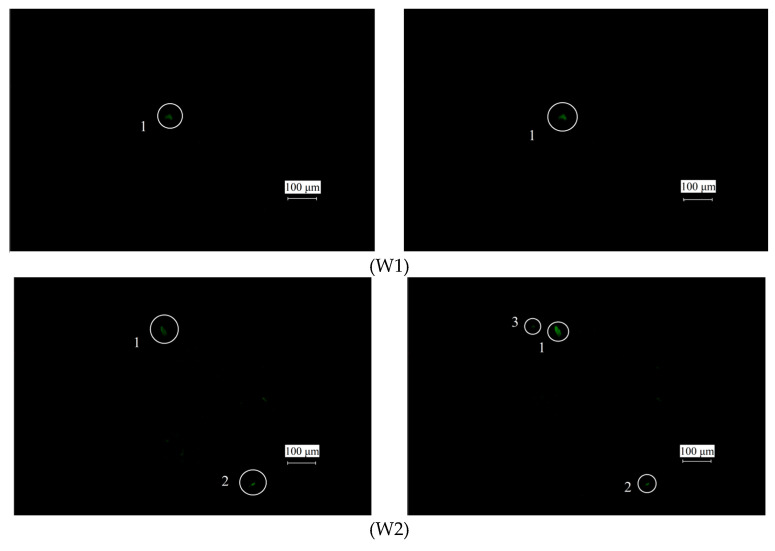 Figure 9
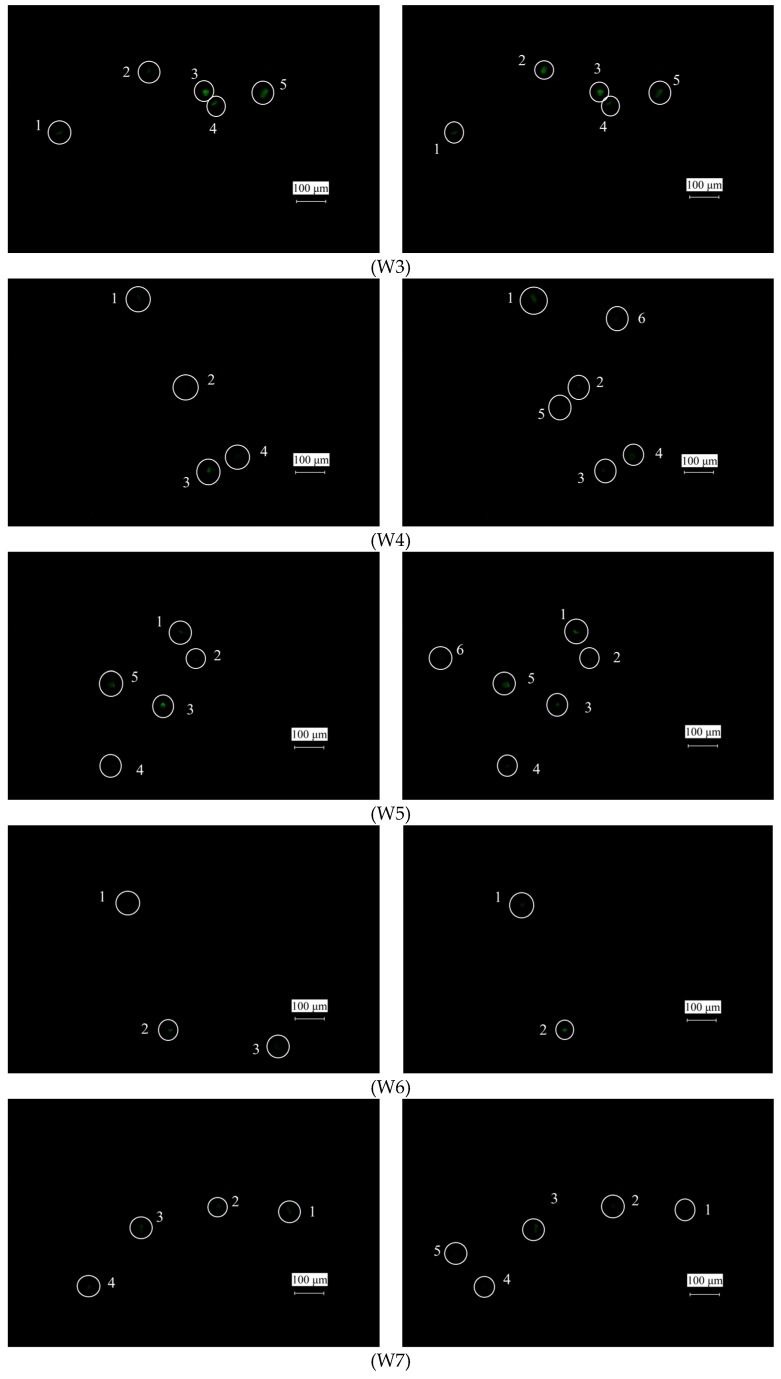 Figure 10
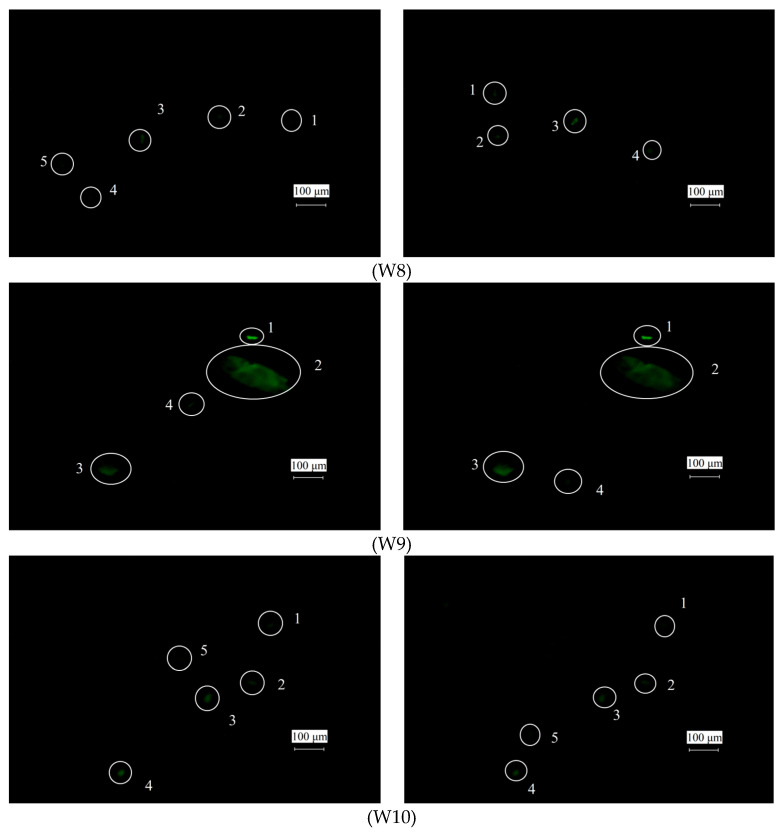 Figure 11
Peer Reviews
No public reviews on file for this paper yet. If you reviewed it on a platform where reviews are public (OpenReview, ICLR, NeurIPS, ICML), you can paste yours below so the community can read it here.
Videos
No videos yet. Explain this paper in a talk, walkthrough, or lecture? Add one.
Taxonomy
TopicsIntegrated Circuits and Semiconductor Failure Analysis · Advanced Surface Polishing Techniques · Semiconductor materials and devices