Precise Identification and Analysis of Maize Germplasm Resistance to Ear Rot Caused by Six Fusarium Species
Shuai Li, Lihong Zhu, Yongxiang Li, Yaxuan Guo, Yuhang Zhang, Chaosong Huang, Wenqi Wu, Suli Sun, Zixiang Cheng, Canxing Duan

TL;DR
This study identifies maize germplasm resistant to multiple Fusarium-caused ear rot diseases, providing a resource for breeding more resistant crops.
Contribution
The study evaluates resistance to six Fusarium species in maize germplasm, a more comprehensive approach than previous work.
Findings
69 lines showed resistance to six Fusarium-caused ear rot diseases.
139 lines were resistant to both Fusarium ear rot and Gibberella ear rot.
PH4CV was the most resistant heterotic group, while NSS and Pioneer Female were the least.
Abstract
Maize (Zea may L.) is one of the most important crops worldwide, but ear rot poses a significant threat to its production. Diverse pathogens cause ear rot in China, with Fusarium spp. being predominant, especially Fusarium graminearum and Fusarium verticillioides. Current methods for the control of ear rot are limited, making the use of resistant germplasm resources an effective and economical management strategy. Earlier research focused on resistance to Fusarium ear rot (FER; caused by F. verticillioides) and Gibberella ear rot (GER; caused by F. graminearum), but assessing maize resistance to multiple major Fusarium spp. is critical in ensuring maize production. Thus, the resistance of 343 maize germplasm resources to ear rot caused by six Fusarium spp. (F. verticillioides, F. graminearum, F. proliferatum, F. meridionale, F. subglutinans, and F. temperatum) was evaluated in this…
Genes, proteins, chemicals, diseases, species, mutations and cell lines named across the full text — each resolved to its canonical identifier and authoritative record.
Click any figure to enlarge with its caption.
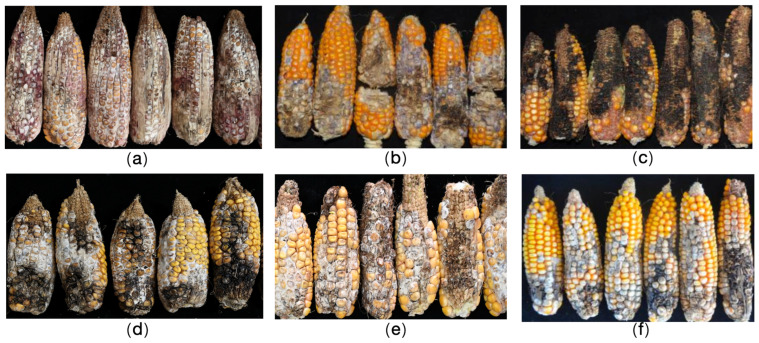 Figure 1
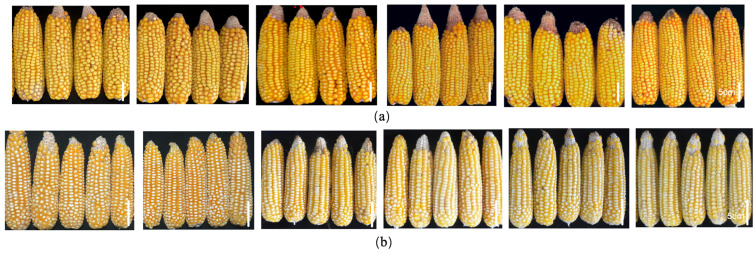 Figure 2
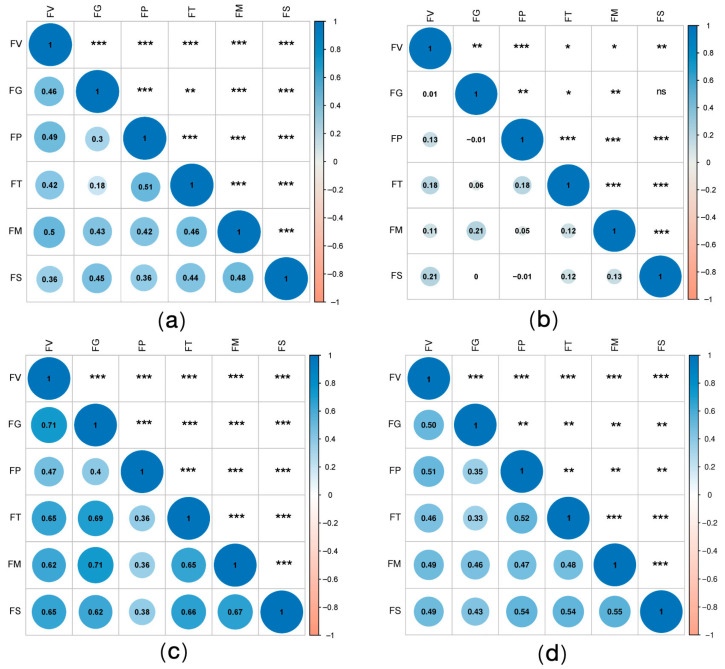 Figure 3
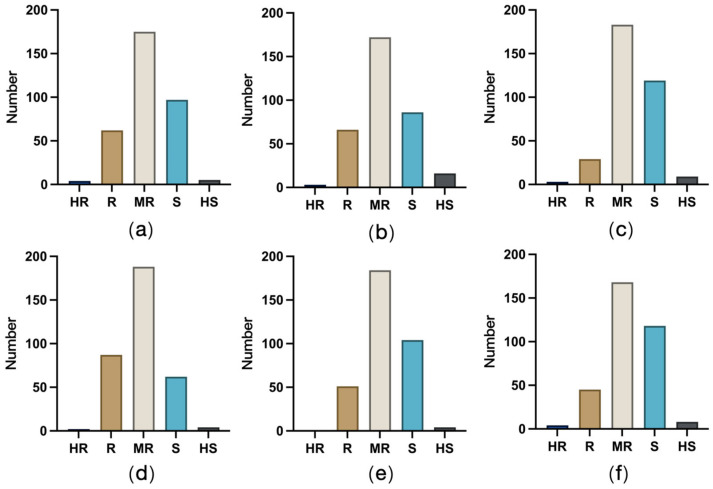 Figure 4
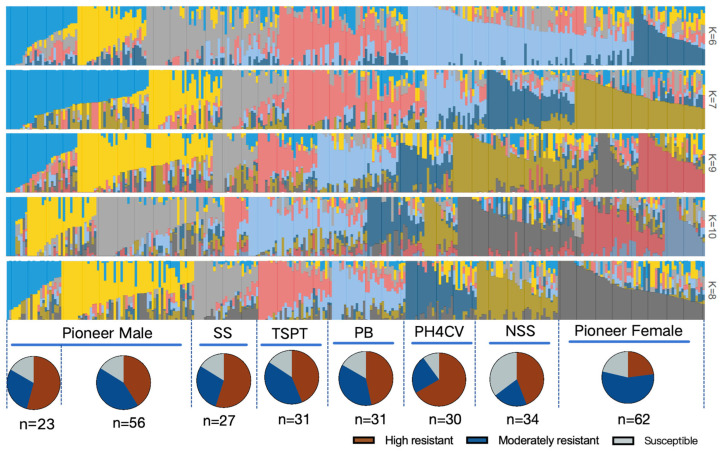 Figure 5
 Figure 6
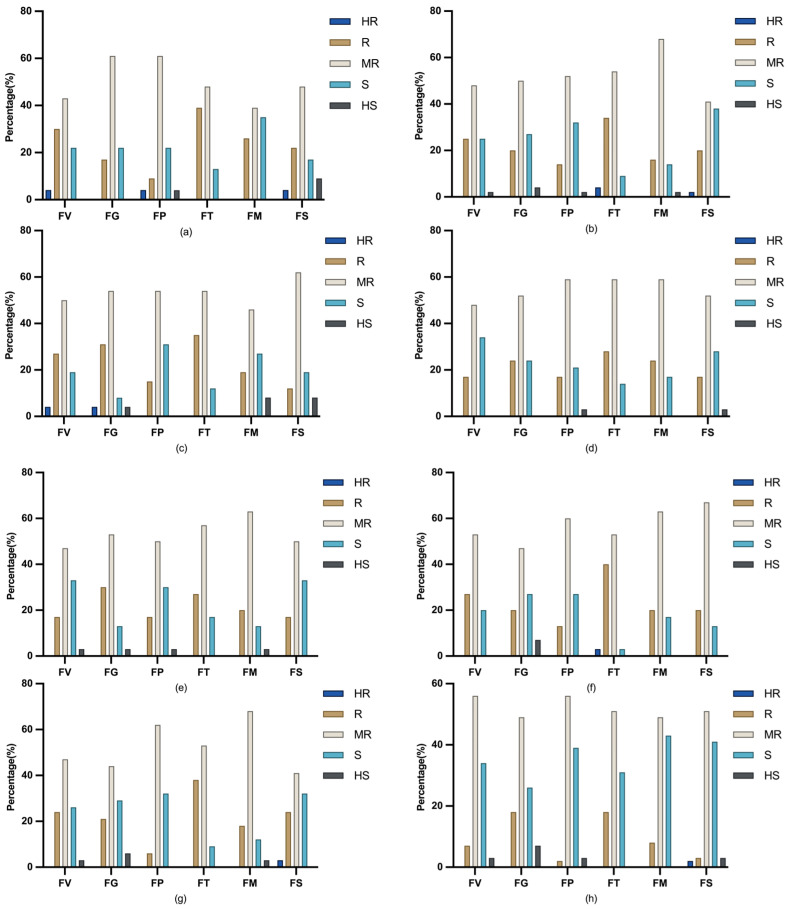 Figure 7
 Figure 8
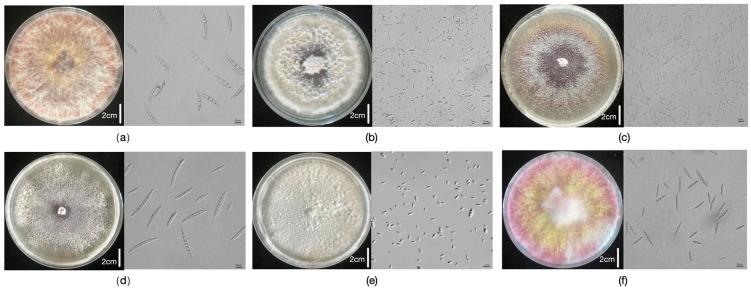 Figure 9
Peer Reviews
No public reviews on file for this paper yet. If you reviewed it on a platform where reviews are public (OpenReview, ICLR, NeurIPS, ICML), you can paste yours below so the community can read it here.
Videos
No videos yet. Explain this paper in a talk, walkthrough, or lecture? Add one.
Taxonomy
TopicsPlant Pathogens and Fungal Diseases · Mycotoxins in Agriculture and Food · Genetic Mapping and Diversity in Plants and Animals