Concrete Obtained with the Viterbo O’Reilly Method for Aggregate Gradation: A Potential Model for Sustainable Design and Reducing Development Costs
Edinson Murillo Mosquera, Sergio Cifuentes, Juan Carlos Obando, Sergio Neves Monteiro, Henry A. Colorado

TL;DR
This paper introduces a new concrete mix design method that reduces cement use, lowering costs and environmental impact while maintaining strength and durability.
Contribution
The novelty lies in applying the Viterbo O’Reilly method to optimize concrete mixtures through detailed material analysis and data-driven aggregate gradation.
Findings
Optimal water, cement, and aggregate ratios were determined for improved sustainability and performance.
The method successfully reduced cement content without compromising compressive strength or workability.
SEM and EDS analysis revealed enhanced microstructural properties supporting the material's durability.
Abstract
The following investigation presents concrete cement obtained with the Viterbo O’Reilly Diaz method, introduced to quantify the concrete mixture by using an aggregate gradation method. This research uses this procedure to decrease the amount of cement in the mix, thus reducing the CO2 footprint and production costs, which directly impact the environmental and economical sustainability of the material. The formulations used structural and general use Portland cements. As aggregates, fine sand and 3/4” gravel were included. Several characterization techniques were used, including granulometry testing for the aggregates, compression strength testing for the concrete samples, and granulometry testing for the raw materials. Compressive tests were conducted on samples after 28 days of curing, while scanning electron microscopy (SEM) with energy-dispersive spectroscopy (EDS) was used to…
Genes, proteins, chemicals, diseases, species, mutations and cell lines named across the full text — each resolved to its canonical identifier and authoritative record.
Click any figure to enlarge with its caption.
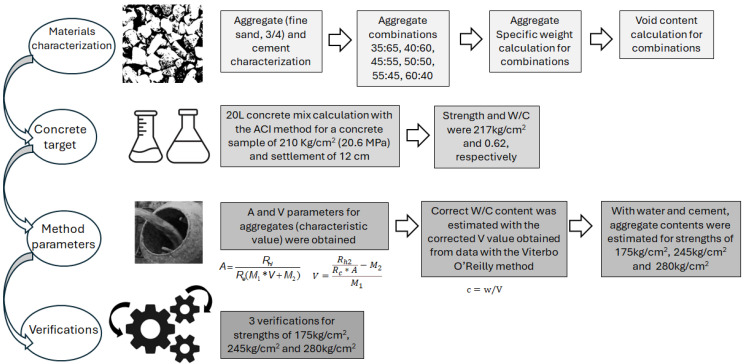 Figure 1
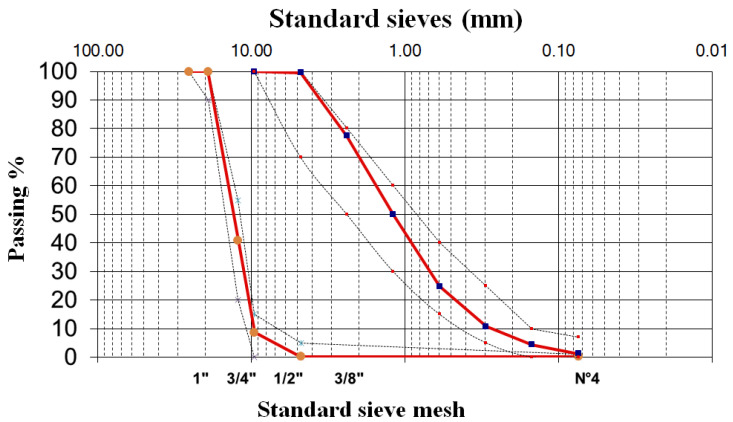 Figure 2
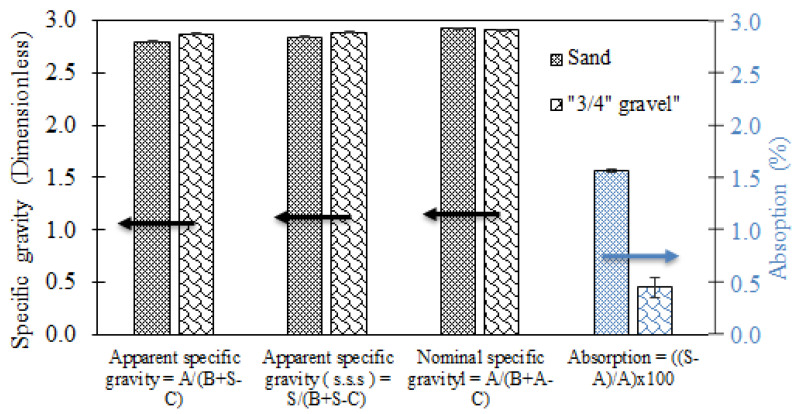 Figure 3
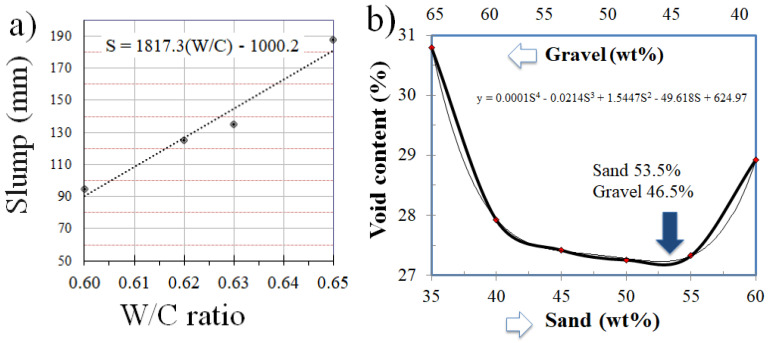 Figure 4
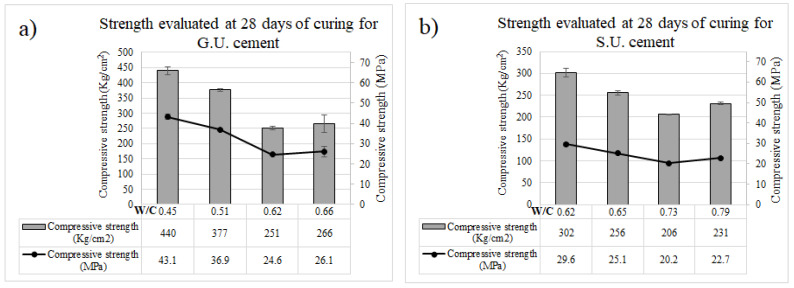 Figure 5
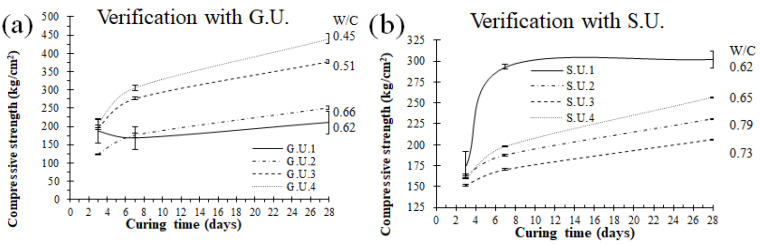 Figure 6
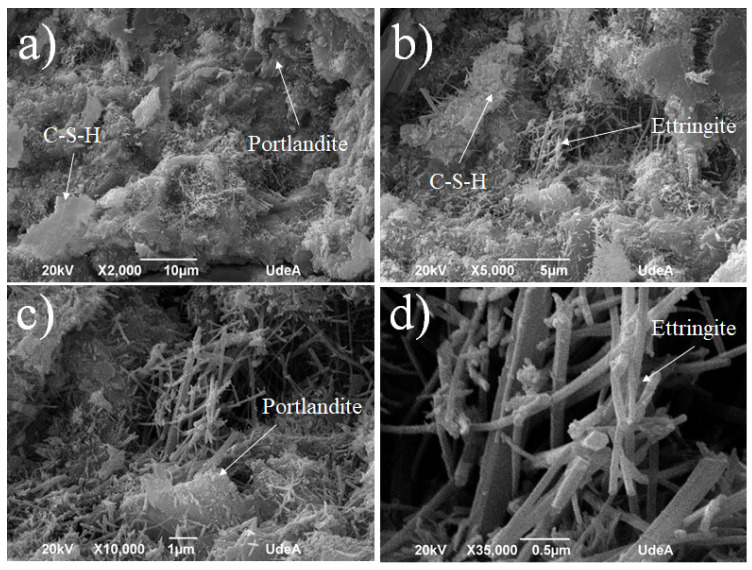 Figure 7
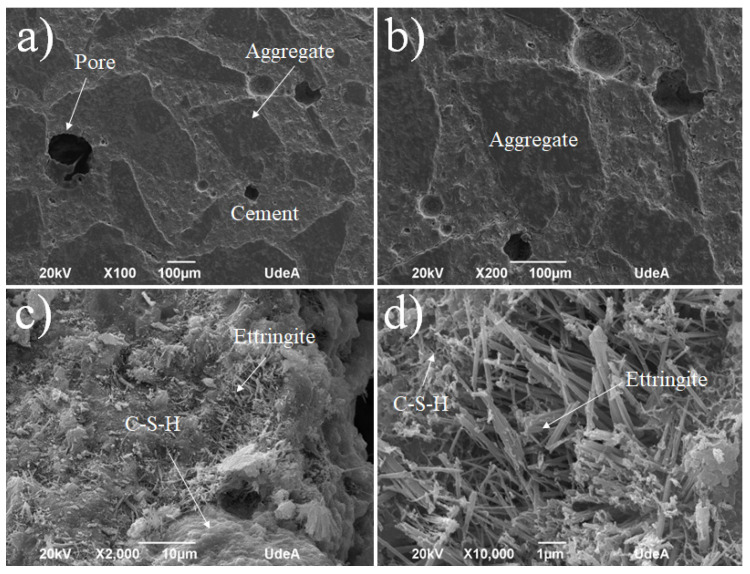 Figure 8
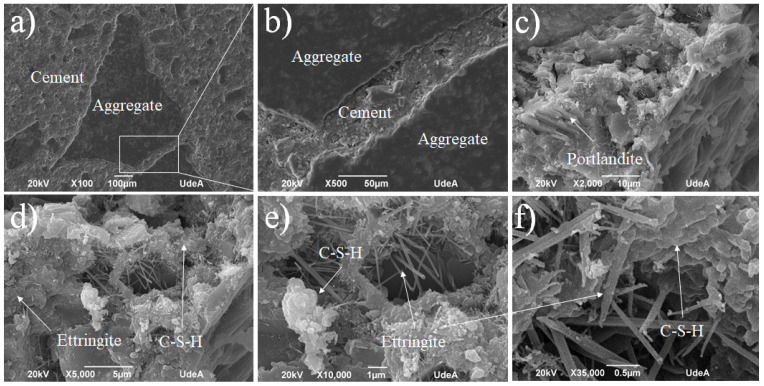 Figure 9
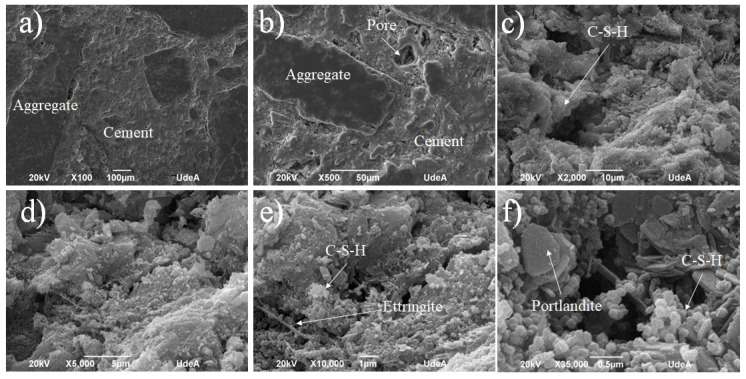 Figure 10
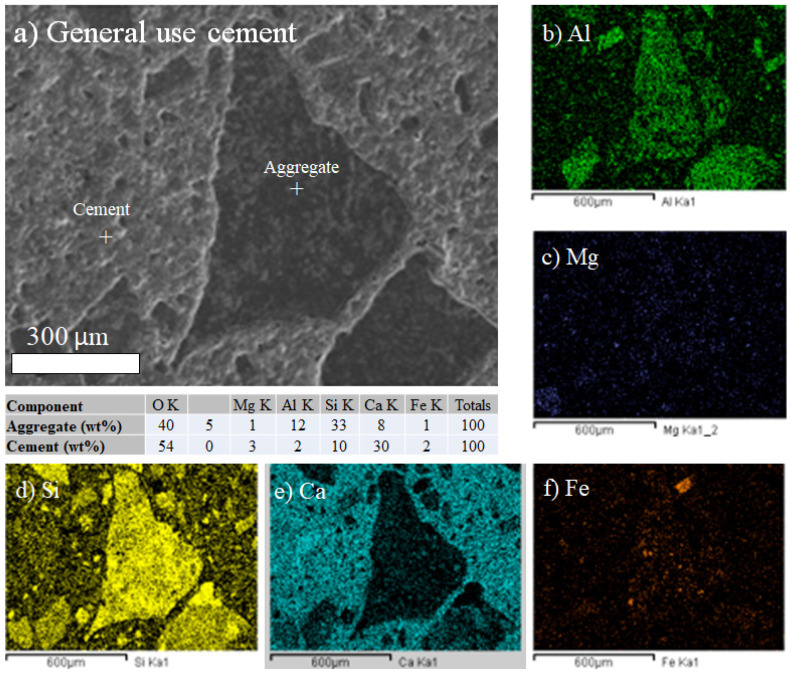 Figure 11
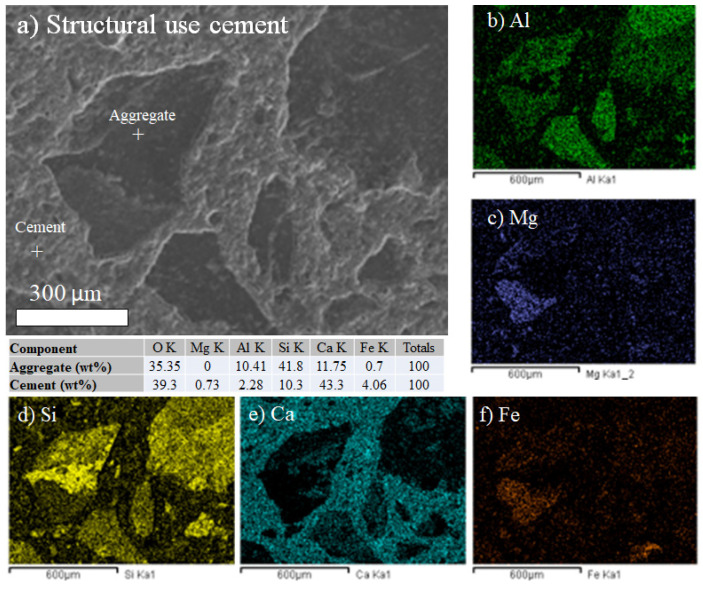 Figure 12
Peer Reviews
No public reviews on file for this paper yet. If you reviewed it on a platform where reviews are public (OpenReview, ICLR, NeurIPS, ICML), you can paste yours below so the community can read it here.
Videos
No videos yet. Explain this paper in a talk, walkthrough, or lecture? Add one.
Taxonomy
TopicsConcrete and Cement Materials Research · Recycled Aggregate Concrete Performance · Innovative concrete reinforcement materials