Protective Efficacy of Lactobacillus plantarum Postbiotic beLP-K in a Dexamethasone-Induced Sarcopenia Model
Juyeong Moon, Jin-Ho Lee, Eunwoo Jeong, Harang Park, Hye-Yeong Song, Jinsu Choi, Min-ah Kim, Kwon-Il Han, Doyong Kim, Han Sung Kim, Tack-Joong Kim

TL;DR
This study shows that a postbiotic from Lactobacillus plantarum helps prevent muscle loss caused by dexamethasone in both cells and rats.
Contribution
The novel contribution is demonstrating the protective effects of beLP-K against DEX-induced sarcopenia through molecular and physiological mechanisms.
Findings
beLP-K reduced muscle protein degradation markers like FoxO3α, MAFbx/atrogin-1, and MuRF1.
Rats treated with beLP-K showed increased muscle mass, weight gain, and improved grip strength.
beLP-K administration was associated with reduced DEX-induced weight loss and muscle atrophy.
Abstract
Sarcopenia is characterized by a reduction in muscle function and skeletal muscle mass relative to that of healthy individuals. In older adults and those who are less resistant to sarcopenia, glucocorticoid secretion or accumulation during treatment exacerbates muscle protein degradation, potentially causing sarcopenia. This study assessed the preventive effects and mechanisms of heat-killed Lactobacillus plantarum postbiotic beLP-K (beLP-K) against dexamethasone (DEX)-induced sarcopenia in C2C12 myotubes and Sprague-Dawley rats. The administration of beLP-K did not induce cytotoxicity and mitigated cell damage caused by DEX. Furthermore, beLP-K significantly reduced the expression of forkhead box O3 α (FoxO3α), muscle atrophy f-box (MAFbx)/atrogin-1, and muscle RING-finger protein-1 (MuRF1), which are associated with muscle protein degradation. DEX induced weight loss in rats; however,…
Genes, proteins, chemicals, diseases, species, mutations and cell lines named across the full text — each resolved to its canonical identifier and authoritative record.
Click any figure to enlarge with its caption.
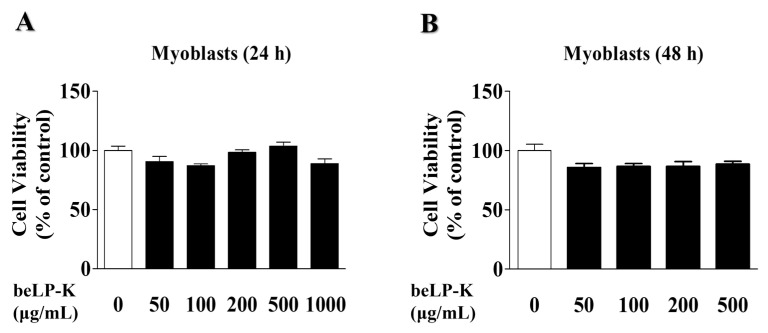 Figure 1
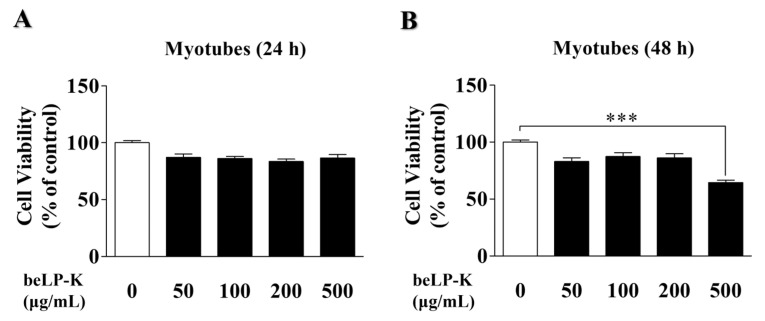 Figure 2
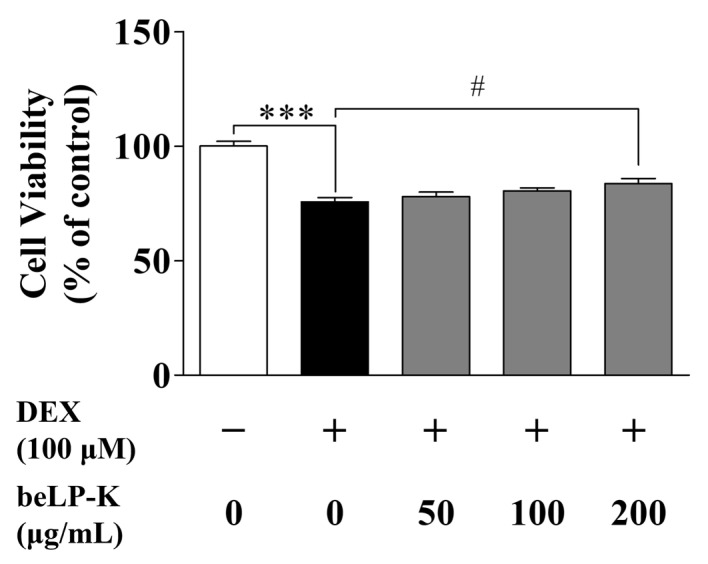 Figure 3
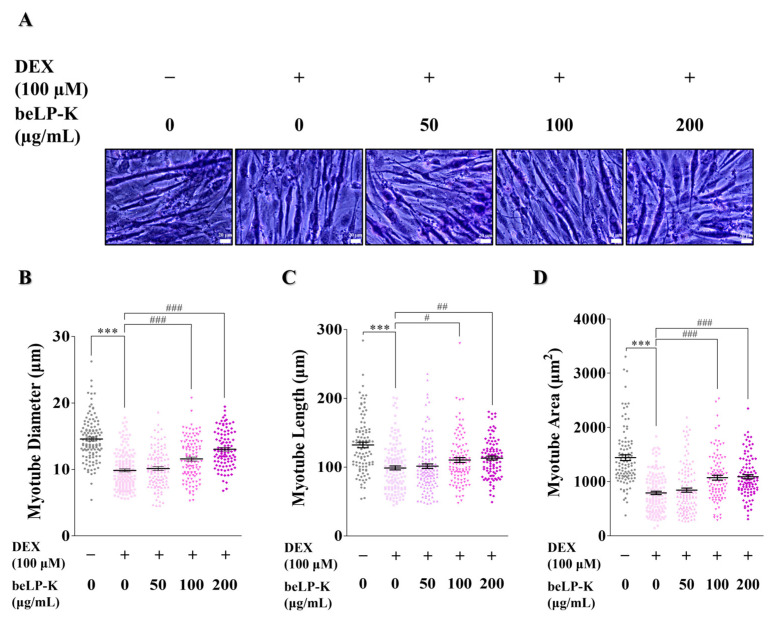 Figure 4
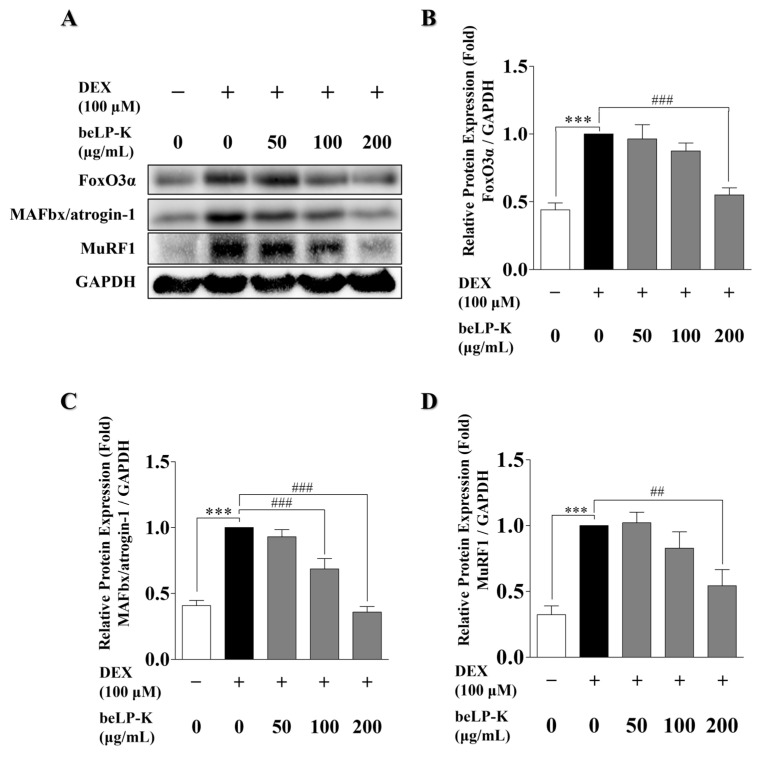 Figure 5
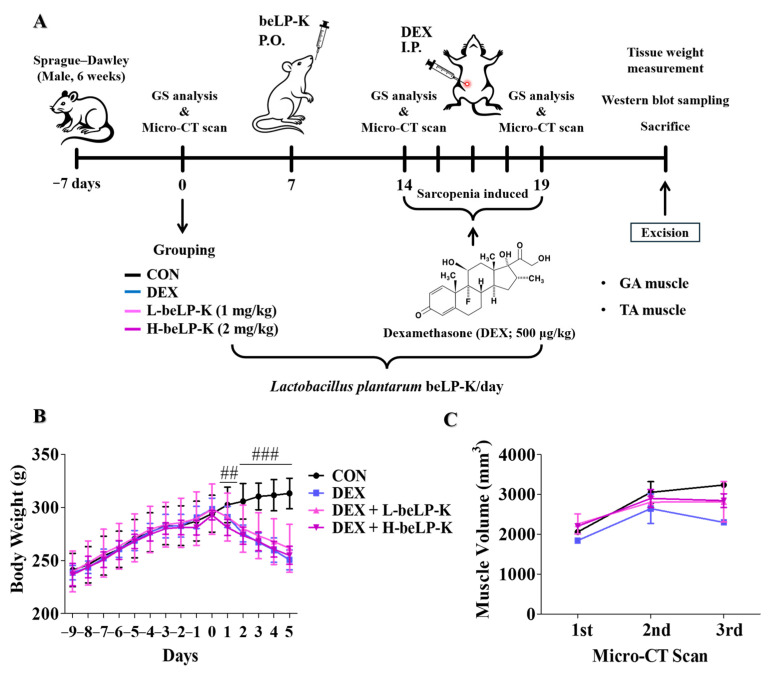 Figure 6
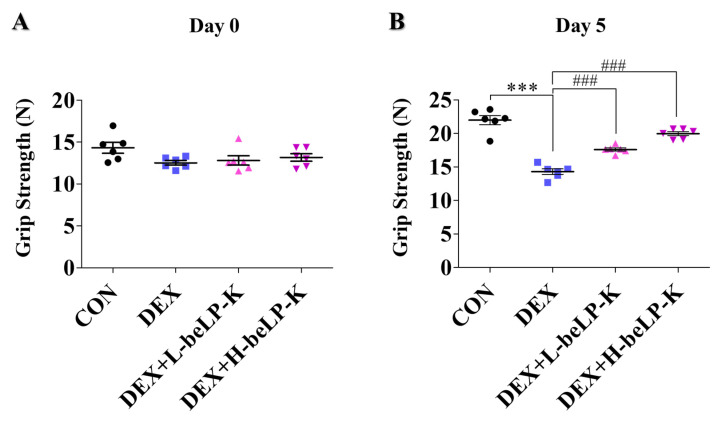 Figure 7
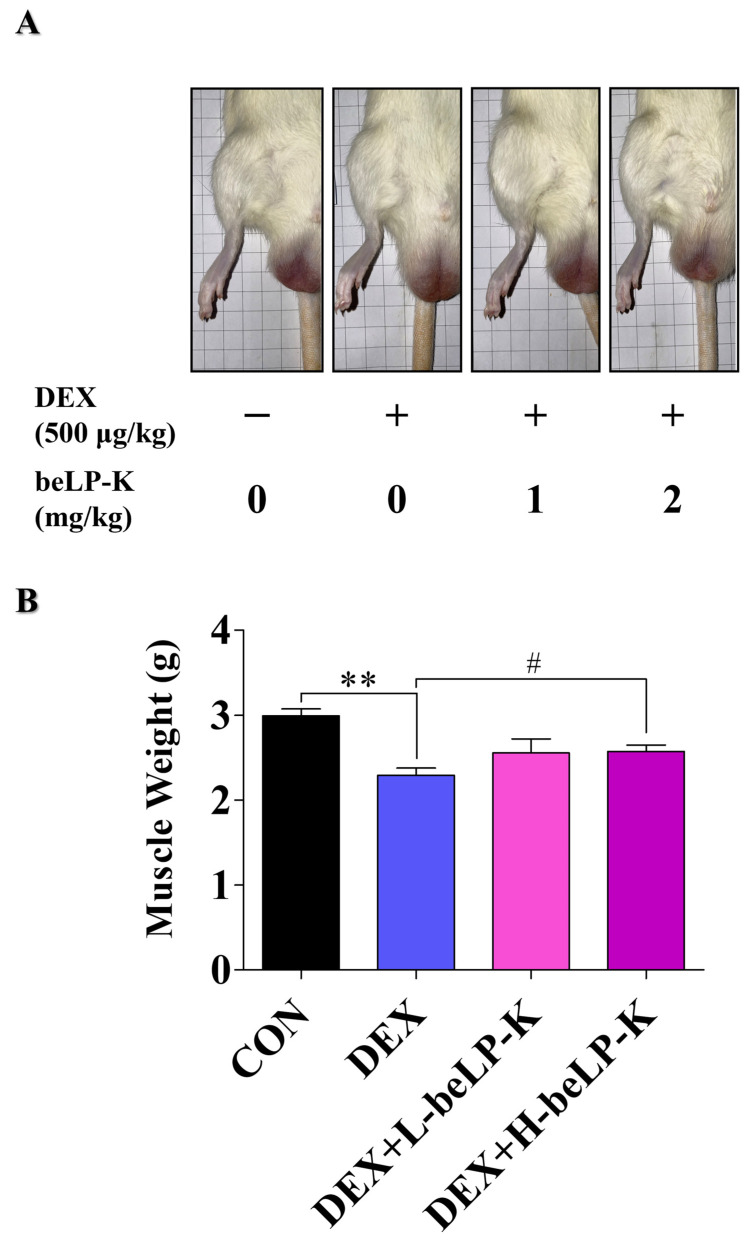 Figure 8
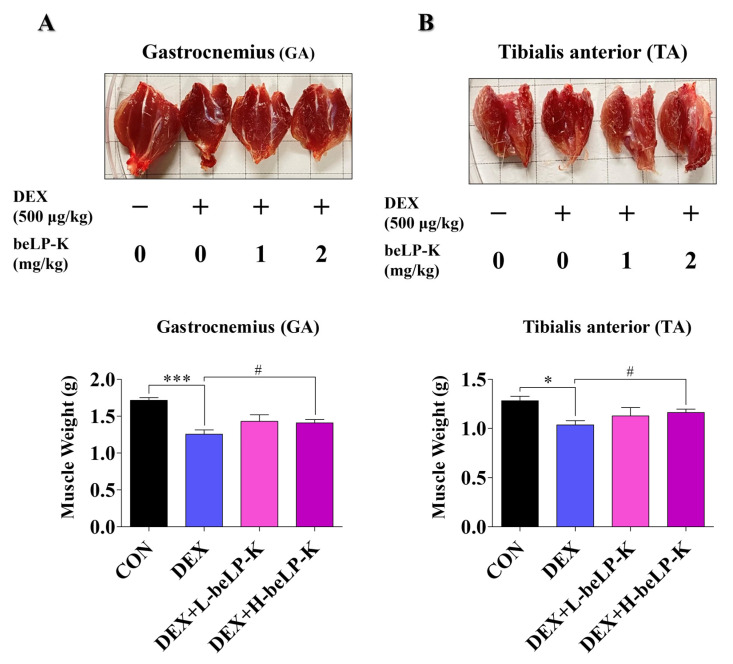 Figure 9
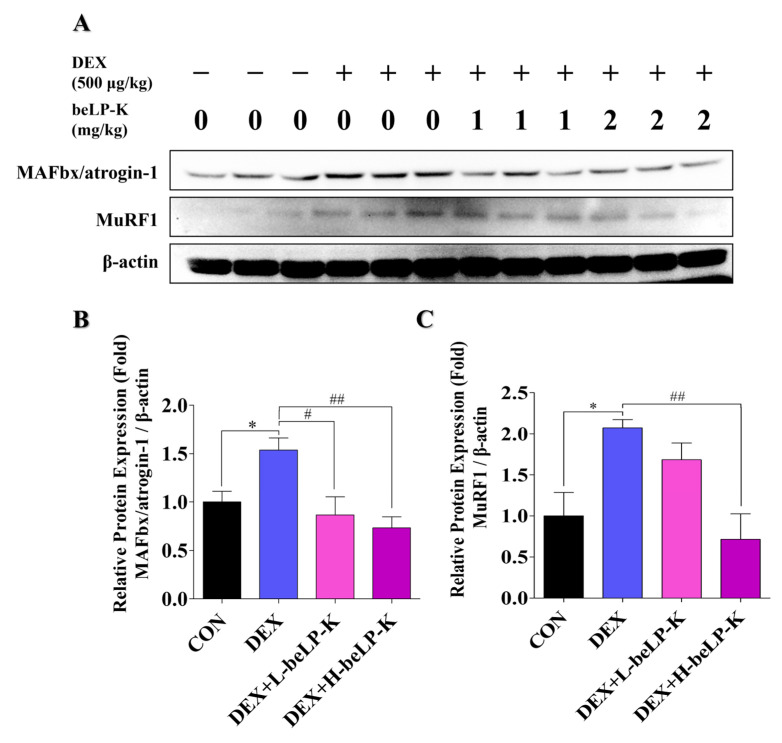 Figure 10
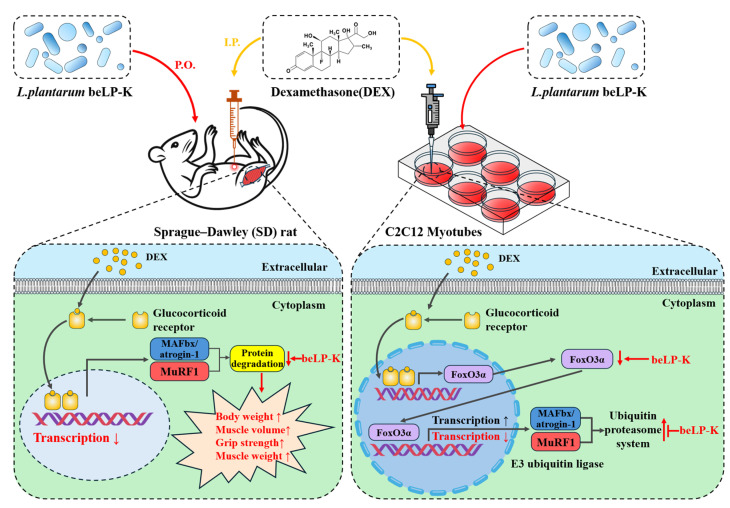 Figure 11
Peer Reviews
No public reviews on file for this paper yet. If you reviewed it on a platform where reviews are public (OpenReview, ICLR, NeurIPS, ICML), you can paste yours below so the community can read it here.
Videos
No videos yet. Explain this paper in a talk, walkthrough, or lecture? Add one.
Taxonomy
TopicsMuscle Physiology and Disorders · Nutrition and Health in Aging · Muscle metabolism and nutrition