Characterization of Tellurite Toxicity to Escherichia coli Under Aerobic and Anaerobic Conditions
Roberto Luraschi, Claudia Muñoz-Villagrán, Fabián A. Cornejo, Benoit Pugin, Fernanda Contreras Tobar, Juan Marcelo Sandoval, Jaime Andrés Rivas-Pardo, Carlos Vera, Felipe Arenas

TL;DR
This study explores how tellurite affects Escherichia coli under both oxygen-rich and oxygen-free conditions, revealing new insights into its toxicity beyond oxidative stress.
Contribution
The study identifies novel non-ROS mechanisms of tellurite toxicity, including effects on amino acid metabolism and membrane lipid changes.
Findings
Tellurite disrupts amino acid and nucleotide metabolism, impairing protein synthesis in E. coli.
Tellurite alters membrane lipid composition, particularly phosphatidylethanolamine derivatives, which may influence membrane properties.
Anaerobic conditions increase E. coli's tellurite tolerance, suggesting ROS-independent resistance mechanisms.
Abstract
Tellurite (TeO32−) is a highly soluble and toxic oxyanion that inhibits the growth of Escherichia coli at concentrations as low as ~1 µg/mL. This toxicity has been primarily attributed to the generation of reactive oxygen species (ROS) during its intracellular reduction by thiol-containing molecules and NAD(P)H-dependent enzymes. However, under anaerobic conditions, E. coli exhibits significantly increased tellurite tolerance—up to 100-fold in minimal media—suggesting the involvement of additional, ROS-independent mechanisms. In this study, we combined chemical-genomic screening, untargeted metabolomics, and targeted biochemical assays to investigate the effects of tellurite under both aerobic and anaerobic conditions. Our findings reveal that tellurite perturbs amino acid and nucleotide metabolism, leading to intracellular imbalances that impair protein synthesis. Additionally,…
Genes, proteins, chemicals, diseases, species, mutations and cell lines named across the full text — each resolved to its canonical identifier and authoritative record.
Click any figure to enlarge with its caption.
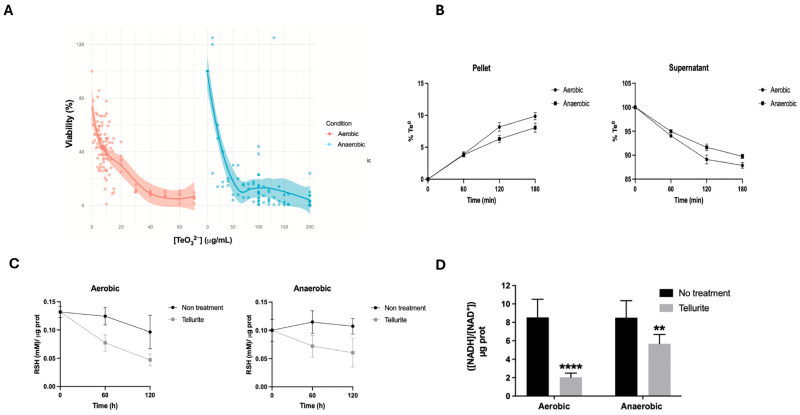 Figure 1
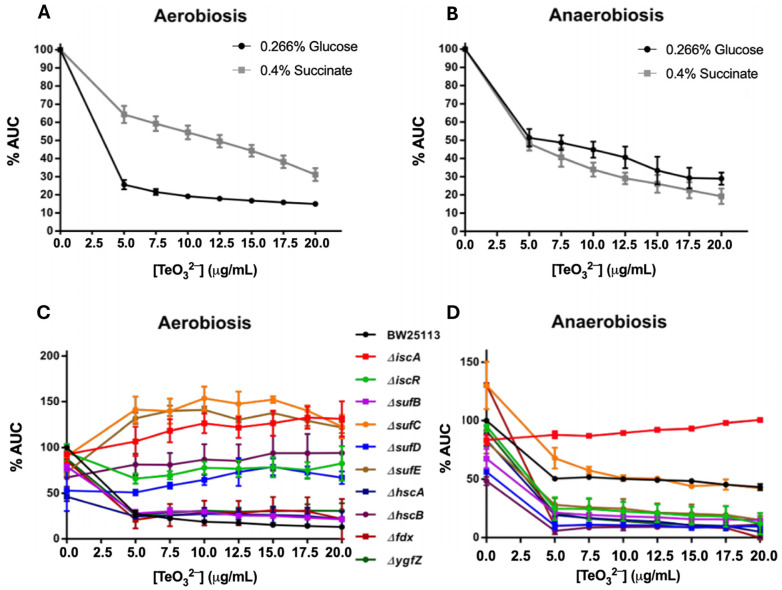 Figure 2
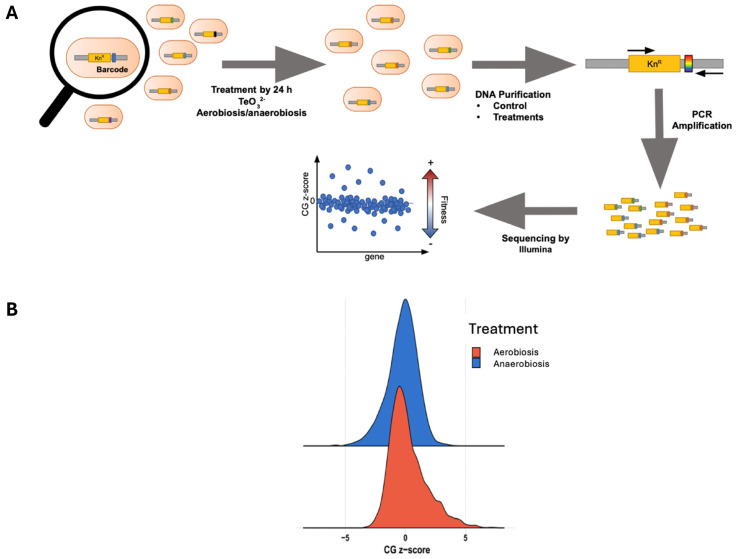 Figure 3
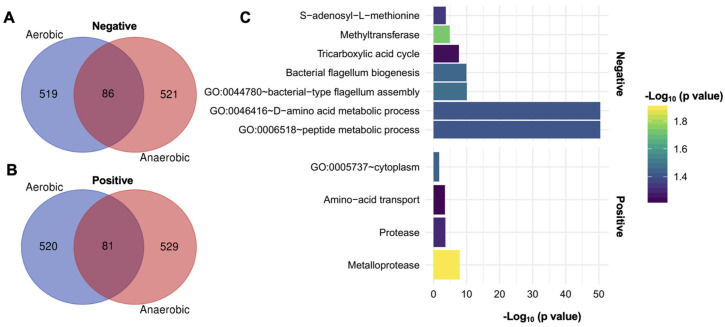 Figure 4
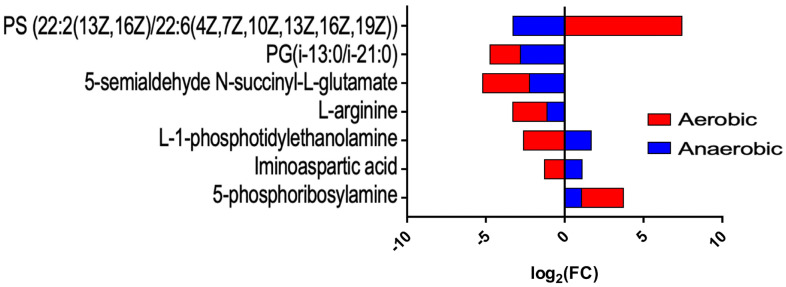 Figure 5
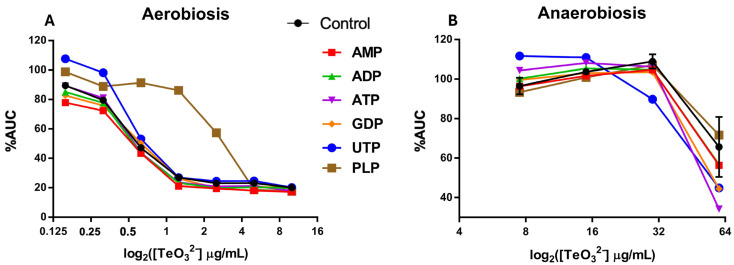 Figure 6
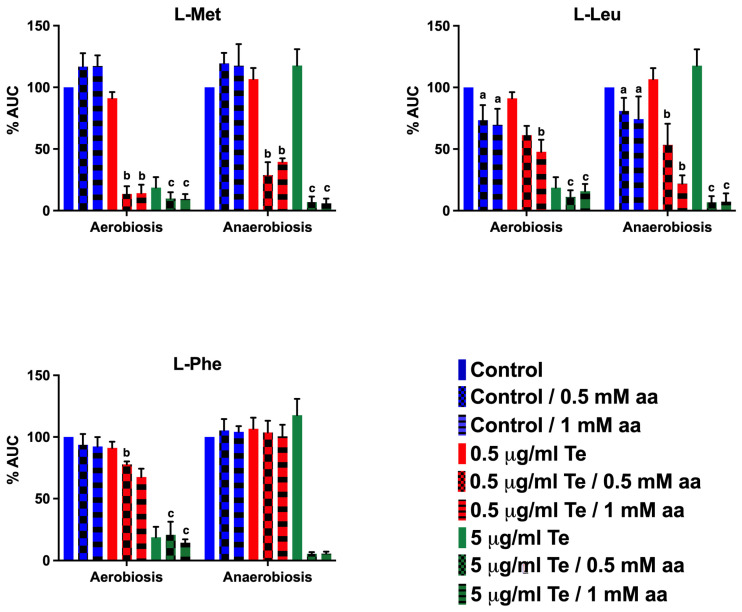 Figure 7
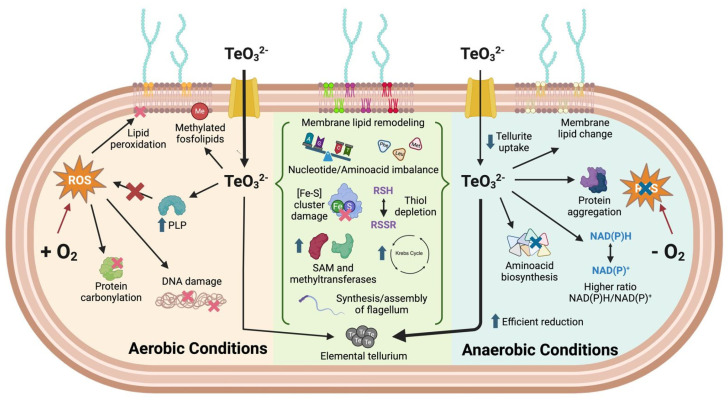 Figure 8
Peer Reviews
No public reviews on file for this paper yet. If you reviewed it on a platform where reviews are public (OpenReview, ICLR, NeurIPS, ICML), you can paste yours below so the community can read it here.
Videos
No videos yet. Explain this paper in a talk, walkthrough, or lecture? Add one.
Taxonomy
TopicsSelenium in Biological Systems · Arsenic contamination and mitigation · Trace Elements in Health