Multitarget Design of Steroidal Inhibitors Against Hormone-Dependent Breast Cancer: An Integrated In Silico Approach
Juan Rodríguez-Macías, Oscar Saurith-Coronell, Carlos Vargas-Echeverria, Daniel Insuasty Delgado, Edgar A. Márquez Brazón, Ricardo Gutiérrez De Aguas, José R. Mora, José L. Paz, Yovanni Marrero-Ponce

TL;DR
Researchers designed steroid compounds that target three breast cancer-related receptors, potentially offering a new treatment for resistant hormone-dependent breast cancer.
Contribution
A multitarget computational approach was used to design steroidal inhibitors against PR, ER-α, and HER2 in hormone-dependent breast cancer.
Findings
Estero-255 showed strong binding affinities and stable interactions with all three targets.
Molecular dynamics simulations confirmed the structural integrity and stability of the top compounds.
The compounds may disrupt the PI3K/AKT/mTOR pathway, offering a strategy to overcome treatment resistance.
Abstract
Hormone-dependent breast cancer, particularly in its treatment-resistant forms, remains a significant therapeutic challenge. In this study, we applied a fully computational strategy to design steroid-based compounds capable of simultaneously targeting three key receptors involved in disease progression: progesterone receptor (PR), estrogen receptor alpha (ER-α), and HER2. Using a robust 3D-QSAR model (R2 = 0.86; Q2_LOO = 0.86) built from 52 steroidal structures, we identified molecular features associated with high anticancer potential, specifically increased polarizability and reduced electronegativity. From a virtual library of 271 DFT-optimized analogs, 31 compounds were selected based on predicted potency (pIC50 > 7.0) and screened via molecular docking against PR (PDB 2W8Y), HER2 (PDB 7JXH), and ER-α (PDB 6VJD). Seven candidates showed strong binding affinities (ΔG ≤ −9 kcal/mol…
Genes, proteins, chemicals, diseases, species, mutations and cell lines named across the full text — each resolved to its canonical identifier and authoritative record.
Click any figure to enlarge with its caption.
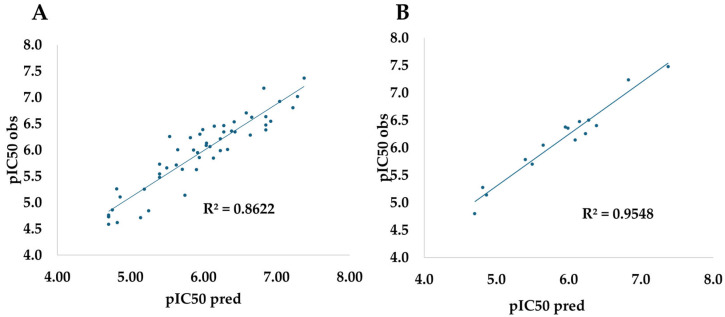 Figure 1
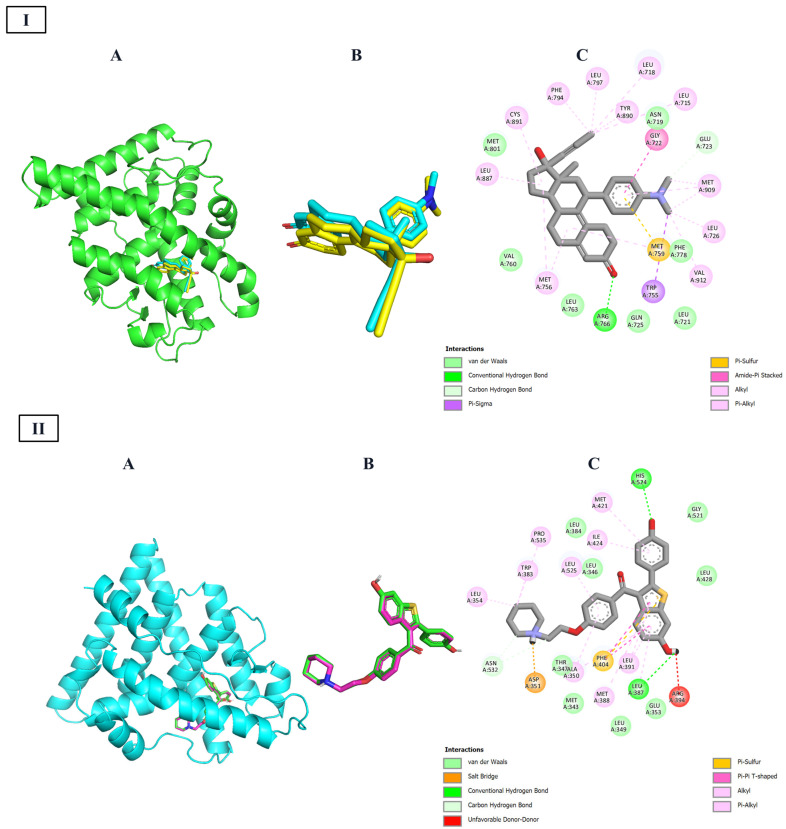 Figure 2
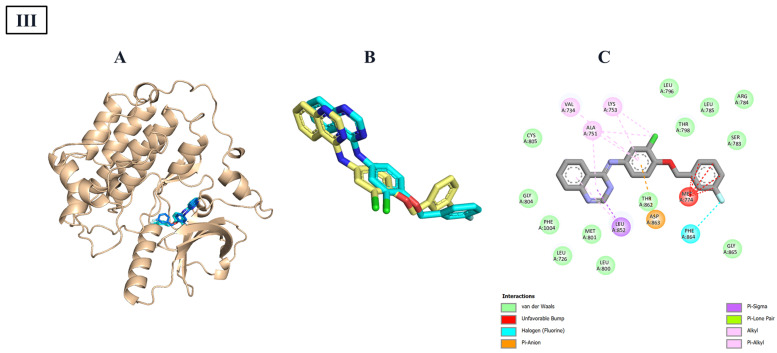 Figure 3
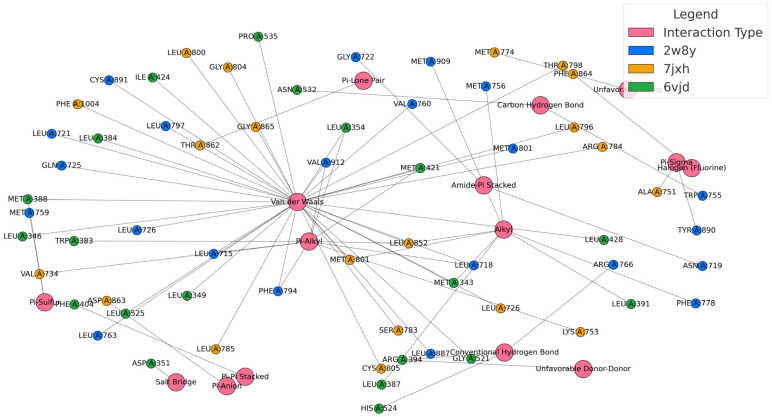 Figure 4
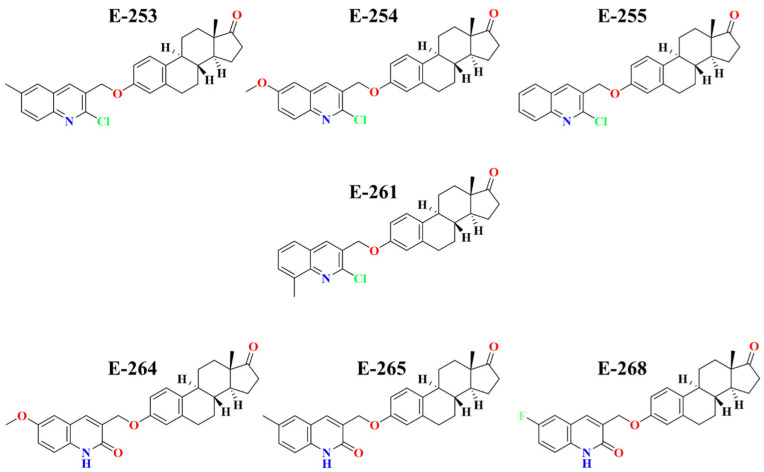 Figure 5
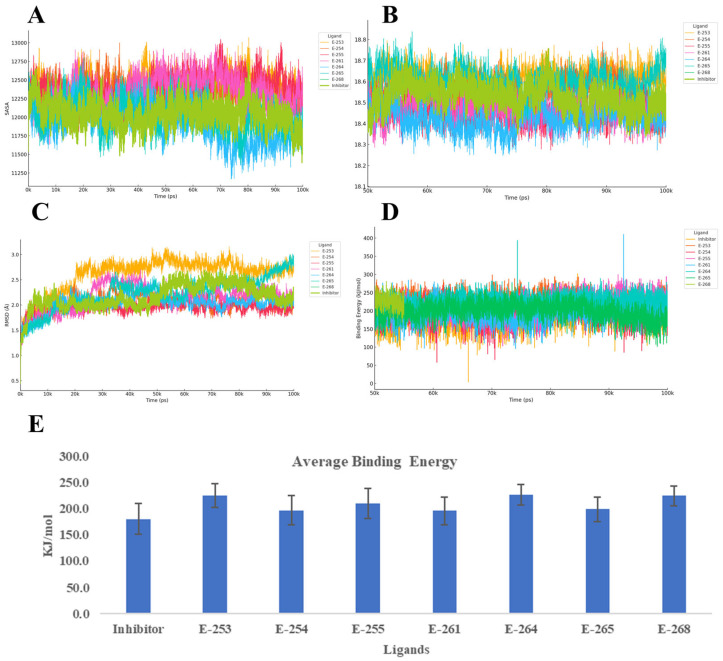 Figure 6
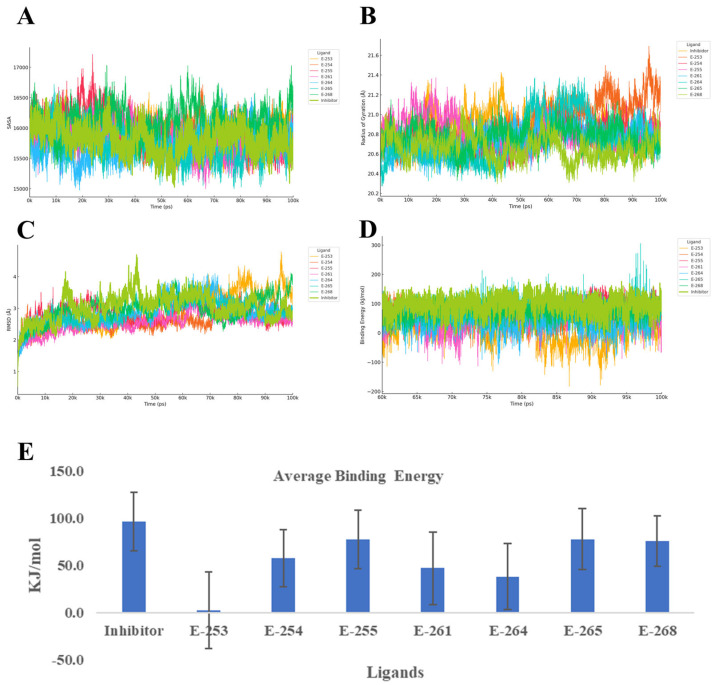 Figure 7
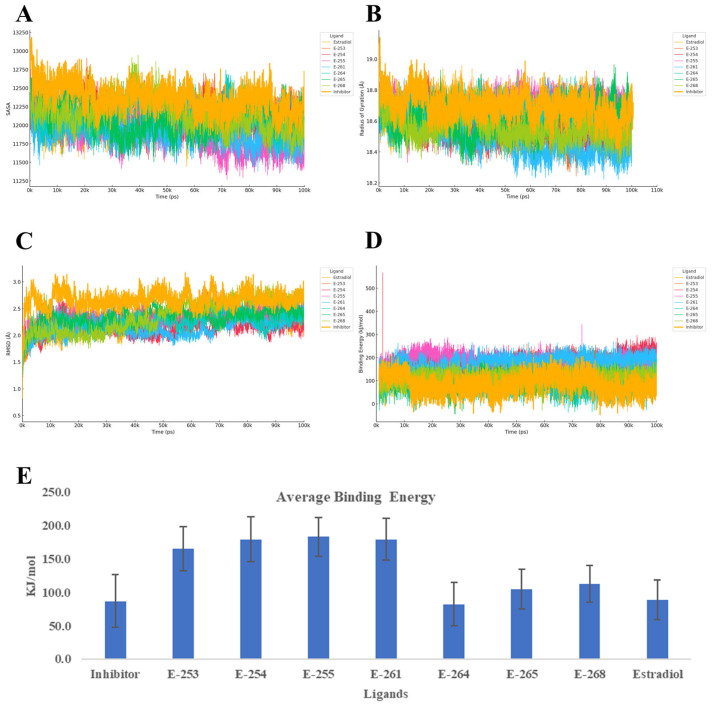 Figure 8
Peer Reviews
No public reviews on file for this paper yet. If you reviewed it on a platform where reviews are public (OpenReview, ICLR, NeurIPS, ICML), you can paste yours below so the community can read it here.
Videos
No videos yet. Explain this paper in a talk, walkthrough, or lecture? Add one.
Taxonomy
TopicsEstrogen and related hormone effects · Computational Drug Discovery Methods · HER2/EGFR in Cancer Research