The RESCUE Technique: A Mnemonic Acronym to Enhance Outcomes in Nail Fixation of Extracapsular Hip Fractures
Anastasios P. Nikolaides, Julius Bryan Abesamis, Ahmed Hamed, Samer Sarofeen, Niraj Vetharajan, Rajpreet Sahemey, Omer Salar, Panagiotis Konstantinou

TL;DR
This paper introduces the RESCUE technique, a six-step surgical approach to improve outcomes in hip fracture surgeries for elderly patients.
Contribution
The novel RESCUE mnemonic provides a structured framework to reduce complications in cephalomedullary nail fixation of hip fractures.
Findings
The RESCUE technique includes six steps to enhance surgical precision and reduce implant failure.
Case illustrations demonstrate how the RESCUE method addresses common failure patterns in hip fracture fixation.
Following the RESCUE framework can improve construct stability and promote faster recovery in elderly patients.
Abstract
Intertrochanteric fractures in the elderly present complex challenges due to poor bone quality and comorbidities. Cephalomedullary (CM) nails offer biomechanical advantages that support early mobilization, yet complications such as cutout, implant failure, and malalignment persist. This review examines the effectiveness of CM nail fixation in geriatric extracapsular hip fractures and introduces the RESCUE technique—a structured, mnemonic-based approach aimed at improving surgical outcomes and reducing common complications. RESCUE stands for Reduce, Entry point, Screw, Compress, Unleash traction, and Enhance full-weight bearing. This six-step framework addresses the critical elements of fixation, including precise reduction, optimal entry point selection, central screw placement, controlled fracture compression, cautious traction management, and early mobilization. Case illustrations of…
Genes, proteins, chemicals, diseases, species, mutations and cell lines named across the full text — each resolved to its canonical identifier and authoritative record.
Click any figure to enlarge with its caption.
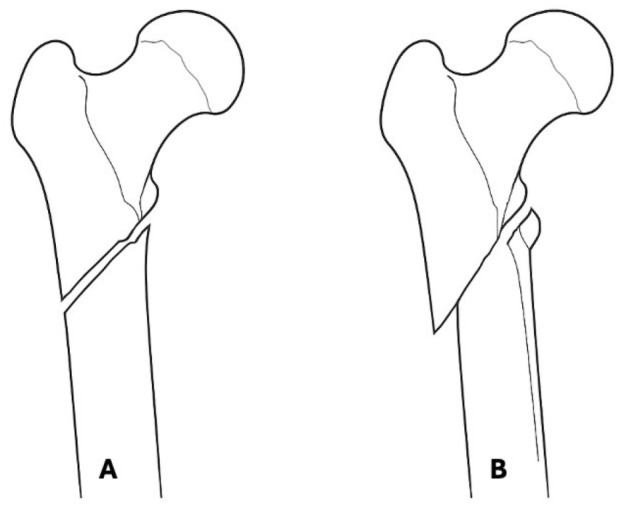 Figure 1
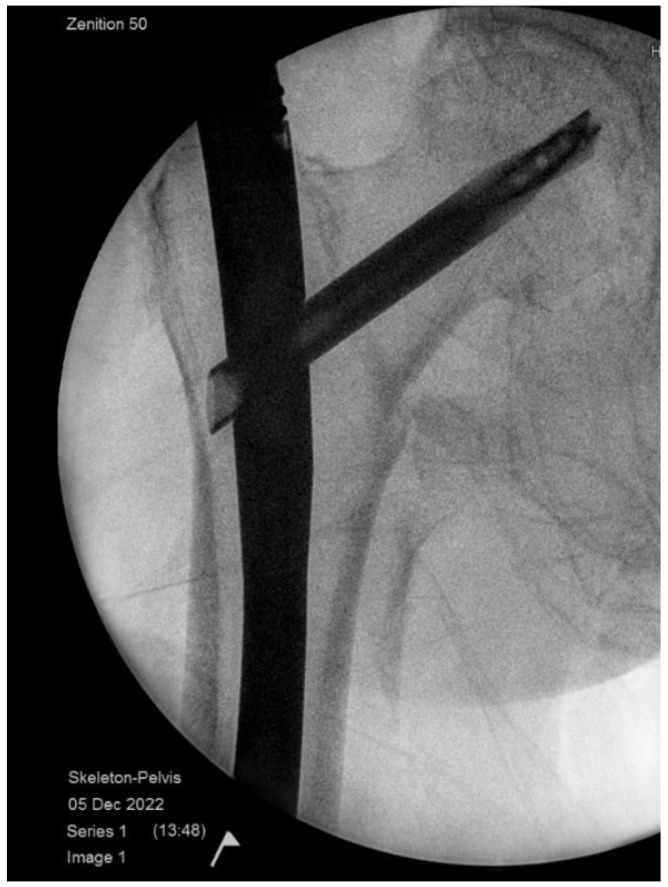 Figure 2
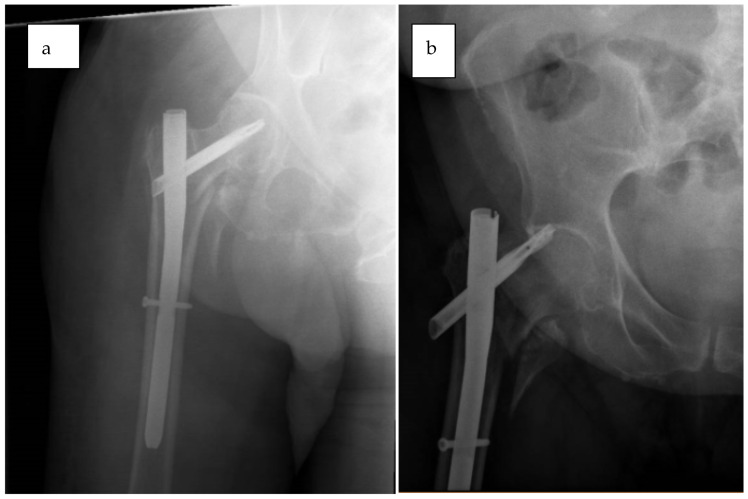 Figure 3
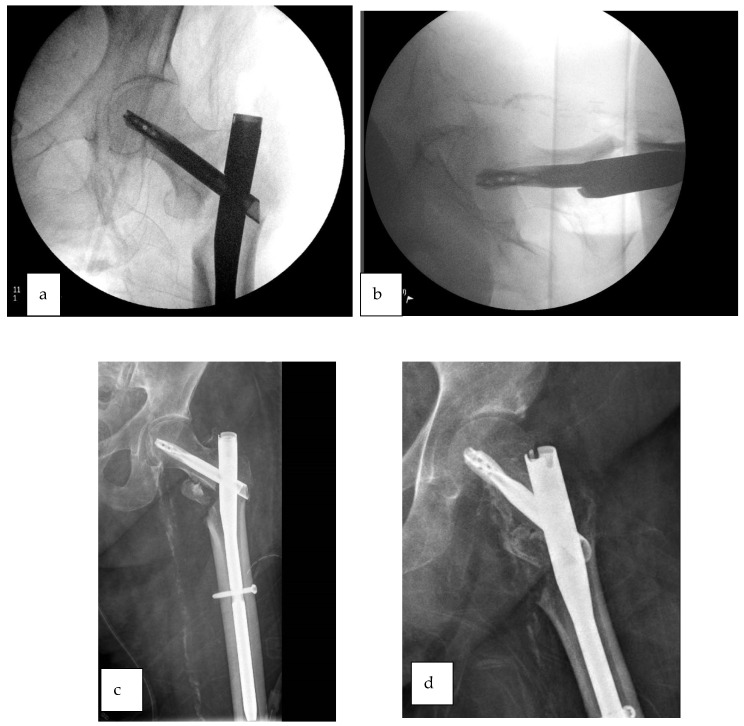 Figure 4
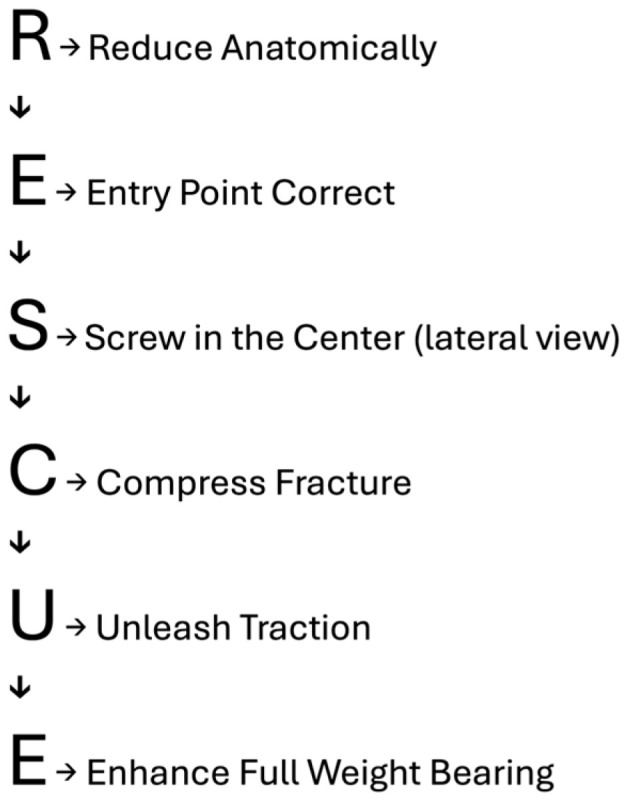 Figure 5
Peer Reviews
No public reviews on file for this paper yet. If you reviewed it on a platform where reviews are public (OpenReview, ICLR, NeurIPS, ICML), you can paste yours below so the community can read it here.
Videos
No videos yet. Explain this paper in a talk, walkthrough, or lecture? Add one.
Taxonomy
TopicsHip and Femur Fractures · Pelvic and Acetabular Injuries · Spinal Fractures and Fixation Techniques