Cepharanthine Promotes Ca2+-Independent Premature Red Blood Cell Death Through Metabolic Insufficiency and p38 MAPK/CK1α/COX/MLKL/PKC/iNOS Signaling
Shaymah H. Alruwaili, Jawaher Alsughayyir, Mohammad A. Alfhili

TL;DR
Cepharanthine causes red blood cell death through a calcium-independent pathway involving several signaling molecules, which could impact its use in cancer treatment.
Contribution
This study reveals a novel mechanism of CEP-induced eryptosis and hemolysis via Ca2+-independent signaling pathways.
Findings
CEP increases phosphatidylserine exposure and hemolysis in red blood cells.
CEP-induced eryptosis involves p38 MAPK, CK1α, COX, MLKL, PKC, and iNOS signaling.
Modulating KCl efflux and intracellular calcium levels affects CEP's cytotoxic effects.
Abstract
Nonspecific toxicity to normal and malignant cells restricts the clinical utility of many anticancer drugs. In particular, anemia in cancer patients develops due to drug-induced toxicity to red blood cells (RBCs). The anticancer alkaloid, cepharanthine (CEP), elicits distinct forms of cell death including apoptosis and autophagy, but its cytotoxicity to RBCs has not been investigated. Colorimetric and fluorometric techniques were used to assess eryptosis and hemolysis in control and CEP-treated RBCs. Cells were labeled with Fluo4/AM and annexin-V-FITC to measure Ca2+ and phosphatidylserine (PS) exposure, respectively. Forward scatter (FSC) was detected to estimate cell size, and extracellular hemoglobin along with lactate dehydrogenase and aspartate transaminase activities were assayed to quantify hemolysis. Physiological manipulation of the extracellular milieu and various signaling…
Genes, proteins, chemicals, diseases, species, mutations and cell lines named across the full text — each resolved to its canonical identifier and authoritative record.
Click any figure to enlarge with its caption.
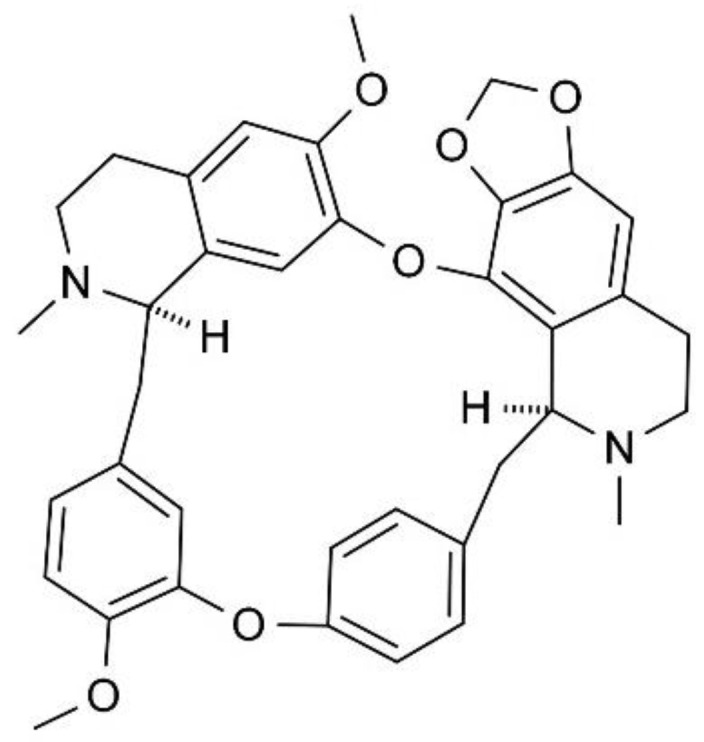 Figure 1
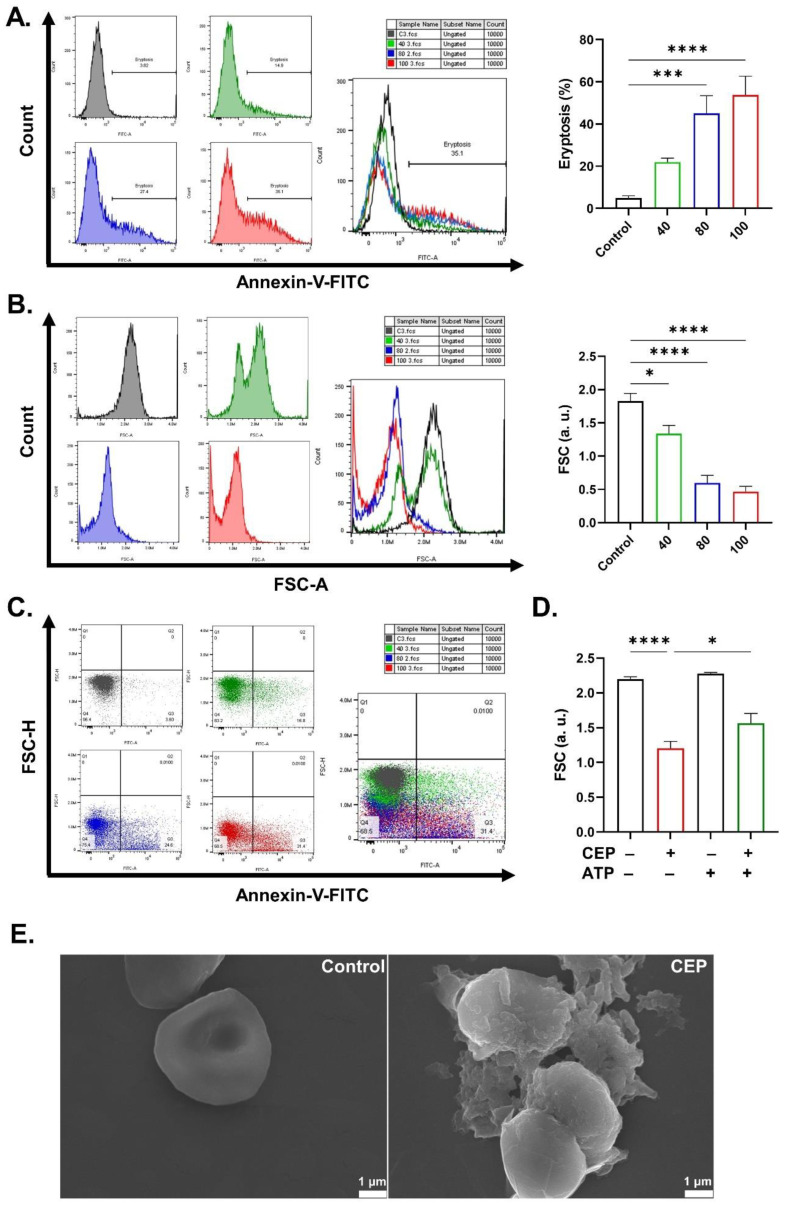 Figure 2
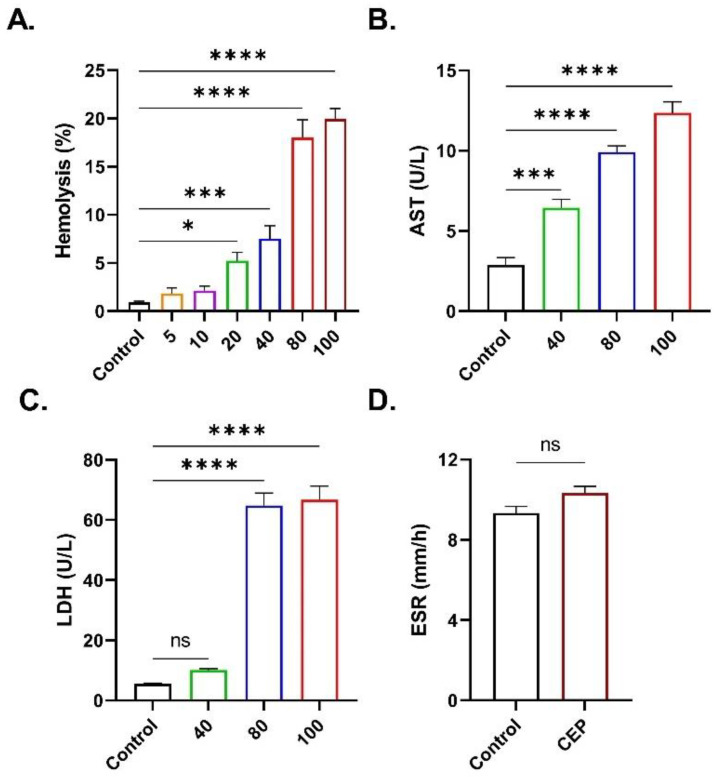 Figure 3
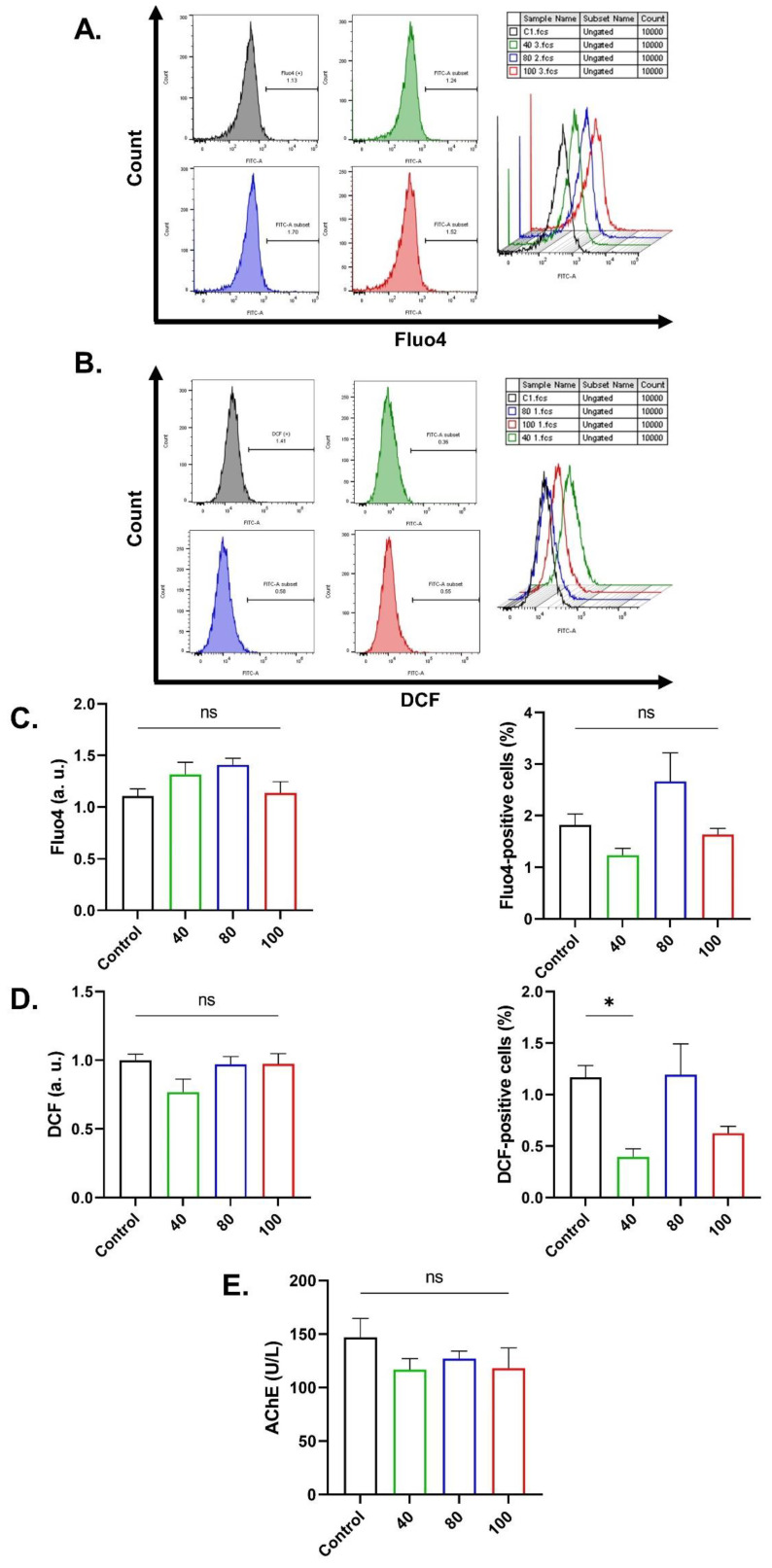 Figure 4
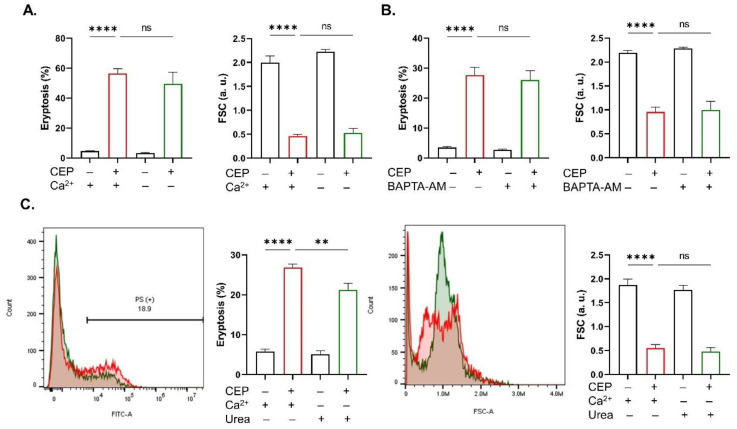 Figure 5
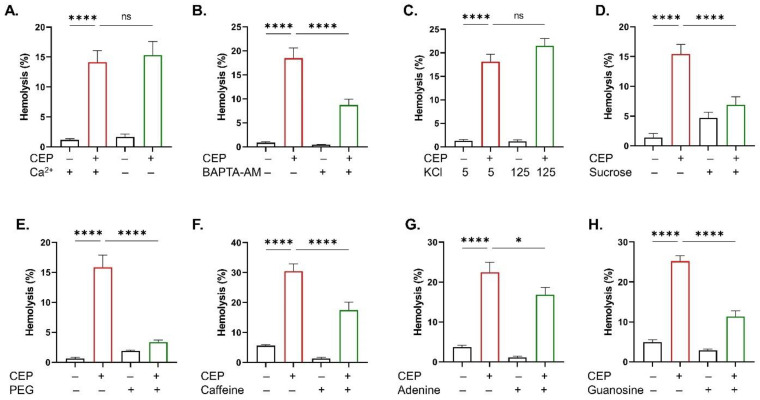 Figure 6
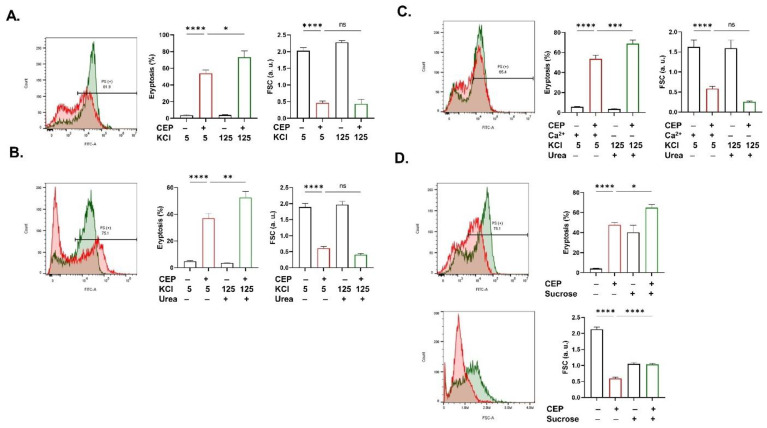 Figure 7
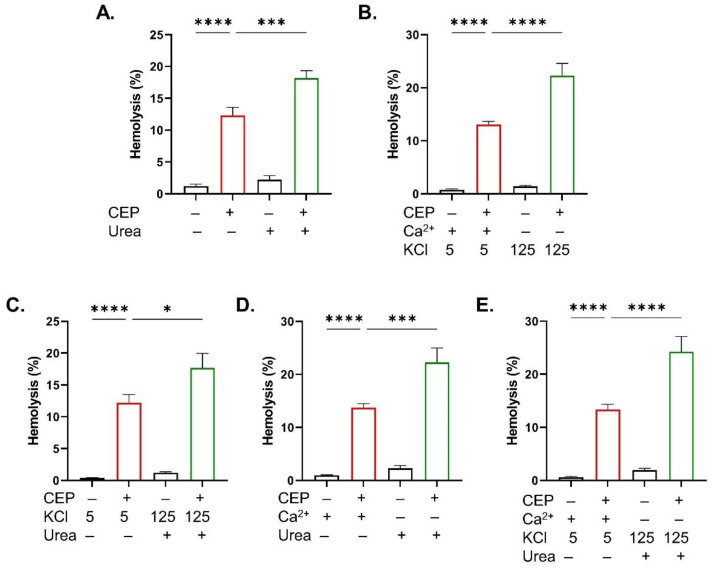 Figure 8
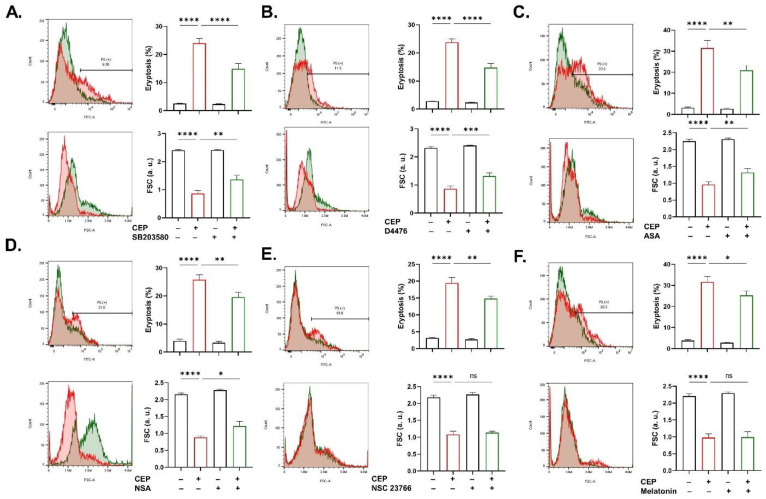 Figure 9
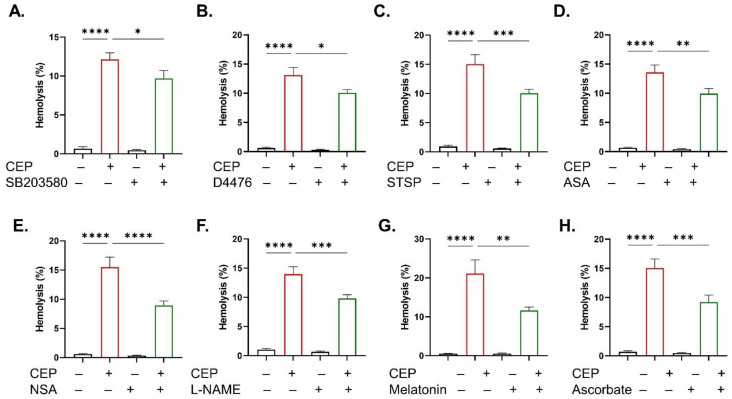 Figure 10
Peer Reviews
No public reviews on file for this paper yet. If you reviewed it on a platform where reviews are public (OpenReview, ICLR, NeurIPS, ICML), you can paste yours below so the community can read it here.
Videos
No videos yet. Explain this paper in a talk, walkthrough, or lecture? Add one.
Taxonomy
TopicsErythrocyte Function and Pathophysiology · Autophagy in Disease and Therapy · PARP inhibition in cancer therapy