Understanding the Molecular Basis of Miller–Dieker Syndrome
Gowthami Mahendran, Jessica A. Brown

TL;DR
Miller–Dieker Syndrome is a rare genetic disorder caused by a deletion of genes on chromosome 17, leading to brain and developmental abnormalities.
Contribution
This review integrates clinical and molecular insights to identify key signaling pathways disrupted in Miller–Dieker Syndrome.
Findings
MDS is caused by a deletion of 26 genes on chromosome 17, leading to severe neurological and developmental defects.
Key genes like PAFAH1B1 and YWHAE are involved in neuronal migration and cortical development.
Dysfunctional pathways in MDS include WNT/β-catenin, calcium signaling, and mTOR, offering potential therapeutic targets.
Abstract
Miller–Dieker Syndrome (MDS) is a rare neurodevelopmental disorder caused by a heterozygous deletion of approximately 26 genes within the MDS locus of human chromosome 17. MDS, which affects 1 in 100,000 babies, can lead to a range of phenotypes, including lissencephaly, severe neurological defects, distinctive facial abnormalities, cognitive impairments, seizures, growth retardation, and congenital heart and liver abnormalities. One hallmark feature of MDS is an unusually smooth brain surface due to abnormal neuronal migration during early brain development. Several genes located within the MDS locus have been implicated in the pathogenesis of MDS, including PAFAH1B1, YWHAE, CRK, and METTL16. These genes play a role in the molecular and cellular pathways that are vital for neuronal migration, the proper development of the cerebral cortex, and protein translation in MDS. Improved model…
Genes, proteins, chemicals, diseases, species, mutations and cell lines named across the full text — each resolved to its canonical identifier and authoritative record.
Click any figure to enlarge with its caption.
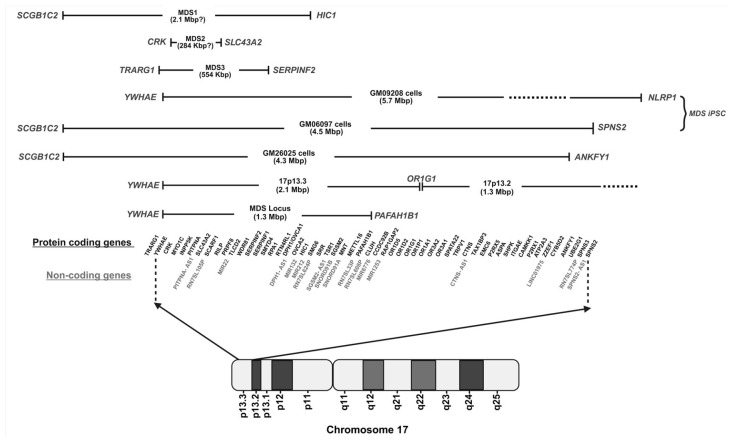 Figure 1
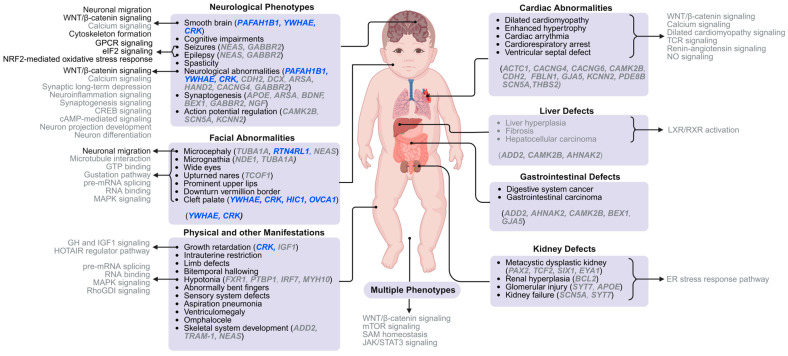 Figure 2
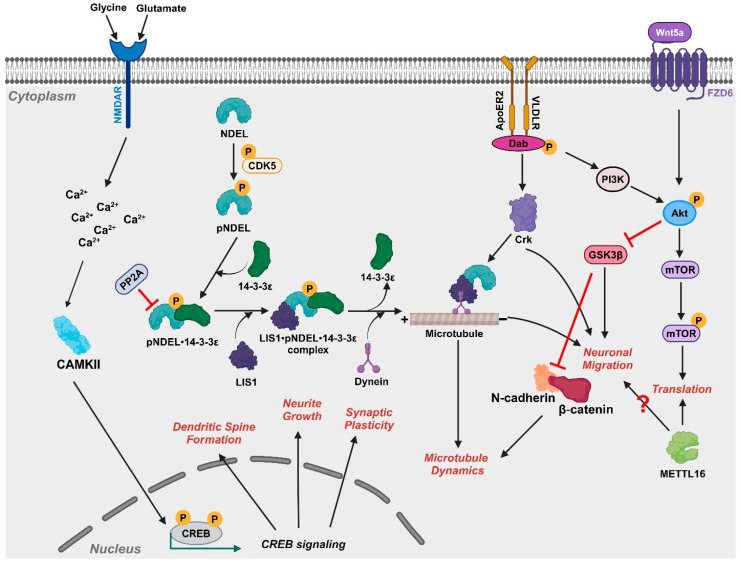 Figure 3
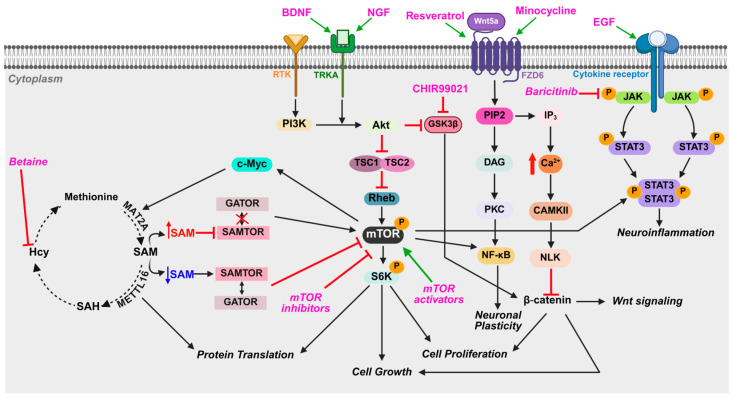 Figure 4
Peer Reviews
No public reviews on file for this paper yet. If you reviewed it on a platform where reviews are public (OpenReview, ICLR, NeurIPS, ICML), you can paste yours below so the community can read it here.
Videos
No videos yet. Explain this paper in a talk, walkthrough, or lecture? Add one.
Taxonomy
TopicsRNA modifications and cancer · RNA Research and Splicing · MicroRNA in disease regulation