Upregulating ANKHD1 in PS19 Mice Reduces Tau Phosphorylation and Mitigates Tau Toxicity-Induced Cognitive Deficits
Xiaolin Tian, Nathan Le, Yuhai Zhao, Dina Alawamleh, Andrew Schwartz, Lauren Meyer, Elizabeth Helm, Chunlai Wu

TL;DR
Increasing ANKHD1 in mice reduces harmful Tau effects and improves cognitive function in female mice with Tau-related dementia.
Contribution
ANKHD1 is shown to mitigate Tau toxicity and cognitive deficits in a mouse model of tauopathy.
Findings
ANKHD1 expression reduced hyperphosphorylated human Tau in 6-month-old PS19 mice.
ANKHD1 improved cognitive performance in female PS19 mice during novel object recognition testing.
ANKHD1 was associated with reduced gliosis and preserved Synaptophysin levels in TauP301S mice.
Abstract
Using the fly eye as a model system, we previously demonstrated that upregulation of the fly gene mask protects against FUS- and Tau-induced photoreceptor degeneration. Building upon this finding, we investigated whether the protective role of mask is conserved in mammals. To this end, we generated a transgenic mouse line carrying Cre-inducible ANKHD1, the human homolog of mask. Utilizing the TauP301S-PS19 mouse model for Tau-related dementia, we found that expressing ANKHD1 driven by CamK2a-Cre reduced hyperphosphorylated human Tau in 6-month-old mice. Additionally, ANKHD1 expression was associated with a trend toward reduced gliosis and preservation of the presynaptic marker Synaptophysin, suggesting a protective role of ANKHD1 against TauP301S-linked neuropathology. At 9 months of age, novel object recognition (NOR) testing revealed cognitive impairment in female, but not male, PS19…
Genes, proteins, chemicals, diseases, species, mutations and cell lines named across the full text — each resolved to its canonical identifier and authoritative record.
Click any figure to enlarge with its caption.
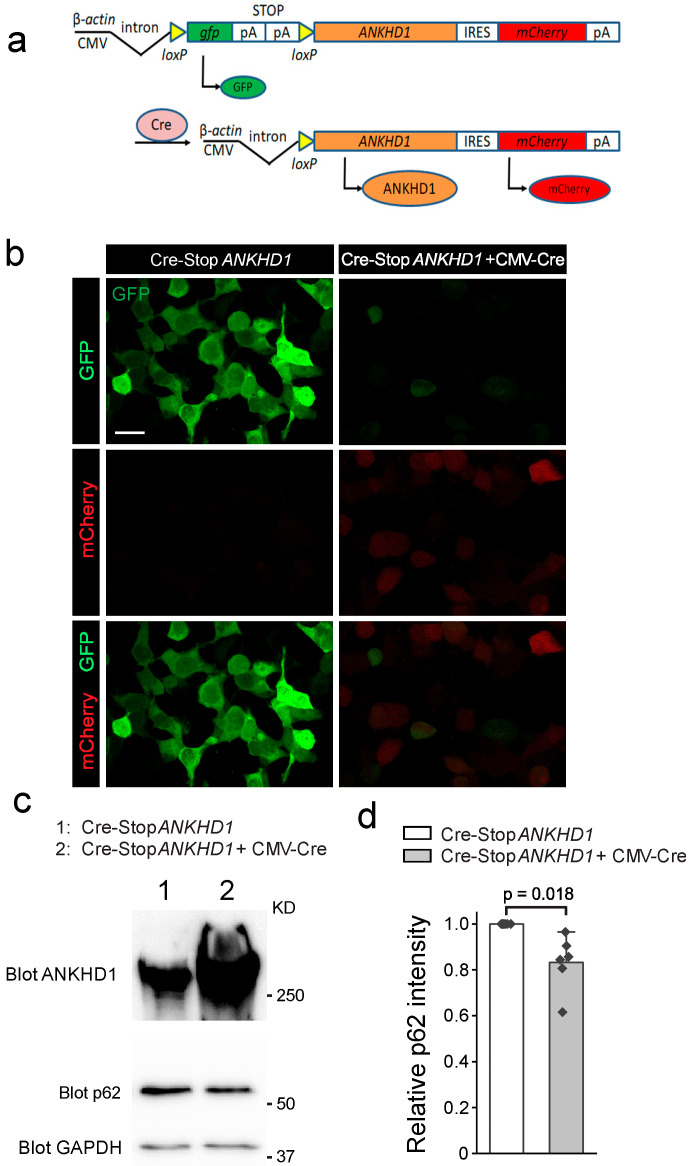 Figure 1
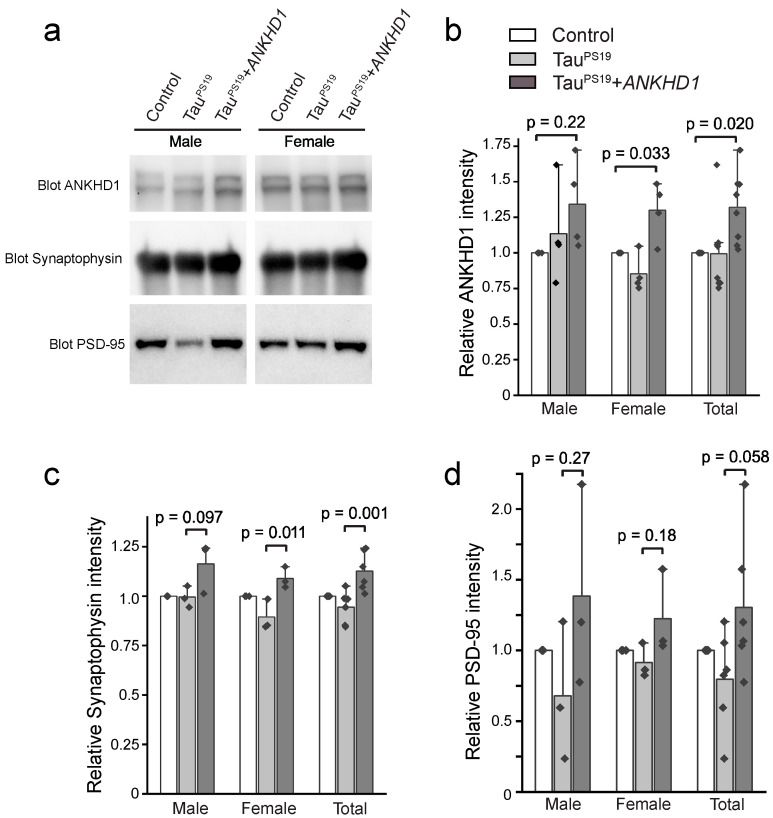 Figure 2
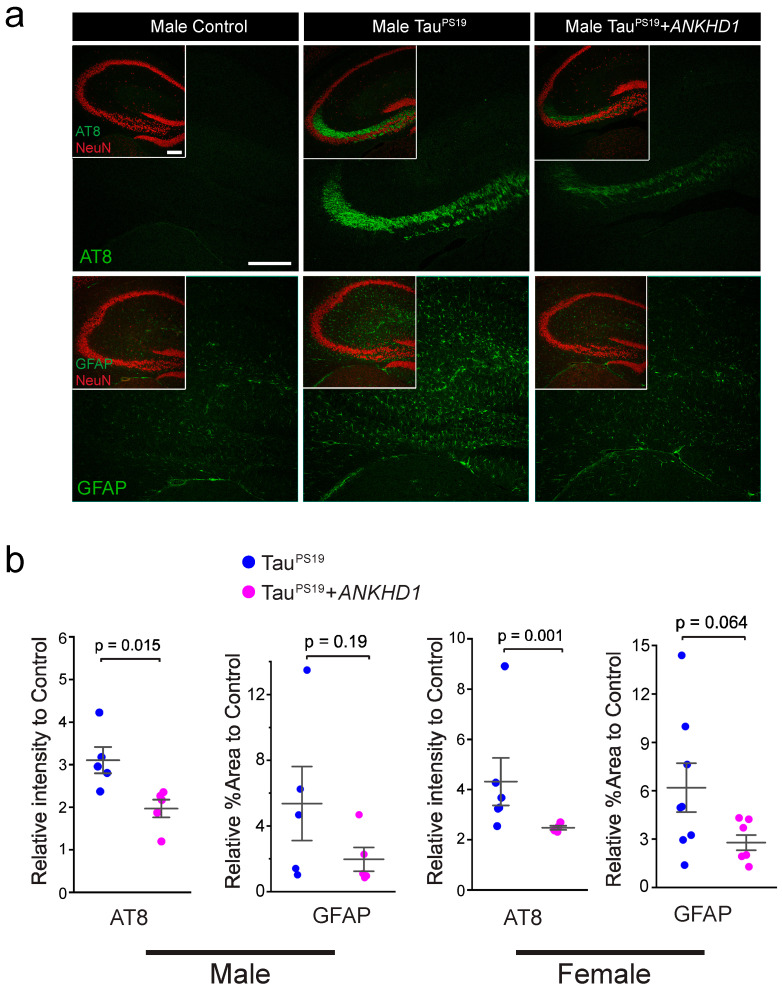 Figure 3
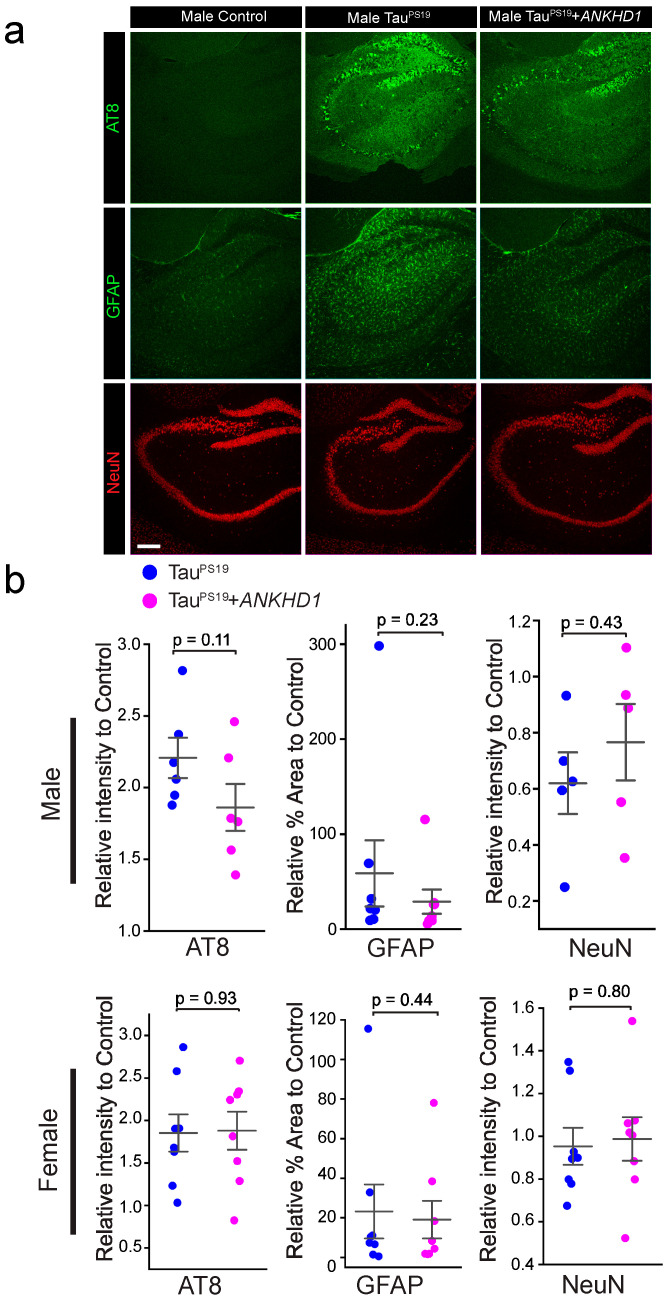 Figure 4
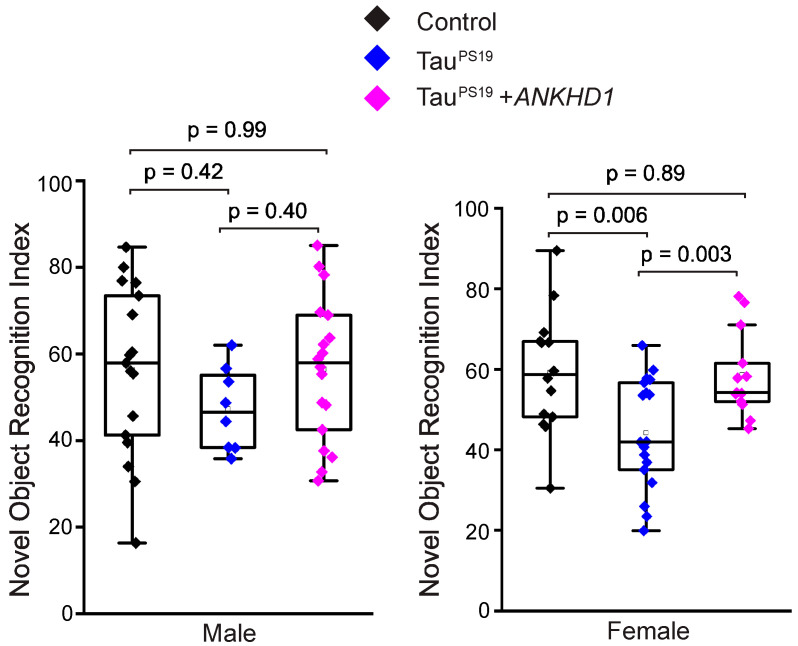 Figure 5
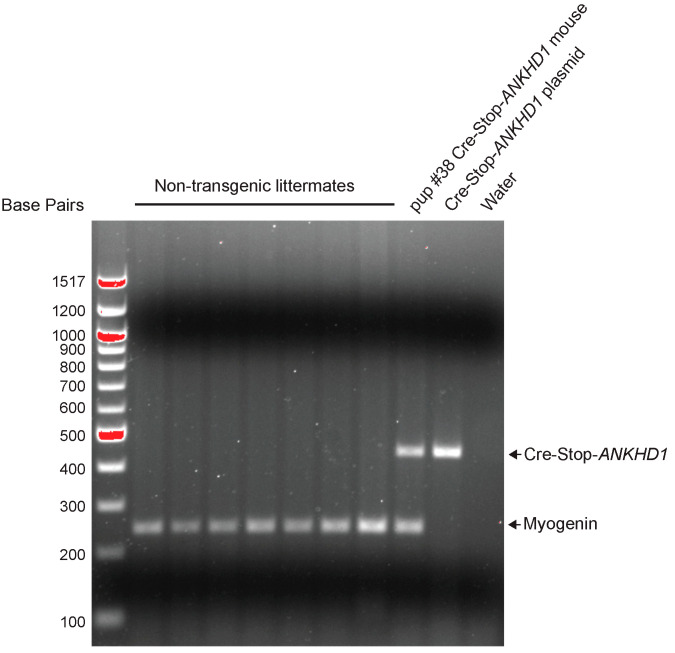 Figure 6
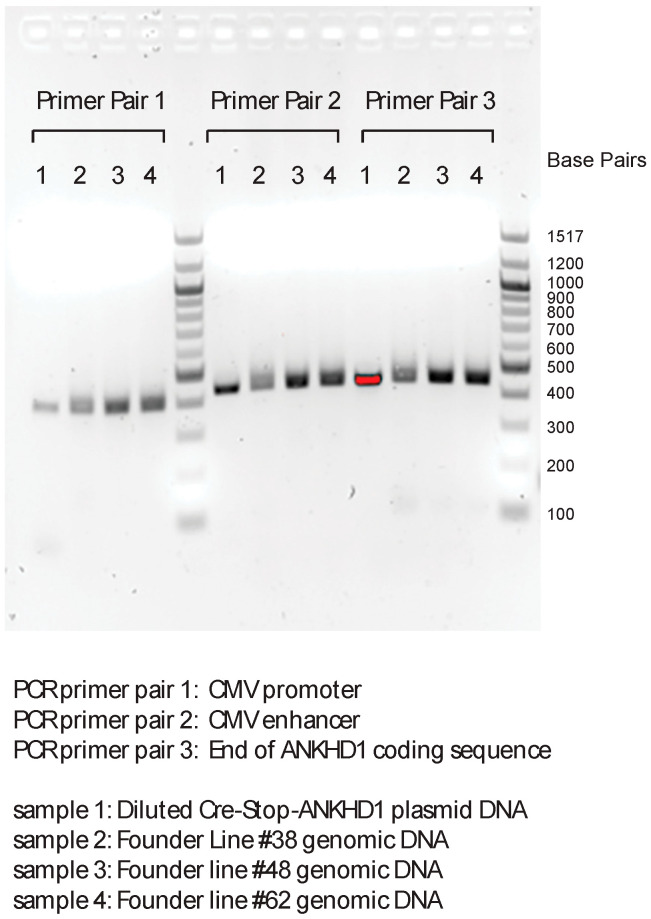 Figure 7
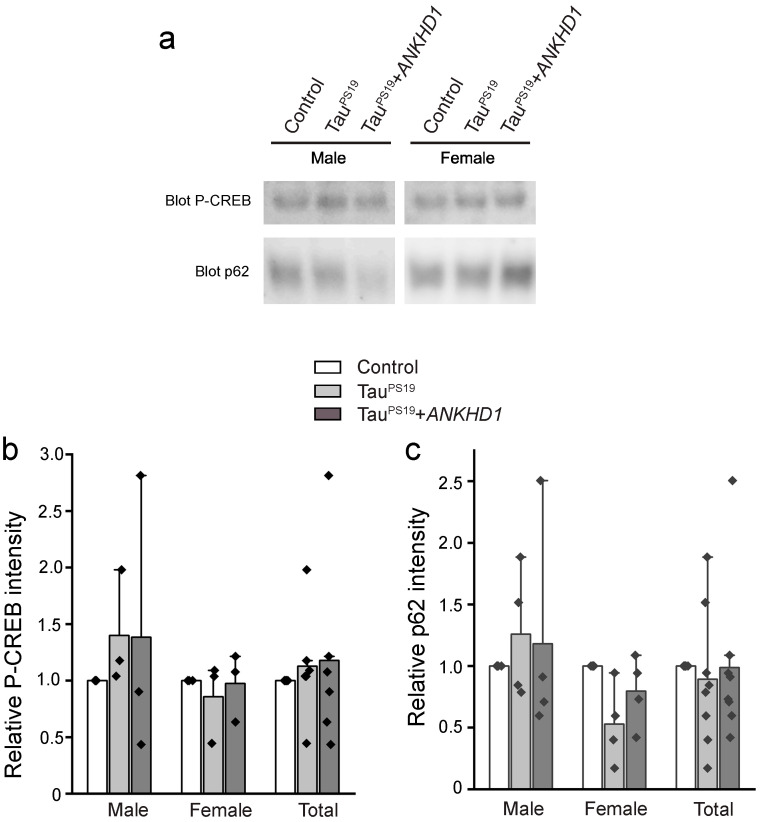 Figure 8
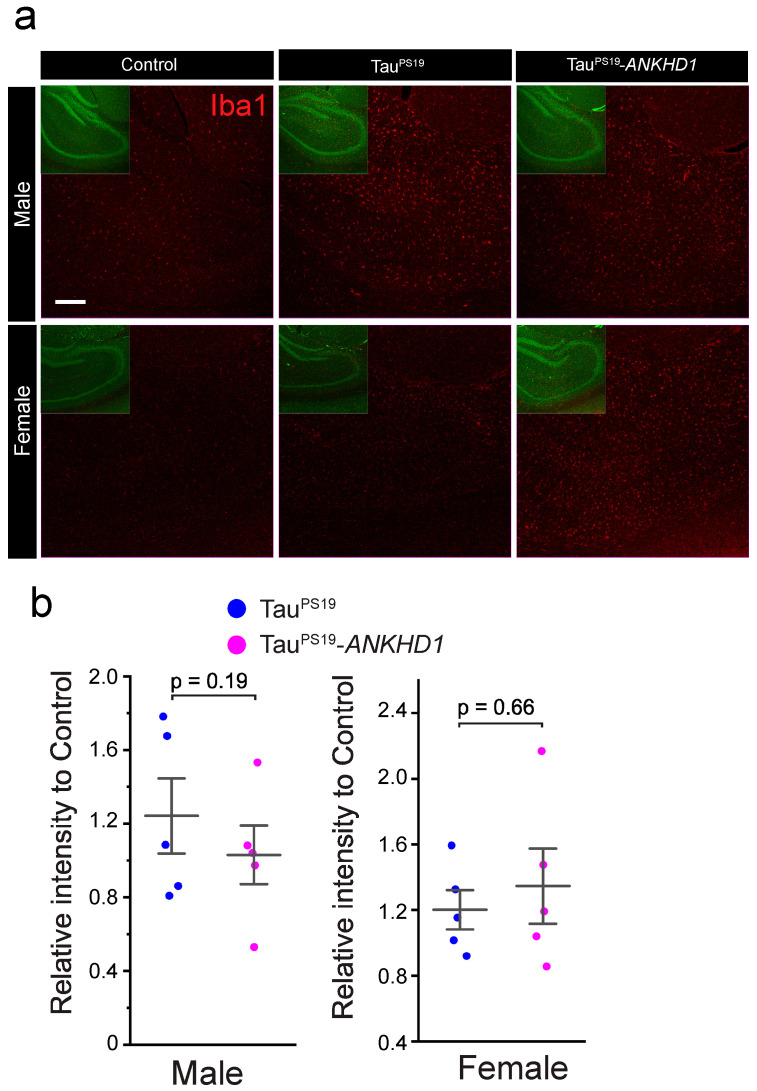 Figure 9
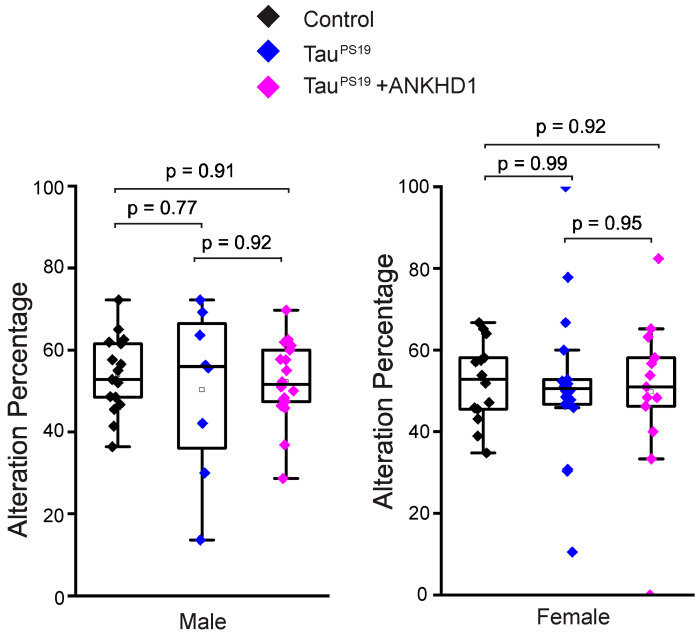 Figure 10
Peer Reviews
No public reviews on file for this paper yet. If you reviewed it on a platform where reviews are public (OpenReview, ICLR, NeurIPS, ICML), you can paste yours below so the community can read it here.
Videos
No videos yet. Explain this paper in a talk, walkthrough, or lecture? Add one.
Taxonomy
TopicsAlzheimer's disease research and treatments · Neuroscience and Neuropharmacology Research · Cholinesterase and Neurodegenerative Diseases