Genomic and Cytotoxic Damage in Wistar Rats and Their Newborns After Transplacental Exposure to Hibiscus sabdariffa Hydroalcoholic Extract
Yelin Tobanche Mireles, Ana Lourdes Zamora-Pérez, Marisol Galván Valencia, Susana Vanessa Sánchez de la Rosa, Fuensanta del Rocío Reyes Escobedo, Blanca Patricia Lazalde-Ramos

TL;DR
This study examines the effects of a Hibiscus sabdariffa extract on pregnant rats and their offspring, finding potential cytotoxic and genotoxic risks.
Contribution
The study evaluates the transplacental effects of Hibiscus sabdariffa extract on maternal and neonatal health using genotoxic and cytotoxic assays.
Findings
EHHs caused myelosuppression and increased MDA levels in mothers' serum, liver, and kidneys.
Newborns showed genotoxicity and elevated MDA levels in liver, kidneys, brain, and muscle tissues.
The findings suggest potential safety concerns for Hs use during pregnancy.
Abstract
Hibiscus sabdariffa (Hs) is a tropical plant with a wide range of therapeutic properties; however, few studies have evaluated its potential adverse effects. In the present study, the cytotoxic and genotoxic effects of the hydroalcoholic extract of Hs (EHHs) dried calyces administered during gestation were assessed in Wistar rats and their newborns using the micronucleus assay in peripheral blood and the quantification of malondialdehyde (MDA) in various tissues. Three different doses of EHHs (500, 1000, and 2000 mg/Kg) were administered orally to five pregnant Wistar rats per group during the final days of gestation (days 16–20). Blood samples were collected every 24 h during the last six days of gestation and from the neonates at birth, along with tissue samples for MDA quantification. EHHs induced myelosuppression in the mothers and genotoxicity in their newborns, as well as…
Genes, proteins, chemicals, diseases, species, mutations and cell lines named across the full text — each resolved to its canonical identifier and authoritative record.
Click any figure to enlarge with its caption.
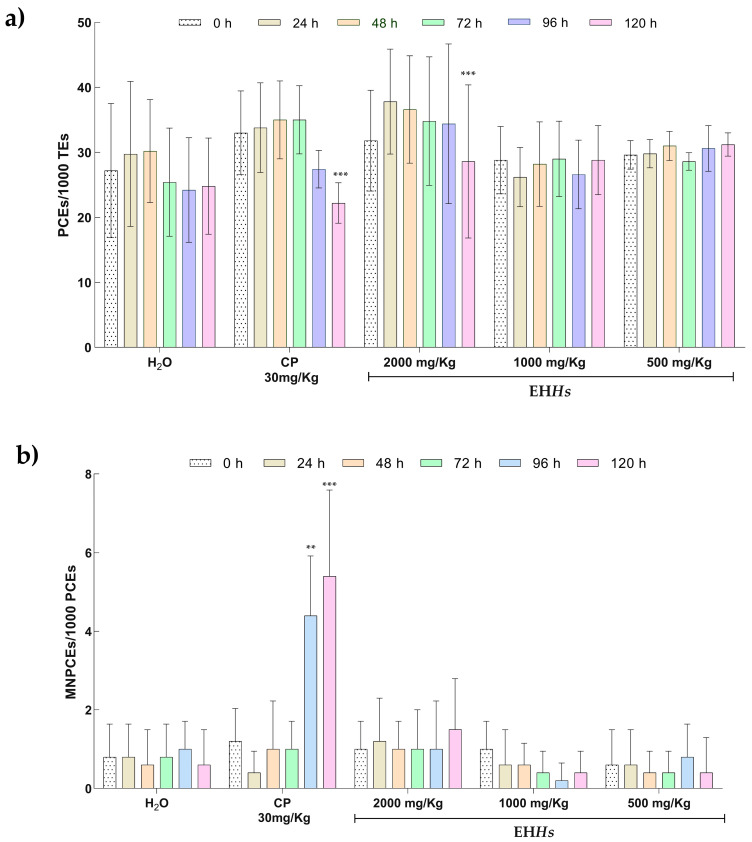 Figure 1
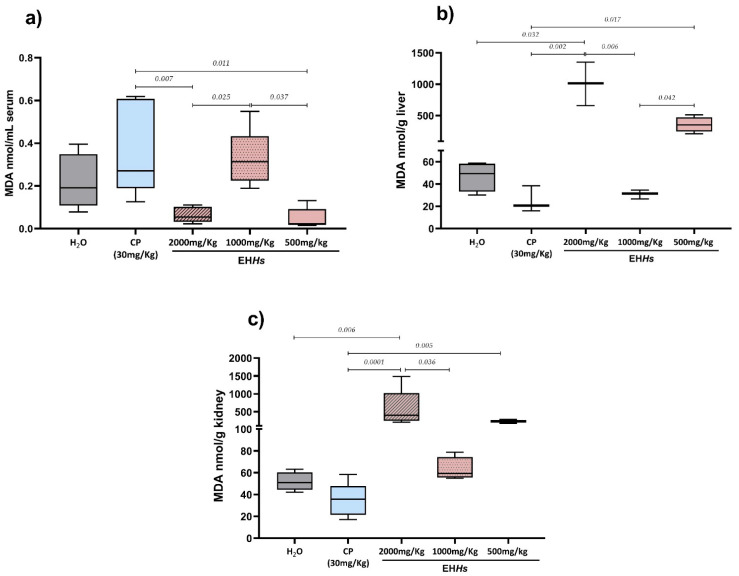 Figure 2
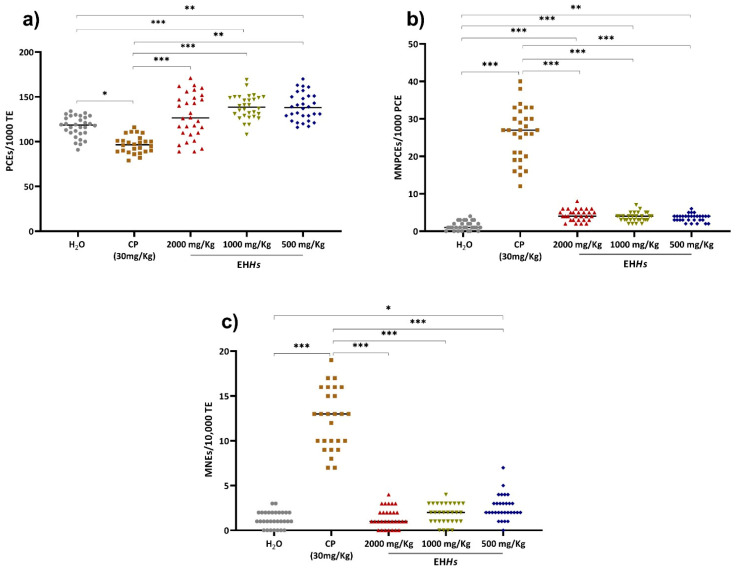 Figure 3
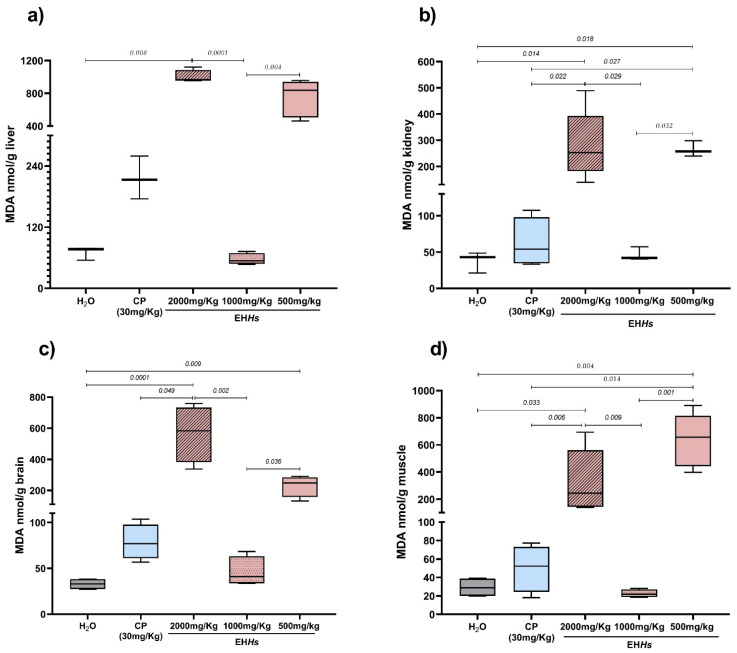 Figure 4
Peer Reviews
No public reviews on file for this paper yet. If you reviewed it on a platform where reviews are public (OpenReview, ICLR, NeurIPS, ICML), you can paste yours below so the community can read it here.
Videos
No videos yet. Explain this paper in a talk, walkthrough, or lecture? Add one.
Taxonomy
TopicsHibiscus Plant Research Studies