Prostaglandin Analogs and Eupatilin as Treatments for Nephronophthisis
Alice Tata, Guillaume Rocha, Marguerite Hureaux, Alice S. Serafin, Esther Porée, Lucie Menguy, Nicolas Goudin, Nicolas Cagnard, Lilian Gréau, Marc Fila, Luis Briseño-Roa, Jean-Philippe Annereau, Sophie Saunier, Alexandre Benmerah

TL;DR
This paper explores prostaglandin analogs and Eupatilin as potential treatments for nephronophthisis, a genetic kidney disease, by showing they can improve cilia formation in patient cells and reduce kidney cysts in a zebrafish model.
Contribution
The study demonstrates that prostaglandin analogs and Eupatilin can rescue ciliary defects in multiple nephronophthisis genetic contexts and reduce cysts in a zebrafish model.
Findings
Eupatilin partially rescued ciliogenesis defects in NPHP1 patient cells by inhibiting cell cycle progression.
Prostaglandin analogs reduced pronephric cyst size in a zebrafish nphp model, unlike Eupatilin.
Both compounds rescued ciliary defects in NPHP5 patient cells, suggesting broad therapeutic potential.
Abstract
Primary cilia (PCs) are sensory antennae that are present on the majority of quiescent vertebrate cells where they mediate key signaling during development and in response to environmental stimuli. Defects in PCs result in a group of heterogeneous inherited disorders with overlapping phenotypes, called ciliopathies. Nephronophthisis is an autosomal recessive tubulointerstitial kidney ciliopathy with > 25 identified genes called NPHP. Presently, no treatment exists beyond supportive care and kidney transplant, underscoring the need for novel therapies. Using a phenotypic screening approach in cultured cell lines, we previously identified prostaglandin analogues as candidate therapeutic molecules based on their ability to rescue ciliogenesis defects in kidney tubular cells from patients with NPHP1 . Here, we investigated the potential beneficial effects of ROCK inhibitor and Eupatilin,…
Genes, proteins, chemicals, diseases, species, mutations and cell lines named across the full text — each resolved to its canonical identifier and authoritative record.
Click any figure to enlarge with its caption.
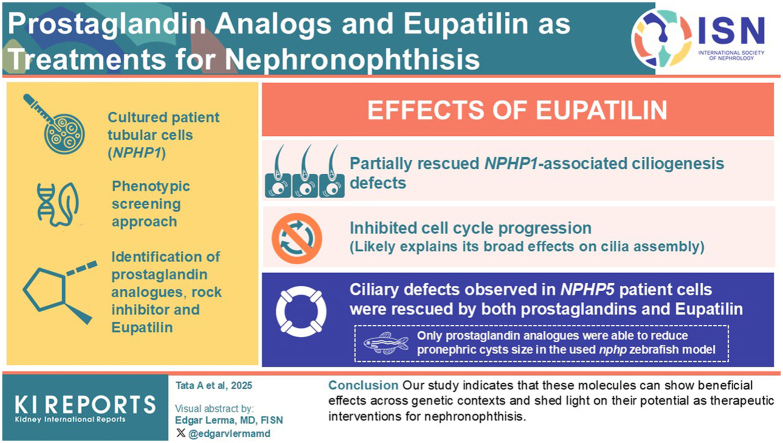 Figure 1
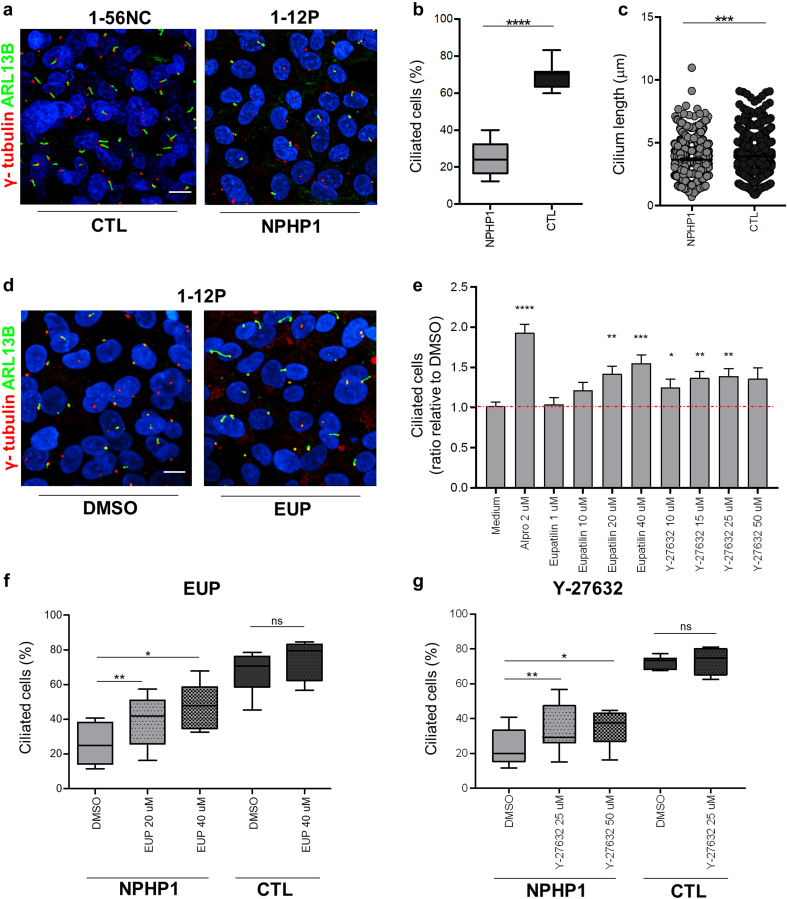 Figure 2
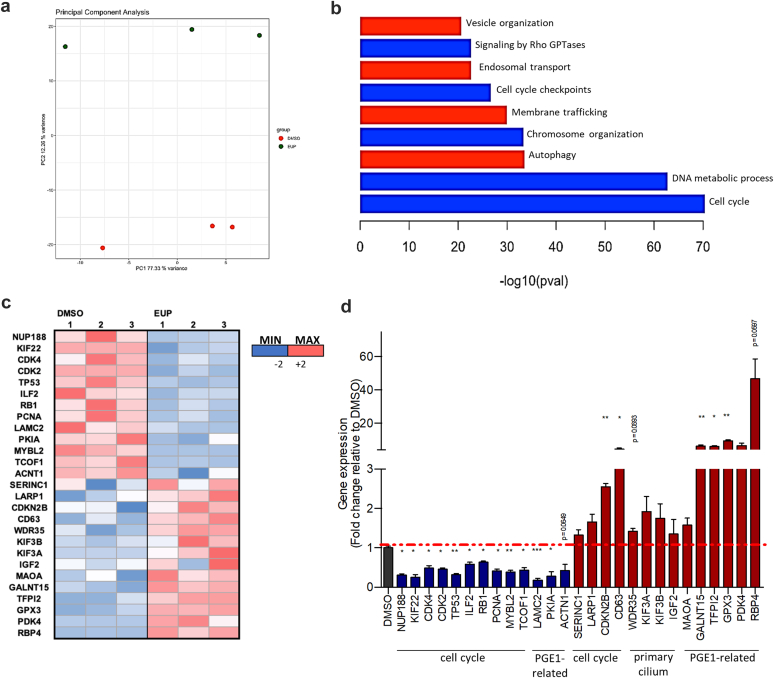 Figure 3
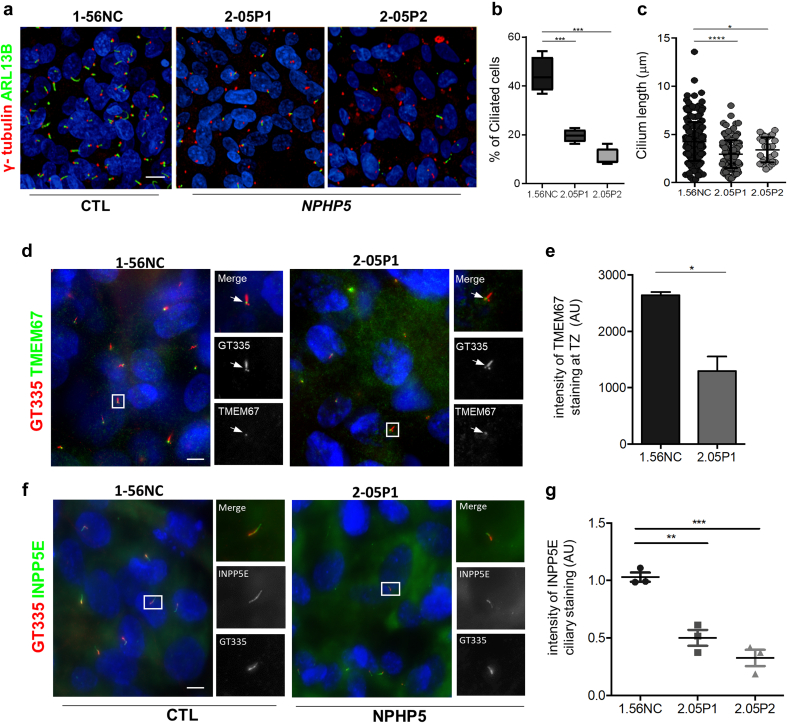 Figure 4
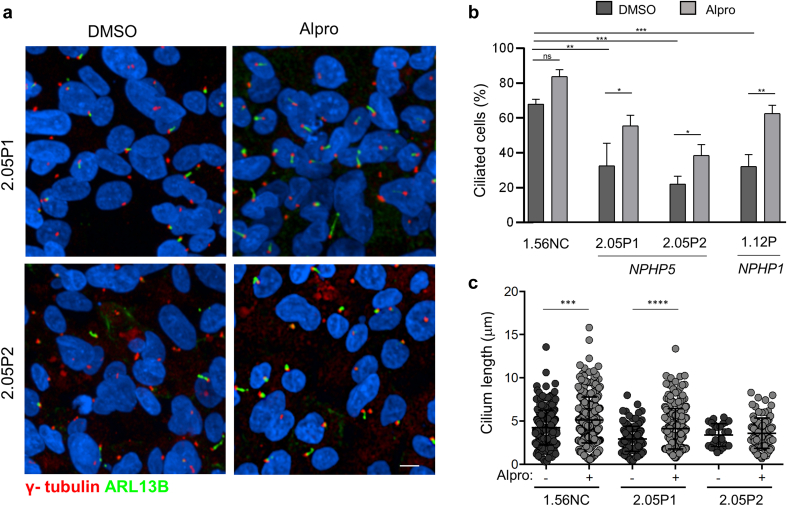 Figure 5
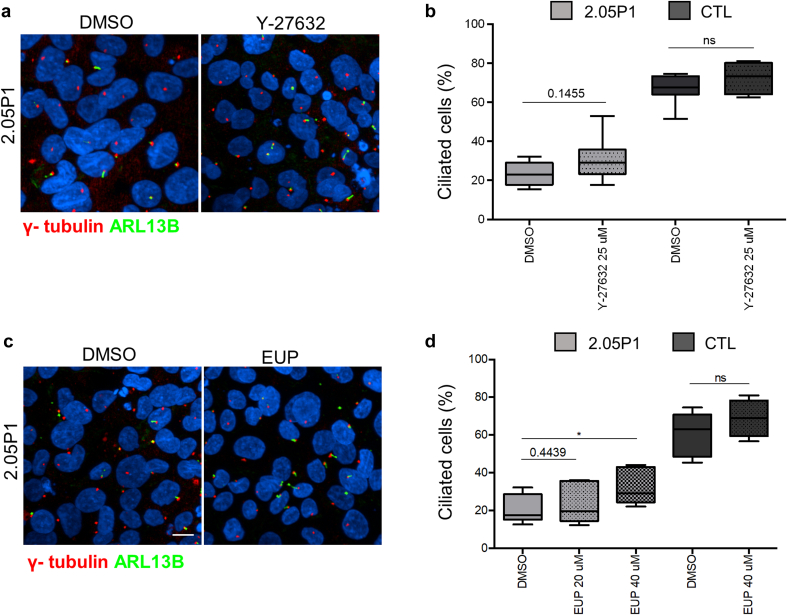 Figure 6
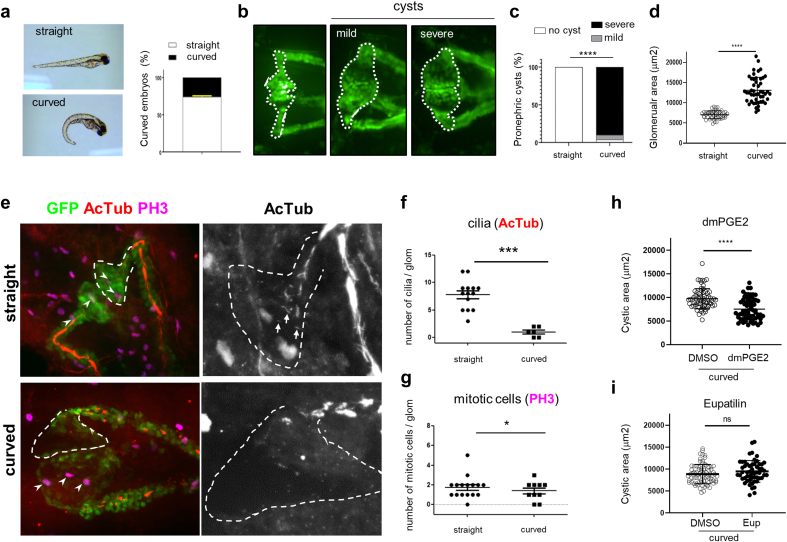 Figure 7
Peer Reviews
No public reviews on file for this paper yet. If you reviewed it on a platform where reviews are public (OpenReview, ICLR, NeurIPS, ICML), you can paste yours below so the community can read it here.
Videos
No videos yet. Explain this paper in a talk, walkthrough, or lecture? Add one.
Taxonomy
TopicsGenetic and Kidney Cyst Diseases · Pediatric Urology and Nephrology Studies · Fetal and Pediatric Neurological Disorders