Identification of Differentially Expressed Genes and Pathways in Non-Diabetic CKD and Diabetic CKD by Integrated Human Transcriptomic Bioinformatics Analysis
Clara Barrios, Marta Riera, Eva Rodríguez, Eva Márquez, Jimena del Risco, Melissa Pilco, Jorge Huesca, Ariadna González, Claudia Martyn, Jordi Pujol, Anna Buxeda, Marta Crespo

TL;DR
This study compares gene activity in diabetic and non-diabetic kidney disease to reveal distinct molecular patterns that could guide targeted treatments.
Contribution
The paper identifies unique gene expression signatures and pathways in diabetic versus non-diabetic CKD subtypes using integrated transcriptomic analysis.
Findings
CKD_T2D shows more extensive gene expression changes compared to CKD_nonT2D.
Hypertensive-CKD shares more transcriptomic features with CKD_T2D than autoimmune-CKD.
Genes like Tgfb1 and C1qa/B are linked to immune and fibrotic pathways in diabetic CKD.
Abstract
Chronic kidney disease (CKD) is a heterogeneous condition with various etiologies, including type 2 diabetes mellitus (T2D), hypertension, and autoimmune disorders. Both diabetic CKD (CKD_T2D) and non-diabetic CKD (CKD_nonT2D) share overlapping clinical features, but understanding the molecular mechanisms underlying each subtype and distinguishing diabetic from non-diabetic forms remain poorly defined. To identify differentially expressed genes (DEGs) and enriched biological pathways between CKD_T2D and CKD_nonT2D cohorts, including autoimmune (CKD_nonT2D_AI) and hypertensive (CKD_nonT2D_HT) subtypes, through integrative transcriptomic analysis. Publicly available gene expression datasets from human glomerular and tubulointerstitial kidney tissues were curated and analyzed from GEO and ArrayExpress. Differential expression analysis and Gene Set Enrichment Analysis (GSEA) were conducted…
Genes, proteins, chemicals, diseases, species, mutations and cell lines named across the full text — each resolved to its canonical identifier and authoritative record.
Click any figure to enlarge with its caption.
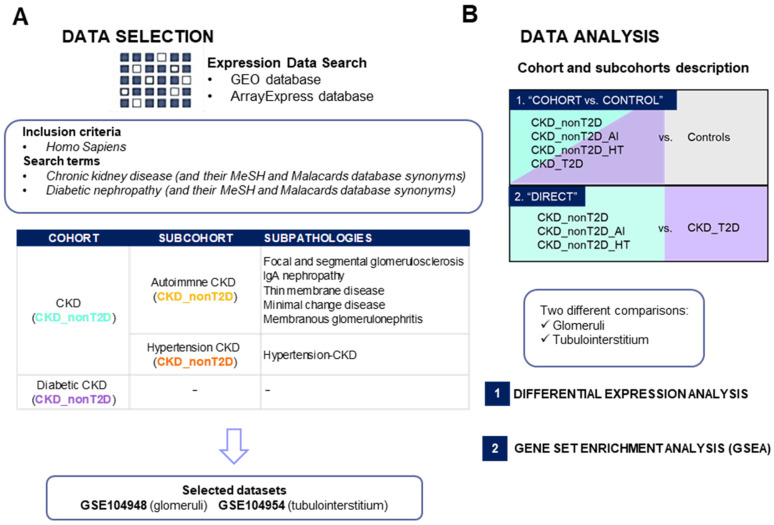 Figure 1
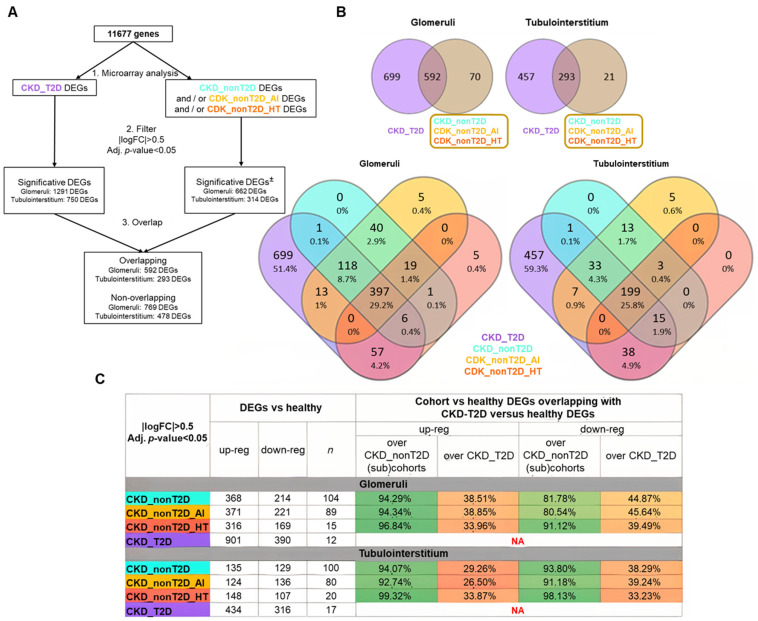 Figure 2
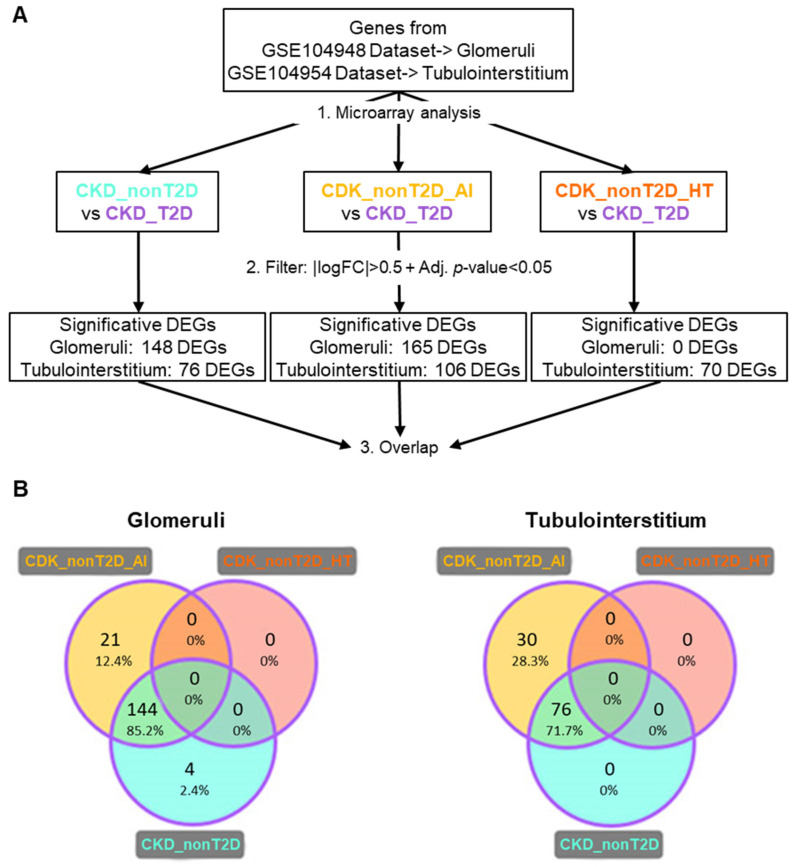 Figure 3
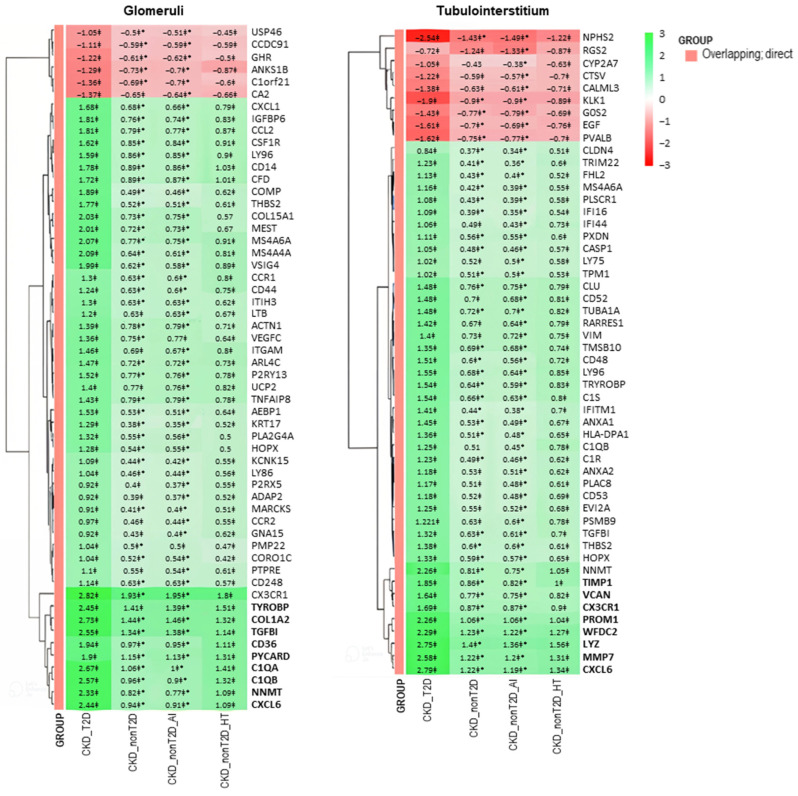 Figure 4
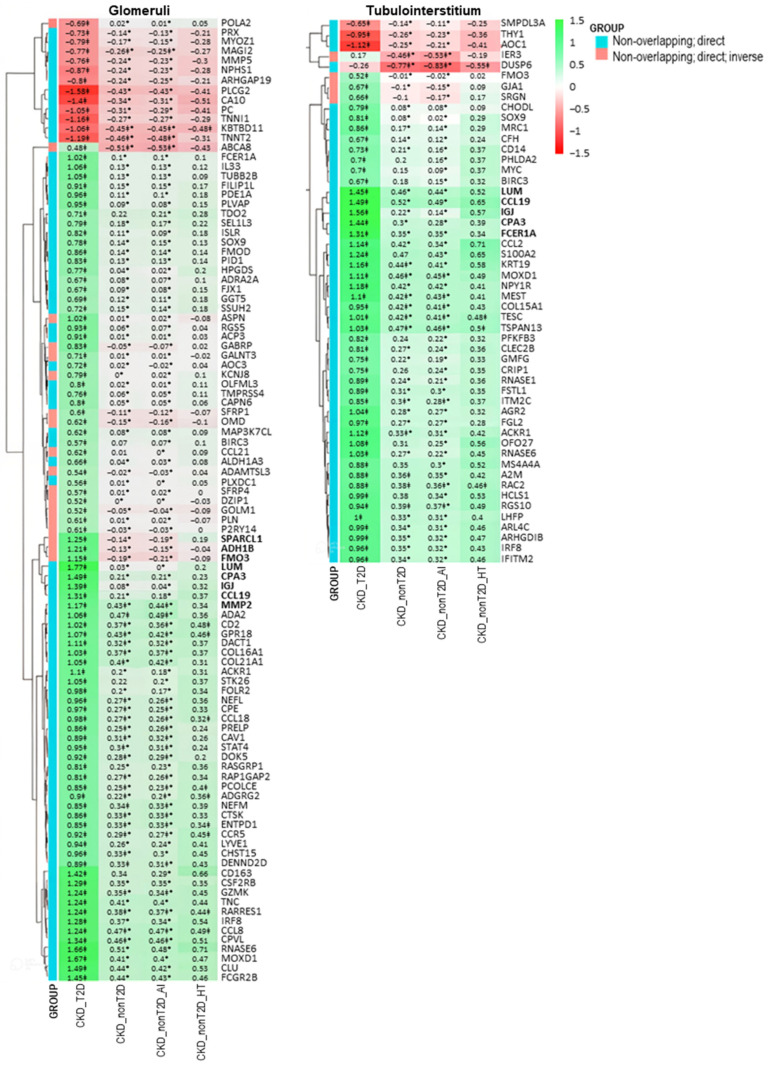 Figure 5
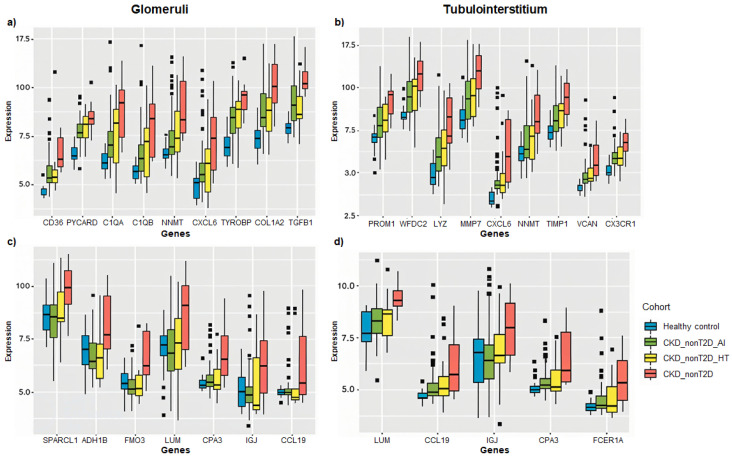 Figure 6
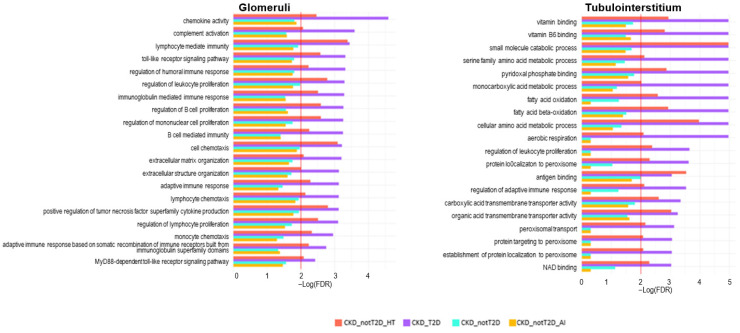 Figure 7
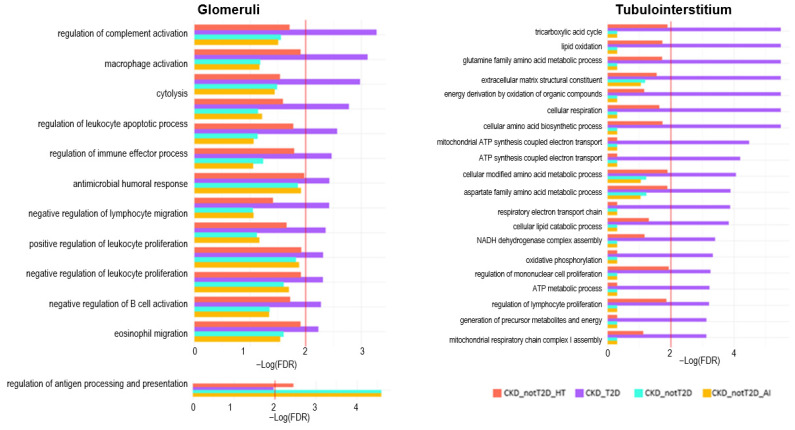 Figure 8
Peer Reviews
No public reviews on file for this paper yet. If you reviewed it on a platform where reviews are public (OpenReview, ICLR, NeurIPS, ICML), you can paste yours below so the community can read it here.
Videos
No videos yet. Explain this paper in a talk, walkthrough, or lecture? Add one.
Taxonomy
TopicsDiabetes Treatment and Management · Diabetes and associated disorders · Pancreatic function and diabetes