Variations in Circulating Tumor Microenvironment-Associated Proteins in Non-Muscle Invasive Bladder Cancer Induced by Mitomycin C Treatment
Benito Blanco Gómez, Francisco Javier Casas-Nebra, Daniel Pérez-Fentes, Susana B. Bravo, Laura Rodríguez-Silva, Cristina Núñez

TL;DR
This study identifies changes in proteins linked to the tumor environment in bladder cancer patients treated with Mitomycin C, revealing potential biomarkers for treatment response.
Contribution
The study introduces a novel nanoproteomic strategy to identify a tumor microenvironment proteomic signature associated with Mitomycin C treatment response in bladder cancer.
Findings
Prothrombin (F2) was downregulated in all patients during Mitomycin C treatment.
Complement component C7 (C7) was upregulated in all patients during treatment.
These findings suggest immune response proteins could serve as biomarkers for treatment outcomes.
Abstract
Mitomycin C (MMC) is a widely employed chemotherapeutic agent, particularly in non-muscle invasive bladder cancer (NMIBC), where it functions by inducing DNA cross-linking and promoting tumor cell apoptosis. However, the tumor microenvironment (TME) significantly influences the therapeutic efficacy of MMC. Among the key regulators within the TME, the complement system and the coagulation pathway play a crucial role in modulating immune responses to cancer therapies, including MMC. This article explores the interaction between platinum nanoparticles (PtNPs) with human serum (HS) of NMIBC patients (T1 and Ta subtypes) at three different points: before the chemotherapy instillation of MMC (t0) and three (t3) and six months (t6) after the treatment with MMC. This novel nanoproteomic strategy allowed the identification of a TME proteomic signature associated with the response to MMC…
Genes, proteins, chemicals, diseases, species, mutations and cell lines named across the full text — each resolved to its canonical identifier and authoritative record.
Click any figure to enlarge with its caption.
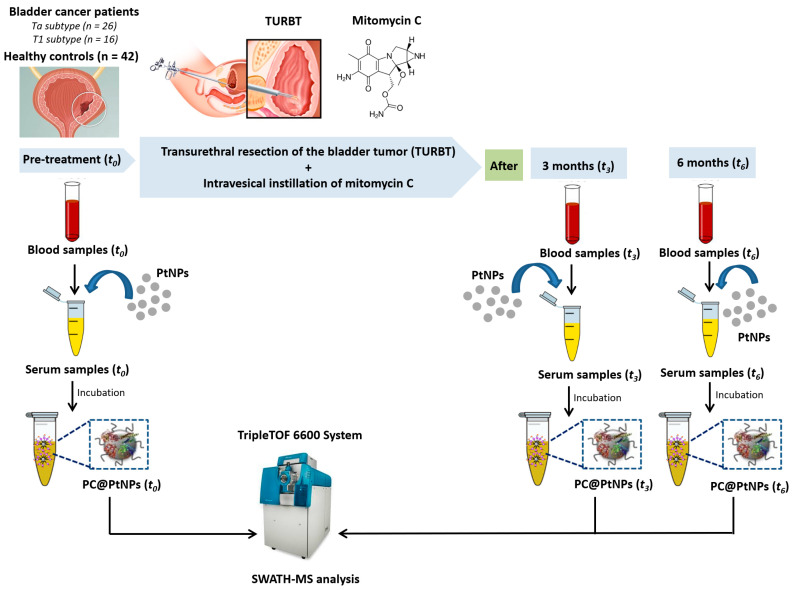 Figure 1
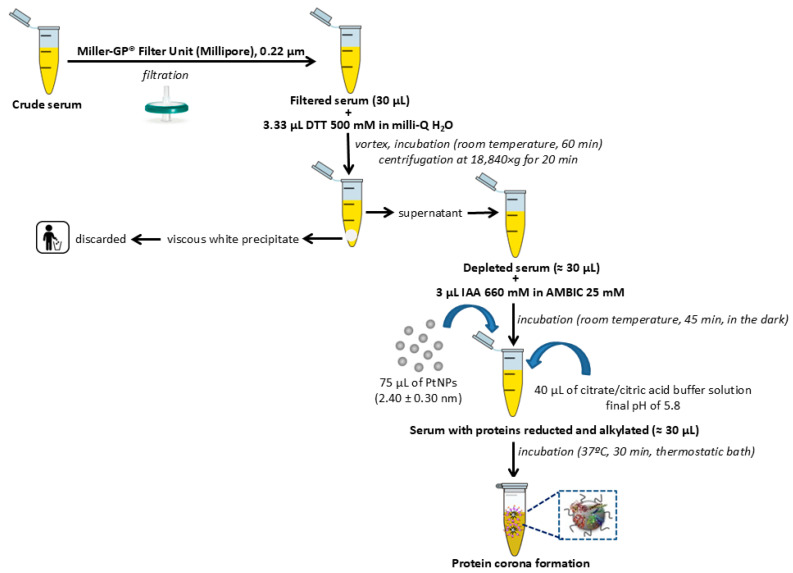 Figure 2
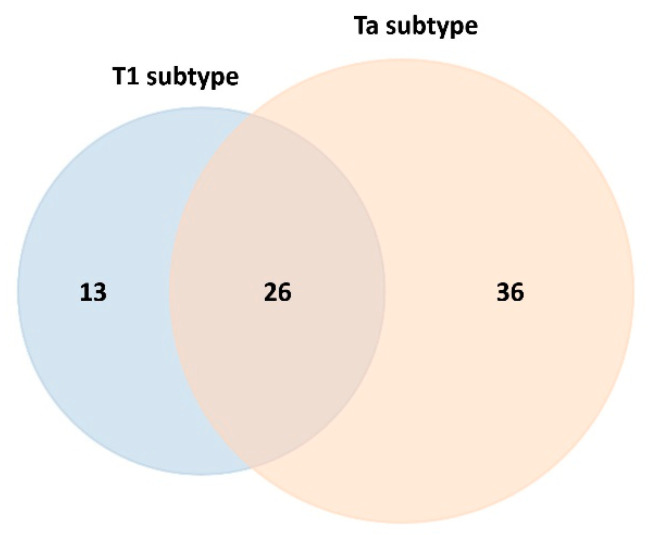 Figure 3
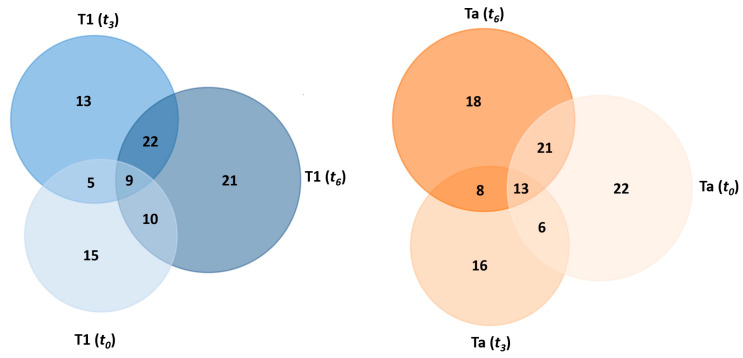 Figure 4
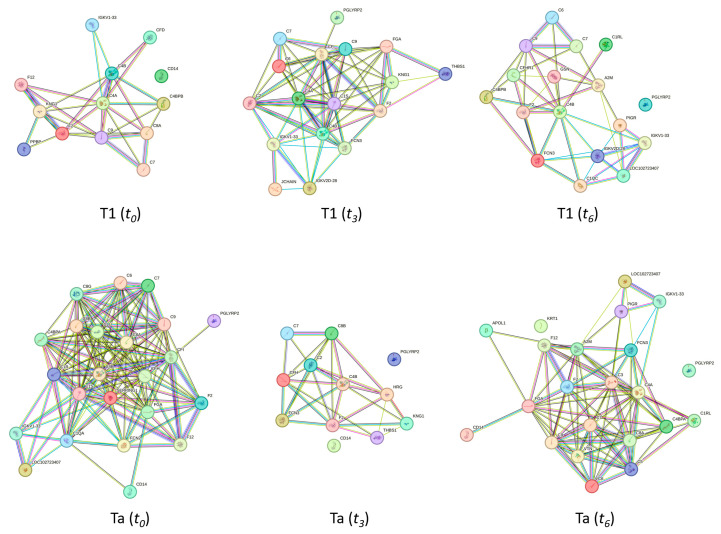 Figure 5
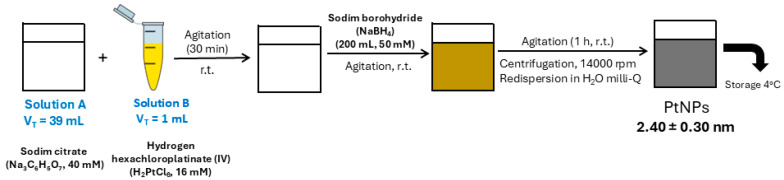 Figure 6
Peer Reviews
No public reviews on file for this paper yet. If you reviewed it on a platform where reviews are public (OpenReview, ICLR, NeurIPS, ICML), you can paste yours below so the community can read it here.
Videos
No videos yet. Explain this paper in a talk, walkthrough, or lecture? Add one.
Taxonomy
TopicsBladder and Urothelial Cancer Treatments · Ferroptosis and cancer prognosis · Inflammatory Biomarkers in Disease Prognosis