Postoperative Recovery of Balance Function in Lumbar Spinal Stenosis: A 12-Month Longitudinal Study Using the Brief BESTest and Its Association with Patient-Reported Outcomes
Tomoyoshi Sakaguchi, Masato Tanaka, Shinya Arataki, Tadashi Komatsubara, Akiyoshi Miyamoto, Mandar Borde, Umarani Arvind, Kazuhiko Takamatsu, Yosuke Yasuda, Adrian Doană-Prodan, Kaoruko Ishihara

TL;DR
This study tracks balance recovery in LSS patients over 12 months post-surgery and finds improvements linked to reduced pain and disability.
Contribution
A longitudinal assessment of balance function recovery using the Brief BESTest and its association with patient-reported outcomes in LSS patients.
Findings
Balance function improved significantly post-surgery and remained stable for 12 months.
Brief BESTest scores correlated with reduced disability, pain, and fear of falling at 12 months.
Subdomains like Anticipatory Adjustments and Postural Responses showed significant improvement.
Abstract
Study Design: Prospective observational study. Background: Lumbar spinal stenosis (LSS) impairs balance and gait function, increasing fall risk and limiting quality of life. Although postoperative recovery of balance is clinically important, longitudinal data using multidimensional balance assessments are limited. Methods: A prospective cohort study was conducted in 101 patients (mean age 74.9 ± 6.9 years) undergoing surgery for LSS. The Brief Balance Evaluation Systems Test (Brief BESTest), Oswestry Disability Index (ODI), Modified Falls Efficacy Scale (MFES), Zurich Claudication Questionnaire (ZCQ), and Visual Analog Scales (VAS) for pain/numbness were evaluated preoperatively and at 6 and 12 months postoperatively. Changes over time and correlations between Brief BESTest and PROMs were analyzed. Results: The total Brief BESTest score significantly improved from 13.3 ± 5.3…
Genes, proteins, chemicals, diseases, species, mutations and cell lines named across the full text — each resolved to its canonical identifier and authoritative record.
Click any figure to enlarge with its caption.
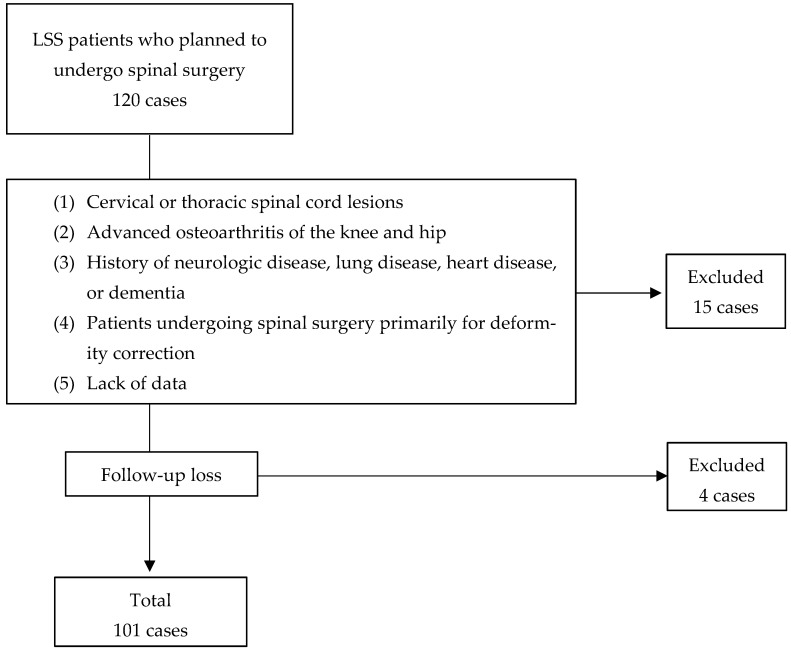 Figure 1
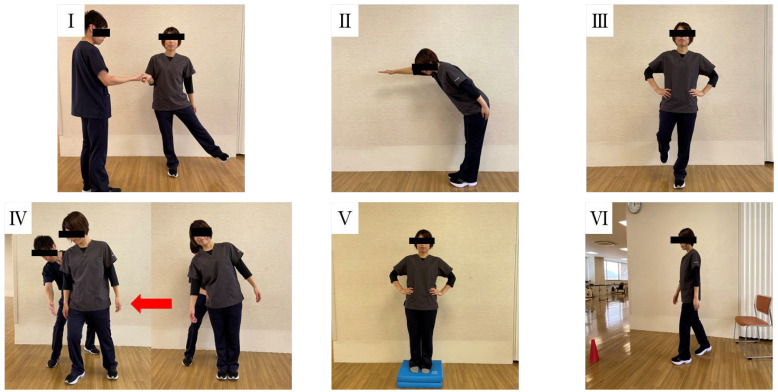 Figure 2
Peer Reviews
No public reviews on file for this paper yet. If you reviewed it on a platform where reviews are public (OpenReview, ICLR, NeurIPS, ICML), you can paste yours below so the community can read it here.
Videos
No videos yet. Explain this paper in a talk, walkthrough, or lecture? Add one.
Taxonomy
TopicsSpine and Intervertebral Disc Pathology · Scoliosis diagnosis and treatment · Medical Imaging and Analysis