Pro-Reparative Effects of KvLQT1 Potassium Channel Activation in a Mouse Model of Acute Lung Injury Induced by Bleomycin
Tom Voisin, Alban Girault, Mélissa Aubin Vega, Émilie Meunier, Jasmine Chebli, Anik Privé, Damien Adam, Emmanuelle Brochiero

TL;DR
This study explores how activating a specific potassium channel, KvLQT1, may help repair lung damage in a mouse model of acute respiratory distress syndrome.
Contribution
The study identifies KvLQT1 as a potential therapeutic target for resolving the acute phase of ARDS by promoting epithelial repair.
Findings
Pharmacological activation of KvLQT1 did not improve lung edema but reduced neutrophil recruitment and pro-inflammatory cytokines.
KvLQT1 activation was associated with improved alveolar epithelial repair and higher levels of alveolar cell markers.
The findings suggest KvLQT1 could be a potential target for resolving ARDS.
Abstract
Acute Respiratory Distress Syndrome (ARDS) is a complex and devastating form of respiratory failure, with high mortality rates, for which there is no pharmacological treatment. The acute exudative phase of ARDS is characterized by severe damage to the alveolar–capillary barrier, infiltration of protein-rich fluid into the lungs, neutrophil recruitment, and high levels of inflammatory mediators. Rapid resolution of this reversible acute phase, with efficient restoration of alveolar functional integrity, is essential before the establishment of irreversible fibrosis and respiratory failure. Several lines of in vitro and in vivo evidence support the involvement of potassium (K+) channels—particularly KvLQT1, expressed in alveolar cells—in key cellular mechanisms for ARDS resolution, by promoting alveolar fluid clearance and epithelial repair processes. The aim of our study was to…
Genes, proteins, chemicals, diseases, species, mutations and cell lines named across the full text — each resolved to its canonical identifier and authoritative record.
Click any figure to enlarge with its caption.
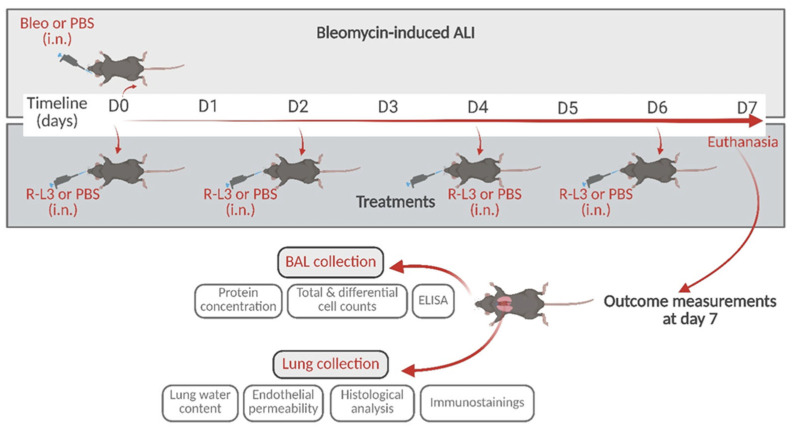 Figure 1
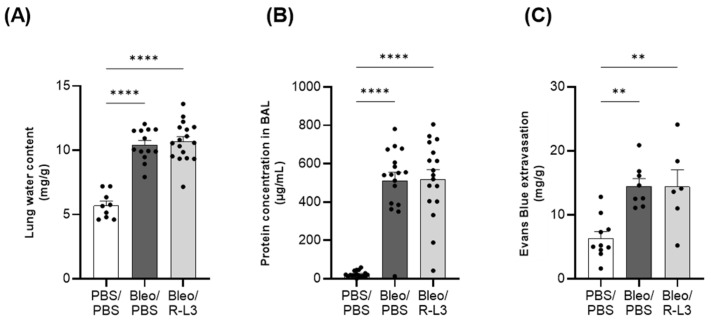 Figure 2
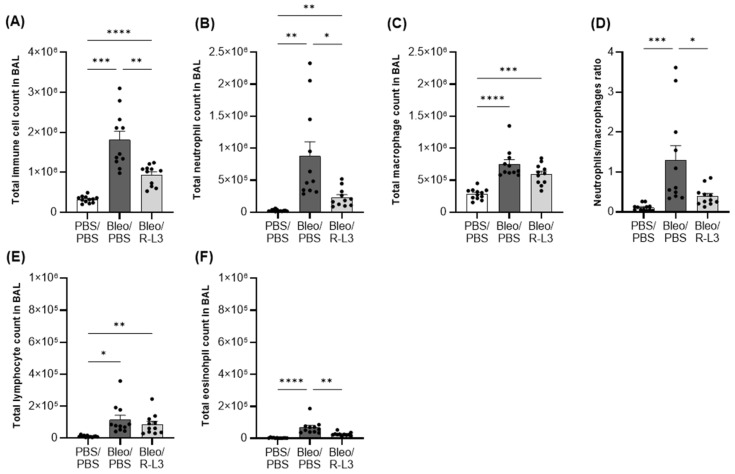 Figure 3
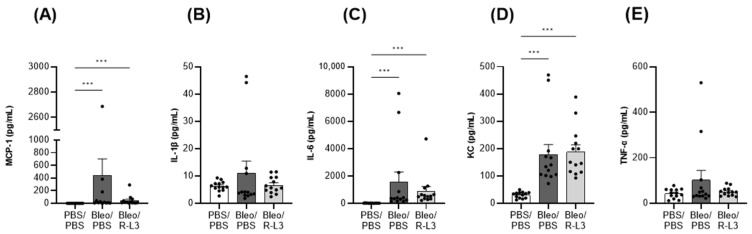 Figure 4
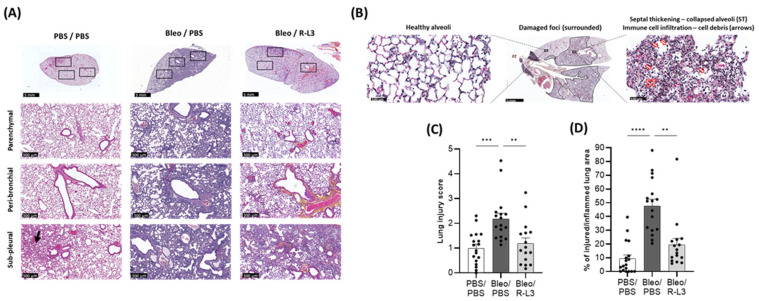 Figure 5
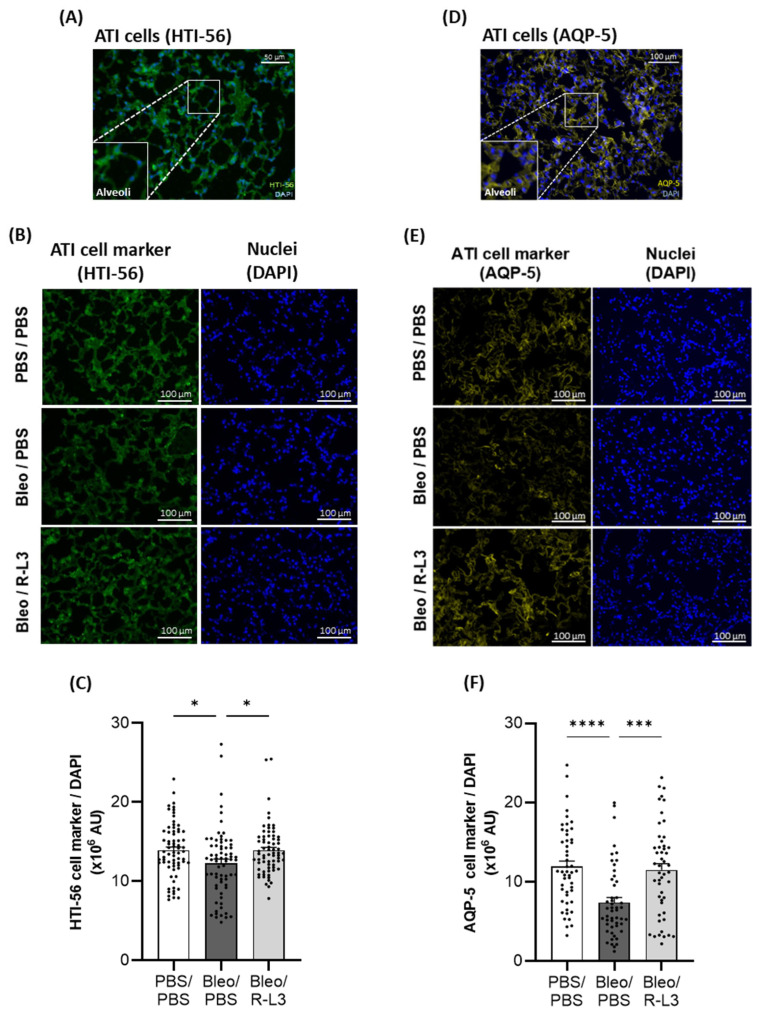 Figure 6
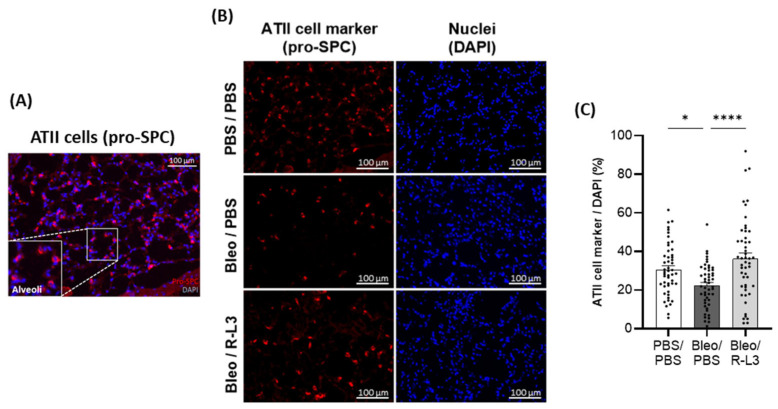 Figure 7
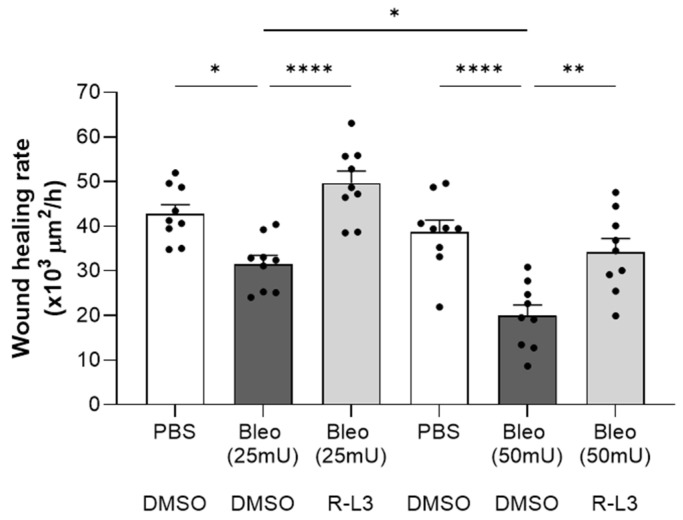 Figure 8
Peer Reviews
No public reviews on file for this paper yet. If you reviewed it on a platform where reviews are public (OpenReview, ICLR, NeurIPS, ICML), you can paste yours below so the community can read it here.
Videos
No videos yet. Explain this paper in a talk, walkthrough, or lecture? Add one.
Taxonomy
TopicsNeonatal Respiratory Health Research · Respiratory Support and Mechanisms · Ion channel regulation and function