Muscarinic Receptor Antagonism and TRPM3 Activation as Stimulators of Mitochondrial Function and Axonal Repair in Diabetic Sensorimotor Polyneuropathy
Sanjana Chauhan, Nigel A. Calcutt, Paul Fernyhough

TL;DR
This paper explores how blocking a specific brain receptor and activating a calcium channel could restore nerve function in diabetic neuropathy.
Contribution
The paper introduces M1R antagonism and TRPM3 activation as novel neuro-regenerative strategies for treating diabetic neuropathy.
Findings
Mitochondrial dysfunction and calcium imbalance are key in diabetic neuropathy.
Blocking M1R and activating TRPM3 improve mitochondrial function and axonal repair.
Pirenzepine, an M1R antagonist, is being tested clinically for neuropathy reversal.
Abstract
Diabetic sensorimotor polyneuropathy (DSPN) is the most prevalent complication of diabetes, affecting nearly half of all persons with diabetes. It is characterized by nerve degeneration, progressive sensory loss and pain, with increased risk of ulceration and amputation. Despite its high prevalence, disease-modifying treatments for DSPN do not exist. Mitochondrial dysfunction and Ca2+ dyshomeostasis are key contributors to the pathophysiology of DSPN, disrupting neuronal energy homeostasis and initiating axonal degeneration. Recent findings have demonstrated that antagonism of the muscarinic acetylcholine type 1 receptor (M1R) promotes restoration of mitochondrial function and axon repair in various neuropathies, including DSPN, chemotherapy-induced peripheral neuropathy (CIPN) and HIV-associated neuropathy. Pirenzepine, a selective M1R antagonist with a well-established safety profile,…
Genes, proteins, chemicals, diseases, species, mutations and cell lines named across the full text — each resolved to its canonical identifier and authoritative record.
Click any figure to enlarge with its caption.
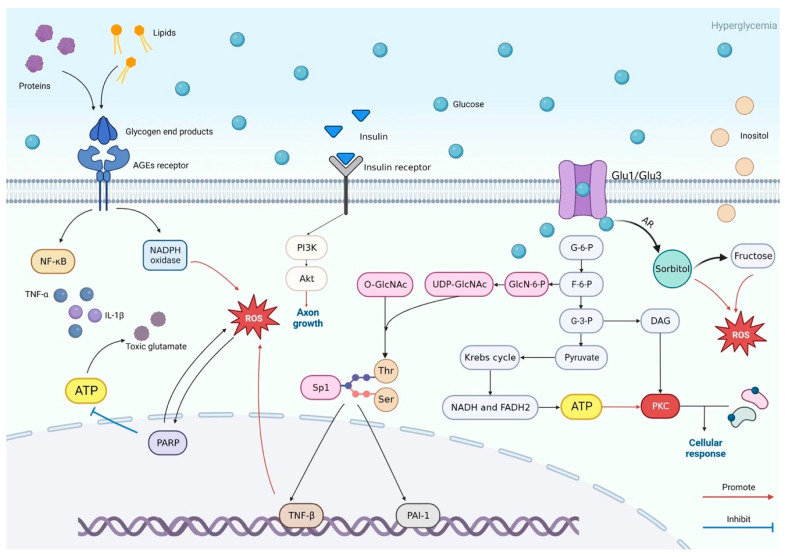 Figure 1
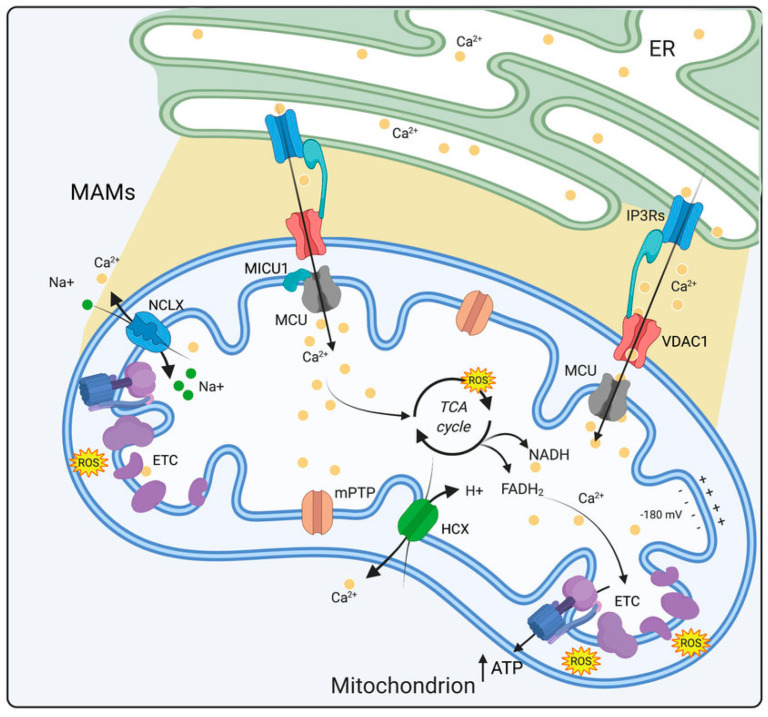 Figure 2
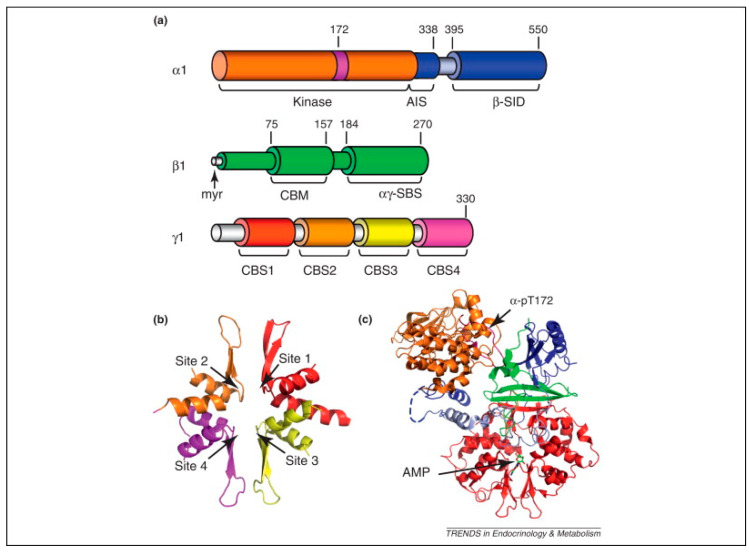 Figure 3
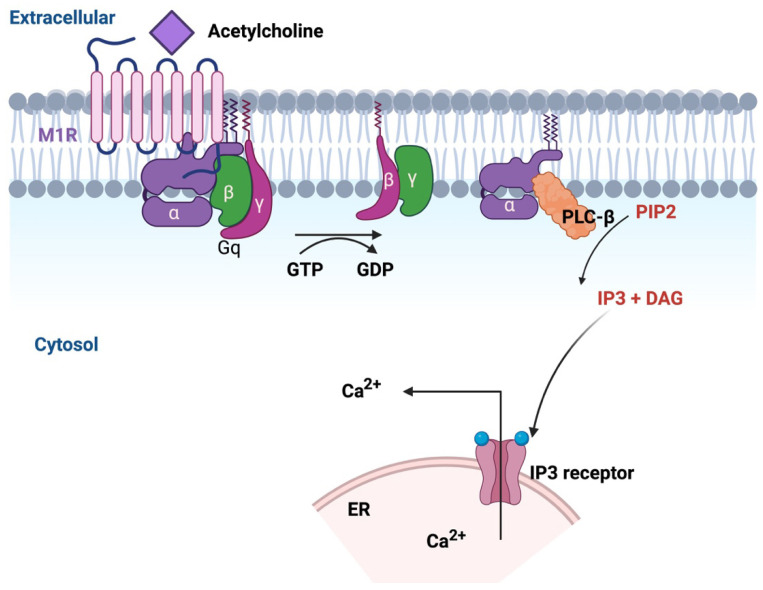 Figure 4
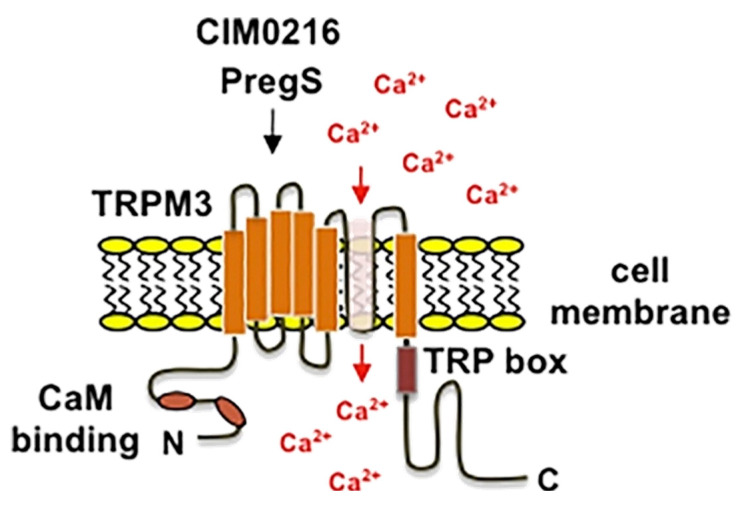 Figure 5
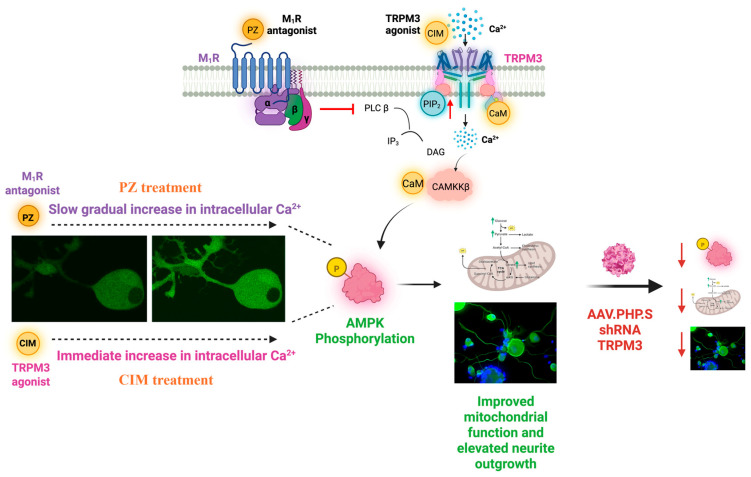 Figure 6
Peer Reviews
No public reviews on file for this paper yet. If you reviewed it on a platform where reviews are public (OpenReview, ICLR, NeurIPS, ICML), you can paste yours below so the community can read it here.
Videos
No videos yet. Explain this paper in a talk, walkthrough, or lecture? Add one.
Taxonomy
TopicsIon Channels and Receptors · Pain Mechanisms and Treatments · Ion channel regulation and function