Transvenous pacing leads implanted in epicardial position: A recipe for future epicardial pacing electrode?
Seraina Brütsch, Christian Balmer, Hitendu Dave

TL;DR
This study explores using transvenous pacing leads in an epicardial position as an alternative for patients with previous surgeries and scarring.
Contribution
The study presents a novel off-label use of transvenous leads for epicardial pacing in patients with complex cardiac histories.
Findings
Transvenous leads were successfully implanted in the epicardial position without complications in 6 patients.
Pacing and sensing parameters remained acceptable during a 23.4-month follow-up period.
One reoperation occurred due to lead dysfunction after the follow-up period.
Abstract
Finding an optimum epicardial pacing site in children needing lead replacement can be challenging. We report the midterm outcome of using transvenous SelectSecure leads in the epicardial position. Between 2018 and 2020, 6 patients (5 children and 1 adult) received 8 SelectSecure 3830 leads (“off-label”) in the epicardial position: both the left atrium and left ventricle in 2 patients, only the left ventricle in 3 patients, and the right ventricle in 1 patient. The median age at lead implantation was 14 (4-35) years. Periodic pacing threshold, sensing, and impedance measurements were analyzed. Lead implantations could be performed in all patients without complications, despite scarring from previous surgeries. The median pacing, sensing, and impedance measurements for 6 ventricular leads were 0.75 V, 6.5 mV, and 576 Ohm, respectively. The same for 2 atrial leads were 1.25 V, 2.5 mV,…
Genes, proteins, chemicals, diseases, species, mutations and cell lines named across the full text — each resolved to its canonical identifier and authoritative record.
Click any figure to enlarge with its caption.
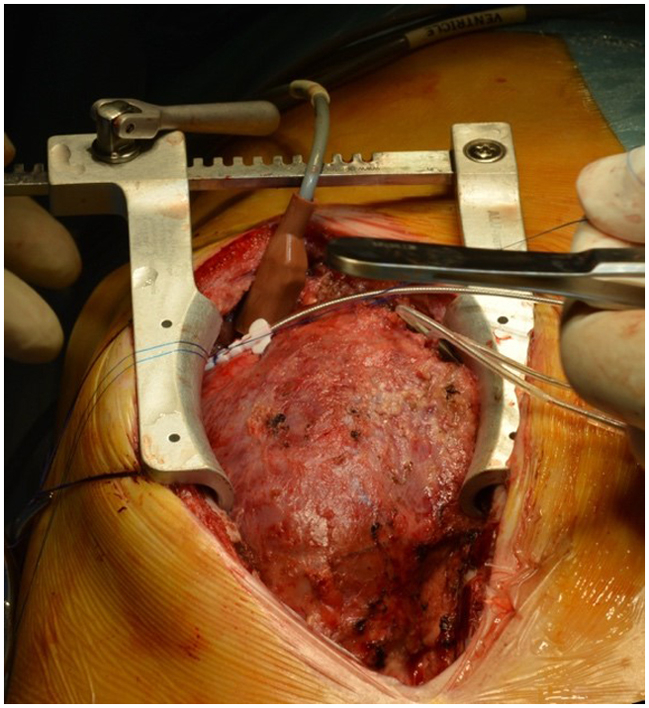 Figure 1
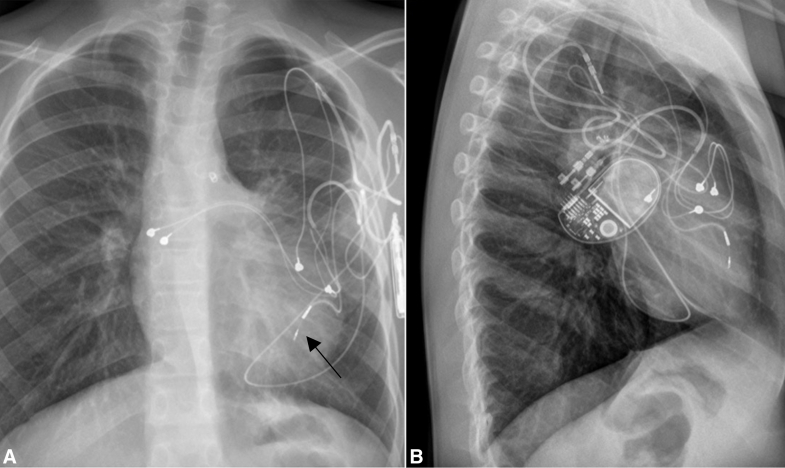 Figure 2
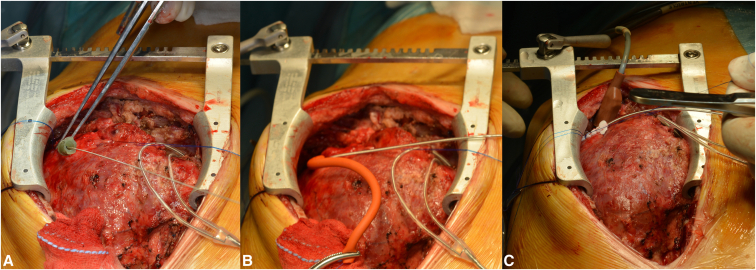 Figure 3
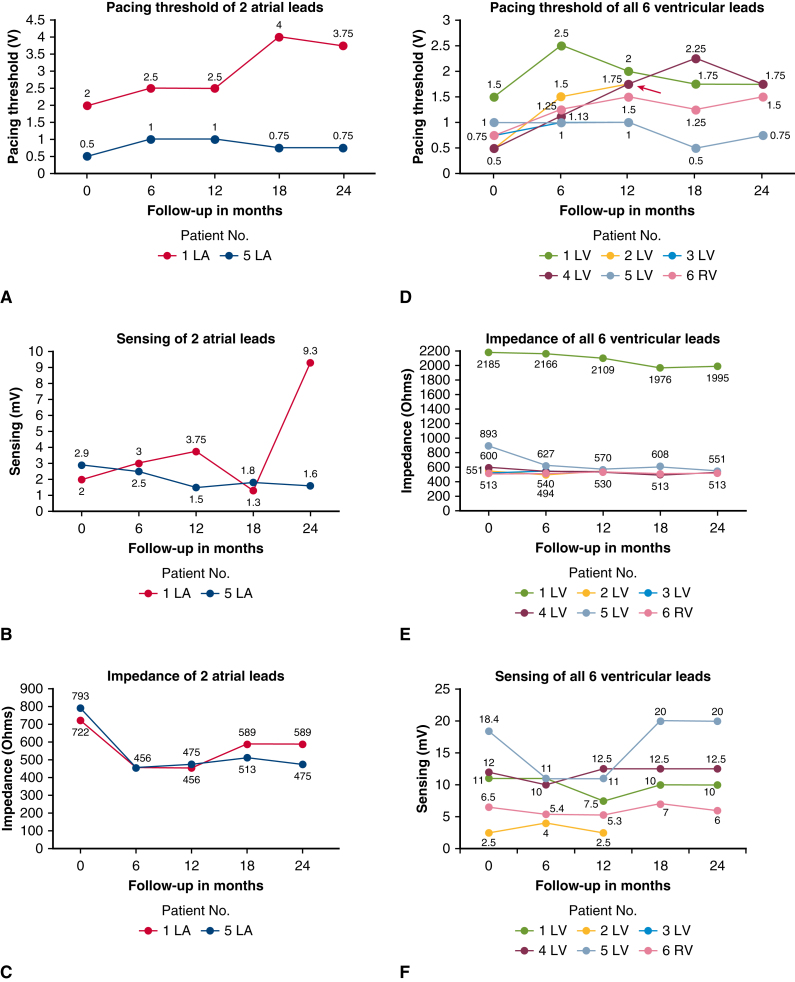 Figure 4
Peer Reviews
No public reviews on file for this paper yet. If you reviewed it on a platform where reviews are public (OpenReview, ICLR, NeurIPS, ICML), you can paste yours below so the community can read it here.
Videos
No videos yet. Explain this paper in a talk, walkthrough, or lecture? Add one.
Taxonomy
TopicsCardiac pacing and defibrillation studies · Cardiac Arrhythmias and Treatments · Neurological disorders and treatments