Durable Superhydrophobic Composite Coating Based on Hydrangea-like SiO2 Nanoparticles with Excellent Performance in Anticorrosion, Drag Reduction, and Antifouling
Yuhao Xue, Yamei Zhao, Xiaoqi Gu, Mengdan Huo, Kunde Yang, Mingyu Liu, Sixian Fan, Maoyong Zhi

TL;DR
A durable superhydrophobic coating was developed using hydrangea-like SiO2 nanoparticles, showing strong anticorrosion, drag reduction, and antifouling properties for marine and defense applications.
Contribution
A one-step cold-spraying technique was used to fabricate a durable, hierarchical superhydrophobic coating with excellent mechanical and environmental performance.
Findings
The coating achieved a water contact angle of 170.1° and retained superhydrophobicity after various durability tests.
It reduced corrosion current density by four orders of magnitude compared to bare aluminum.
The coating achieved a maximum drag-reduction rate of 31.01% in water flow tests.
Abstract
Superhydrophobic coatings possess distinct wettability characteristics and hold significant potential in metal corrosion protection and underwater drag reduction. However, their practical application is often hindered by poor durability arising from the fragility of their micro/nanostructured surface roughness. In this study, a durable superhydrophobic coating featuring a hierarchical, hydrangea-like micro/nanostructure was successfully fabricated on an aluminum alloy substrate via a simple one-step cold-spraying technique. The coating consisted of hydrangea-shaped SiO2 nanoparticles modified with 1H,1H,2H,2H-perfluorodecyltrimethoxysilane (PFDT) to produce multiscale roughness, while epoxy resin (EP) served as the binding matrix to enhance mechanical integrity. The hydrangea-like SiO2 nanostructures were characterized by solid cores and wrinkled, petal-like outgrowths. This unique…
Genes, proteins, chemicals, diseases, species, mutations and cell lines named across the full text — each resolved to its canonical identifier and authoritative record.
Click any figure to enlarge with its caption.
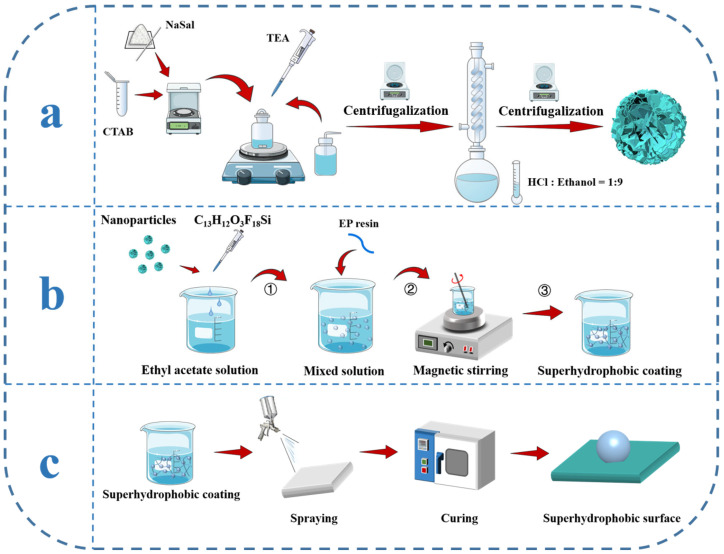 Figure 1
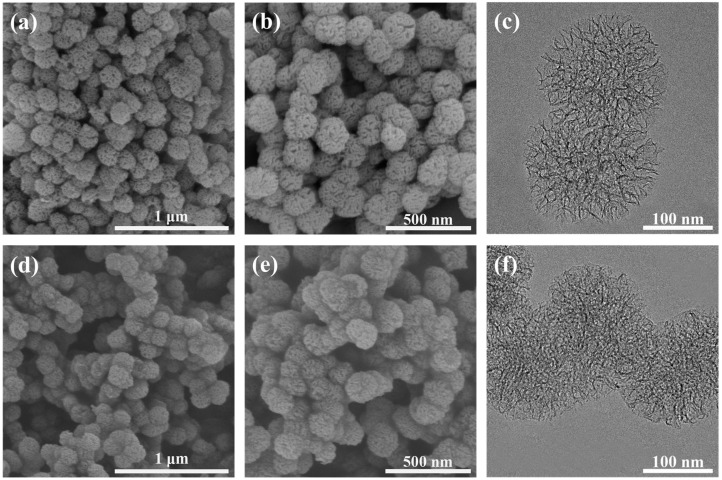 Figure 2
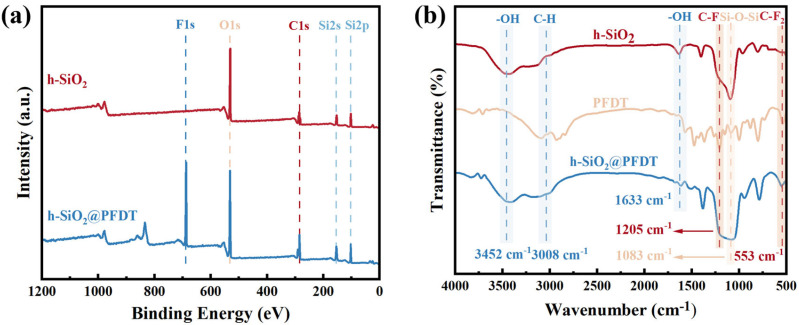 Figure 3
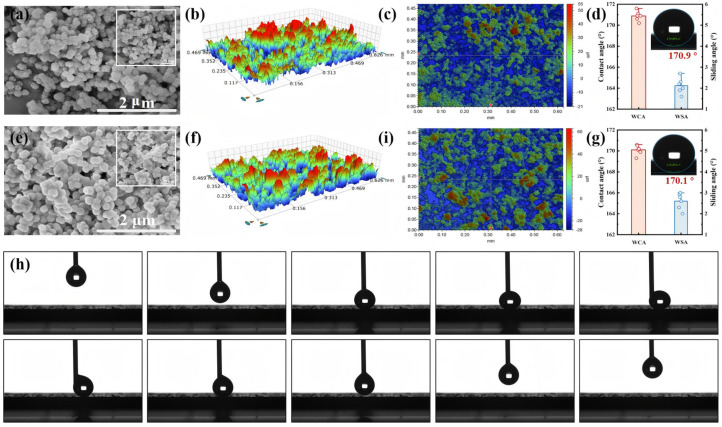 Figure 4
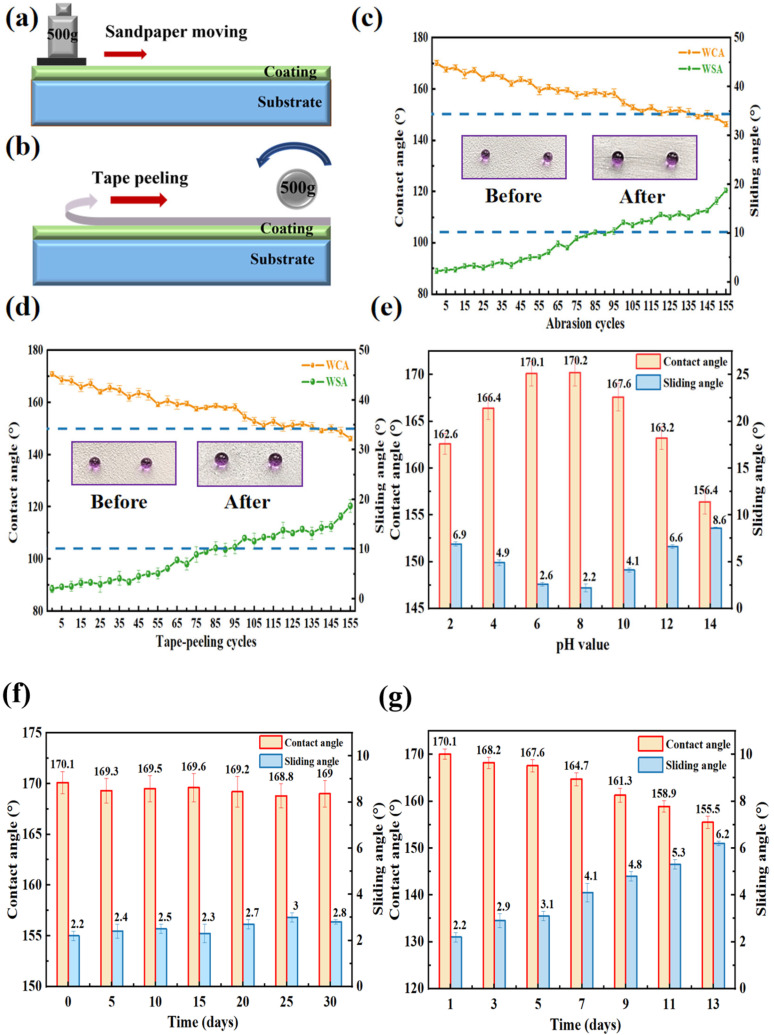 Figure 5
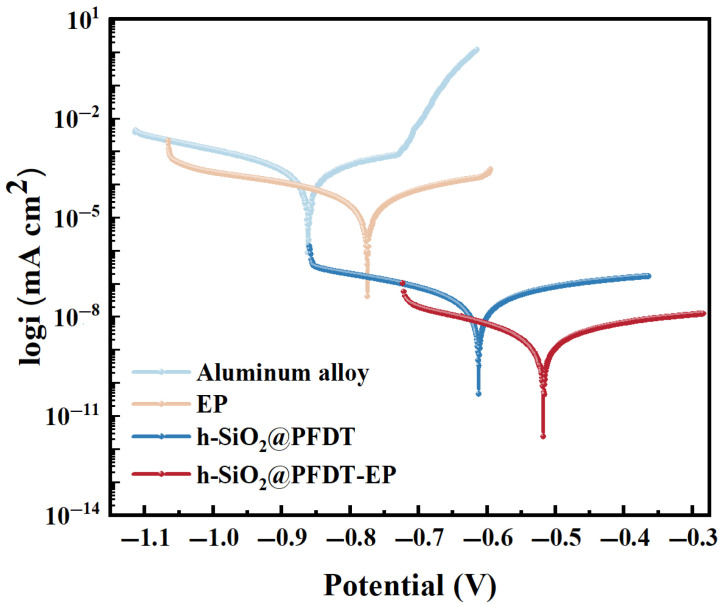 Figure 6
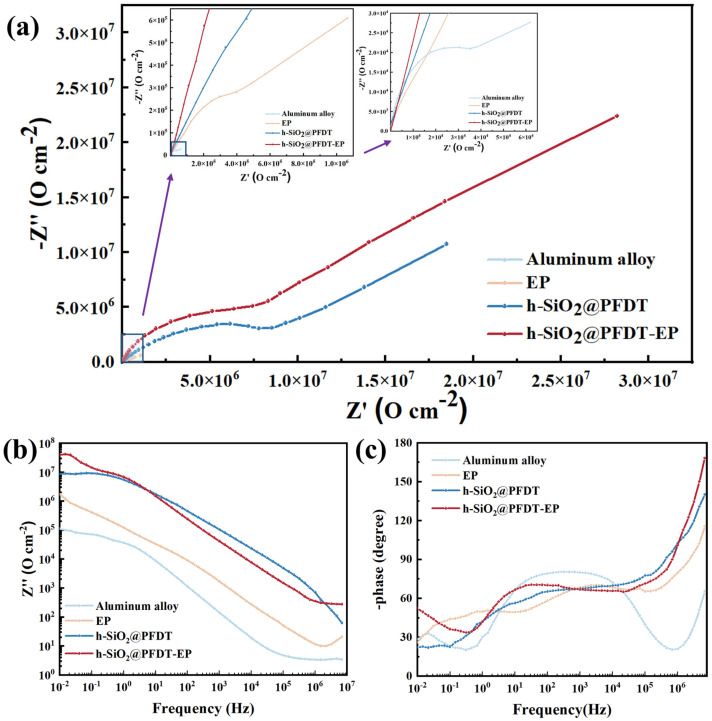 Figure 7
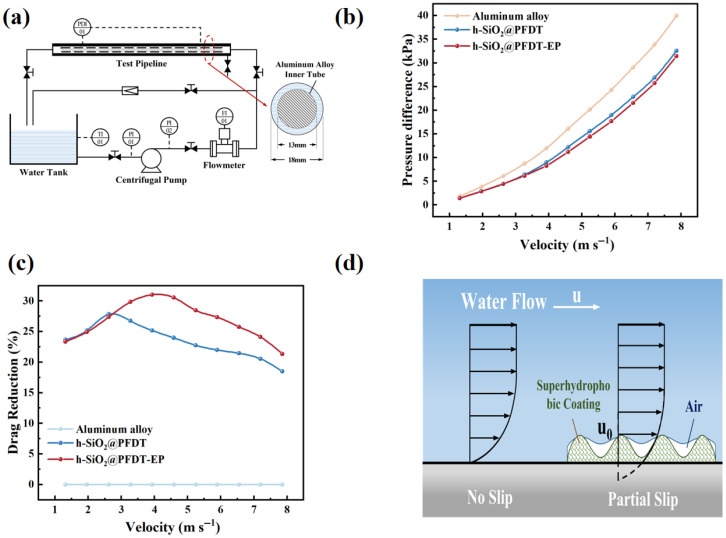 Figure 8
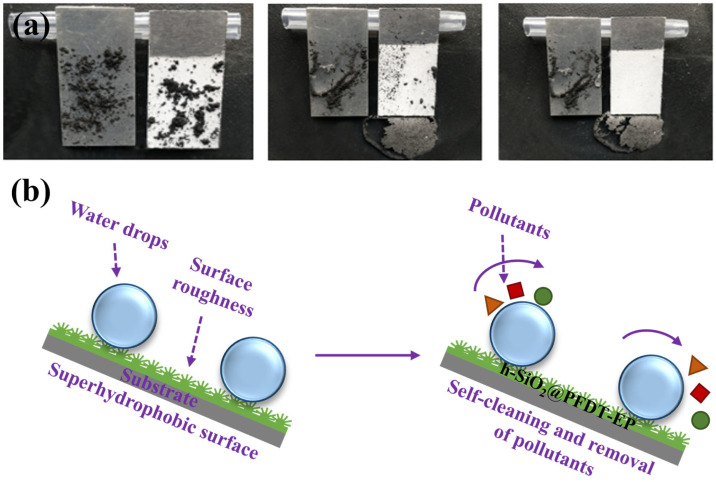 Figure 9
Peer Reviews
No public reviews on file for this paper yet. If you reviewed it on a platform where reviews are public (OpenReview, ICLR, NeurIPS, ICML), you can paste yours below so the community can read it here.
Videos
No videos yet. Explain this paper in a talk, walkthrough, or lecture? Add one.
Taxonomy
TopicsSurface Modification and Superhydrophobicity · Advanced Sensor and Energy Harvesting Materials · High voltage insulation and dielectric phenomena