Effect of Amino Trimethylene Phosphonic Acid and Tartaric Acid on Compressive Strength and Water Resistance of Magnesium Oxysulfate Cement
Yutong Zhou, Zheng Zhou, Lvchao Qiu, Kuangda Lu, Dongmei Xu, Shiyuan Zhang, Shixuan Zhang, Shouwei Jian, Hongbo Tan

TL;DR
This study shows how amino trimethylene phosphonic acid and tartaric acid improve the strength and water resistance of a specific type of cement.
Contribution
The paper introduces a comparative analysis of two organic acids' effects on magnesium oxysulfate cement, highlighting the role of anion chelation in performance enhancement.
Findings
ATMP significantly increased compressive strength and water resistance more than tartaric acid at the same dosage.
Both acids inhibited Mg(OH)2 formation and promoted the development of the 517 phase in the cement system.
Hydration heat and pH measurements confirmed the dual-phase effect of the acids on cement hydration.
Abstract
Organic acids could act as retarders in magnesium oxysulfide (MOS) systems, not only delaying setting and improving fluidity but also enhancing compressive strength and water resistance. These effects are generally attributed to both the presence of H+ ions and anion chelation. However, the enhancement efficiency of different organic acids in MOS systems varies significantly due to differences in their molecular structures. To determine the underlying mechanism, this study comparatively investigated the effects of amino trimethylene phosphonic acid (ATMP) and tartaric acid (TA) on the setting time, fluidity, compressive strength, and water resistance of the MOS system, with the two additives incorporated at mole ratios to MgO ranging from 0.002 to 0.006. The mechanism behind it was revealed by discussion on the hydration heat, hydrates, and pH value. Results showed that both ATMP and TA…
Genes, proteins, chemicals, diseases, species, mutations and cell lines named across the full text — each resolved to its canonical identifier and authoritative record.
Click any figure to enlarge with its caption.
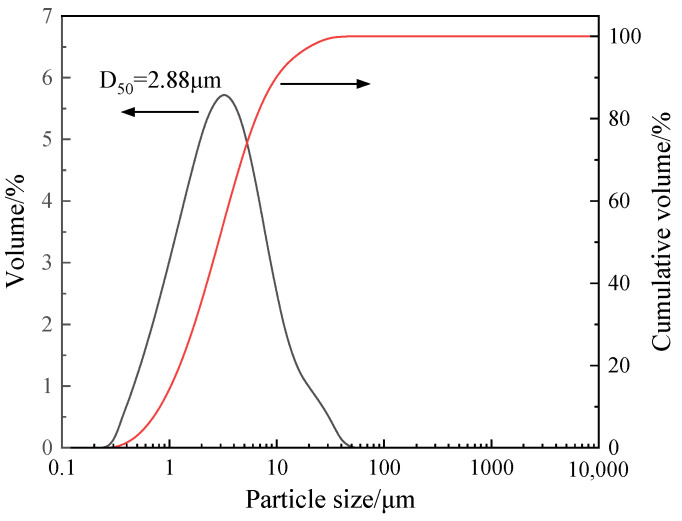 Figure 1
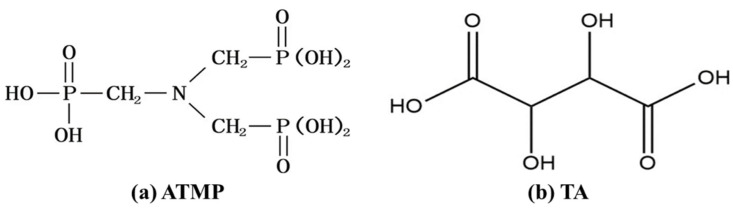 Figure 2
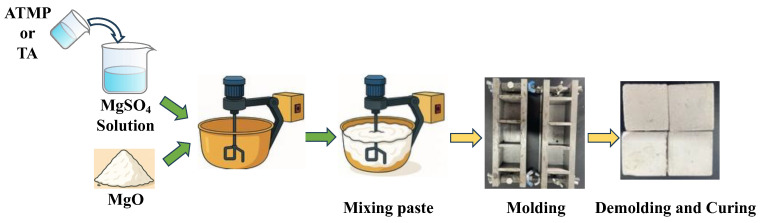 Figure 3
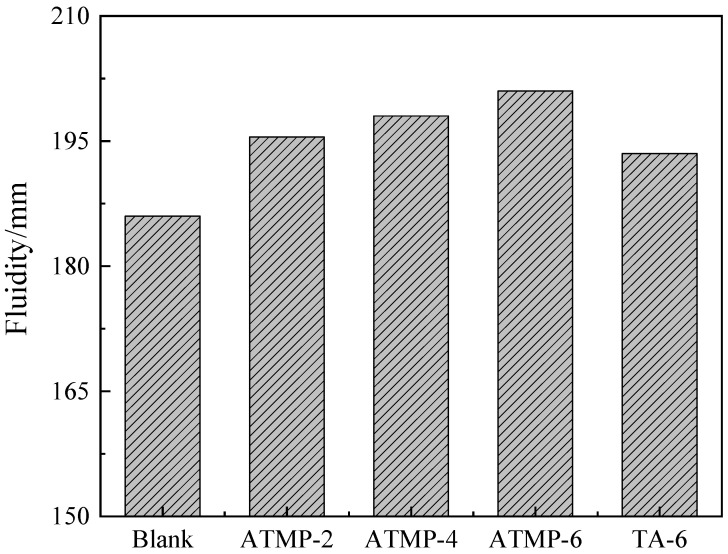 Figure 4
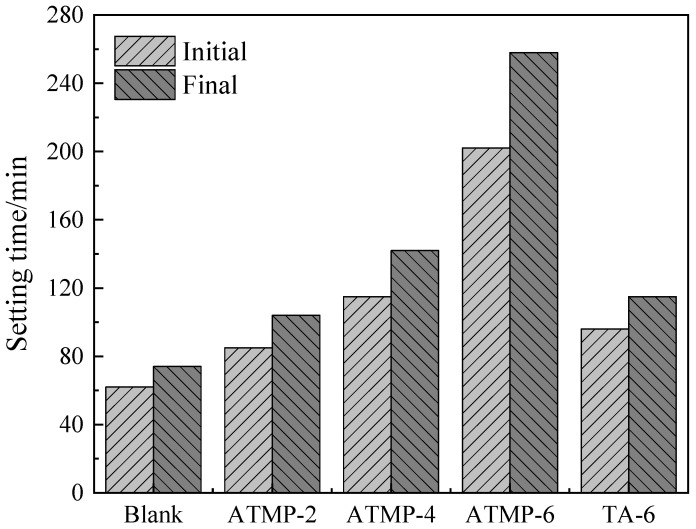 Figure 5
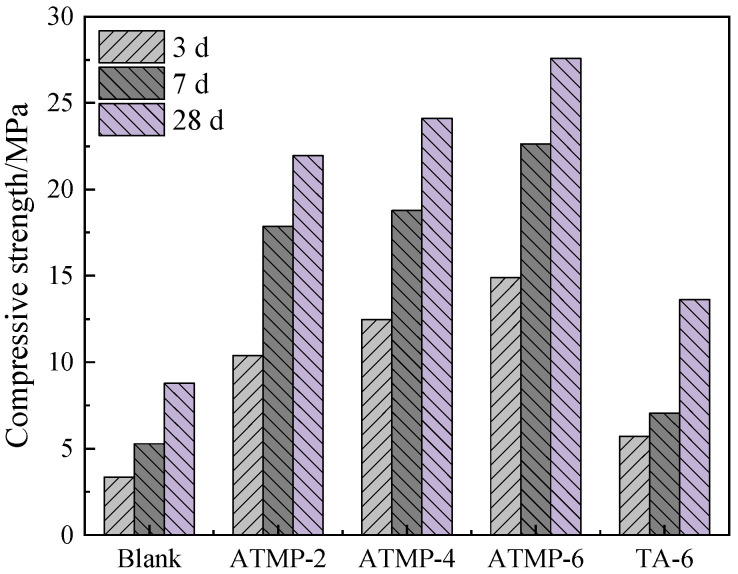 Figure 6
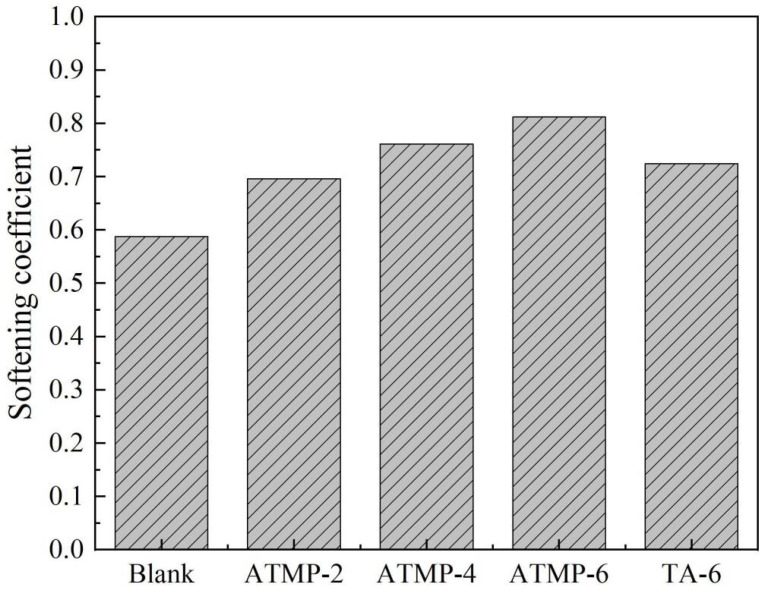 Figure 7
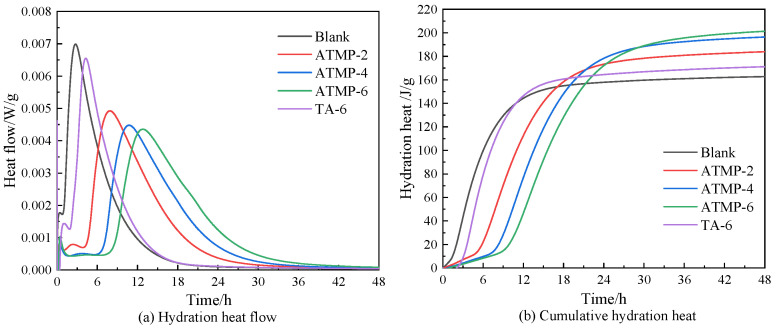 Figure 8
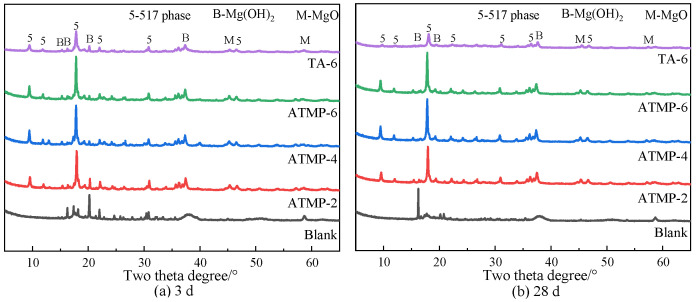 Figure 9
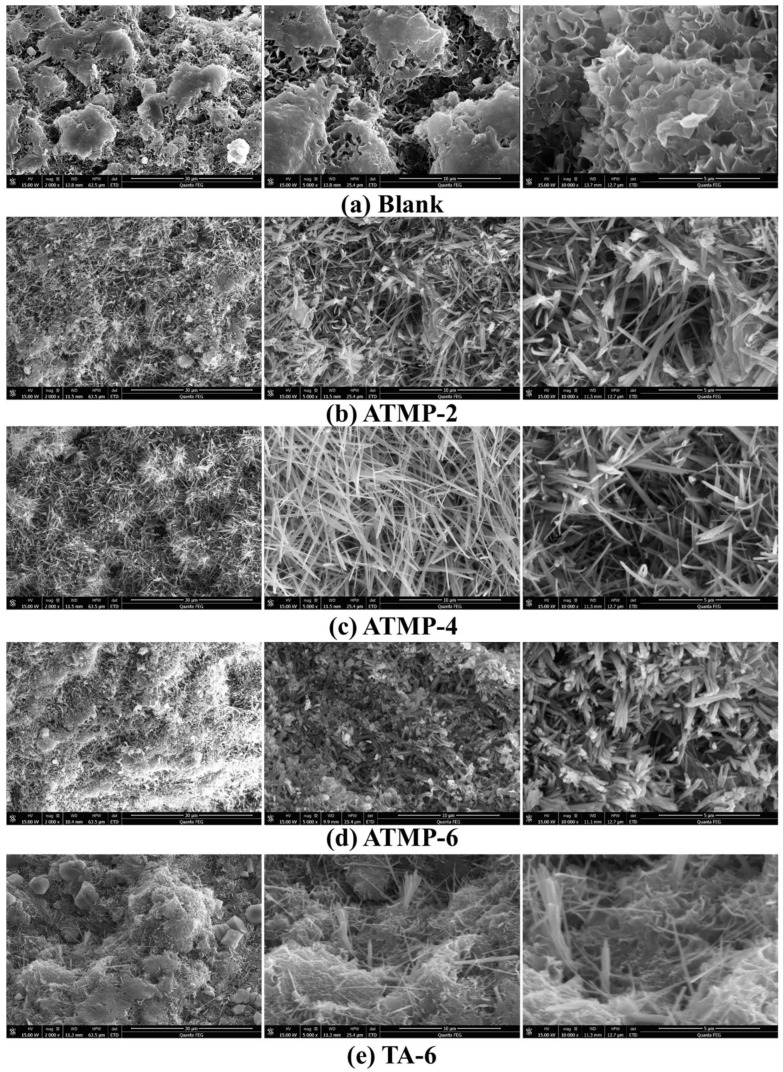 Figure 10
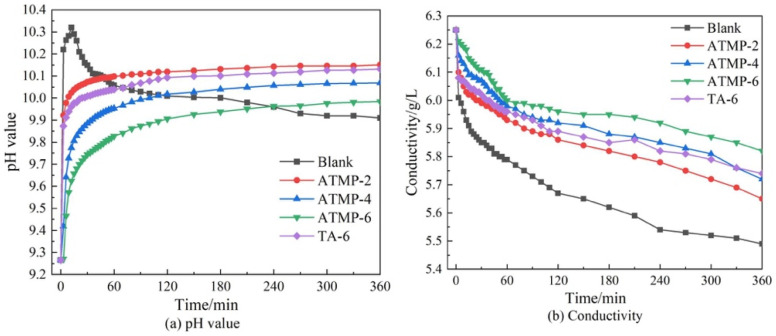 Figure 11
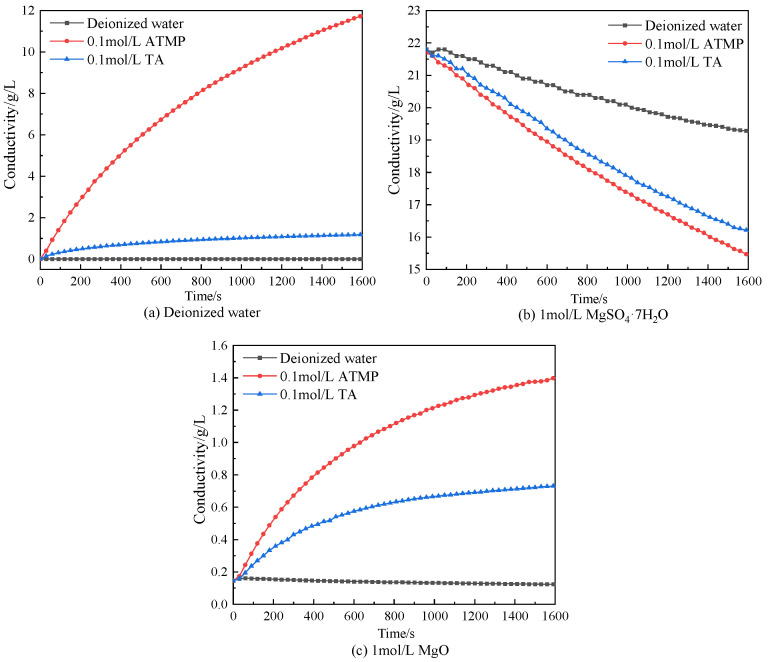 Figure 12
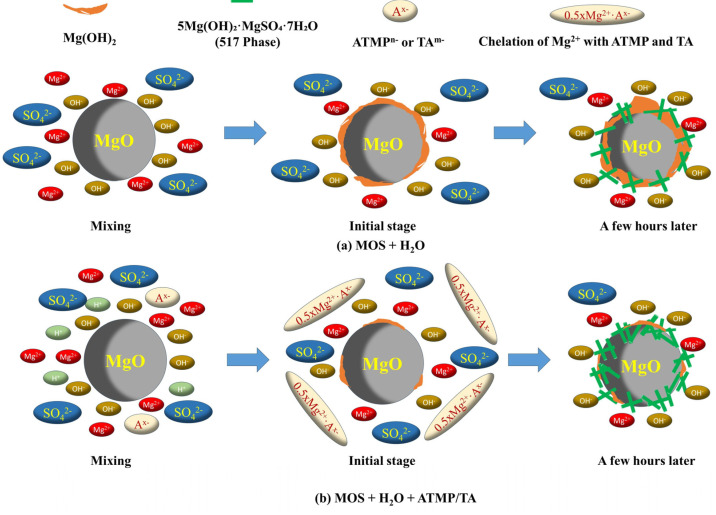 Figure 13
Peer Reviews
No public reviews on file for this paper yet. If you reviewed it on a platform where reviews are public (OpenReview, ICLR, NeurIPS, ICML), you can paste yours below so the community can read it here.
Videos
No videos yet. Explain this paper in a talk, walkthrough, or lecture? Add one.
Taxonomy
TopicsMagnesium Oxide Properties and Applications · Concrete and Cement Materials Research · Layered Double Hydroxides Synthesis and Applications