Impact of High Energy Milling and Mineral Additives on a Carbonate–Quartz–Apatite System for Ecological Applications
Vilma Petkova, Katerina Mihaylova, Ekaterina Serafimova, Rositsa Titorenkova, Liliya Tsvetanova, Andres Trikkel

TL;DR
This study explores how high-energy milling affects the structure of minerals in Estonian phosphorites, offering an eco-friendly alternative to traditional acid methods.
Contribution
The study introduces high-energy milling as an ecological method to enhance the reactivity and solubility of phosphorite minerals.
Findings
High-energy milling leads to anionic isomorphism and formation of carbonate-apatites and hydroxyl-fluorapatite.
Solid-phase synthesis of calcium orthophosphate and dicalcium diphosphate occurs after milling.
Milling increases chemical reactivity and solubility of the mineral samples by about three times.
Abstract
In this study, high-energy milled (HEM) samples of natural phosphorites from Estonian deposits were investigated. The activation was performed via planetary mill with Cr-Ni grinders with a diameter of 20 mm. This method is an ecological alternative, since it eliminates the disadvantages of conventional acid methods, namely the release of gaseous and solid technogenic products. The aim of the study is to determine the changes in the structure to follow the solid-state transitions and the isomorphic substitutions in the anionic sub-lattice in the structure of the main mineral apatite in the samples from Estonia, under the influence of HEM activation. It is also interesting to investigate the influence of HEM on structural-phase transformations on the structure of impurity minerals-free calcite/dolomite, pyrite, quartz, as well as to assess their influence on the thermal behavior of the…
Genes, proteins, chemicals, diseases, species, mutations and cell lines named across the full text — each resolved to its canonical identifier and authoritative record.
Click any figure to enlarge with its caption.
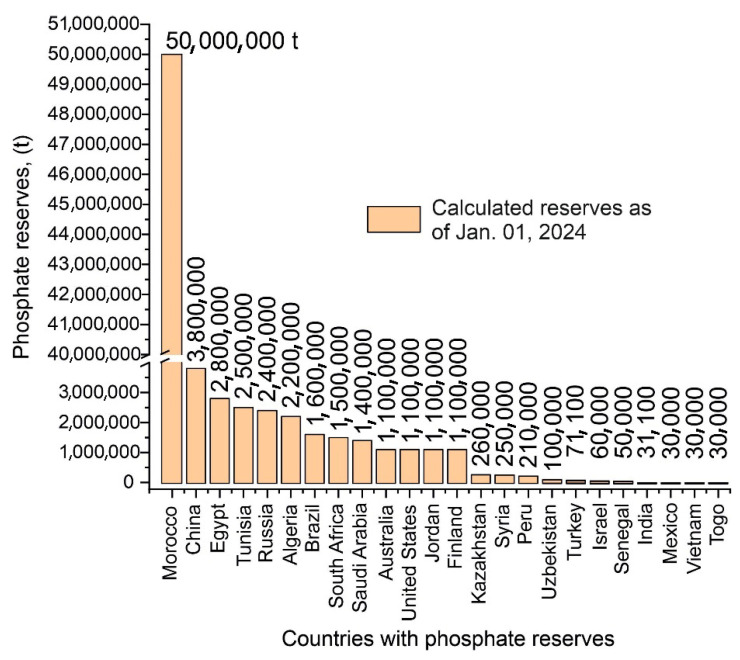 Figure 1
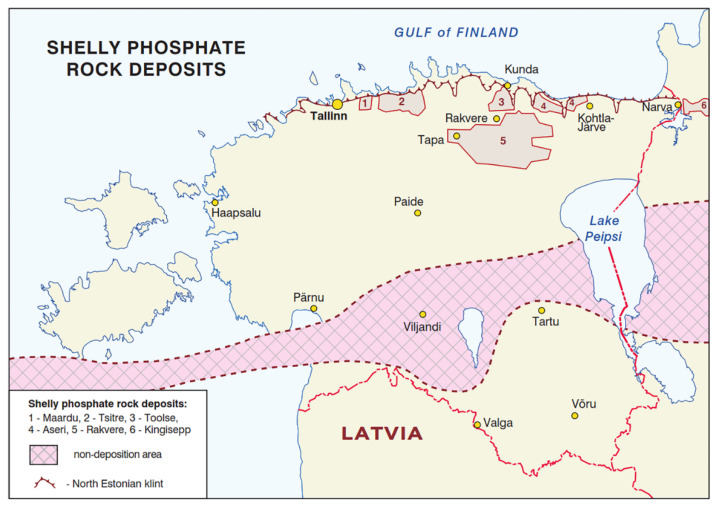 Figure 2
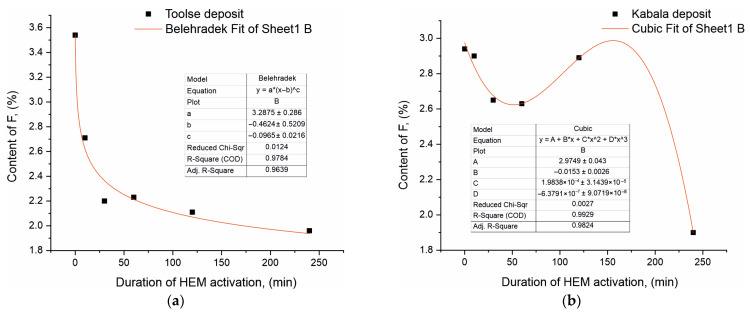 Figure 3
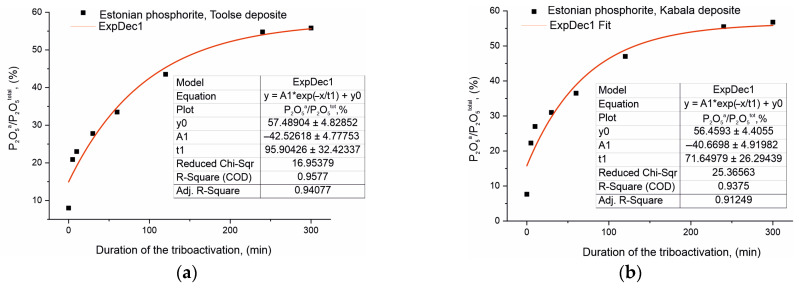 Figure 4
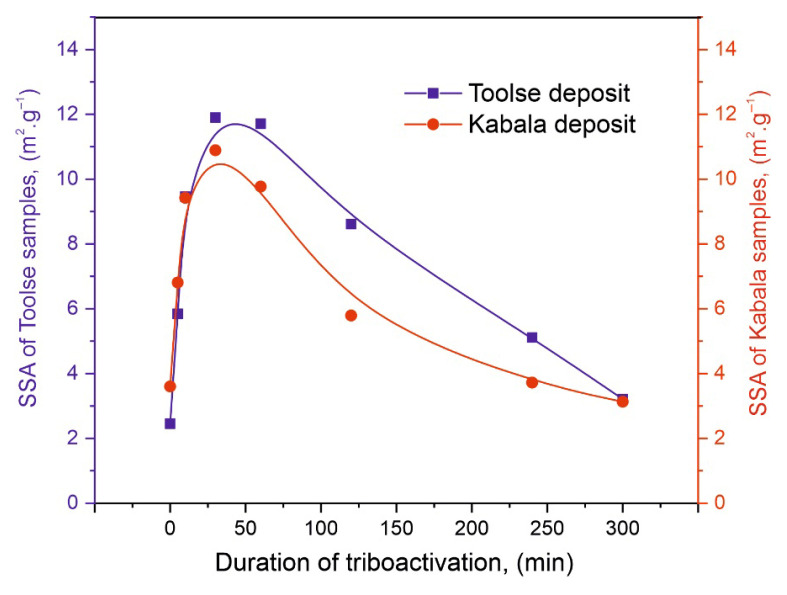 Figure 5
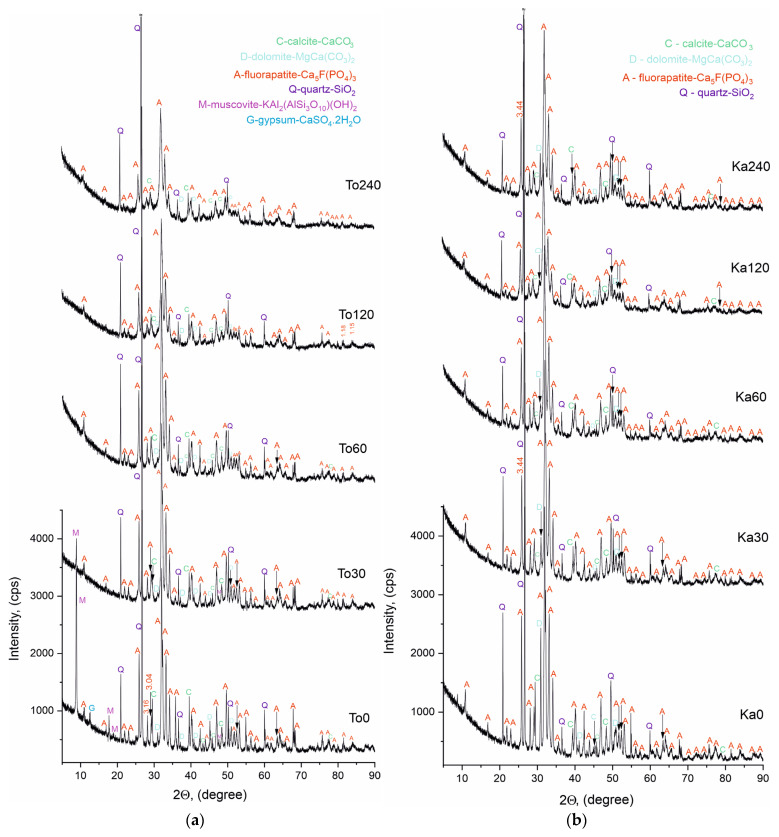 Figure 6
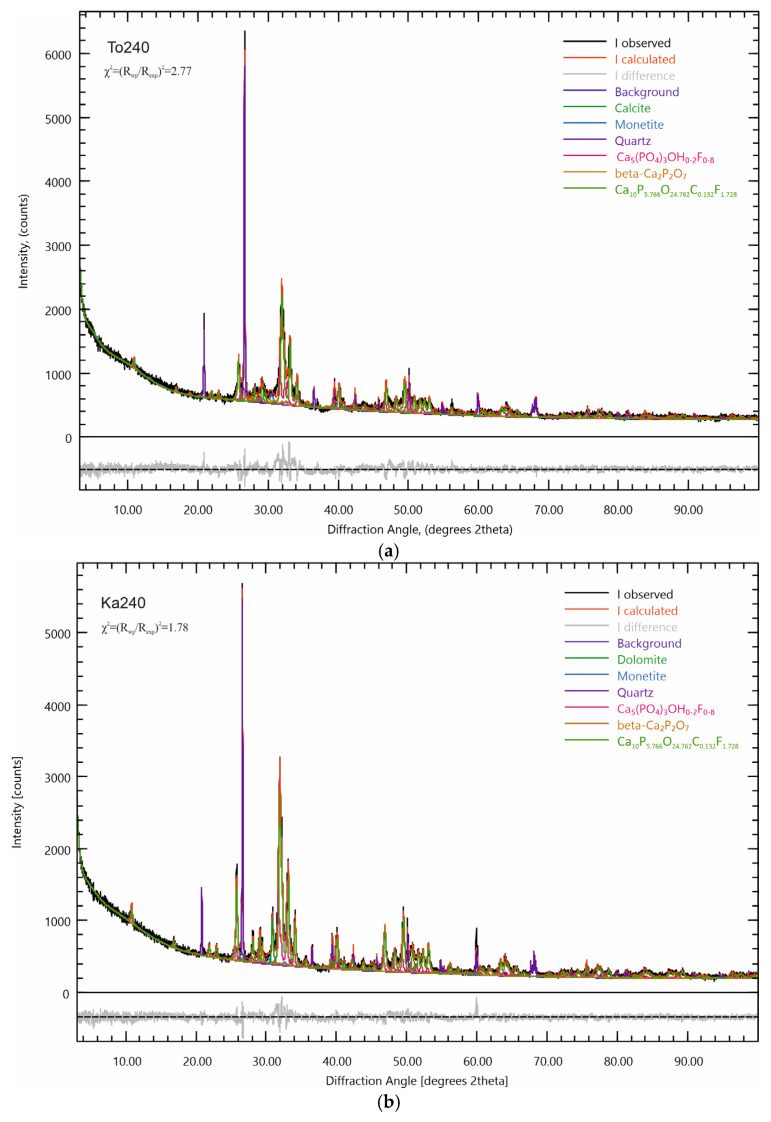 Figure 7
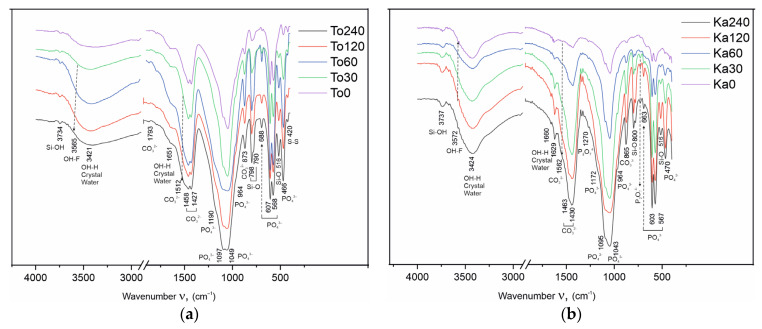 Figure 8
Peer Reviews
No public reviews on file for this paper yet. If you reviewed it on a platform where reviews are public (OpenReview, ICLR, NeurIPS, ICML), you can paste yours below so the community can read it here.
Videos
No videos yet. Explain this paper in a talk, walkthrough, or lecture? Add one.
Taxonomy
TopicsBone Tissue Engineering Materials · Recycling and utilization of industrial and municipal waste in materials production · Geological and Geochemical Analysis