Transcriptomic Reprogramming and Key Molecular Pathways Underlying Huanglongbing Tolerance and Susceptibility in Six Citrus Cultivars
Xiaohong Chen, Fang Fang, Tingting Chen, Jinghua Wu, Zheng Zheng, Xiaoling Deng

TL;DR
This study explores how six citrus cultivars respond to Huanglongbing disease at the molecular level, identifying key genes and pathways that contribute to tolerance or susceptibility.
Contribution
The study reveals genotype-specific molecular mechanisms underlying HLB tolerance and susceptibility in citrus cultivars.
Findings
Tolerant cultivars showed fewer differentially expressed genes and targeted defense activation compared to susceptible ones.
β-amylase 3 (BAM3) was uniquely upregulated in tolerant varieties, potentially reducing starch accumulation.
Tolerant cultivars activated pattern-triggered immunity (PTI) and suppressed ROS-associated genes, while susceptible cultivars showed ethylene signaling and oxidative stress.
Abstract
Huanglongbing (HLB), caused by Candidatus Liberibacter asiaticus (CLas), is the most devastating disease threatening global citrus production. Although no commercial citrus varieties exhibit complete HLB resistance, genotype-specific tolerance variations remain underexplored. This study conducted a comparative transcriptomic profiling of six commercially citrus cultivars in South China, four susceptible cultivars (C. reticulata cv. Tankan, Gongkan, Shatangju, and C. sinensis Osbeck cv. Newhall), and two tolerant cultivars (C. limon cv. Eureka; C. maxima cv Guanxi Yu) to dissect molecular mechanisms underlying HLB responses. Comparative transcriptomic analyses revealed extensive transcriptional reprogramming, with tolerant cultivars exhibiting fewer differentially expressed genes (DEGs) and targeted defense activation compared to susceptible genotypes. The key findings highlighted the…
Genes, proteins, chemicals, diseases, species, mutations and cell lines named across the full text — each resolved to its canonical identifier and authoritative record.
Click any figure to enlarge with its caption.
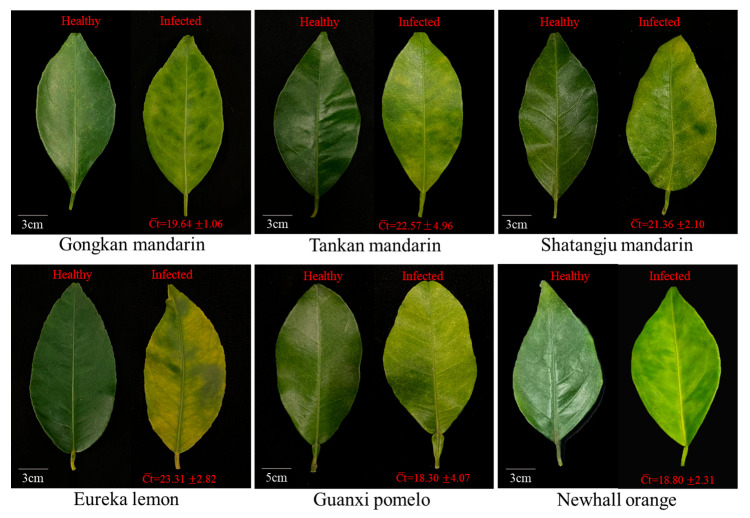 Figure 1
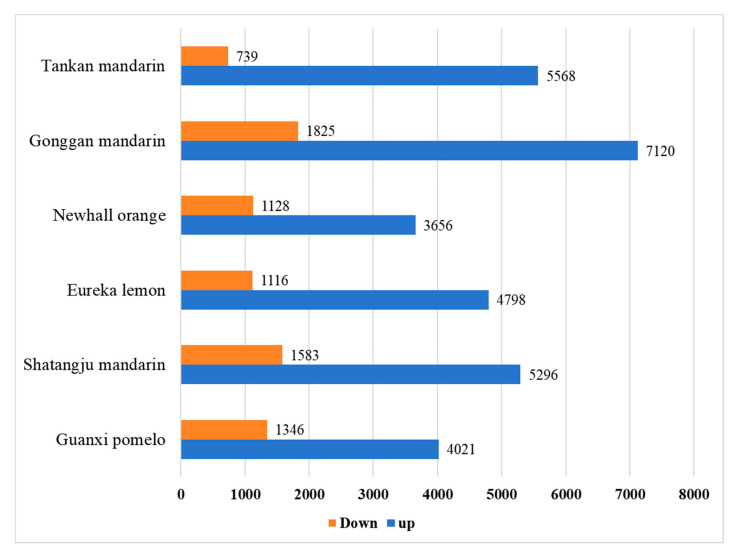 Figure 2
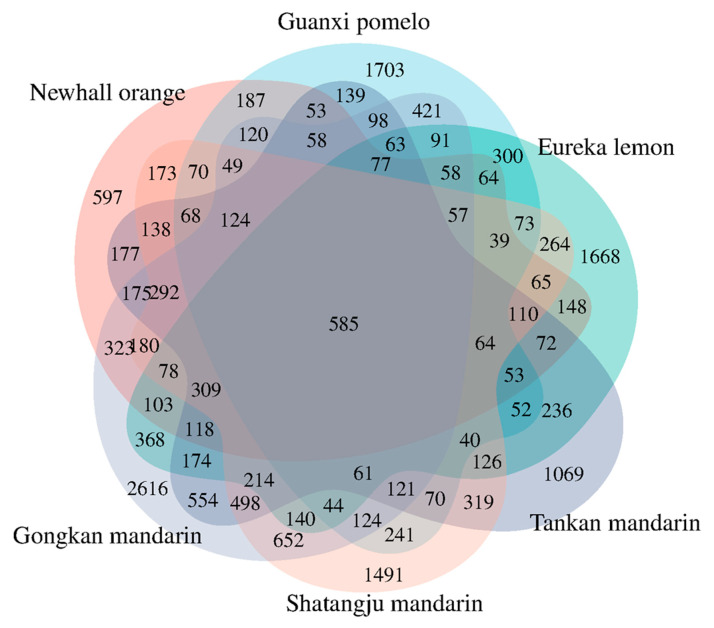 Figure 3
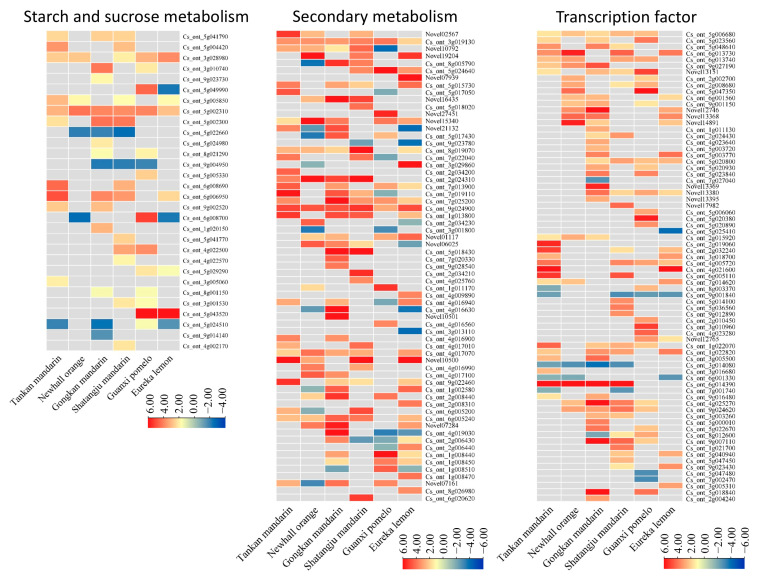 Figure 4
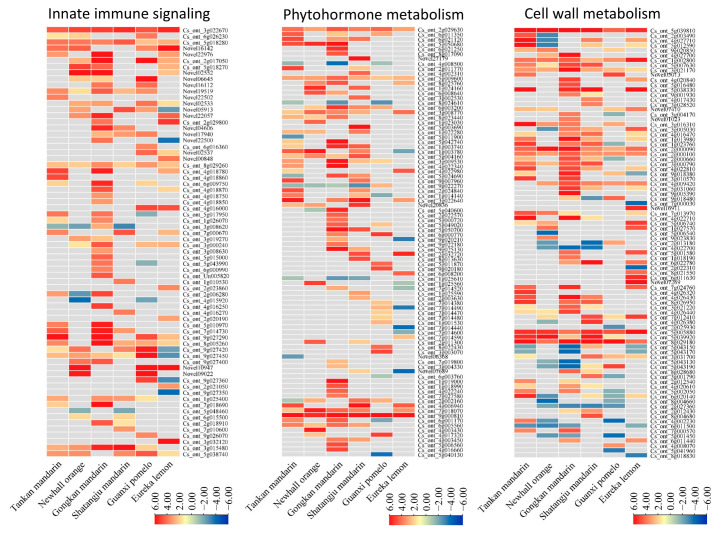 Figure 5
Peer Reviews
No public reviews on file for this paper yet. If you reviewed it on a platform where reviews are public (OpenReview, ICLR, NeurIPS, ICML), you can paste yours below so the community can read it here.
Videos
No videos yet. Explain this paper in a talk, walkthrough, or lecture? Add one.
Taxonomy
TopicsCocoa and Sweet Potato Agronomy · Plant-Microbe Interactions and Immunity · Phytoplasmas and Hemiptera pathogens