Elastic–Plastic Analysis of Asperity Based on Wave Function
Zijian Xu, Min Zhu, Wenjuan Wang, Ming Guo, Shengao Wang, Xiaohan Lu, Ziwei Li

TL;DR
This paper introduces a new model for analyzing asperity contact using an improved wave function, offering better predictions of mechanical behavior in rough surfaces.
Contribution
The novel model uses a cosine-based wave function and hyperbolic tangent correction to improve accuracy in elastic-plastic contact analysis.
Findings
Contact pressure in the elastic phase was 22% higher than spherical shape models.
Plastic strain in the elastoplastic phase was 52% lower than spherical shape models.
The model reduced contact area error by 20% in the fully plastic phase.
Abstract
This paper proposes an improved wave function asperity elastic–plastic model. A cosine function that could better fit the geometric morphology was selected to construct the asperity, the elastic phase was controlled by the Hertz contact theory, the elastoplastic transition phase was corrected by the hyperbolic tangent function, and the fully plastic phase was improved by the projected area theory. The model broke through the limitations of the spherical assumption and was able to capture the stress concentration and plastic flow phenomena. The results show that the contact pressure in the elastic phase was 22% higher than that of the spherical shape, the plastic strain in the elastoplastic phase was 52% lower than that of the spherical shape, and the fully plastic phase reduced the contact area error by 20%. The improved hyperbolic tangent function eliminated the unphysical oscillation…
Genes, proteins, chemicals, diseases, species, mutations and cell lines named across the full text — each resolved to its canonical identifier and authoritative record.
Click any figure to enlarge with its caption.
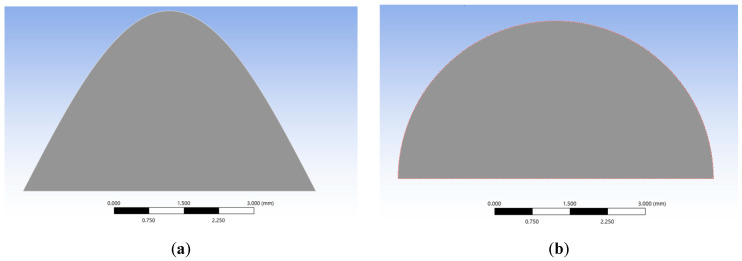 Figure 1
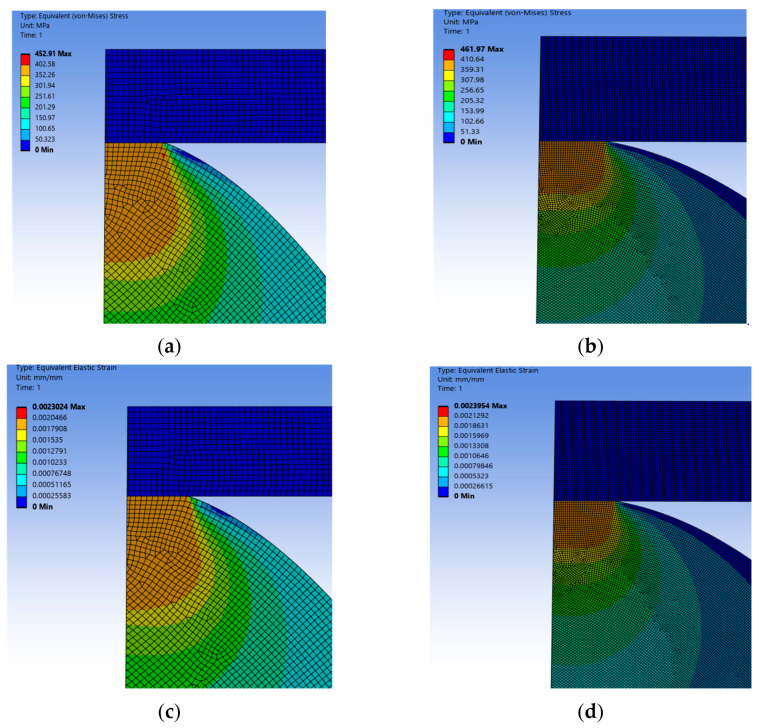 Figure 2
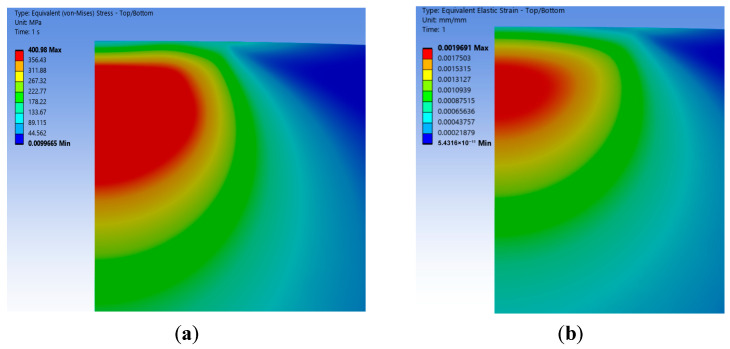 Figure 3
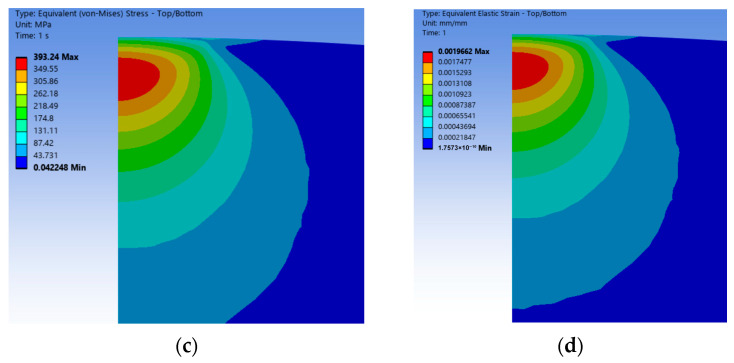 Figure 4
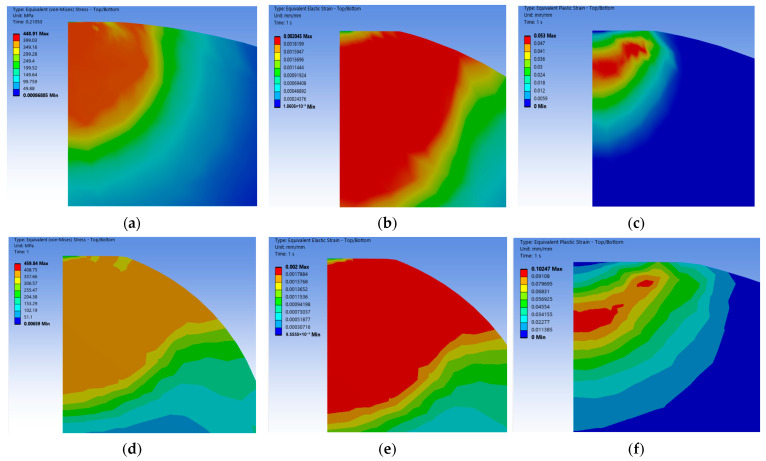 Figure 5
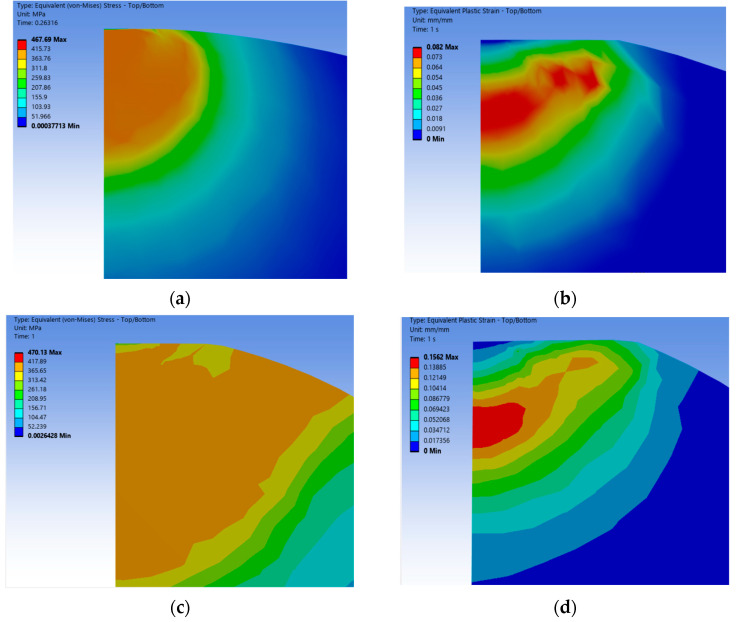 Figure 6
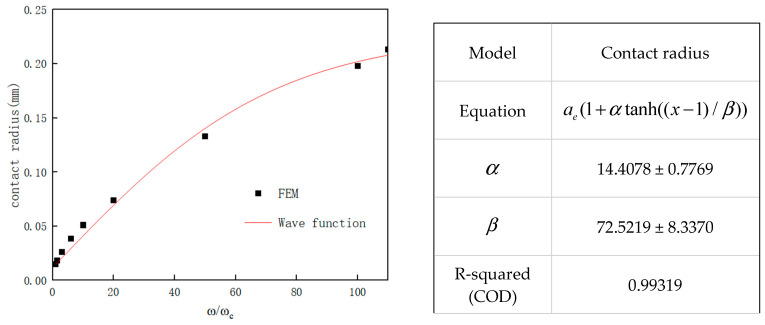 Figure 7
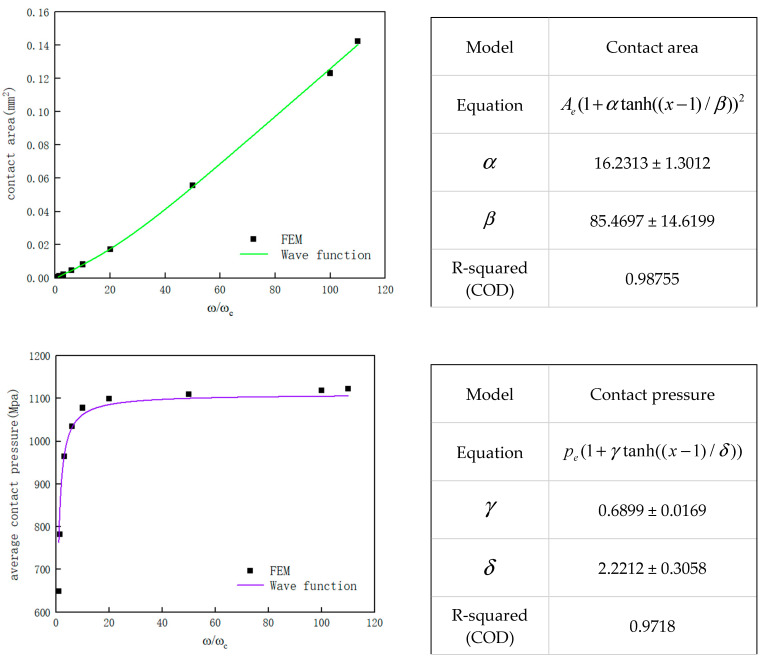 Figure 8
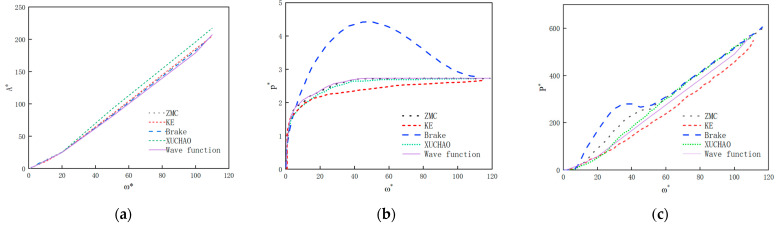 Figure 9
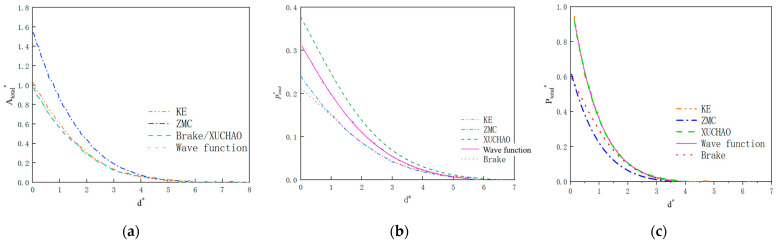 Figure 10
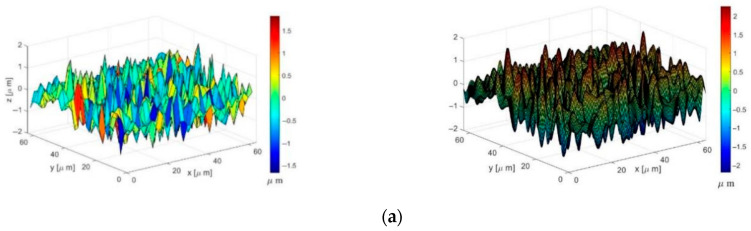 Figure 11
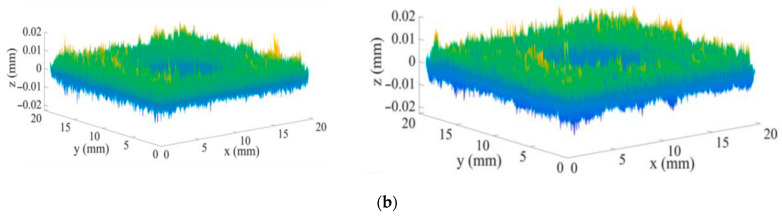 Figure 12
Peer Reviews
No public reviews on file for this paper yet. If you reviewed it on a platform where reviews are public (OpenReview, ICLR, NeurIPS, ICML), you can paste yours below so the community can read it here.
Videos
No videos yet. Explain this paper in a talk, walkthrough, or lecture? Add one.
Taxonomy
TopicsAdhesion, Friction, and Surface Interactions · Mechanical stress and fatigue analysis · Tribology and Lubrication Engineering