Reviewing Evidence for the Impact of Lion Farming in South Africa on African Wild Lion Populations
Jennah Green, Angie Elwin, Catherine Jakins, Stephanie-Emmy Klarmann, Louise de Waal, Madeleine Pinkess, Neil D’Cruze

TL;DR
This study reviews whether farming lions in South Africa helps protect wild lion populations, finding that it may actually increase demand and threaten wild lions.
Contribution
The study provides a systematic review of commercial captive lion breeding's impact on wild lion conservation in South Africa.
Findings
There is insufficient data to evaluate conservation benefits of commercial captive lion breeding.
CLB may increase demand for lions and their body parts, threatening wild populations.
The study suggests CLB may not be a sustainable solution to reduce pressure on wild lions.
Abstract
We conducted a systematic review to assess whether commercial captive lion breeding (CLB) in South Africa reduces the pressure on wild lion populations. This study reviewed the literature published between 2008 and 2023. Research unrelated to commercial breeding in South Africa was excluded, and used Google Scholar, Web of Science, and Scopus databases, along with additional sources through a snowball approach. From 126 peer-reviewed articles and 37 grey literature sources, we found insufficient data to effectively evaluate the conservation benefits of CLB. However, some studies have raised concerns that CLB may increase the demand for lions and their body parts, potentially threatening wild populations. Our review suggests that the purported beneficial impact of CLB practices on wild lion populations requires caution and may not offer a sustainable supply side solution that meets…
Genes, proteins, chemicals, diseases, species, mutations and cell lines named across the full text — each resolved to its canonical identifier and authoritative record.
Click any figure to enlarge with its caption.
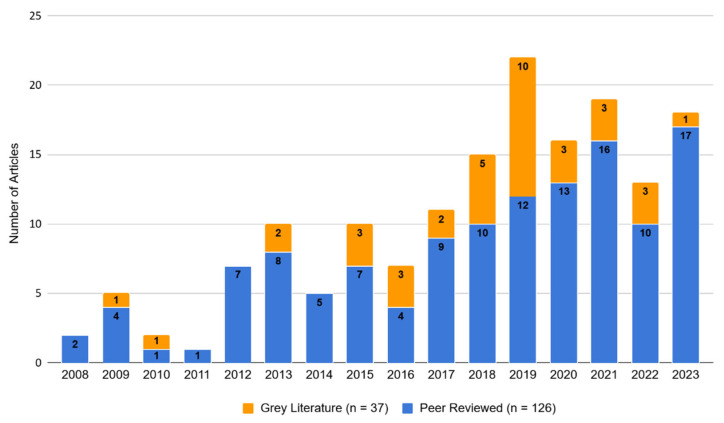 Figure 1
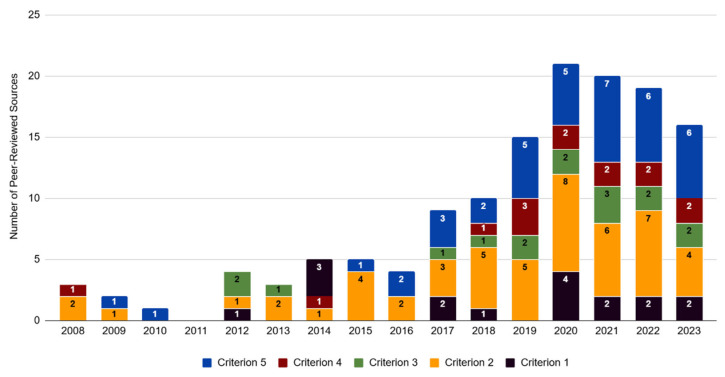 Figure 2
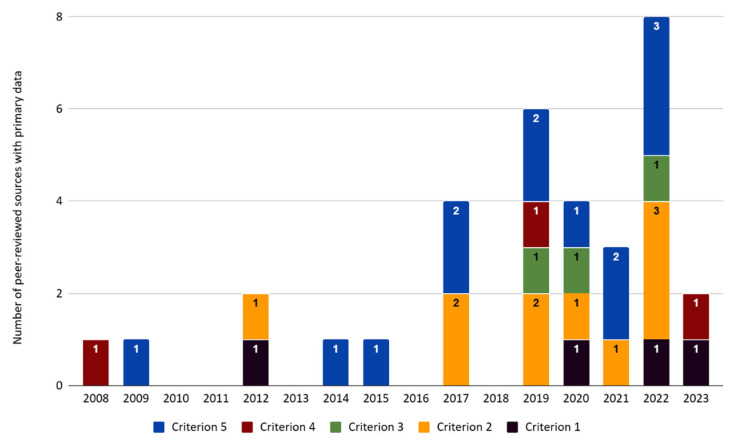 Figure 3
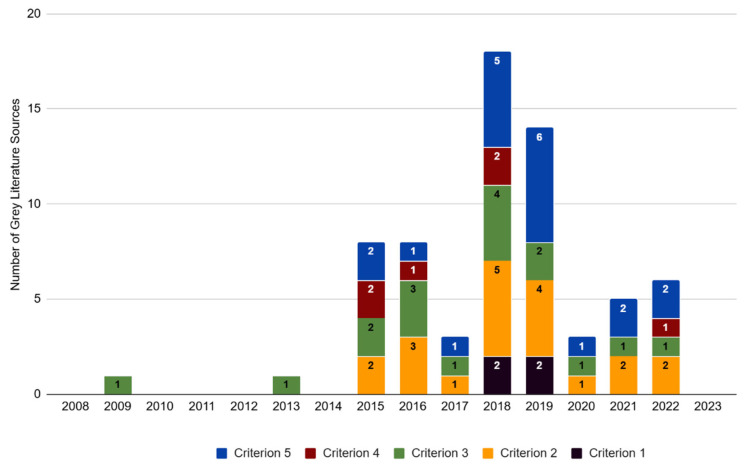 Figure 4
- —World Animal Protection
Peer Reviews
No public reviews on file for this paper yet. If you reviewed it on a platform where reviews are public (OpenReview, ICLR, NeurIPS, ICML), you can paste yours below so the community can read it here.
Videos
No videos yet. Explain this paper in a talk, walkthrough, or lecture? Add one.
Taxonomy
TopicsWildlife Ecology and Conservation · Ecology and biodiversity studies · Rangeland and Wildlife Management
1. Introduction
Commercial captive breeding of wild species, also known as wildlife farming, is often perceived as an effective supply side approach to meet the demand for wildlife commodities while reducing the pressure on wild populations [1,2]. Breeding a captive supply of wildlife can reduce wild-harvesting pressure by saturating the market with affordable products from farms [3,4]. However, alternative views warn that such interventions may be counterproductive because they can potentially increase pressure on wild populations by encouraging the demand for wildlife products, such as bones, teeth, and claws. Furthermore, it can increase opportunities for laundering poached wildlife through legal commercial trade and may require taking animals from the wild to replenish captive stock, improve genetic diversity, and/or breed for specific traits [5,6,7,8,9].
Considering the mixed evidence on this topic, only a handful of frameworks have been established to assess the impact of wildlife farming on wild populations [1,5,10,11,12]. However, most of these approaches are limited by complex market conditions that depend on the unpredictable responses of commodity traders [6]. Nevertheless, evaluating the impact of commercial wildlife farming on a per-species and market-specific context is imperative to reduce the likelihood that captive wildlife farms adversely affect wild populations [3,12].
In South Africa, an estimated 7838 African lions (Panthera leo) are farmed across 342 commercial facilities to meet the demand for lions as commodities [13]. The commercial use and trade of African lion body parts and derivatives are well documented in South Africa and internationally [14]. Large quantities of lion skeletons have been exported to East and Southeast Asia to meet the market demand for big cat bones as an ingredient in traditional Chinese medicine (TCM) [15,16]. As early as 2005, lion bones were found as an ingredient in “bone strengthening wine” in China and have since been widely used as a substitute and supplement to tiger (Panthera tigris) bones [17]. However, since 2019, the legal lion bone trade has been halted in the absence of a Convention on International Trade in Endangered Species of Wild Fauna and Flora (CITES) annual export quota following the High Court lion bone judgement [18]. Additionally, lion trophies, such as head mounts and skins, are exported internationally by recreational trophy hunters [19], and live lions are exported to Southeast Asia for zoos, breeding facilities, and private collections [13]. Live lions are traded domestically for trophy hunting, breeding to slaughter for bones, parts, and derivatives, and for tourism, where volunteers and tourists pay for hands-on experiences with lions [20]. Lion skins, claws, teeth, and bones are also used for traditional and cultural purposes across lion range states [14,21] alongside other body parts such as tails, reproductive parts and internal organs that are also reportedly harvested [22]. Most of the international commercial trade of lion parts to Southeast Asia and the majority of domestic trade in live lions is sourced from the captive population in South Africa [15], whereas local and regional uses of lions for traditional and cultural purposes usually come from wild populations across their range states, although some captive-bred sourcing has been reported [14].
African lions are listed as Vulnerable and decreasing on the International Union for Conservation of Nature (IUCN) Red List of Endangered Species; however, in South Africa, they are listed as Least Concern, mainly due to managed populations in fenced private reserves [23]. Wild lion populations in South Africa are intensively managed and remain stable [24], existing primarily in a few large national parks and other protected areas along with a significant number of smaller managed reserves [25]. The main threats to lion populations include habitat loss, prey depletion, and human-lion conflict; however, targeted poaching for their body parts was noted as an emerging threat in the most recent IUCN species assessment [22]. Furthermore, there is increasing concern over the impact of illegal lion trade across range states, as well as increasing numbers of targeted poaching incidents, which are suspected to be related to domestic, regional, and international trade in body parts [14,26,27,28]. The South African Scientific Authority reportedly considered the impact of lion farming on wild populations in South Africa to be minimal [29], and previous studies have concluded that there is little evidence of increased poaching of wild lions to supply this trade [15,30]. However, the lack of conservation value of commercial lion farming has been noted, and the role of farms in stimulating illegal wild lion offtake remains ambiguous [31,32,33]. The overall impact of the trade in lions and their parts on wild populations remains largely unquantified [34].
Commercial captive breeding of wildlife may have both positive and negative impacts on the conservation status of wild populations [35]. In this study, we conducted a qualitative systematic review of the available literature on commercial lion farming in South Africa. The aim of this study is to assess the available evidence on how South Africa’s commercial lion breeding (CLB) industry affects the conservation status of wild lion populations in Africa using a pre-existing evaluation framework by Tensen [1]. This may answer the question of whether captive breeding as a tool to meet the demand for lion commodities reduces the pressure on African wild lion populations.
2. Materials and Methods
2.1. Search Strategy
We conducted a systematic literature review to identify appropriate sources for reviewing the evidence currently available on the impact of commercial captive breeding of lions in South Africa on the conservation status of wild lion populations. This systematic review was conducted following the “preferred reporting items for systematic review and meta-analyses” (PRISMA) recommendations [36]. The PRISMA checklist is presented in Appendix A.1. This systematic review was not formally registered, and the review protocol has not been published; however, further details can be made available upon request from the corresponding author.
In August 2023, we searched three academic databases (Google Scholar, Web of Science, and Scopus) using 20 search terms. Searches used a combination of the terms “commercial lion farming” and “commercial lion breeding” with the Boolean operator AND, followed by the terms “South Africa”, “traditional medicine”, “bone trade”, “skeleton trade”, “poaching”, “trafficking”, “laundering”, “consumer demand”, and “wild populations”, plus three additional searches for “commercial captive lion breeding South Africa”, “Panthera leo AND commercial farming”, and “Panthera leo AND commercial captive breeding”. To be included, an article had to be in English, related to the commercial farming of lions in South Africa, and published between 2008 and August 2023. We limited the search to articles published between these years to capture all relevant information starting from the first year that exports of captive-bred lion skeletons from South Africa were legally traded and recorded by the CITES. The full texts of all potentially eligible studies were retrieved and independently screened for inclusion by a team of five researchers (JG, CJ, LdW, SEK, and MP). We excluded articles that focused on lion breeding for research purposes, lions housed in zoos, lions bred outside South Africa, and the commercial farming of other large felids. Studies that did not meet the inclusion criteria were excluded, and the reasons for exclusion were recorded during full-text screening. All other peer-reviewed articles returned in the search were included.
In addition, we conducted a ‘snowball’ search in August 2023 using the reference lists of all eligible peer-reviewed articles to identify further appropriate articles and reports. The inclusion of grey literature was particularly important for identifying underreported aspects or findings outside of traditional academic publishing, thus mitigating publication bias. The full texts of all potentially eligible articles and reports were retrieved, and the same team of five researchers (JG, CJ, LdW, SEK, and MP) independently screened the full texts for inclusion. Here, we included grey literature sources, such as government documents, media articles, and reports from relevant conservation, animal welfare, and environmental organisations or stakeholders, within the same inclusion criteria outlined for the peer-reviewed datasets.
2.2. Review Framework
We conducted a qualitative systematic review of all sources identified in the literature search to extract relevant information that could serve as evidence of the impact of CLB on the conservation status of wild lion populations. We reviewed the articles in our dataset against criteria adapted from a pre-existing evaluation framework by Tensen [1], similar to the study by Davies et al. [35]. This framework was designed to systematically assess the quality and relevance of evidence concerning the impact of CLB on wild lion populations. The criteria in the framework cover a broad range of potential impacts of commercial wildlife farming on wild populations and provide a basis for objectively determining the potential benefits and threats of lion farming in a conservation context. However, we also view the framework as a tool for identifying areas where knowledge is lacking and where greater caution or research into the potential impacts on wild populations may be necessary (Davies et al. [35]).
A data extraction Excel spreadsheet was developed, pilot-tested on five randomly selected articles, and subsequently refined. A team of seven researchers (JG, AE, CJ, SEK, LdW, NDC, MP) independently evaluated each eligible article against the criteria in the framework. Criterion 1 relates to consumer preferences, criterion 2 relates to information on the market supply and demand for lion products, criterion 3 relates to the cost efficiency of lion farms, criterion 4 relates to breeding stock, and criterion 5 relates to information on criminal activity in the CLB industry [1] (Table 1). Each article in the dataset was examined by one of the seven reviewers, who searched the article in its entirety and recorded any text in support or contrary to these criteria. Applying these structured, predefined criteria consistently across all sources reduced the risk of selective reporting. The coding process applied by the reviewers was a binary “yes” or “no” response for whether each article contained text relating to criteria 1–5, as well as whether it contained text relating to wild lion populations in other range states to capture potential threats to wild lion populations outside South Africa. The corresponding text for each criterion was extracted into an Excel spreadsheet, and one researcher (JG) checked all extracted texts against the conditions set out by the framework. Inconsistencies were discussed by the team of seven researchers until a consensus was reached. The data type was also recorded, where primary data were defined as original evidence based on the analysis of data, secondary data were defined as the presentation of evidence from other sources, and anecdotal data were defined as observations and expert knowledge, for example, personal communications or observations reported by the authors in the field. Finally, all extracted eligible texts were summarised by one researcher (JG) according to the conditions set out by the framework. Each of the seven researchers then reviewed the summarised text against the articles that they independently reviewed to check for missing or misinterpreted data, and the data were corrected accordingly. We present peer-reviewed and grey literature sources as two separate datasets in our results and discussion. We did not consider grey literature as primary data and presented it purely as supporting information, as we recognised that grey literature sources may present information with specific agendas or without peer review. However, we used the same review framework for both the assessments.
3. Results
Our initial literature search returned 152 articles. We excluded five articles published outside our specified date range and a further 10 that we were unable to access via academic institutional logins or open-access hosts. The remaining dataset comprised 125 peer-reviewed literature sources (113 journal articles and 12 book chapters) and 12 grey literature sources (four postgraduate theses, three non-peer-reviewed journal articles, three institutional reports, one media article, and one blog post). Our snowball search yielded one peer-reviewed IUCN assessment and 25 grey literature sources (comprising five media articles, two National Assembly questions, one court case summary, three government reports, one postgraduate thesis, one blog, 12 institutional reports, and one peer-reviewed IUCN assessment). All sources are listed in Appendix A.2. Figure 1 shows the number of articles of each source type published over the study period of 2008–August 2023.
Across the peer-reviewed literature dataset (n = 126), 56% (n = 70) of the articles contained text relating to at least one of the five predetermined criteria outlined in Table 1 (Figure 2). The highest number of articles was recorded for criterion 2, information related to the market supply and demand for lion products (40%, n = 51; Table 2), followed by criterion 5, information related to criminal activity in the industry (33%, n = 42). A smaller number of articles contained information for criterion 1, relating to consumer preferences (11%, n = 14), criterion 3, relating to the cost efficiency of farms (13%, n = 16), and criterion 4, relating to breeding stock (11%, n = 14). The majority of peer-reviewed articles in our dataset (70%, n = 87) were published since 2017, which may be related to the fact that South Africa’s CLB industry came under increasing scrutiny as a result of cases of animal cruelty and neglect reaching the public domain, as well as the unregulated nature of the industry, e.g., [37,38,39].
Of the articles that were recorded as containing text related to the five criteria, the majority contained secondary information as context or discussion. A much smaller proportion of the dataset presented primary data or anecdotal data containing new information as evidence to support or oppose the criteria. Four articles presented primary data relating to criterion 1 (29% of 14 articles for this criterion), 10 for criterion 2 (20% of 51 articles), three for criterion 3 (19% of 16 articles), three for criterion 4 (out of n = 14, 21%), and 13 for criterion 5 (31% of 42 articles) (Figure 3).
Across the grey literature dataset (n = 37), 73% (n = 27) of the articles contained text relating to at least one of the five criteria in Table 1. The highest number of articles were recorded for criteria 2, 3, and 5 (54%, n = 20; 46%, n = 17; and 54%, n = 20, respectively) (Figure 4). A smaller number of articles contained text relating to criterion 1 (11%, n = 4) or criterion 4 (16%, n = 6). Again, for the grey literature dataset, the majority were published since 2017 (73%, n = 27).
Across the full dataset (n = 163), 55 articles (34%) contained information relating to lion populations in range states outside South Africa, comprising 44 articles (27%) from the peer-reviewed dataset (n = 126) and 11 articles (30%) from the grey literature dataset (n = 37).
4. Discussion
Below, we interrogate the peer-reviewed and grey literature sources identified through our searches in more detail for the five predetermined criteria of the evaluation framework adapted from Tensen [1] (Table 1 and Table 2).
4.1. Criterion 1—Legally Farmed Lion Parts Provide a Substitute for Wild Lion Parts
Criterion 1 describes whether legally farmed lion parts could provide a genuine substitute for wild lion parts in terms of consumer preferences. For farmed lion parts and derivatives to be a suitable alternative to wild lion parts, there should be no noticeable preference difference for consumers.
4.1.1. Evidence Sourced from Peer-Reviewed Literature
In the context of lion bone-based traditional medicine products, one quantitative study assessing preferences among the general public in China and Vietnam found that there was no overriding preference for wild or farmed sources in either country [40]. Two articles noted that the concept of a binary distinction between wild and captive sources may be overly simplistic from the consumers’ perspective, and the combination of different large felid products of different origins on offer complicates the investigation of product preferences [14,55]. Data from the perspective of wildlife traders and traditional health practitioners (THPs) also indicated a mix of preferences for either captive or wild-sourced lions [14]. Among THPs, 25% of respondents stated a preference for using body parts from wild lions over farmed ones. Strength and purity were cited as reasons for using wild-sourced lions, whereas background information about the lion’s age, diet, and medical history was cited as a reason for preferring captive lions.
In the context of trophy hunting, there are again mixed preferences for captive versus wild lions. For example, it is important to hunters that the lions they kill for their trophies are aesthetically pleasing to be taxidermied and mounted [41]. Thus, captive-bred lions are preferred for their selectively bred distinctive characteristics, such as large dark manes, and are typically in better condition than wild lions [20,56]. Captive lion hunts are also appealing to certain hunters because they are virtually guaranteed to result in a kill and often yield larger trophies than wild lions [42,56]. Hunting packages for captive lions can attract a wider range of customers because they can be delivered in a much shorter time frame than for their wild counterparts and are thus much cheaper and cater to tourists who have less time and/or money available [56]. Captive hunts are also more accessible to tourists with physical limitations or lack of experience [42,56]. Some hunters also show a preference for captive lions for the perceived benefit of conserving wild populations [41].
However, farmed lions are not unanimously considered a viable substitute for wild lions. Data pertaining to preferences among hunters collected in 2012 reported that 76% of clients interviewed would prefer their next lion hunt to be for a wild lion, in comparison to 17% that would prefer a captive-bred lion and 7% that had no preference [42]. Some members of the hunting community consider captive-bred lions less “authentic” than wild lions and enable unskilled hunters to participate [41,56].
4.1.2. Evidence Sourced from Grey Literature
The grey literature added little further evidence to what has already been described in Section 4.1.1. One article noted that consumers in Southeast Asia are allegedly prepared to pay more for bones from wild lions due to the belief that their effects are more potent than those of captive lions, but this was not substantiated with data [57]. Another article reported that traditional medicine consumers in South Africa sometimes purchase fake lion fat due to lack of awareness that the product is inauthentic [58].
4.1.3. Summary
Our results show that there has been limited insight into consumer preferences for lion bone products, and many consumers may not be aware that they are purchasing lion products at all. The available evidence indicates that most lion bone traditional medicine consumers and traders show no preference for captive or wild sources, although in one study, farmed lion bone was chosen as the least preferred option among survey participants, indicating that farmed lions may not be an adequate substitute [40]. It was acknowledged that the results may differ if the survey was exclusively conducted among actual consumers and that more research is needed in this regard [40]. There was also recognition that reported preferences do not always reflect the actual preferences shown in consumption patterns [40,59]. The available evidence among hunters indicates mixed preferences for wild and captive-sourced lions; thus, captive-bred lions cannot be broadly considered a substitute for wild lion hunters [42]. Thus, we surmise that criterion 1 cannot be fully satisfied due to ambiguity and mixed preferences across the evidence base. Furthermore, research gaps exist pertaining to preferences among actual consumers rather than the general public in consumer countries.
4.2. Criterion 2—Farmed Supply of Lion Parts and Derivatives Serves Current Market Demand
For criterion 2 to be met, the production of captive lion products must be sufficient to supply the existing demand without creating additional demand. We specifically focused on information relating to changes in the supply and demand for, and traded quantity of, lion parts and derivatives, as well as evidence of new markets emerging for lion parts in relation to the farming industry.
4.2.1. Evidence Sourced from Peer-Reviewed Literature
The market supply and demand for lions and their parts and derivatives has fluctuated and evolved since 2008, with an overall exponential increase up to 2019, when no further annual CITES export quota was set by the South African government. The international commercial trade in lion parts started with the export of trophies from the hunting industry, but since 2008, CLB has proliferated to supply lion bones for export to Southeast Asia for use in traditional medicine products. The majority (65%) of commercial captive lion facilities in South Africa surveyed by Williams and ‘t Sas-Rolfes [19] supplied lions for both trophy hunting and bone trade purposes, but many facilities reportedly increased their focus on the lion bone trade following the United States ban on trophy imports in 2016 [15]. With the expansion of the CLB industry, the use of lion cubs and young adults as interactive tourist attractions has also emerged as a new market, creating additional demand for breeding and trading lions for revenue generation [31,43,60].
Initially, lion bone was thought to supplement or substitute tiger bone in TCM products [61], but recent evidence across our dataset suggests an emerging demand for lion parts, specifically in Vietnam, and to a lesser extent, China [28]. Market prices can be a valuable indication of market trends, and the available data show that the wholesale value of a lion skeleton more than doubled from 2012 to 2019 [19]. Such rising prices can indicate a widening gap between supply and demand, suggesting an increasing demand for skeletons during this period.
From a supply perspective, the available data indicate that the majority of the demand for international trade in lion parts and derivatives from South Africa is met by captive supply instead of wild-sourced lions [15,42,56]. The supply of captive lion parts may be limited by imposed restrictions. For example, of the 23 CLB facilities that sold bones in 2016, 20 said they could supply a larger quantity of bones, and two more said they could supply the same quantities, if restrictions did not apply [19].
In addition to the international trade in lion bones, there is also a pan-African market for lion bones for traditional medicinal and spiritual purposes [21]. THPs in South Africa use lion parts [44], and some traders have reported increasing requests for lion parts due to changing medicinal practices and foreign influence [14]. From the available data, the role of lion farms does not seem to influence the demand for traditional belief uses, and farmed wild animals lack the symbolic value compared to wild-caught products, rendering it less likely that farmed parts will meet this demand [62]. Local conservation professionals have raised concerns that some rural Africans are increasingly motivated to supply markets with body parts from poached wild lions [63]. Southern African wild-sourced lions are more likely to be used for local cultural and medicinal purposes, as evidenced by respondents from interviews with THPs and traders who indicated that lion parts were obtained from a variety of sources, including wild lion populations and occasionally breeding farms [14].
Although limited, there is some evidence that captive lion hunts may serve current market demands, thereby having a positive impact on the conservation of wild lions. For example, the number of wild lion trophies exported from African countries declined by nearly a third between 1994 and 2010, which may have been due, in part, to the increased availability of captive-bred lion hunting options in South Africa [64]. It was also estimated that hunting captive lions in South Africa could keep more than 1000 lion hunters away from hunting wild lions in other parts of Africa [65], and some speculate that captive-bred lions may reduce the pressure from hunters for wild lions [42]. However, much of this information is speculative without substantive data to support it, and many other factors can contribute to fluctuations in demand.
4.2.2. Evidence Sourced from Grey Literature
The supply of captive-bred lions has evolved with changing markets. Two sources [58,66] reported that selling bones internationally was a secondary benefit of the hunting industry, suggesting a lack of economic incentive to farm lions solely for their bones due to the associated costs. In contrast, one peer-reviewed article reported that 30% of commercial captive facilities breed and keep lions purely for trade in their bones and derivatives [19]. However, a grey literature source noted that the vast majority (91%) of skeletons exported since 2017 had intact skulls, indicating that they were not a by-product of captive trophy hunting but were bred specifically for their bones [38]. One article [57] suggested that if the demand for lion bones in the East Asian trade continues to grow, bones from the captive hunting industry are unlikely to satisfy that demand, particularly as the demand for captive hunting has reduced considerably since the US trophy import ban in 2016 [57].
It has also been reported that lion farming in South Africa may be stimulating the market supply for the intensive commercial breeding of lions in other geographic regions, and that an increase in farming can, in turn, influence demand. An NGO report [67] noted that Pakistan imported 139 live lions between 2011 and 2020 and had 20 farms specialising in breeding non-native big cats in one province alone. Lion farms are already believed to exist in Vietnam and are predicted to increase in other consumer countries, possibly supported by the information that South Africa exports live captive-bred lions to Bangladesh and China [38].
Despite the lack of history of lion bone use in traditional medicine in East and Southeast Asia [61], there is an existing demand for lion bones [58,68], and they are now permitted as an ingredient in medicinal wines in China, which traditionally contained tiger bones. It is unclear whether consumers are aware that these products contain lion bone as a substitute, as it has been reported that significant effort is made to market lion bone products by implying that they contain tiger bone [68]. However, it is also noted that there is evidence of Chinese nationals purchasing lion products in neighbouring countries to take home, and an online survey found a variety of lion claw and teeth products for sale online in China [68]. Similarly, in Vietnam, lion bone is processed into cake and balm products, claws and teeth are worn, and skulls are displayed as status symbols [38]. These products are indistinguishable from tigers, and only a few products advertised as being made from lions were observed during surveys in Vietnam [68]. However, anecdotal evidence suggests an increasing demand for lion products [38,68]. One stakeholder reported that sellers are now openly telling consumers that the cake contains lion, and consumers are specifically requesting lion products [38], often advertised as coming from South Africa [68]. One source suggested that the demand for lion products is high enough that the market contains fake plastic versions [68].
4.2.3. Summary
There are three distinct but related supply trade chains in the market for lion bones [15], and evidence across our dataset indicates that lion farming is making a notable contribution to the global trade of lion parts. Some commercial uses for lions have emerged as a direct result of captive breeding, for example interactive tourism experiences with lions, providing another revenue stream for captive facilities. However, it is unclear whether the demand for lion bones in Southeast Asia is met by the captive population in South Africa or stimulated by it. Some stakeholders noted that there could be an unquantifiable demand for lion products due to growing consumer numbers and wealth in Asia [45], which could put further pressure on wild populations. We conclude that there is currently insufficient evidence available to determine whether the supply of captive lions in South Africa satisfies the international demand for lion body parts in East and South-East Asia; therefore, this criterion is violated.
4.3. Criterion 3—Lion Parts and Derivatives from Farmed Populations Are More Cost-Efficient than Wild Counterparts
To satisfy criterion 3, lion trophies, bones, parts, and derivatives from captive-bred populations need to be equally or more cost-efficient than their wild counterparts.
4.3.1. Evidence Sourced from Peer-Reviewed Literature
Of the 15 articles that provided relevant information for this criterion, only one provided a direct comparison of the price points between wild and captive lion hunts [42]. However, in terms of lion products, it was noted that skeletons from captive-origin lions were considered cheaper alternatives to other large felids [15,42] and that captive hunts are typically cheaper than wild hunts [56], undermining the financial value of wild lion trophies [69]. Furthermore, human-reared cubs may be financially more valuable in adulthood than their wild counterparts [20], but no specific comparative data on the relative prices in each market were available. Increasing profitability on breeding farms is sometimes achieved by practices that compromise the health and welfare of mothers and cubs, such as speed breeding [20], whereby breeders remove young cubs from lionesses before they are weaned to force a premature return to oestrus for faster breeding cycles and increased revenue per lion [60]. No information is available on the comparative revenue that would be generated if facilities were limited to natural breeding cycles. In addition, information about the cost of maintaining CLB facilities and the comparative cost of ensuring that facilities adhere to animal welfare standards and legislation is missing from the articles in our dataset. There could be a considerable difference in profit margins between the current standards in commercial captive facilities and the profits generated if higher welfare standards were adhered to in commercial captive facilities.
The range of revenue streams generated from lions and their derivatives from commercial captive facilities can increase the cost efficiency of farmed populations through means that are not possible for their wild counterparts. For example, selective breeding for specific traits that are rare in wild populations, like white lions, can fetch higher prices than the more common tawny lion trophies, sometimes up to five times the price [56]. Some commercial captive lion facilities also boost profitability by diversifying income streams, such as hosting paying international volunteers to tend to captive lions, which can generate up to US$98,000 per month of additional income for a single facility [56]. Diverse income streams can provide profit stability in fluctuating markets. For example, when the number of captive trophy hunts fell by nearly one-third after the US trophy import ban in 2016, farms were kept afloat mostly by the sale of lion skeletons to Asia [70].
Wild lion parts are considered very profitable among THPs in South Africa [44], and high prices charged by traders to THPs for lion parts in urban areas have been anecdotally reported [19]. Despite this, the relative price of wild and captive lion products and the absolute contribution of lion sales to THPs’ income have not been assessed [14,44].
4.3.2. Evidence Sourced from Grey Literature
Several sources have provided information on price points for lion parts along the trade chain, such as the typical operating costs of breeding farms, the purchase price of lion parts in Southeast Asia, and the costs associated with captive hunting [38,71,72]. However, no comparative data between wild and captive sources have been presented, and the overall profitability of parallel industries has not been quantified. A recent court challenge highlighted the profitability of lion bones, with the value of a full, intact male skeleton estimated at US3100 for South African captive breeders [73].
4.3.3. Summary
It was noted that obtaining accurate price data is challenging [19], and overall, very little is known about the economic details along the trade chains relating to lions, and the cost-effectiveness of captive breeding has yet to be demonstrated [38,57]. Although no definitive evidence exists that captive-bred lions can be produced less expensively than poaching lions from the wild [57], it is evident from our dataset that commercial captive facilities can generate additional revenue from diversified income streams. No direct comparison of price points or overall profitability between wild and captive sourced lion products is available; therefore, criterion 3 is not fully satisfied.
4.4. Criterion 4—Captive Populations Can Be Maintained Without Restocking from Wild Populations
To satisfy criterion 4, captive populations must be maintained with sufficient variation without restocking from the wild population.
4.4.1. Evidence Sourced from Peer-Reviewed Literature
There is some evidence from survey responses and further anecdotal data indicating that a small number of lions have been sourced from wild populations outside of South Africa, such as for aesthetic purposes to introduce darker manes to the captive population [47]. However, the available information suggests that most of the captive population was sourced in South Africa from other breeders [19,45,47]. According to data from surveys with lion facility owners, captive-origin lions from South African breeders were acquired by 87% of the respondents to stock their facilities when they opened, with only a small number (5%) sourcing wild lions from reserves in South Africa and Botswana as founder stock [19]. Industry stakeholders interviewed by researchers reported that it is standard practice to swap lions between commercial captive facilities with different bloodlines to sustain the captive population while preventing inbreeding [48]. However, caution is required [57] when relying on interview data, which lack audited financial statements and clarity regarding the parameters of a healthy captive population. This raises doubts regarding the claims made by van der Merwe et al. [74] that breeding creates healthy captive populations. This is supported by previous concerns regarding health issues caused by inbreeding in the captive population [39]. Several articles have highlighted the lack of transparent information regarding breeding practices and the need for a reliably maintained studbook [60,75], which would strengthen the evidence for this criterion.
Although strictly outside of criterion 4, Booyens [76] showed that rewilding of captive-bred lions is plausible in small reserves with a limited number of other large predators. However, the use of captive-bred lions for rewilding purposes is currently not a conservation requirement in South Africa, as there is a surplus of metapopulation wild lions that can be used for restoration purposes, even beyond South Africa’s borders [13].
4.4.2. Evidence Sourced from Grey Literature
No further primary evidence regarding the maintenance of captive lion populations was presented in the grey literature dataset.
4.4.3. Summary
There is limited information relating to captive lion stock in the literature in our dataset. The genetic background of the captive lion population in South Africa is mostly unknown due to a lack of official records [77,78], and no peer-reviewed studies have presented data to demonstrate that the captive population is responsible for maintaining genetic variation [43]. While a lack of supporting evidence adds uncertainty, there is very limited evidence to suggest that captive populations are being restocked from wild lion populations. The South African Predator Association (SAPA) guidelines state that breeding animals should not be sourced from wild populations [56], and the data we found across peer-reviewed and grey literature sources suggested that the captive population is maintained by trading breeding lionesses between commercial captive facilities [48]. However, there are knowledge gaps that disable criterion 4 from being fully satisfied, but the available literature indicates that there is currently no cause for concern that wild lions are taken to stock captive facilities [19,47,48].
4.5. Criterion 5—Wild Populations Are Sufficiently Protected from Criminal Activity Relating to Lion Farm Facilities
To determine evidence for criterion 5, we reviewed our dataset for information related to the laundering and poaching of wild lion parts and derivatives, techniques for distinguishing between captive-bred and wild-sourced lion parts, and evidence relating to enforcement capacity and regulatory oversight.
4.5.1. Evidence Sourced from Peer-Reviewed Literature
Interviews with THPs and traders revealed that a number of respondents sourced lion parts from poachers and that some captive lion breeders donated or sold lion parts to THPs [14]. One source reported anecdotal evidence from a Senior Superintendent in the South African Police Services Forensic Laboratory who believed that poaching of lions to supply the Asian market was occurring in South Africa [49]. Similarly, another source reported anecdotal evidence that may flag the presence of illegal lion trade in South Africa and noted a rise in incidents of lion poisoning on private property in the country since 2015 [21]. Survey respondents reported anecdotal evidence of wild lion carcasses smuggled into South Africa from Zimbabwe for illegal trade, potentially indicating the laundering of wild lions from other range states through South African captive facilities [21,45]. Anomalous CITES permit declarations have also been detected multiple times, alongside serious errors by issuing authorities on export permits [15]. Illicit trade in lion parts by organised criminal syndicates has also been reported [15].
It was identified that the CLB industry is governed by a patchwork of contrasting legislation across multiple provincial and national authorities, with disparities that leave legal loopholes [50]. Although systems have been implemented to prevent laundering attempts through a verified chain of custody process [16,51], irregularities and compliance errors have been detected [46]. There are also some illicit behaviours that would not be captured in the CITES compliance procedure because they occur prior to lions leaving facilities [46]. The data also showed limitations in regulatory oversight stemming from a lack of adequate record systems, rendering fraud difficult to monitor [46].
Sources across our dataset noted increasing incidences of poaching of lions as well as evidence of domestic, regional, and international trade in lion parts from illegal sources due to their proliferating value [22,47,57,68,79]. It has been suggested that the high prices charged for farmed lion skeletons in South Africa may lead to the development of a parallel market, whereby poached wild lions will be supplied to one segment of the market and farmed lions to another [38]. New insights were provided into the procedures and mechanics of how some lion facilities use legal activities, such as commercial captive breeding and hunting, to feed into the illegal international lion bone trade [80]. However, it was also noted that the reportedly high revenue for bone farmers is misleading when accounting for the costs subtracted by intermediaries along the supply chain, and the actual revenue generated by owners of commercial captive facilities is substantially less than suggested, reducing the likelihood that illegal hunting is incentivised by high prices from captive sources [58].
With regards to distinguishing between captive-bred and wild-sourced lions, one source presented data from cranial and mandibular morphology analysis showing that captive lions tend to have smaller skulls than wild lions [52]. However, this approach is likely impractical for distinguishing between traded specimens due to the need for intact specimens and the capacity to distinguish between species or possible hybrids [53]. These researchers also tested morphological differences between the skulls of tigers and lions and provided a guide to the average mass of lion skeletons and skulls [53]. They concluded that while it is possible to use morphological differences to identify illegal activity, this is not a foolproof method for distinguishing between species. The mass of consignments of lion bones could be used to inform predictions of the accuracy of a declaration on a CITES permit if the parts are not intact [53]. However, weaknesses were identified in this approach that allowed for undetectable fraudulence due to year-on-year differences in the mean skeleton weight from 2016 onwards [16]. Another study attempted to differentiate between captive-bred and wild lion hair through carbon and nitrogen stable isotope analysis [54], which may have potential applications to lion bone samples, but the analyses were inconclusive [51]. Finally, DART mass spectrometry was used for the chemical distinction between bone types [51]. This approach was able to differentiate between batches of captive-bred South African lion bones and batches of wild lion bones, but further testing is needed to confirm the suitability of this technique and the resources required. No genetic test can currently distinguish captive-bred lions from wild lions [49].
4.5.2. Evidence Sourced from Grey Literature
There is a plethora of discussions about illegal activities relating to lion farming and lion bone trade across the grey literature, much of which echoes the evidence described in the peer-reviewed literature (Section 4.5.1) [22,38,57,58,67,68,79,81]. There is some evidence of a link between the CLB industry and poaching of wild lions, as indicated by a 2012 court case against a wildlife trafficking syndicate that revealed that contact with the criminal network was initiated by members of the South African captive predator industry [38]. Although not strictly laundering, another investigation report revealed that some CLB facilities use legal activities like hunting, to hide their involvement in the illegal bone trade, using concealment tactics to avoid detection during inspection, although sources did not reveal any direct connection to a specific criminal network [81]. An investigation in Southeast Asia determined that the addresses and destinations for skeletons legally exported from South African farms could not be verified or were not known, indicating criminal involvement related to sanctioned CITES permits [38].
4.5.3. Summary
Evidence for criterion 5 indicates inadequate protection from criminal activity. Much of the text relating to the impact of lion farming in South Africa on poaching of wild lion populations is speculative. One source suggested that the willingness of South African lion breeders to supply lion body parts could put increased pressure on wild stocks elsewhere, but did not provide data to substantiate this [56]. It was noted that survey responses from lion bone traders in South Africa regarding the potential impacts in other countries appeared to be based on suspicion and speculation, requiring further verification or corroborating evidence [15]. Most of the available data are sporadic and anecdotal; formal investigation of the causal effects of commercial lion farming on the status of wild populations has often been overlooked, and thus the impact is largely undocumented [15]. Although direct links between lion farming and declines in wild populations elsewhere have yet to be evidenced, there is concern that the situation has arisen or could arise [26,28]. A further concern is that the 23 lion range states that are parties to CITES have been assessed as having inadequate legislation for the implementation of CITES regulations [82], failing to protect lion populations from potential criminal activity.
The extent to which wild lions are laundered as farmed lions is still unquantified, and the direct link between the trade in farmed lion parts and the poaching of wild lions is largely unknown [26,34,40]. This reveals a concerning knowledge gap with potentially detrimental consequences for lion populations across their range. This is of particular concern when considering the rising number of targeted poaching incidents of wild lions for their body parts across Africa, which is now recognised as a threat to lion conservation [22]. This criterion was not fully satisfied.
4.6. Conservation Implications of the Legal Captive Lion Industry in South Africa
In recent decades, CLB in South Africa has rapidly increased in terms of both scope and scale [13]. However, we found a lack of evidence-based information for a proper evaluation of its potential conservation benefits. Furthermore, we found some research that suggested that multiple criteria were not fully met, raising concerns that CLB could facilitate the demand for lion parts. Consequently, although we do not consider failure to meet the outlined criteria as an absolute dismissal of any conservation value, our review of the current relevant literature against the specified criteria framework (Table 2) indicates that there is reasonable cause to doubt that lion farming currently provides a sustainable supply side intervention to reduce pressure on wild lion populations.
Given the precarious status of lion populations on a global scale [22], our review suggests that the assumption that the CLB industry has a neutral or beneficial impact on wild lion populations should be approached by conservationists, policymakers, and government agencies with caution. Moreover, it is possible that similar lessons can also be learned from the parallel case of tiger farming, where the legal trade in parts and derivatives from captive tigers has failed to reduce pressure on wild tiger populations, despite protection as a CITES Appendix I listed species, which prohibits international commercial trade. More than 7000 tigers are bred in captivity across Asia to supply body parts and derivatives for the Asian market; however, wild tiger populations remain on the verge of extinction [59,83]. Concerns have also been raised that lion trade exacerbates the perceived availability and acceptability of tiger products, stimulating further demand [38]. The prediction that tiger populations would be decimated, causing consumers to resort to substitutions of lions and leopards, was already raised in the late 1990s [58,84]. The current market appears to follow suit, as indicated by the occurrence of tigers in commercial captive facilities in South Africa [17,81] and increased poaching and trade in a range of wild carnivore species [85,86]. The emergence of market supply and demand for the commercial use of wild felids should be subject to scrutiny, given the plethora of concerns raised about the impact on tiger and lion populations, as well as the animal welfare and public health concerns associated with all wildlife farming and trade activities [87,88].
The same concern applies to the emergence of commercial captive facilities outside South Africa. Currently, the South African government is on a trajectory to close the CLB industry through a consultative process that began in 2018. In 2020, a High-Level Panel of experts was appointed to review policies, practices, and management of captive breeding, keeping, and trade of lions. Their recommendations to terminate the commercial industry and all its associated commercial activities were approved by the Cabinet, based on the conclusions that CLB does not contribute to the conservation of wild lions, shows inherent animal welfare and public health concerns, poses concerns over the safety of workers and visiting public, and presents a threat to South Africa’s reputation as a responsible ecotourism destination, with associated political and economic risks [89,90]. These concerns were later corroborated by a Ministerial Task Team that was created to identify voluntary exit options from the CLB industry [13] and a Policy Position on the Conservation and Sustainable use of South Africa’s Biodiversity.
5. Limitations
Although we made extensive efforts to ensure that all relevant literature pertaining to lion farming was captured in our database, it is possible that some sources were missed in our search. To maintain the focus of our article on lion farming as a supply side intervention, we limited our search criteria to terms directly relevant to the commercial captive breeding of lions in South Africa. In doing so, we did not specifically include other lion range states in our search terms or terms related to trophy hunting and conservation of wild populations more broadly. However, we believe that our search provides a robust assessment of relevant information across these convergent issues. Furthermore, we limited the publications to the English language only.
We acknowledge that there are intersecting markets for the use and trade of lion body parts across Africa [21,68] and that lion populations do not exist in isolation. Therefore, we also collated information about lion populations outside South Africa that were relevant to captive lion breeding and trade which we have used in the summaries and discussion throughout our article. Future research that specifically includes all countries with wild lion populations would build on the findings presented here.
We adapted the evaluation framework by Tensen [1], similar to that used by Davies et al. [35], which is based on five pre-existing criteria originally derived from Biggs et al. [91]. While these criteria offer a useful conceptual basis for evaluating the quantity and quality of evidence across key areas, we found that complex interactions and trade-offs between criteria can make it difficult to assess the implications of violations for wild population exploitation [35]. Consequently, we propose that future evaluation frameworks should explicitly account for the interactions between criteria. Additionally, we did not critically assess the limitations of the data presented in each article across our dataset as part of our analysis. However, we reduced the likelihood of presenting misleading information by clearly distinguishing between peer-reviewed and grey literature sources and contextualising all the data reported. We do not consider failure to meet our criteria as a definitive hallmark to conclude that lion farming has a detrimental effect on wild populations. Rather, we believe that the framework is more likely to have value as an indicator of where knowledge gaps pertaining to the effects of the commercial lion industry lie and where caution or further attention to the potential impact of lion farms on wild populations is warranted.
6. Conclusions
Our review of the literature on CLB in South Africa suggests that there is currently inadequate evidence to definitively state that the industry has a positive impact on wild lion populations, either now or in the future. This level of uncertainty is, however, not uncommon in this kind of research, as is evident from the example of Allen et al. [92], who assert that the presently available evidence in support of positive dingo management is weak and signals caution, as well as Davis et al. on the bear bile industry in Vietnam [93]. While we do not suggest that our framework is conclusive in confirming that the CLB industry puts additional pressure on wild lion conservation, we draw attention to several “red flags” that indicate that the industry could have adverse effects on wild lion populations by facilitating the commercial demand for lions and their parts and derivatives. These red flags not only raise concerns but also highlight critical areas where further research is needed to better understand the potential implications of the industry. In particular, we recommend that research focus on confirmed consumer preferences, captive supply and demand interactions, economic comparisons between farmed and wild lion products, the genetics of captive populations, and the extent of illegal activity be prioritised, given the notable lack of information encountered during our review and the critical importance of these issues for informing lion conservation decision-making. Consequently, although wild lion populations in South Africa are currently considered stable, we highlight the risk that this additional pressure may pose, as well as the potential detrimental compounding effects on already vulnerable lion populations and other large felid species across their ranges [22]. Therefore, we stress the importance of monitoring and regulation to protect against criminal exploitation related to commercial captive facilities, particularly during the transition to terminating the industry in South Africa. Furthermore, we emphasise the need for caution in other countries, particularly lion range states, to heed South Africa’s position and refrain from facilitating the further emergence of commercial captive predator breeding and trade, particularly given the increased opportunity for exploitative wildlife trafficking between the African continent and Southeast Asia, for example, the expansion of the Belt and Road Initiative [94]. Our results generate urgent caution for CLB as a supply side approach to reduce pressure on wild populations while attempting to meet consumer demand for commercial use and trade of parts. We suggest that these insights may have important implications for the policy and governance of emerging commercial predator breeding operations in South Africa and globally.
The reference list from the paper itself. Each links out to its DOI / PubMed record.
- 1Tensen L. Under what circumstances can wildlife farming benefit species conservation?Glob. Ecol. Conserv.2016628629810.1016/j.gecco.2016.03.007 · doi ↗
- 2Rizzolo J.B. Effects of legalization and wildlife farming on conservation Glob. Ecol. Conserv.202125 e 0139010.1016/j.gecco.2020.e 01390 · doi ↗
- 3Nogueira S.S.C. Nogueira-Filho S.L.G. Wildlife farming: An alternative to unsustainable hunting and deforestation in neotropical forests?Biodivers. Conserv.2011201385139710.1007/s 10531-011-0047-7 · doi ↗
- 4Wang W. Yang L. Wronski T. Chen S. Hu Y. Huang S. Captive breeding of wildlife resources—China’s revised supply-side approach to conservation Wildl. Soc. Bull.20194342543510.1002/wsb.98832327862 PMC 7169801 · doi ↗ · pubmed ↗
- 5Bulte E.H. Damania R. An economic assessment of wildlife farming and conservation Conserv. Biol.2005191222123310.1111/j.1523-1739.2005.00170.x-i 1 · doi ↗
- 6Damania R. Bulte E.H. The economics of wildlife farming and endangered species conservation Ecol. Econ.20076246147210.1016/j.ecolecon.2006.07.007 · doi ↗
- 7Brooks E.G. Roberton S.I. Bell D.J. The conservation impact of commercial wildlife farming of porcupines in Vietnam Biol. Conserv.20101432808281410.1016/j.biocon.2010.07.030 · doi ↗
- 8Yuan F. Yeung C. Prigge T. Dufour P. Sung Y. Dingle C. Bonebrake T. Conservation and cultural intersections within Hong Kong’s snake soup industry Oryx 202257404710.1017/S 0030605321001630 · doi ↗