Protocol to obtain genetically engineered Acetobacterium woodii and Eubacterium callanderi strains
Kira Sofie Baur, Barbara Rühle, Tabea Reith, Anica Krieg, Frank Robert Bengelsdorf

TL;DR
This paper provides a detailed protocol for genetically modifying two acetogenic bacteria to convert CO2 and hydrogen into organic acids.
Contribution
A new protocol for electrocompetent cell preparation and genetic modification of Acetobacterium woodii and Eubacterium callanderi is introduced.
Findings
Electroporation and verification steps for recombinant strains of A. woodii and E. callanderi are described.
The protocol can be adapted for other anaerobic bacterial strains.
The method supports the genetic toolbox application for acetogenic bacteria.
Abstract
We present a protocol to produce electrocompetent Acetobacterium woodii DSM 1030 and Eubacterium callanderi DSM 3468 cells. These acetogens are capable of converting CO2 with H2 and other C1 substrates into organic acids. We describe the electroporation procedure and the verification steps to prove the presence of recombinant strains. This protocol serves as a basis for the application of the genetic toolbox for these bacterial species and can be adapted to several anaerobic strains. For complete details on the use and execution of this protocol, please refer to Leang et al.1 •Instructions to produce competent anaerobic bacteria cells•Step-by-step protocol for genetic modification of A. woodii and E. callanderi•Overview of common difficulties in producing recombinant strains Instructions to produce competent anaerobic bacteria cells Step-by-step protocol for genetic modification of…
Genes, proteins, chemicals, diseases, species, mutations and cell lines named across the full text — each resolved to its canonical identifier and authoritative record.
Click any figure to enlarge with its caption.
 Figure 1
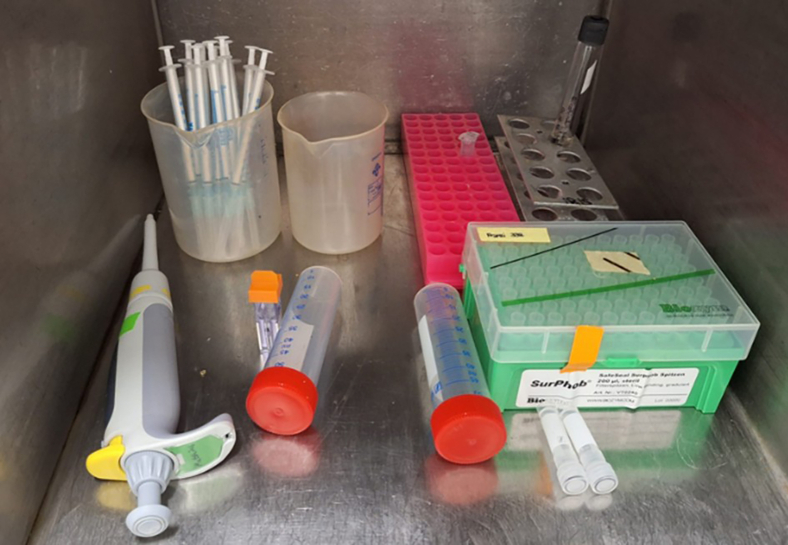 Figure 2
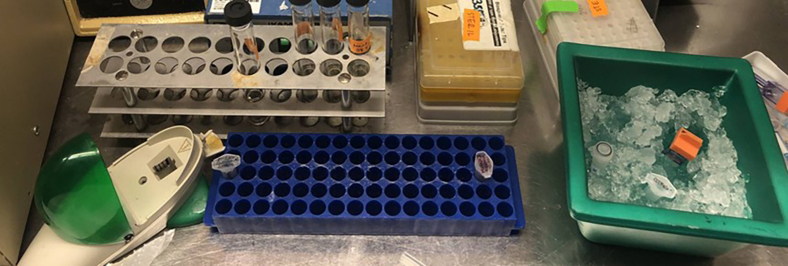 Figure 3
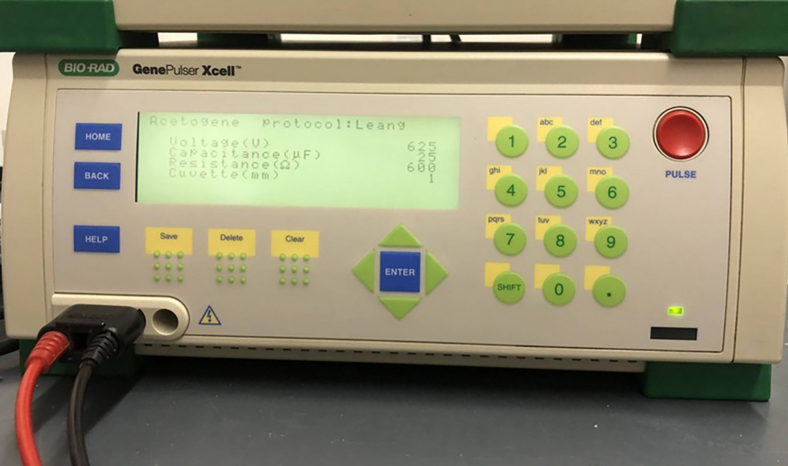 Figure 4
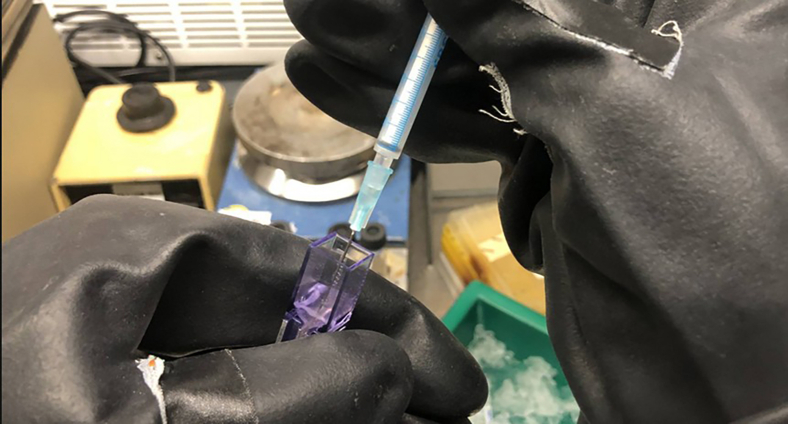 Figure 5
Peer Reviews
No public reviews on file for this paper yet. If you reviewed it on a platform where reviews are public (OpenReview, ICLR, NeurIPS, ICML), you can paste yours below so the community can read it here.
Videos
No videos yet. Explain this paper in a talk, walkthrough, or lecture? Add one.
Taxonomy
TopicsMicrobial Metabolic Engineering and Bioproduction · Algal biology and biofuel production · Microbial Fuel Cells and Bioremediation
Before you begin
The production of electrocompetent cells and subsequent transformation of A. woodii and E. callanderi cells via electroporation requires specialized equipment, including an anaerobic chamber, anaerobic serum bottles for cultivating the cells, an electroporation device, cuvettes, and a centrifuge, located within the anaerobic chamber. A suitable plasmid must also be available before cells can be transformed.
The pMTL80000 series of Clostridium-Escherichia coli shuttle plasmids2 (https://plasmidvectors.com Plasmid Vectors - Synthetic Biology Research Centre, University of Nottingham, Biodiscovery Institute, University Park, Nottingham NG7 2RD) provides several suitable options having different origins of replication (ORIs) and antibiotic resistance cassettes that are functional in acetogens.3 Furthermore, the Clostridium perfringens-E. coli shuttle vectors pJIR750 and pJIR7514 offer suitable features to genetically modify acetogens. Since some acetogens may harbor so far unknown antibiotic-resistance genes, the minimum inhibitory concentration has to be determined if a different antibiotic is intended to be used. The Clostridium-E. coli shuttle plasmids pMTL83251, pMTL83151, pMTL87151, and pJIR750 have been proven to be suitable for A. woodii5^,^6(this work) and pMTL83251, pMTL82251, and pJIR751 for E. callanderi7^,^8(this work).
This protocol uses modified DSM medium 135 (Acetobacterium medium, German Collection of Microorganisms and Cell Cultures (DSMZ), “prepare bacterial growth media” section 1a) and modified DSM 135 media (section “prepare bacterial growth media” 1b) to cultivate A. woodii DSM 1030 and E. callanderi DSM 3468. Both species were grown under strictly anaerobic conditions. Additionally, for preparing competent cells, SMP buffer (270 mM sucrose, 1 mM magnesium chloride, and 7 mM sodium phosphate) and an anti-freezing buffer (section “prepare wash and storage buffers”) are needed to store the cells. At least five days are required to carry out the full procedure described in this protocol. The time required may vary if other species are used. First, the media and buffers must be prepared and autoclaved, and the primary cell culture has to be inoculated. The next day, the main cell culture must be inoculated with additional DL-threonine (40 mM), in the anaerobic chamber, the workspace needs to be prepared. There, the main cell culture can be harvested by centrifugation, and electrocompetent cells can be obtained. The vitality of the cells needs to be checked by inoculating them in fresh media. The electroporation can be performed directly after the preparation of the electrocompetent cells. A. woodii and E. callanderi cell suspensions usually need up to two days after electroporation to double three times their optical density. Only afterwards antibiotics should be added to select for transformed cells.
Prepare bacterial growth media
Timing: ∼4–5 h
- 1.Prepare the growth media for the bacteria.
- a.Modified DSM medium 1355 for the cultivation of A. woodii.Modified DSM medium 135ReagentFinal concentrationAmountKH_2_PO_4_1.76 g·l^−1^1.76 gK_2_HPO_4_8.44 g·l^−1^8.44 gNH_4_Cl0.20 g·l^−1^0.20 gNaHCO_3_10.00 g·l^−1^10.00 gL-cysteine-HCl0.30 g·l^−1^0.30 gNa_2_S · 9 H_2_O0.30 g·l^−1^0.30 gYeast extract3.00 g·l^−1^3.00 gSL-9 trace-element solution0.20 % (v/v)2.00 mlVitamin solution0.20 % (v/v)2.00 mlResazurin solution0.10 % (v/v)1.00 mlDemin. waterN/AAd. 1.00 l**TotalN/A****1.00 lStore at 4°C till color changes from yellow to pink.
- i.Add 2.00 mL trace element solution SL-9.9 Dissolve all components of the medium in demineralized water.Note: SL-9 trace element solution: Dissolve nitrilotriacetic acid, then adjust pH to 6.5 with KOH. Add minerals and adjust pH to 7.0 with KOH.Trace element solution SL-9ReagentFinal concentrationAmountNitrilotriacetic acid (NTA)12.80 g·l^−1^12.80 gFeCl_2_ · 4 H_2_O2.00 g·l^−1^2.00 gMnCl_2_ · 4 H_2_O0.10 g·l^−1^0.10 gCoCl_2_ · 6 H_2_O0.03 g·l^−1^0.03 gCaCl_2_ · 2 H_2_O0.10 g·l^−1^0.10 gZnCl_2_0.10 g·l^−1^0.10 gCuCl_2_0.02 g·l^−1^0.02 gH_3_BO_3_0.01 g·l^−1^0.01 gNa_2_MoO_4_ · 2 H_2_O0.03 g·l^−1^0.03 gNiCl_2_ · 6 H_2_O0.10 g·l^−1^0.10 gNaCl1.00 g·l^−1^1.00 gNa_2_SeO_3_ · 5 H_2_O0.03 g·l^−1^0.03 gNa_2_WO_4_ · 2 H_2_O0.04 g·l^−1^0.04 gDemin. waterN/AAd. 1.00 lTotalN/A1.00 lStore at −20°C up to five years.
- ii.Add 2.00 mL vitamin solution.5Vitamin solutionReagentFinal concentrationAmountBiotin0.025 g·l^−1^0.025 gFolic acid0.025 g·l^−1^0.025 gPyridoxine-HCl0.050 g·l^−1^0.050 gThiamine-HCl · 2 H_2_O0.050 g·l^−1^0.050 gRiboflavin0.050 g·l^−1^0.050 gNicotinic acid0.050 g·l^−1^0.050 gD-Ca-pantothenate0.050 g·l^−1^0.050 gCyanocobalamine0.025 g·l^−1^0.025 gα-Aminobenzoic acid0.050 g·l^−1^0.050 gLipoic acid0.025 g·l^−1^0.025 gDemin. waterN/AAd. 1.00 lTotalN/A1.00 lStore at −20°C up to five years.
- iii.Add 1.00 mL resazurin solution (1.00 g·L^−1^).
- iv.Dissolve all components of the medium in demineralized water.
- b.Modified DSM medium 1357 for cultivating E. callanderi:Modified DSM medium 135ReagentFinal concentrationAmountKH_2_PO_4_1.76 g·l^−1^1.76 gK_2_HPO_4_8.44 g·l^−1^8.44 gNH_4_Cl1.00 g·l^−1^1.00 gNaHCO_3_6.00 g·l^−1^6.00 gL-cysteine-HCl0.44 g·l^−1^0.44 gNaCl3.00 g·l^−1^3.00 gYeast extract2.00 g·l^−1^2.00 gSL-9 trace-element solution0.10 % (v/v)1.00 mlSelenite-tungstate solution0.10 % (v/v)1.00 mlVitamin solution0.10 % (v/v)1.00 mlResazurin solution0.10 % (v/v)1.00 mlDemin. waterN/AAd. 1.00 lTotalN/A1.00 lStore at 4°C till color changes from yellow to pink.
- i.Add 1.00 mL trace element solution SL-99 and 1.00 ml selenite-tungstate solution.9Selenite-tungstate solutionReagentFinal concentrationAmountNaOH0.40 g·l^−1^0.40 gNa_2_SeO_3_ · 5 H_2_O6.00 mg·l^−1^6.00 mgNa_2_WO_4_ · 2 H_2_O8.00 mg·l^−1^8.00 mgDemin. waterN/AAd. 1.00 lTotalN/A1.00 lStore at −20°C up to five years.
- ii.Last add 1.00 ml vitamin solution DSM 141.Vitamin solution DSM 141ReagentFinal concentrationAmountBiotin2.00 mg·l^−1^2.00 mgFolic acid2.00 mg·l^−1^2.00 mgPyridoxine-HCl10.00 mg·l^−1^10.00 mgThiamine-HCl · 2 H_2_O5.00 mg·l^−1^5.00 mgRiboflavin5.00 mg·l^−1^5.00 mgNicotinic acid5.00 mg·l^−1^5.00 mgD-Ca-pantothenate5.00 mg·l^−1^5.00 mgCyanocobalamine0.10 mg·l^−1^0.10 mgα-aminobenzoic acid5.00 mg·l^−1^5.00 mgLipoic acid5.00 mg·l^−1^5.00 mg·l^−1^Demin. waterN/AAd. 1.00 lTotalN/A1.00 lStore at −20°C up to five years.
- iii.Add 1.00 ml of resazurin solution (1.00 g·l^−1^).
- iv.Dissolve all components of the medium in demineralized water.
- 2.Fill the media in hungates (5 ml per hungate) or bottles (50 mL per bottle). The cap of the hungate or bottle contains two parts, a rubber stopper and an autoclavable screw cap. First, place the rubber stopper in the opening and then screw the cap on it.
- 3.Use a vacuum pump to generate underpressure in the vessels and refill with an 80% N_2_ and 20% CO_2_ gas atmosphere, repeat this seven times. Then, puncture the rubber stopper with a cannula to release overpressure.
Note: Alternatively, cook the media for 20 min. Afterward, cool it on ice, while flushing it with N_2_. If the medium is cooled down, it can be aliquoted into hungates or bottles in the anaerobic chamber.
- 4.Autoclave the media for 15 min at 121°C and 1.2 bar.
Note: Check first if your bottle can withstand this pressure.
- 5.Add sterile, anaerobic MgSO_4_ and fructose solution using syringes to reach a final concentration of 1.5 mM MgSO_4_ and 45 mM fructose.
- 6.Store the media, fructose solution, and MgSO_4_ solution at room temperature.
Note: If you store them at 4°C, incubate them at room temperature or the desired cultivation temperature before using them.
- 7.Aliquot the trace element solution SL-9,9 vitamin solution,10 selenite-tungstate solution,9 and vitamin solution DSM 141 in 50 mL aliquots and freeze them at −20°C.
Prepare wash and storage buffers
Timing: ∼2 h
- 8.Prepare SMP buffer.
- a.SMP buffer contains 92.42 g·l^−1^sucrose, 0.204 g·l^−1^ MgCl_2_·6H_2_O and 0.840 g·l^−1^ NaH_2_PO_4_.
- b.Adjust the pH to a value of 6.
- c.Cook the buffer for 20 min.
- d.Afterwards, cool it on ice, while flushing the buffer with N_2_.
- e.Finally, refill the buffer with anaerobic water to the desired volume in an anaerobic chamber.
- 9.Prepare an anti-freezing buffer by mixing SMP buffer with 20% anaerobic, sterile dimethyl sulfoxide under anaerobic conditions.
- 10.Store SMP- and anti-freezing buffer at 4°C.
Workspace preparation
Timing: ∼30 min
- 11.The day before preparing competent cells and the electroporation procedure:
Transfer all needed materials and devices into the anaerobic chamber to degas the remaining oxygen in the devices (Figure 1).CRITICAL: Adherent oxygen in plastic devices may promote lethal effects on anaerobic bacteria.Figure 1. Prepared materials in the transfer gate of the anaerobic chamber for the production of competent cells and their transformation
Isolation of the plasmid from E. coli
Timing: ∼30 min
- 12.Inoculate E. coli strains that harbor the plasmid of interest with respective antibiotics in lysogeny broth media.11
- 13.Incubate while shaking at 37°C and 130 rpm overnight.
- 14.Harvest the cells.
- 15.Isolate the plasmid with the Zyppy Plasmid Miniprep Kit (Zymo Research) according to the manufacturer’s instructions.
Alternatives: Alternatively, the plasmid can be isolated with the Monarch Plasmid Miniprep Kit.
- 16.Determine plasmid DNA concentration.
Note: Choose an E. coli strain carrying no DNA methyltransferases, such as E. coli DH5a or E. coli SCS110. Bacteria tend to methylate their own DNA in a specific way and harbor respective restriction-modification systems (RM)1^,^12 as a defense mechanism, which protects the organisms from foreign DNA. There is not much known about restriction modification systems in A. woodii and E. limosum.13 However, unmethylated DNA from E. coli DH5α or E. coli SCS110 is accepted by both organisms.
Key resources table
REAGENT or RESOURCESOURCEIDENTIFIERBacterial and virus strainsA. woodii ΔpyrE ΔlctBCD**A. woodii DSM1030Mook et al.6German Collection of Microorganisms and Cell Cultures (DSMZ)Awo_c00860,Locus Tag 16S rDNAE. callanderi DSM 3468German Collection of Microorganisms and Cell Cultures (DSMZ)EUCMar_02330Locus Tag 16S rDNAChemicals, peptides, and recombinant proteinsα-Aminobenzoic acidFluka150-13-0Ammonium chlorideCarl Roth12125-02-9BiotinSigma58-85-5Boric acidMerck10043-35-3Calcium chloride dihydrateMerck10035-04-8Cobalt chloride hexahydrateMerck7791-13-1Copper (II) chloride hexahydrateMerck10125-13-0CyanocobalaminFluka68-19-9D-calcium pantothenateMerck137-08-6Dimethyl sulfoxideCarl Roth67-68-5Dipotassium hydrogen carbonateCarl Roth298-14-6Folic acidSigma59-30-3FructoseCarl Roth57-48-7Iron (II) chloride tetrahydrateMerck13478-10-9L-cysteine hydrochloric acid monohydrateMerck7048-04-6Lipoic acidFluka1077-28-7Magnesium chloride hexahydrateSigma7791-18-6Magnesium sulfate heptahydrateSigma10034-99-8Manganese (II) chloride dihydrateMerck20603-88-7Nickel chloride hexahydrateSigma7718-54-9Nicotic acidAppliChem59-67-6Nitrilotriacetic acidFluka139-13-9Potassium bicarbonateAppliChem298-14-6Potassium phosphate dibasicSigma7758-11-4Potassium phosphate monobasicSigma7778-77-0Pyridoxine hydrochloric acidFluka58-56-0RiboflavinSupelco83-88-5SaccharoseCarl Roth57-50-1Sodium bicarbonateCarl Roth144-55-8Sodium chlorideCarl Roth7647-14-5Sodium dihydrogen phosphateSigma13472-35-0Sodium dioxido(dioxo)molybdenum dihydrateMerck10102-40-6Sodium hydroxideCarl Roth1310-73-2Sodium selenite pentahydrateMerck26970-82-1Sodium sulfide nonahydrateMerck1313-84-4Sodium tungstate dihydrateMerck10213-10-2Thiamine hydrochloric acid dihydrateMerck67-03-8Yeast extractBatcoREF: 212750Zinc chlorideFluka7646-85-7Recombinant DNApMTL87151Plasmid Vectors - Synthetic Biology Research CentreUniversity of Nottingham Biodiscovery InstituteUniversity ParkNottingham NG7 2RDN/ApMTL83251Plasmid Vectors - Synthetic Biology Research CentreUniversity of Nottingham Biodiscovery InstituteUniversity ParkNottingham NG7 2RDN/ApJIR751Bannam and Rood4N/ASoftware and algorithmsDraw.io()Graphic created using Draw.io 2005-2023 JGraph Ltd., Artisans' House, 7 Queensbridge, NN4 7BF, Northampton, England. Company #04051179.N/AOtherAnaerobic chambercustom-madeN_2_ + H_2_ (95% nitrogen with 5% hydrogen)MTI Industriegase AG (Neu-Ulm, Germany)7727-37-9 (CAS N2) + 1333-74-0 (CAS H2)N_2_ + CO_2_ (80% nitrogen with 20% carbon dioxide)MTI Industriegase AG (Neu-Ulm, Germany)7727-37-9 (CAS N2) + 124-38-9 (CAS CO2)N_2_ (100% nitrogen)MTI Industriegase AG (Neu-Ulm, Germany)7727-37-9Threaded bottle DURAN pressure+ protect+, 500 mlDWK Life Sciences500 mLRubber stoppersDWK Life SciencesGL 45Screw caps with boreDWK Life SciencesGL 45Cooling centrifugeHettichUniversal 320RFalcon tubesSarstedt AG62.547.205Gene Pulser Xcell Electroporation SystemsBio-Rad#1652660Electroporation cuvettes 1 mmBiozym Scientific GmbH748010Cryo-tubesSarstedt AG72.694.600SyringesErsta1 mL, 2 mL, 5 mLCannulasBD Microlance0.8 × 40 mmHungatesBellco2047–00125Hungate photometerThermo ScientificGenesys30Zyppy Plasmid Miniprep KitThe Epigenetics CompanyZRC178558
Step-by-step method details
Preparation of electrocompetent cells using the example of A. woodii
Timing: ∼18 h (split across multiple days) Note: The same protocol can be used for E. callanderi.
Day 1 ∼5 pm:
- 1.Inoculate the A. woodii main cell culture in 100 mL DSM 135 mod. media5 with 40 mM DL-threonine and 45 mM fructose to an OD_600_ of 0.09 ± 0.05.
- 2.Incubate overnight at 30°C. Figure 2. Prepared workspace in the anaerobic chamber with competent cell suspension in a cryotube, an electroporation cuvette, and plasmid DNA on iceFigure 3Bio-Rad GenePulser Xcell with set parameters for the electroporationFigure 4Transfer of electroporated cells from electroporation cuvette into fresh media with a syringe
Day 2 ∼9 am.
- 3.A. woodii main cell culture should have reached an OD_600_ of around 0.3.
- 4.Put the bottle of this cell suspension on ice.
- 5.Transfer the cooled A. woodii cell suspension, the pre-cooled SMP, and anti-freezing buffer into the anaerobic chamber.
- 6.Store the buffers and the cell suspension on ice.
- 7.Divide the A. woodii cell suspension into 50 mL falcon tubes and harvest the cells by centrifugation at 4°C, 7,690 × g for 10 min.
- 8.Discard supernatant.
- 9.Wash the cells twice with 20 mL cooled SMP buffer and centrifuge at 4°C, 7,690 × g for 10 min respectively.
- 10.Discard supernatant.
- 11.Suspend the cell pellet in each falcon in 720 μL cooled anti-freezing buffer.
- 12.Transfer the cell suspension in cryo-tubes and store at −80°C.
Transformation of electrocompetent cells using the example of A. woodii
Timing: ∼2 h Note: The same protocol can be used for E. callanderi. Note: The following steps need to be performed in an anaerobic chamber.
- 13.Mix 3–5 μg plasmid DNA with 25 μL of electrocompetent cells in a pre-cooled 1 mm electroporation cuvette (Figure 2).
- 14.Incubate the cell plasmid mixture on ice for 5 min.
- 15.Put the electroporation cuvette in a Shockpod cuvette chamber and apply current with the conditions: 625 V, 25 μF, 600 Ω (Figure 3).
- 16.Transfer the cells immediately into 5 mL fresh medium (Figure 4) without antibiotics.
- 17.Recover the A. woodii cells at 30 °C in 5 mL modified DSM 135 medium.
- 18.Monitor the OD_600_ of the electroporated cells.
- 19.Induce the cells after two doublings by adding sufficient amounts of the appropriate antibiotics with a syringe to select the recombinant strain.
Note: Recommended antibiotics for working with A. woodii are clarithromycin (5 μg mL^−1^) and thiamphenicol (15 μg mL^−1^). The antibiotic stocks do not necessarily have to be anaerobic. Note: Bring a waste vessel into the anaerobic chamber. Store an adhesive tape in the anaerobic chamber to fix potential holes in the gloves. If you puncture yourself with a syringe through the glove, follow the first aid instructions of your lab.
Expected outcomes
This protocol describes a validated method based on Leang et al., 20131 to produce electrocompetent cells of different anaerobic species. The final results of this protocol are recombinant strains of anaerobic bacteria such as A. woodii or E. callanderi (Table 1), which need to be verified by plasmid isolation and restriction digest or PCR amplification (Figures S1–S7). Since plasmids carry an antibiotic resistance gene, the recombinant strain must grow in the presence of the specific antibiotic and show at least three doublings. The described protocol was successfully used to obtain the recombinant strains listed in Table 2.Table 1. Selection of performed transformations with variations of the parameters plasmid DNA, plasmid sizes, ORI, and used plasmid DNA massesPlasmidORIPlasmid size (bp)Used plasmid mass (ng)Antibiotic resistance genesOrganismNumber of hungate tubes inoculated with cell suspensionNumber of cell suspensions growing in the presence of antibiotics that have been positively validated by proving presence of plasmid DNApMTL87151 (Figure S5)pUB1104,5893,000; 4,000; 5,000catP**A. woodii ΔpyrE ΔlctBCD63; 2; 23; 2; 2pMTL87151 (Figure S4)pUB1104,5893,000catP**A. woodii ΔpyrE ΔlctBCD [pMTL83251]22∗pMTL832512 (Figure S6)pCB1025,4933,000ermB**A. woodii ΔpyrE ΔlctBCD622pMTL832512pCB1025,4934,000ermB**A. woodii ΔpyrE ΔlctBCD [pMTL87151] (Baur, unpublished)22pMTL871ksb_Ppta-ack_act_PackA-theo_pfl (this study)(Figure S7)pUB1107,9543,000catP**A. woodii ΔpyrE ΔlctBCD622pMTL871ksb_Ppta-ack_act_PackA-theo_pfl (this study)(Figure S7)pUB1107,9543,000catP**A. woodii ΔpyrE ΔlctBCD [pMTL83251_PlctA_ldhD-NFP]22pMTL871ksb_Ppta-ack_act_PackA-theo_pfl (this study)(Figure S7)pUB1107,9543,000catP**A. woodii ΔpyrE ΔlctBCD [pMTL83251_PbgaL_ldhD-NFP]622MPD2114 (Figure S8)pCD69,3153,000; 4,000catP**A. woodii ΔpyrE ΔlctBCD62; 22; 2MPD23_PbgaL_ldhD-LM (this study)(Figure S3)pCD611,6963,000; 4,000; 5,000catP**A. woodii ΔpyrE ΔlctBCD ΔpheA (Baur, unpublished)4; 4; 20; 4; 0pJIR7514 (Figure S2)pIP4045,9543,500ermB**E. callanderi DSM 3468833pJIR751_PbgaL_FAST (Flaiz, unpublished)(Figure S1)pIP4048,0613,500ermB**E. callanderi DSM 3468822The ∗-marked plasmid pMTL83251 is a suitable control to check electrocompetent A. woodii or E. callanderi cells, and proper implementation of the transformation via electroporation.Table 2. Successfully performed transformations following this protocol with different speciesOrganismExisting genetic modificationsA. woodii DSM 1030^T^
- •plasmid-based expression of the acetone production operon from Clostridium acetobutylicum ATCC 824 including the thiolase A (ThlA), the acetoacetyl-CoA:acetate/butyrate CoA transferase (CtfA/CtfB), and the acetoacetate decarboxylase (Adc)5
- •plasmid-based expression of the arginine deiminase pathway genes from Clostridium autoethanogenum DSM 1006115
- •plasmid-based expression of an isobutanol synthesis pathway consisting of the ketoisovalerate ferredoxin oxidoreductase (Kor) from Clostridium thermocellum DSM 1313 and the bifunctional aldehyde/alcohol dehydrogenase (AdhE2) from C. acetobutylicum ATCC 82416
- •plasmid-based expression of an isobutanol synthesis pathway consisting of ketoisovalerate decarboxylase from Lactococcus lactis and alcohol dehydrogenase from Corynebacterium glutamicum DSM 2030016
- •plasmid-based expression of hcs cluster from C. carboxidivorans P7 DSM15243 for conversion of acetyl-CoA to butyryl-CoA by reverse β-oxidation17
- •improvement of the acetone production in A. woodii via the plasmid-based expression of the thiolase A (ThlA) from Clostridium kluyveri DSM 555, and the acetoacetyl-CoA:acetate/butyrate CoA transferase (CtfA/CtfB), and the acetoacetate decarboxylase (Adc) from C. acetobutylicum ATCC 82418
- •improvement of the acetone production in A. woodii via the plasmid-based expression of the acetoacetyl-CoA:acetate/butyrate CoA transferase (CtfA/CtfB) from C. aceticum DSM 1496, and the thiolase A (ThlA) and the acetoacetate decarboxylase (Adc) from C. acetobutylicum ATCC 82418
- •improvement of the acetone production in A. woodii via the plasmid-based expression of the thiolase A (ThlA) from Clostridium kluyveri DSM 555, the acetoacetyl-CoA:acetate/butyrate CoA transferase (CtfA/CtfB) from C. aceticum DSM 1496, and the acetoacetate decarboxylase (Adc) from C. acetobutylicum ATCC 82419
- •improvement of the acetone production in A. woodii via the plasmid-based expression of the thiolase A (ThlA) and the acetoacetyl-CoA:acetate/butyrate CoA transferase (CtfA/CtfB) from C. scatologenes DSM 757, and the acetoacetate decarboxylase (Adc) from C. acetobutylicum ATCC 82419
- •improvement of the acetone production in A. woodii via the plasmid-based expression of the thiolase A (ThlA) from C. scatologenes DSM 757 and the acetoacetyl-CoA:acetate/butyrate CoA transferase (CtfA/CtfB), and the acetoacetate decarboxylase (Adc) from C. acetobutylicum ATCC 82419
- •improvement of the isopropanol production in A. woodii via the plasmid-based expression of the acetone production operon from Clostridium acetobutylicum ATCC 824 including the thiolase A (ThlA), the acetoacetyl-CoA:acetate/butyrate CoA transferase (CtfA/CtfB), and the acetoacetate decarboxylase (Adc) and the secondary alcohol dehydrogenase (SadH) of Clostridium beijerinckii DSM 642310
- •improvement of the isopropanol production in A. woodii via the plasmid-based expression of the acetone production operon from Clostridium acetobutylicum ATCC 824 including the thiolase A (ThlA), the acetoacetyl-CoA:acetate/butyrate CoA transferase (CtfA/CtfB), and the acetoacetate decarboxylase (Adc) and the secondary alcohol dehydrogenase (SadH) of Clostridium ljungdahlii DSM 1352810
- •plasmid-based expression of a synthetic 3-hydroxybutyrate pathway including the thiolase A (ThlA), the 3-hydroxy butyryl-CoA dehydrogenase gene (Hbd), and the crotonase (Crt) from C. scatologenes ATCC 25775 as well as the (R)-enoyl-CoA hydratase gene (PhaJ) and polyhydroxyalkanoate (PHA) synthase (PhaC/ PhaE) from C. acetireducens DSM 1070310 Clostridium coskatii ATCC PTA-10522
- •plasmid-based expression of the genes expressing gene products for polyhydroxy butyrate (PHB) synthesis originating from Cupriavidus necator DSM 42820
- •plasmid-based expression of the genes required for PHB synthesis originating from Burkholderia thailandensis DSM 1327620
- •plasmid-based expression of a synthetic 3-hydroxybutyrate pathway including the thiolase A (ThlA) and the acetoacetyl-CoA:acetate/butyrate CoA transferase (CtfA/CtfB) originating from C. acetobutylicum ATCC 824 and the 3-hydroxybutyrate dehydrogenase (BdhA) from Clostrioides difficile DSM 2754320
- •plasmid-based expression of a synthetic 3-hydroxybutyrate pathway including the thiolase A (ThlA), the 3-hydroxy butyryl-CoA dehydrogenase gene (Hbd), and the crotonase (Crt) from C. scatologenes ATCC 25775 as well as the (R)-enoyl-CoA hydratase gene (PhaJ) and polyhydroxyalkanoate (PHA) synthase (PhaC/ PhaE) from C. acetireducens DSM 1070320 Clostridium ljungdahlii DSM 13583^T^
- •plasmid-based expression of the genes needed for PHB synthesis originating from Cupriavidus necator DSM 42820
- •plasmid-based expression of the genes required for PHB synthesis originating from Burkholderia thailandensis DSM 1327620
- •plasmid-based expression of a synthetic 3-hydroxybutyrate pathway including the thiolase A (ThlA) and the acetoacetyl-CoA:acetate/butyrate CoA transferase (CtfA/CtfB) originating from C. acetobutylicum ATCC 824 and a gene encoding the hydroxybutyrate dehydrogenase (BdhA) from Clostrioides difficile DSM 2754320
- •plasmid-based expression of a synthetic 3-hydroxybutyrate pathway including the thiolase A (ThlA), the 3-hydroxy butyryl-CoA dehydrogenase (Hbd), and the crotonase from C. scatologenes ATCC 25775 as well as the genes encoding the (R)-enoyl-CoA hydratase (PhaJ) and PHA synthase (PhaC/ PhaE) from C. acetireducens DSM 1070320
- •plasmid-based expression of an isobutanol synthesis pathway consisting of ketoisovalerate ferredoxin oxidoreductase (Kor) from Clostridium thermocellum and bifunctional aldehyde/alcohol dehydrogenase (AdhE2) from C. acetobutylicum16
- •plasmid-based expression of an isobutanol synthesis pathway consisting of ketoisovalerate decarboxylase from Lactococcus lactis and alcohol dehydrogenase from Corynebacterium glutamicum16 A. woodii ΔpyrE ΔlctBCD
- •plasmid-based expression of the D-lactate dehydrogenase originating from Leuconostoc mesenteroides6
- •plasmid-based expression of a fluorescence-activating and absorption-shifting tag (FAST)6
- •plasmid-based expression of a tandem fluorescence-activating and absorption-shifting tag (FAST2)-tagged D-lactate dehydrogenase originating from L. mesenteroides6 Eubacterium limosum B2 (not publicly available)
- •plasmid-based expression of FAST7^,^8
- •plasmid-based expression of FAST27
- •plasmid-based expression of the bifunctional aldehyde/alcohol dehydrogenase (AdhE2) FAST-tagged and non-FAST-tagged from C. acetobutylicum7
- •plasmid-based expression of the acetone production operon including thiolase A (ThlA), the acetoacetyl-CoA:acetate/butyrate CoA transferase (CtfA/CtfB), and the acetoacetate decarboxylase (Adc) originating from C. acetobutylicum ATCC 8247
- •plasmid-based expression of the FAST-tagged acetoacetate decarboxylase (Adc) originating from C. acetobutylicum ATCC 8247 E. limosum DSM 20543^T^
- •plasmid-based expression of FAST8 Eubacterium callanderi DSM 3662^T^
- •plasmid-based expression of FAST8 Eubacterium callanderi KIST612 (not publicly available)
- •plasmid-based expression of FAST8 Eubacterium callanderi DSM 2593
- •plasmid-based expression of FAST8 Eubacterium callanderi DSM 2594
- •plasmid-based expression of FAST8 Eubacterium maltosivorans DSM 20517
- •plasmid-based expression of FAST8
Limitations
This protocol was successfully used to perform electroporations of cells with plasmids, ranging from 4,000 to 12,000 bp (Tables 1 and 2). DNA masses of plasmids between 3.0 and 5.0 μg DNA usually result in a successful transformation. The recovery time of the cells after transformation depends on the species, the quality of the produced competent cells, and the size of the plasmid DNA in base pairs. Slow-growing species and transformations involving large plasmids may require extended regeneration time.
Another limitation is the cultivation of A. woodii and E. callanderi on a plate. These organisms do not grow on plates in the gas atmosphere of our anaerobic chamber (95% N_2_ + 5% H_2_). An option is to cultivate them on slant-poured agar, in hungates or anaerobic bottles to change the gas atmosphere around the poured agar. The colonies only grow on the thin edge areas of the agar, which is why single colonies are very rare and a selection from solid medium is difficult and laborious. In this protocol, A. woodii and E. callanderi cells are grown in closed hungate tubes after electro-pulsing to avoid contamination.
Humphreys et al.21 reached promising transformation efficiencies in their study with E. callanderi, formerly known as Butyribacterium methylotrophicum, using a similar protocol. They used 1.0 μg plasmid DNA of pMTL83151, pMTL84151, and pJRHN1. With pMTL83151 they reached a transformation efficiency of 18.0 ± 2.5 cell forming units (CFU)/μg DNA, followed by pMTL84151 at 305.0 ± 38.0 CFU/μg DNA and pJRHN1 with by far the highest transformation efficiency of 6.0 · 10^5^ ± 3.0 · 10^4^ CFU/ μg DNA.21 Leang and colleagues optimized their protocol for the transformation of C. ljungdahlii DSM 13528 reaching transformation efficiencies of 1.1 ± 0.1 transformants/μg DNA with the vector pCL1, 14.9 ± 4.9 transformants/μg DNA with pQexp, 1.7 · 10^4^ ± 0.6 · 10^4^ transformants/μg DNA with pCL2, 3.8 · 10^3^ ± 0.2 · 10^3^ transformants/μg DNA with the vector pMTL82151 and 3.1 · 10^3^ ± 1.8 · 10^3^ transformants/μg DNA with the vector pMTL83151.1 The optimizations to increase the transformation efficiency comprise lowering the pH of the SMP buffer from 7.4 to 6, harvesting the cell to prepare competent cells at an OD_600_ value of 0.2–0.3 instead of 0.3–0.7, and increasing the cell density in the final electrocompetent cell suspension.1 The work of Humphreys and colleagues and Leang and colleagues shows that choosing a vector with a suitable ORI positively affects transformation efficiency.
Troubleshooting
Problem 1
Arcing with a cracking noise in the cuvette chamber during the setting of the electric pulse while transforming the electrocompetent cells (“transformation of electrocompetent cells using the example of A. woodii,” step 15).
Potential solution
The DNA was diluted in a buffer with too high salt concentration. A high salt concentration can lead to a short circuit during electroporation. A solution is to reduce the salts in the buffer or to replace the buffer with water before it is added to the cells.
Problem 2
Low transformation yield (“transformation of electrocompetent cells using the example of A. woodii,” steps 13–19).
Potential solution
- •The transformation efficiency of the electrocompetent cells can be diminished if the cells and the buffers are not cooled during the production of the competent cells and the transformations. Ensure that the cells are always cooled during the process!
- •It is important to check the restriction-modification system (RM system) of other species that should be transformed, as well as the E. coli strain in which the plasmid was constructed, to carry out a successful transformation. Both the RM systems of the organism to be transformed and the E. coli strain should match.
- •Adapting the electroporation parameters (e.g. voltage) can be a solution.
- •It is possible to freeze and thaw the competent cells multiple times, but the transformation efficiency decreases with the number of thaw cycles. Even longer storage times can reduce the transformation efficiency.
- •Too little DNA mass has been used.
- •Avoid using low concentrations of plasmid DNA that would result in a large volume of plasmid DNA solution added. Too high dilution of the cell suspension can cause a lower transformation efficiency. Avoid DNA solution volumes of more than 10 μL.
Resource availability
Lead contact
Further information should be directed to and will be fulfilled by the lead contact, Kira Sofie Baur ([email protected]).
Technical contact
Questions about the technical specifics of performing the protocol should be directed to and will be answered by the technical contact, Kira Sofie Baur ([email protected]).
Materials availability
This protocol generated a collection of recombinant A. woodii strains with resistances against clarithromycin and thiamphenicol.
Data and code availability
This study did not generate datasets or codes.
Acknowledgments
The authors acknowledge Franzsiska Höfele and Felix M. Wagenblast for proofreading.
This study was funded by the 10.13039/501100001659German Research Foundation DFG (priority program InterZell [SPP2170], project CaproSyn, project no. 427864786).
Author contributions
K.S.B. drafted the text for this manuscript, illustrated the graphical abstract using draw.io, and performed the A. woodii transformations shown. B.R. performed the E. callanderi transformations shown. A.K. and T.R. performed a transformation of E. callanderi cells to illustrate the text with photos and looked up the identifier of the used materials. F.R.B. supervised the study.
Declaration of interests
The authors declare no competing interests.
The reference list from the paper itself. Each links out to its DOI / PubMed record.
- 1Leang C.Ueki T.Nevin K.P.Lovley D.R.A genetic system for Clostridium ljungdahlii: a chassis for autotrophic production of biocommodities and a model homoacetogen Appl. Environ. Microbiol.792013110211092320441310.1128/AEM.02891-12PMC 3568603 · doi ↗ · pubmed ↗
- 2Heap J.T.Pennington O.J.Cartman S.T.Minton N.P.A modular system for Clostridium shuttle plasmids J. Microbiol. Methods 78200979851944597610.1016/j.mimet.2009.05.004 · doi ↗ · pubmed ↗
- 3Jin S.Bae J.Song Y.Pearcy N.Shin J.Kang S.Minton N.P.Soucaille P.Cho B.-K.Synthetic biology on acetogenic bacteria for highly efficient conversion of C 1 gases to biochemicals Int. J. Mol. Sci.21202076393307647710.3390/ijms 21207639 PMC 7589590 · doi ↗ · pubmed ↗
- 4Bannam T.L.Rood J.I.Clostridium perfringens-Escherichia coli shuttle vectors that carry single antibiotic resistance determinants Plasmid 291993233235835611710.1006/plas.1993.1025 · doi ↗ · pubmed ↗
- 5Hoffmeister S.Gerdom M.Bengelsdorf F.R.Linder S.Flüchter S.Öztürk H.Blümke W.May A.Fischer R.J.Bahl H.Dürre P.Acetone production with metabolically engineered strains of Acetobacterium woodii Metab. Eng.36201637472697166910.1016/j.ymben.2016.03.001 · doi ↗ · pubmed ↗
- 6Mook A.Beck M.H.Baker J.P.Minton N.P.Dürre P.Bengelsdorf F.R.Autotrophic lactate production from H 2 + CO 2 using recombinant and fluorescent FAST-tagged Acetobacterium woodii strains Appl. Microbiol. Biotechnol.1062022144714583509245410.1007/s 00253-022-11770-z PMC 8882112 · doi ↗ · pubmed ↗
- 7Flaiz M.Ludwig G.Bengelsdorf F.R.Dürre P.Production of the biocommodities butanol and acetone from methanol with fluorescent FAST-tagged proteins using metabolically engineered strains of Eubacterium limosum Biotechnol. Biofuels 1420211173397194810.1186/s 13068-021-01966-2PMC 8111989 · doi ↗ · pubmed ↗
- 8Flaiz M.Poehlein A.Wilhelm W.Mook A.Daniel R.Dürre P.Bengelsdorf F.R.Refining and illuminating acetogenic Eubacterium strains for reclassification and metabolic engineering Microb. Cell Fact.232024243823384310.1186/s 12934-024-02301-8PMC 10795377 · doi ↗ · pubmed ↗