Revisiting oxygen toxicity: evolution and adaptation to superoxide in a SOD-deficient bacterial pathogen
Samuel G. Huete, Alejandro Leyva, Etienne Kornobis, Thomas Cokelaer, Pierre Lechat, Marc Monot, Rosario Duran, Mathieu Picardeau, Nadia Benaroudj

TL;DR
This study explores how a bacteria lacking superoxide-scavenging enzymes adapts to oxygen toxicity through metabolic changes.
Contribution
The paper reveals redox-based metabolic rewiring as a novel adaptation mechanism in SOSE-deficient pathogens.
Findings
Leptospira interrogans upregulates cysteine biosynthesis and isopropylmalate synthase to combat superoxide stress.
LeuA2, an isopropylmalate synthase, lacks feedback inhibition and is uniquely upregulated by superoxide.
Sulfur metabolism plays a significant role in adaptation to superoxide in SOSE-deficient bacteria.
Abstract
Dioxygen (O2) is vital for aerobic life, but its utilization leads to the inevitable production of superoxide, a toxic oxidant. The prevailing theory of oxygen toxicity postulates that superoxide-scavenging enzymes (SOSEs), such as superoxide dismutases (SODs), are crucial for most aerobes and play a key role in the virulence of pathogens. However, our knowledge of superoxide adaptation primarily stems from the study of SOSE-encoding bacteria. Here, we investigated the evolution of a naturally SOSE-deficient pathogen (Leptospira spp.) and its alternative mechanisms to combat superoxide stress. We demonstrated that SOD was ancestral in the genus Leptospira but lost by pathogenic species, and heterologous expression of a SOD in this pathogen did not improve superoxide tolerance. In L. interrogans, inheritable increased expression of a genetic locus, including a MFS transporter, mediated a…
Genes, proteins, chemicals, diseases, species, mutations and cell lines named across the full text — each resolved to its canonical identifier and authoritative record.
Click any figure to enlarge with its caption.
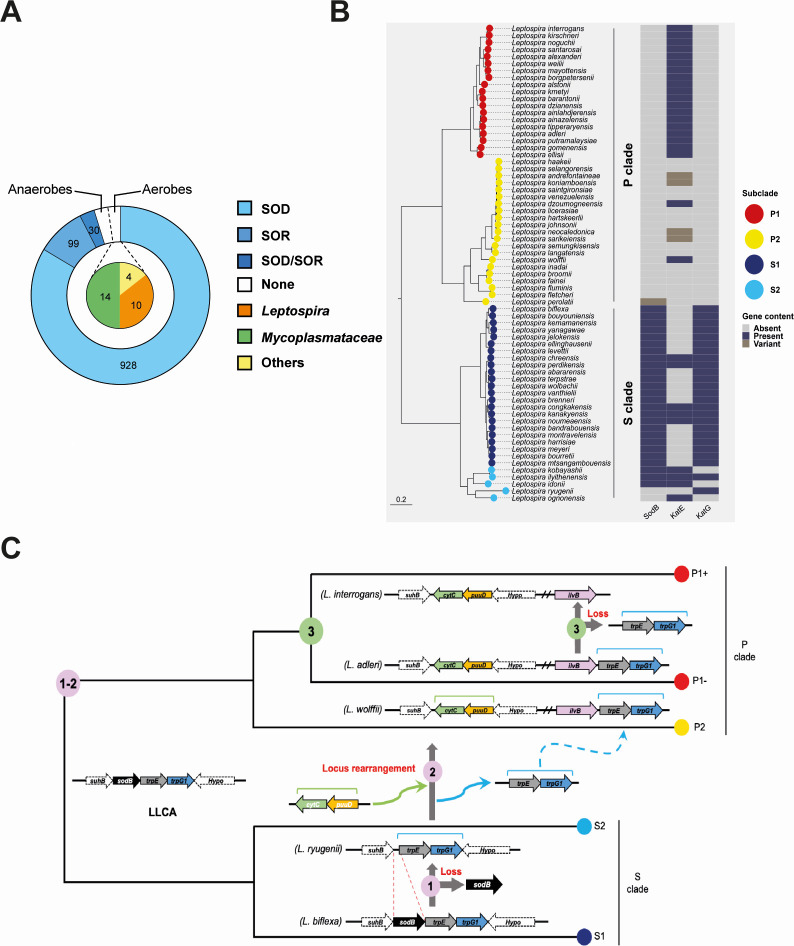 Figure 1
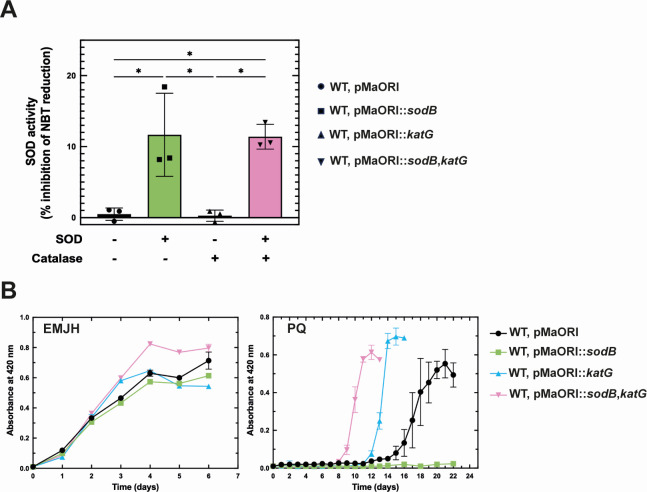 Figure 2
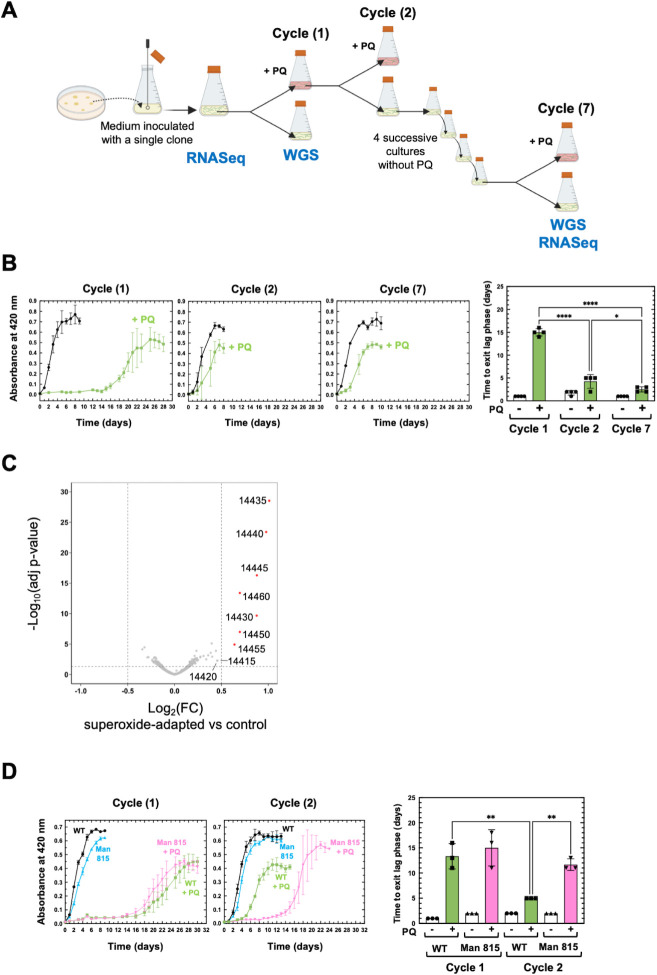 Figure 3
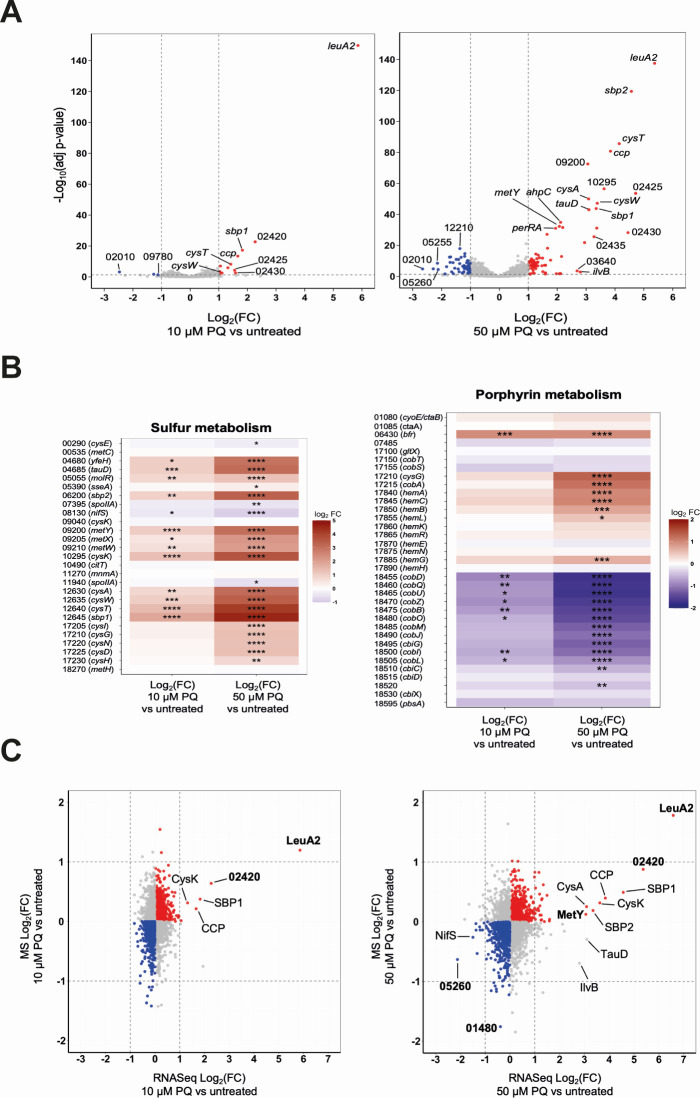 Figure 4
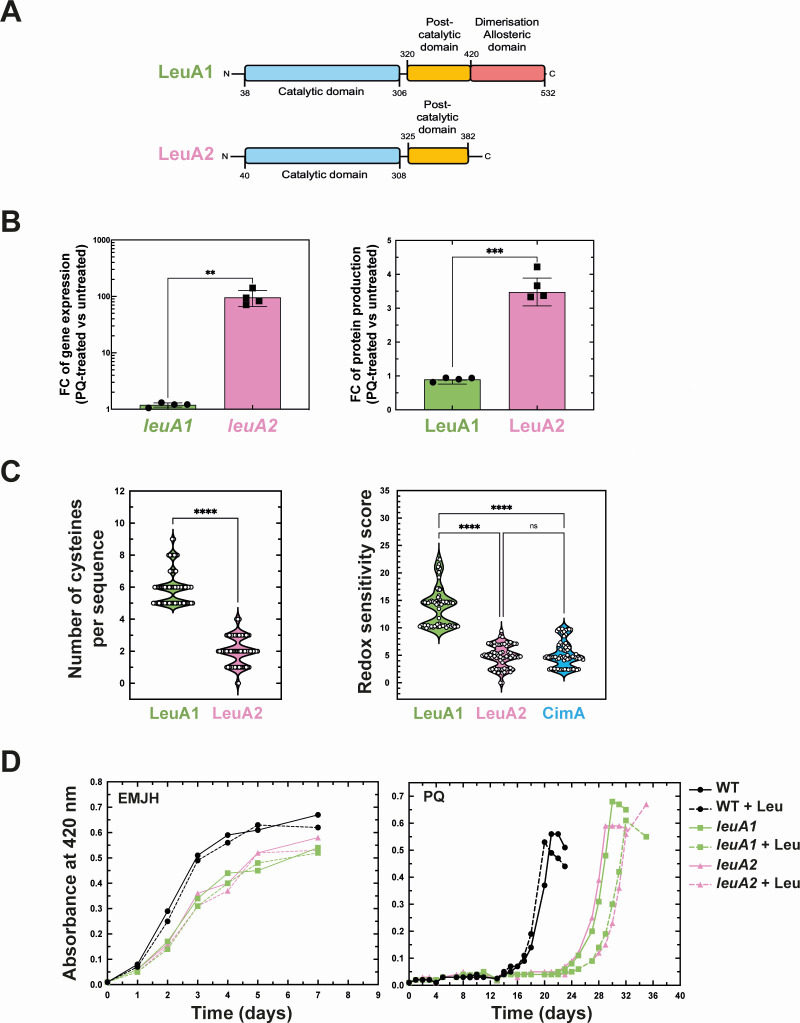 Figure 5
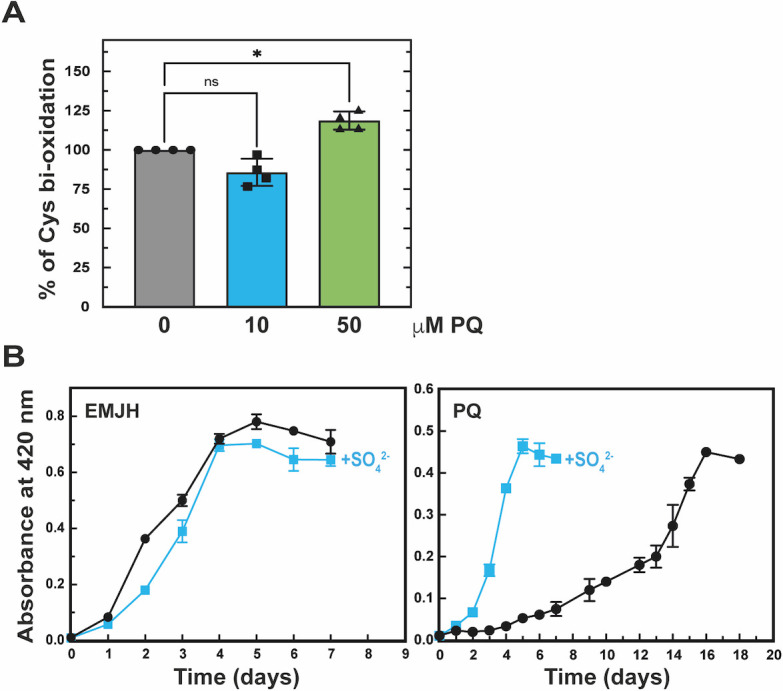 Figure 6
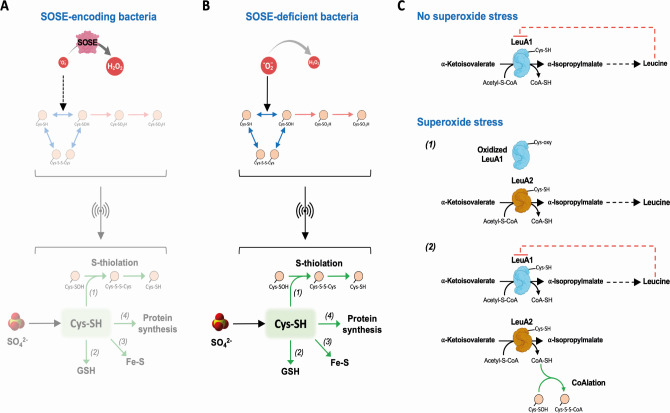 Figure 7
Peer Reviews
No public reviews on file for this paper yet. If you reviewed it on a platform where reviews are public (OpenReview, ICLR, NeurIPS, ICML), you can paste yours below so the community can read it here.
Videos
No videos yet. Explain this paper in a talk, walkthrough, or lecture? Add one.
Taxonomy
TopicsLeptospirosis research and findings · Viral Infections and Vectors · Vector-borne infectious diseases