Mechanistic insights into JSS1_004-mediated antagonism of the DndBCDE-FGH restriction system and engineering applications
Yu He, Susu Jiang, Fang Wang, Junwu Bi, Siting Li, Fuliang Yin, Shi Chen, Chao Chen, Lianrong Wang

TL;DR
This study reveals how the JSS1_004 protein from a phage neutralizes a bacterial defense system and how it can be modified for safer phage therapy.
Contribution
The study identifies the dual functional domains of JSS1_004 and engineers less toxic variants for biotechnological use.
Findings
Both the N-terminal kinase and C-terminal shutoff domains of JSS1_004 are essential for antagonizing the DndBCDE-FGH system.
JSS1_004 represses the dndBCDE-FGH operon and regulates host genes involved in protein synthesis.
Engineered JSS1_004 variants maintain antagonistic activity while reducing host toxicity for phage therapy applications.
Abstract
The bacterial DNA phosphorothioate (PT) modification system is orchestrated by the DndCDE enzymatic complex. This system collaborates with restriction components DndF, DndG, and DndH to establish a widespread prokaryotic anti-phage defense network. In the evolutionary arms race, phages such as JSS1 have evolved counter strategies, including the expression of the JSS1_004 protein, to subvert PT-mediated host immunity. Although the N-terminal kinase domain of JSS1_004 is known to inhibit DndFGH through phosphorylation-dependent inactivation, the functional role of its C-terminal shutoff domain remained enigmatic. Here, we demonstrate that both domains are indispensable for full antagonistic activity against the DndBCDE-FGH system. Genetic dissection revealed that the absence of either domain substantially compromises suppression efficacy. Notably, JSS1_004 exhibits pleiotropic effects on…
Genes, proteins, chemicals, diseases, species, mutations and cell lines named across the full text — each resolved to its canonical identifier and authoritative record.
Click any figure to enlarge with its caption.
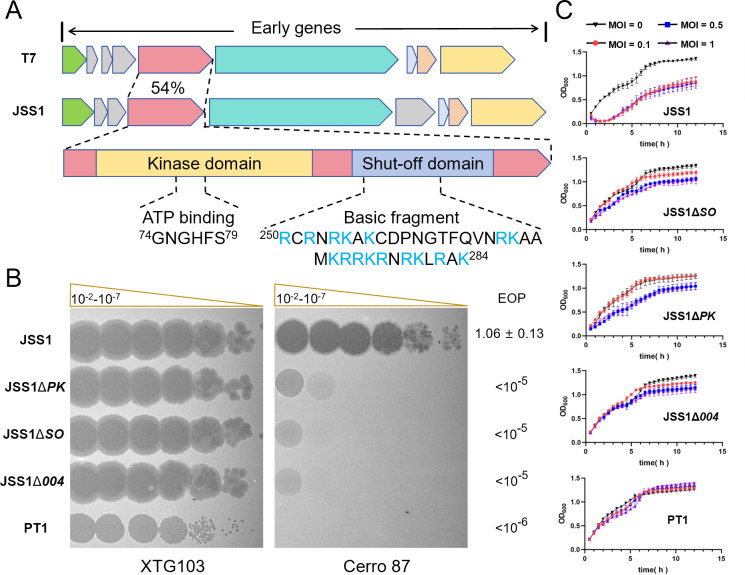 Figure 1
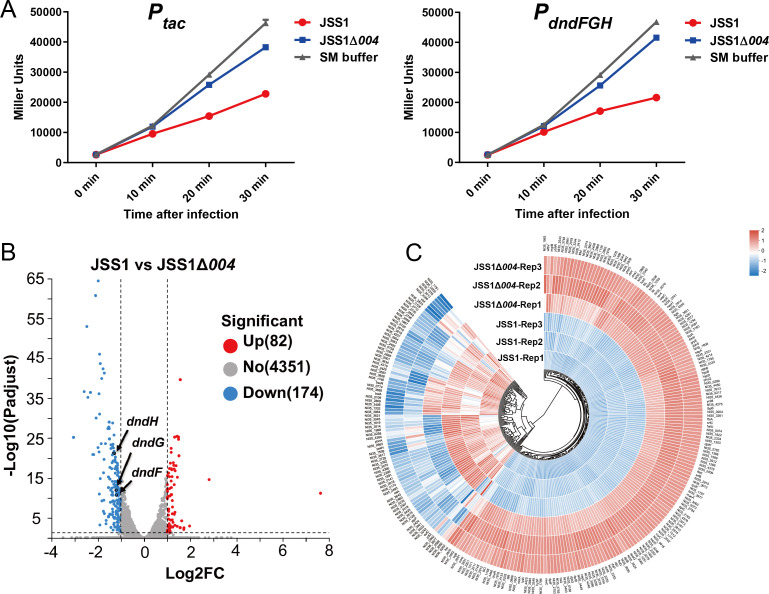 Figure 2
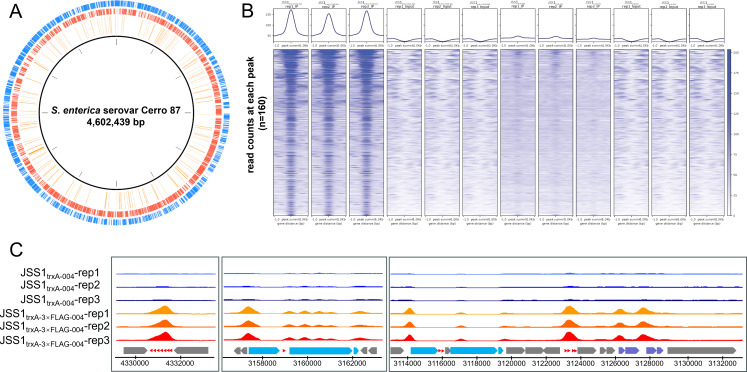 Figure 3
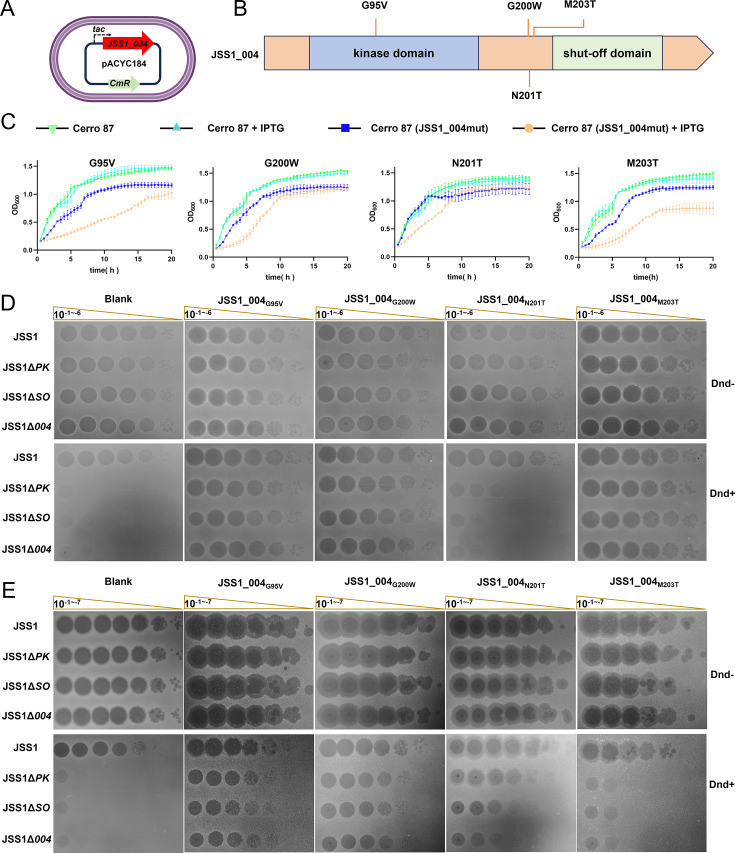 Figure 4
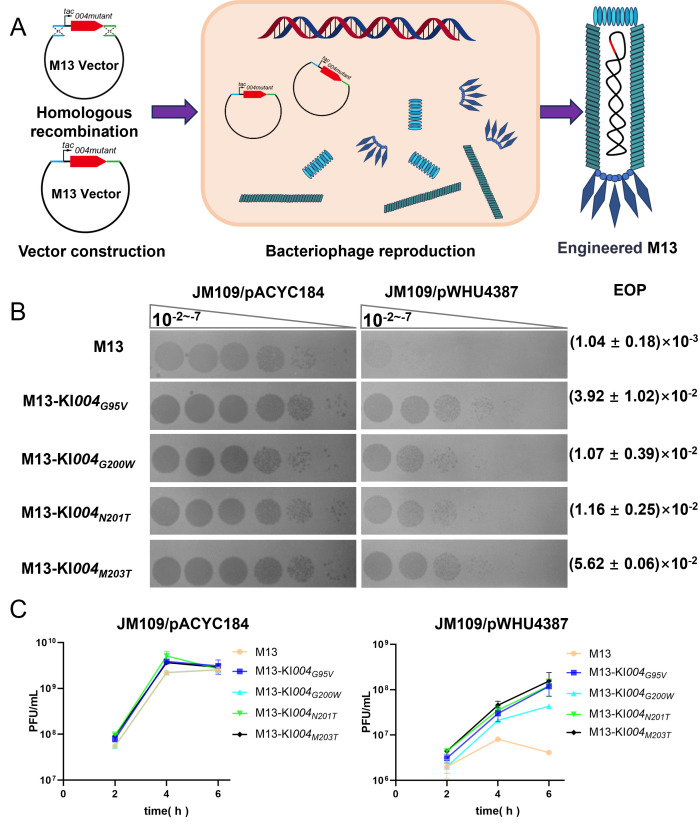 Figure 5
Peer Reviews
No public reviews on file for this paper yet. If you reviewed it on a platform where reviews are public (OpenReview, ICLR, NeurIPS, ICML), you can paste yours below so the community can read it here.
Videos
No videos yet. Explain this paper in a talk, walkthrough, or lecture? Add one.
Taxonomy
TopicsCRISPR and Genetic Engineering · Bacteriophages and microbial interactions · Plant Virus Research Studies