Longitudinal surveillance and transmission of Acinetobacter baumannii using whole genome sequencing—a tale of two hospitals
Chetan Jinadatha, Hosoon Choi, Sorabh Dhar, Keith S. Kaye, Munok Hwang, Jing Xu, Thanuri Navarathna, John David Coppin, Piyali Chatterjee

TL;DR
This study used whole genome sequencing to track the spread of Acinetobacter baumannii in two hospitals, identifying common strains and transmission patterns, especially in ICU settings.
Contribution
The study introduces a detailed longitudinal surveillance approach using WGS and wgMLST to map transmission of Acinetobacter baumannii in hospital settings.
Findings
ST2Pas was the most prevalent strain in both hospitals, followed by ST406Pas.
Transmission events were mainly observed in ICU settings, suggesting a need for enhanced infection control there.
WGS and wgMLST proved effective for tracking strains and implementing infection control measures.
Abstract
Acinetobacter baumannii is known to cause global outbreaks and routine surveillance to prevent nosocomial transmission has historically been limited. A longitudinal surveillance study of Acinetobacter isolates using whole genome sequencing (WGS) and whole genome multilocus sequence typing (wgMLST) was performed to map the distribution of sequence types (STs) and intrahospital transmission. All Acinetobacter clinical isolates were collected in two hospitals (H1, H2) from fifteen units between 2017 and 2021 in Southeast Michigan and analyzed. The isolates were subjected to WGS using the NextSeq instrument (Illumina). The contigs were de novo assembled using SPAdes (v3.7.1) and wgMLST analysis was performed using BioNumerics software v7.6. Minimum spanning tree (MST) and dendrograms were created to map distribution of STs and putative transmissions. ST2Pas was the most prevalent in both…
Genes, proteins, chemicals, diseases, species, mutations and cell lines named across the full text — each resolved to its canonical identifier and authoritative record.
Click any figure to enlarge with its caption.
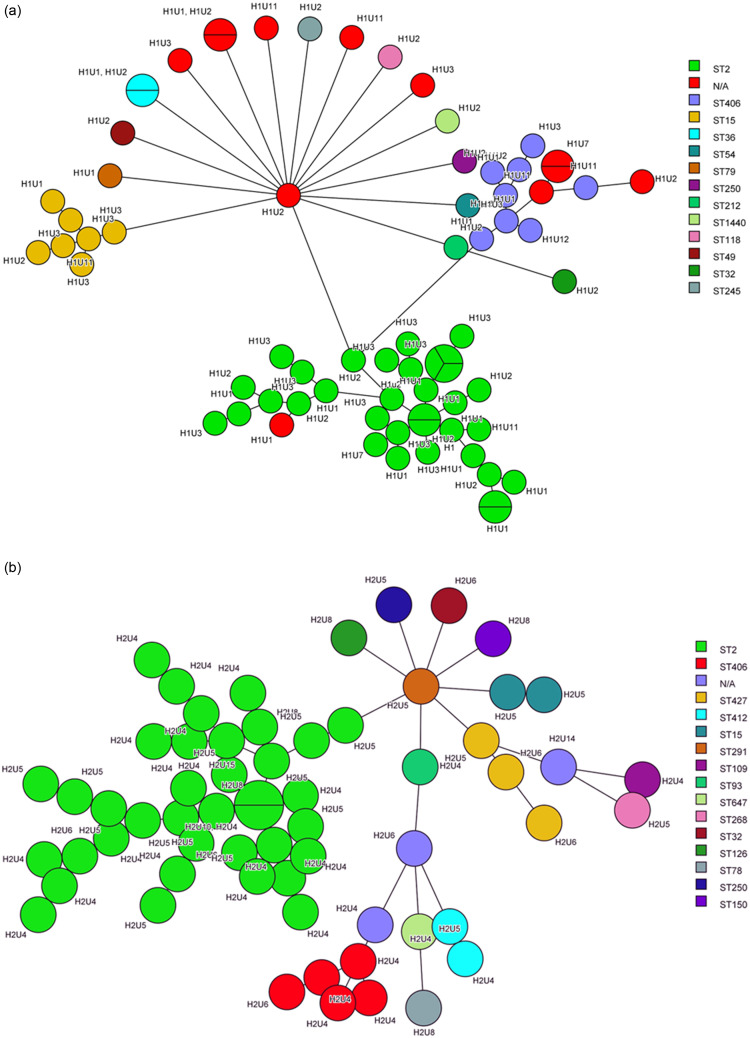 Figure 1
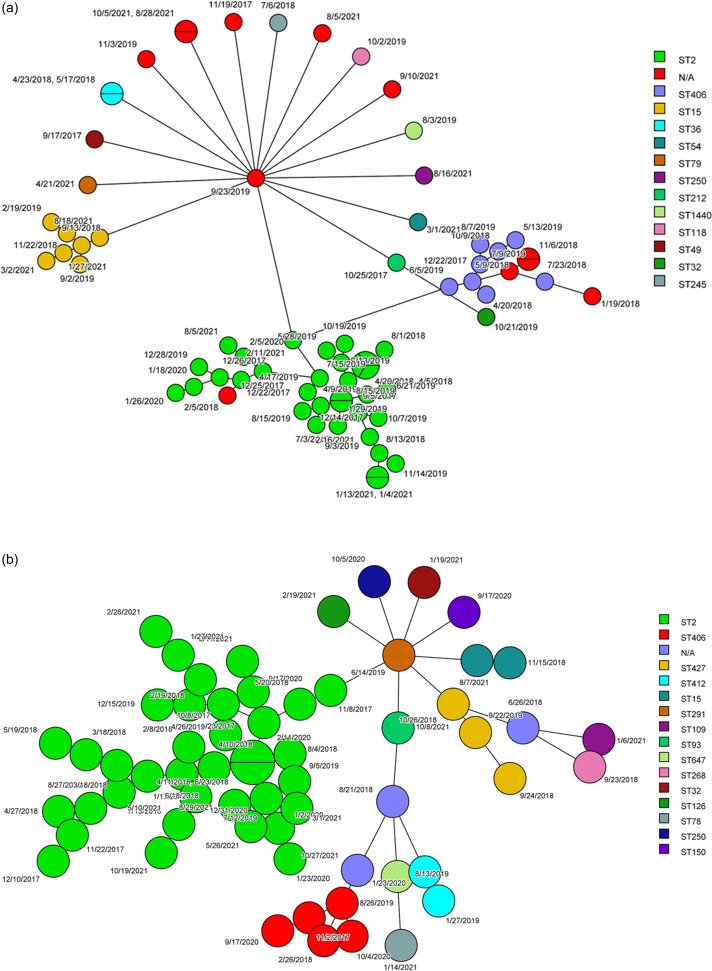 Figure 2
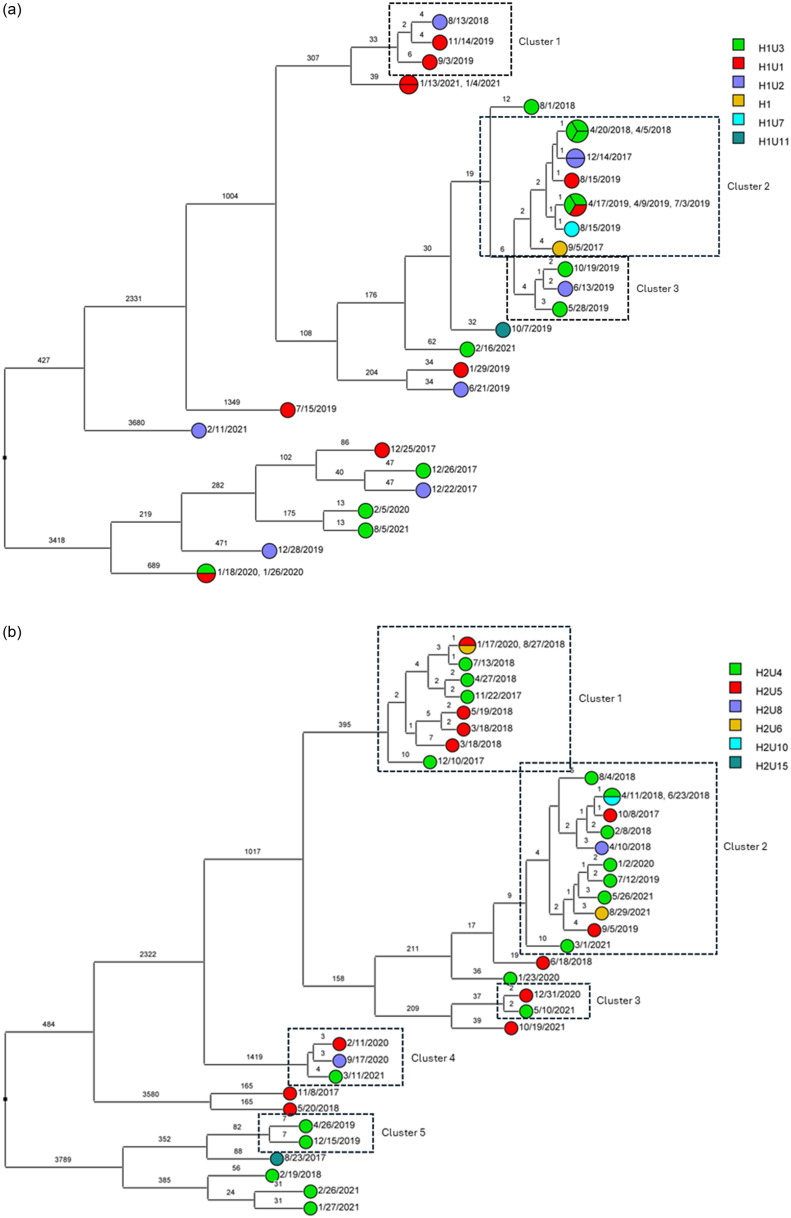 Figure 3
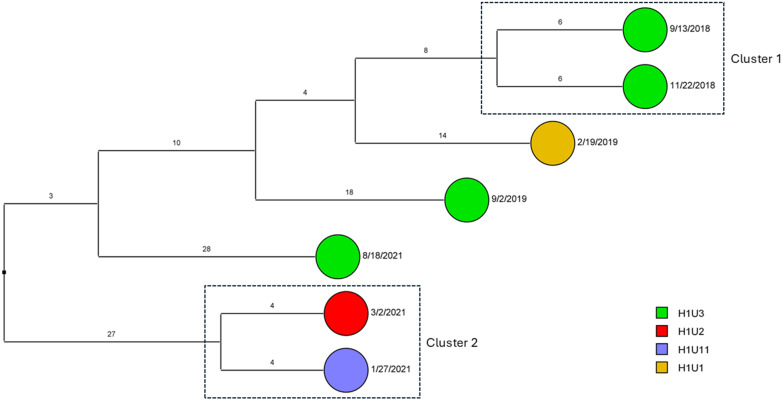 Figure 4
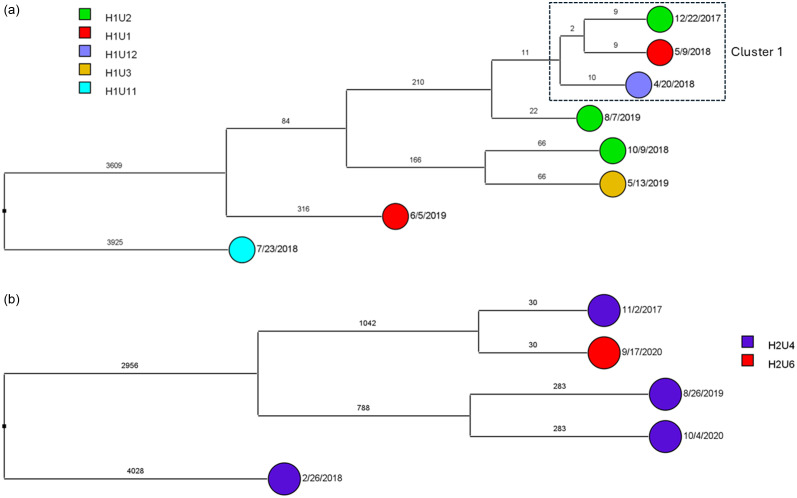 Figure 5
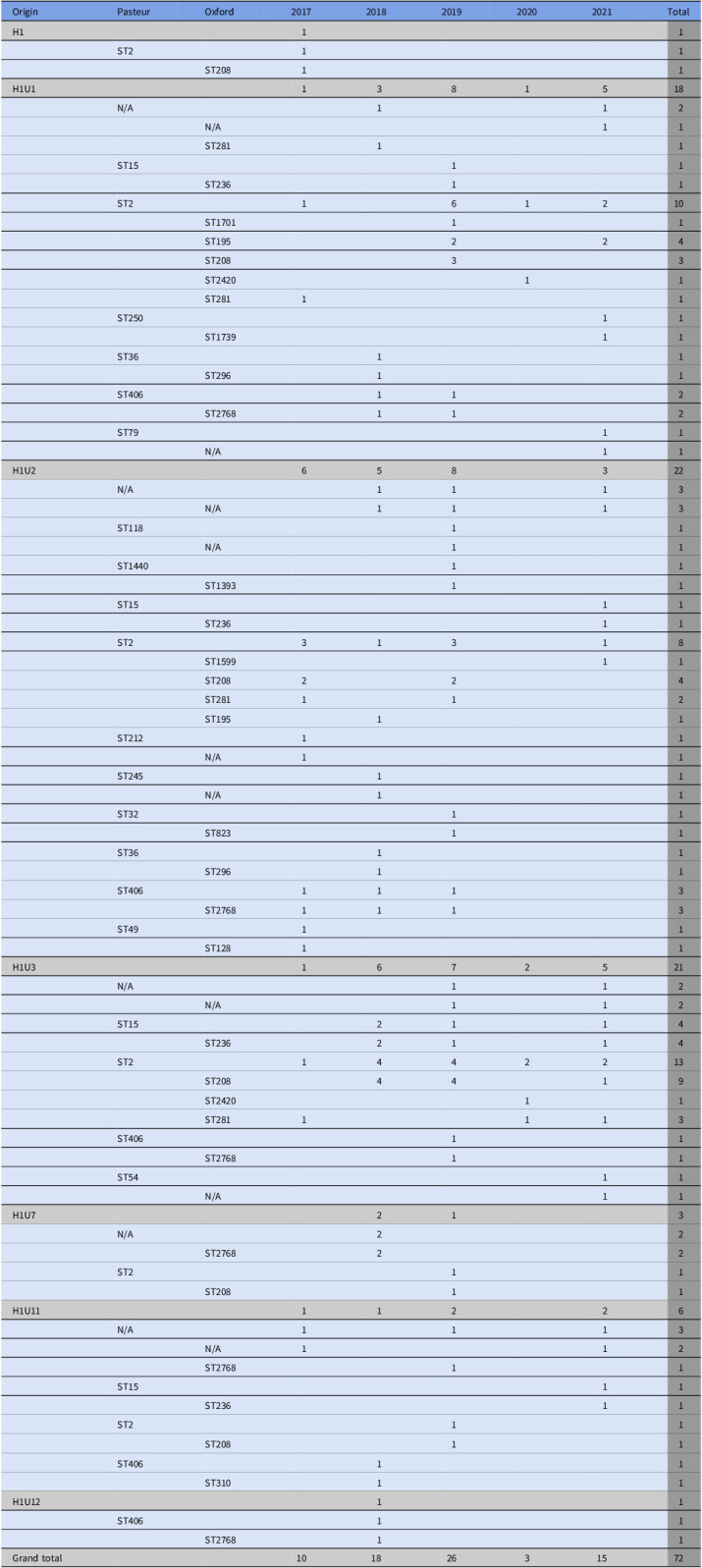 Figure 6
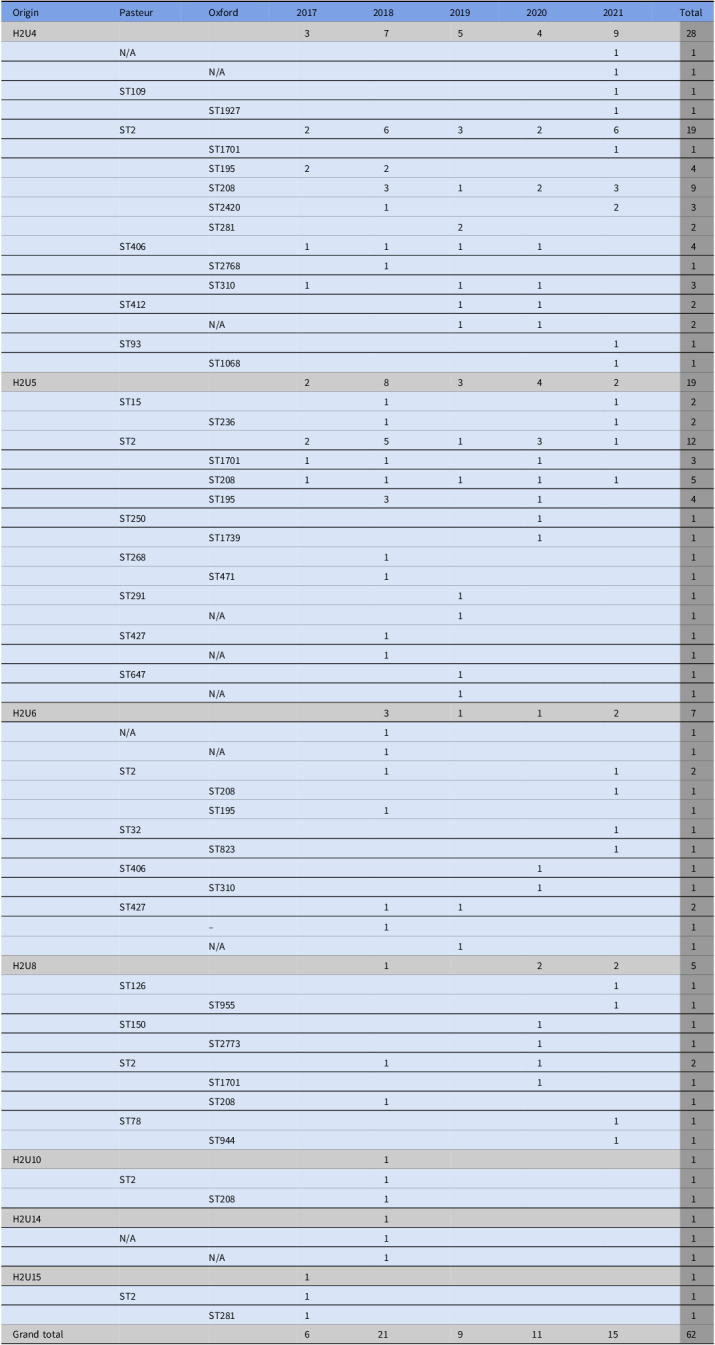 Figure 7
Peer Reviews
No public reviews on file for this paper yet. If you reviewed it on a platform where reviews are public (OpenReview, ICLR, NeurIPS, ICML), you can paste yours below so the community can read it here.
Videos
No videos yet. Explain this paper in a talk, walkthrough, or lecture? Add one.
Taxonomy
TopicsAntibiotic Resistance in Bacteria · Vibrio bacteria research studies · Mycobacterium research and diagnosis