Transient colonization by Priestia megaterium B1L5 alters the structure of the rhizosphere microbiome towards potential plant beneficial bacterial groups in apple plantlets
Fatma M. Mahmoud, Holger Edelmann, Yang Si, Lea Endrejat, Karin Pritsch, Caroline Gutjahr, Armin Ehrenreich, Traud Winkelmann, Jana Barbro Winkler, Jörg‑Peter Schnitzler, Michael Schloter

TL;DR
A plant-friendly bacteria temporarily colonizes apple roots and changes the soil microbiome in a way that could help reduce apple replant disease.
Contribution
This study shows that Priestia megaterium B1L5 can transiently colonize apple roots and shift the rhizosphere microbiome toward beneficial bacteria in ARD-affected soils.
Findings
P. megaterium B1L5 colonized apple roots in both ARD-affected and grass soils but was undetectable after 33 days.
Inoculation reduced root tip blackening in ARD-affected soil and enriched the rhizosphere with plant-beneficial bacterial taxa.
Bacterial community shifts were driven by inoculation rather than natural succession or plant development.
Abstract
Plant growth-promoting bacteria (PGPB) can beneficially modulate rhizosphere microbial communities, potentially improving plant health and reducing disease incidence. Limited research exists on the influence of PGPB inoculation on the rhizosphere microbial communities of apple plants, particularly in soils affected by apple replant disease (ARD). Here, we evaluated the capacity of GFP-labelled Priestia megaterium B1 (designated as P. megaterium B1L5) to colonize the roots of apple plantlets grown in two soils: ARD-affected soil and ARD-unaffected grass soil. We investigated its influence on plant growth in ARD-affected soil and its potential to mitigate ARD-related symptoms. We also assessed how its inoculation modulates the rhizosphere microbial communities, with emphasis on changes that may support plant health, particularly in ARD-affected soils. P. megaterium B1L5 successfully…
Genes, proteins, chemicals, diseases, species, mutations and cell lines named across the full text — each resolved to its canonical identifier and authoritative record.
Click any figure to enlarge with its caption.
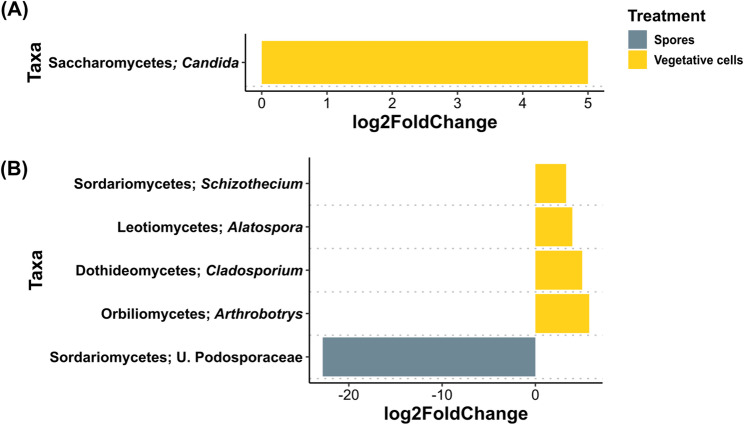 Figure 10
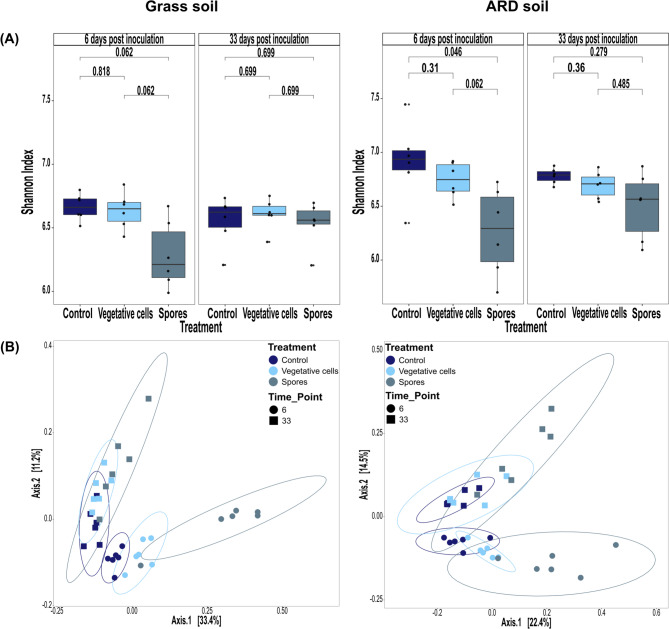 Figure 1
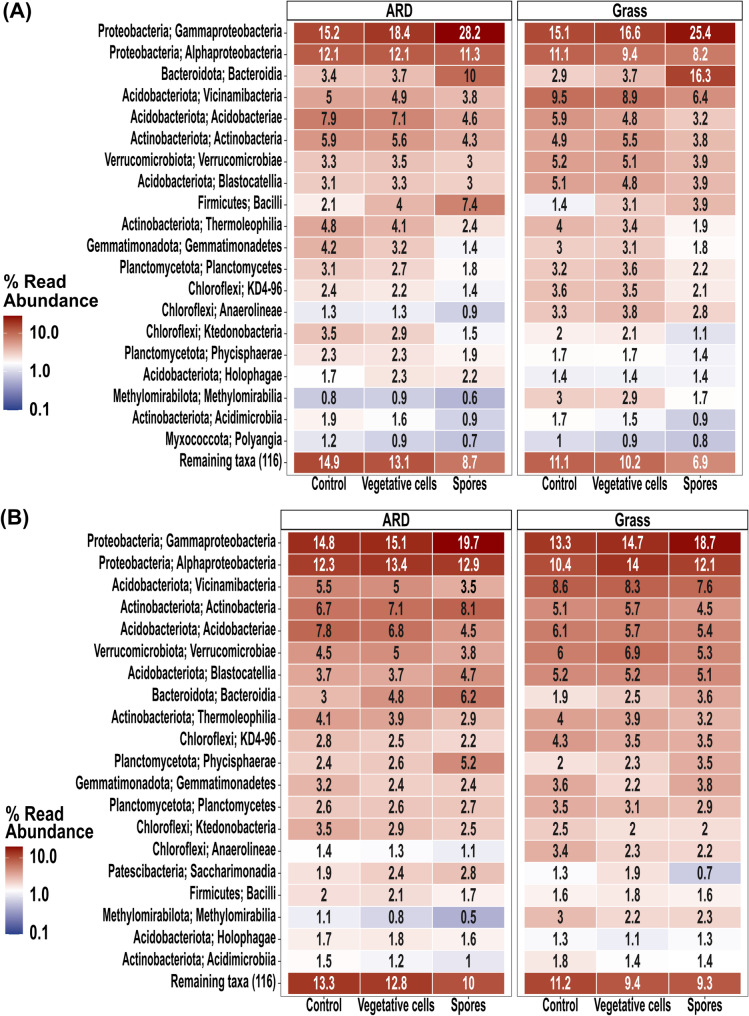 Figure 2
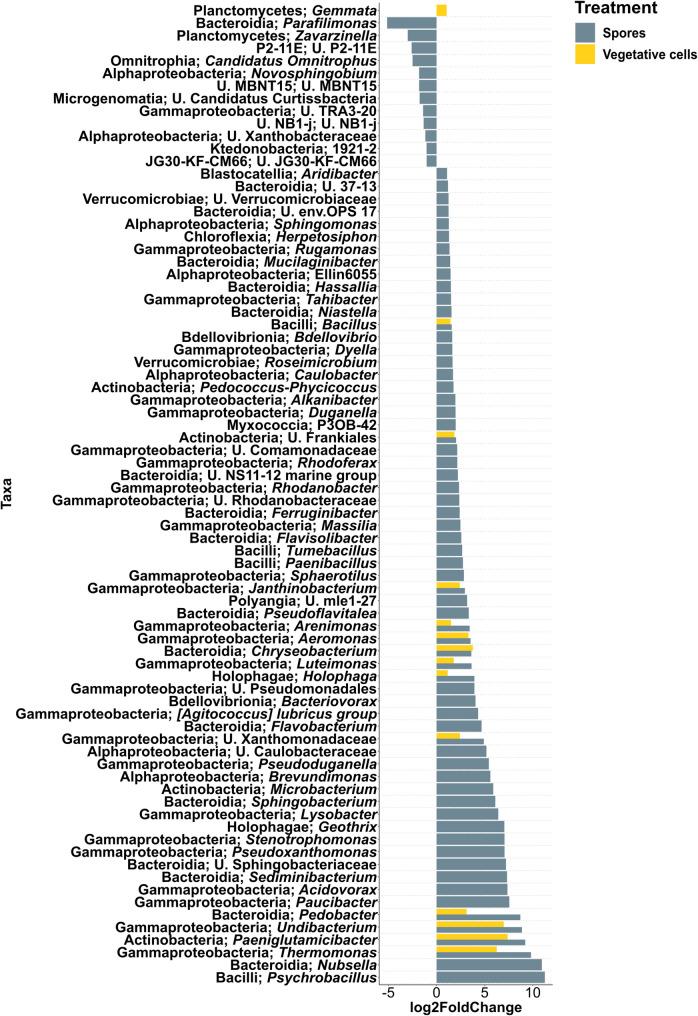 Figure 3
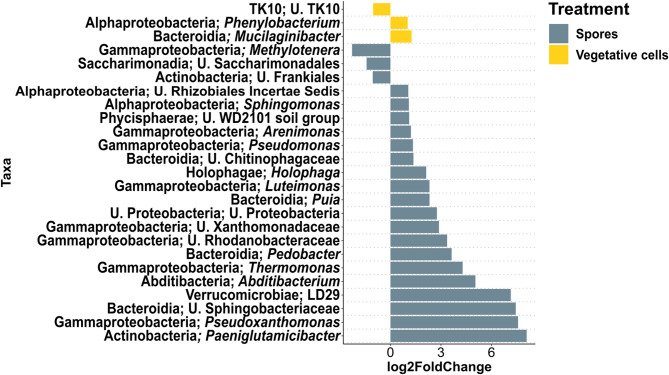 Figure 4
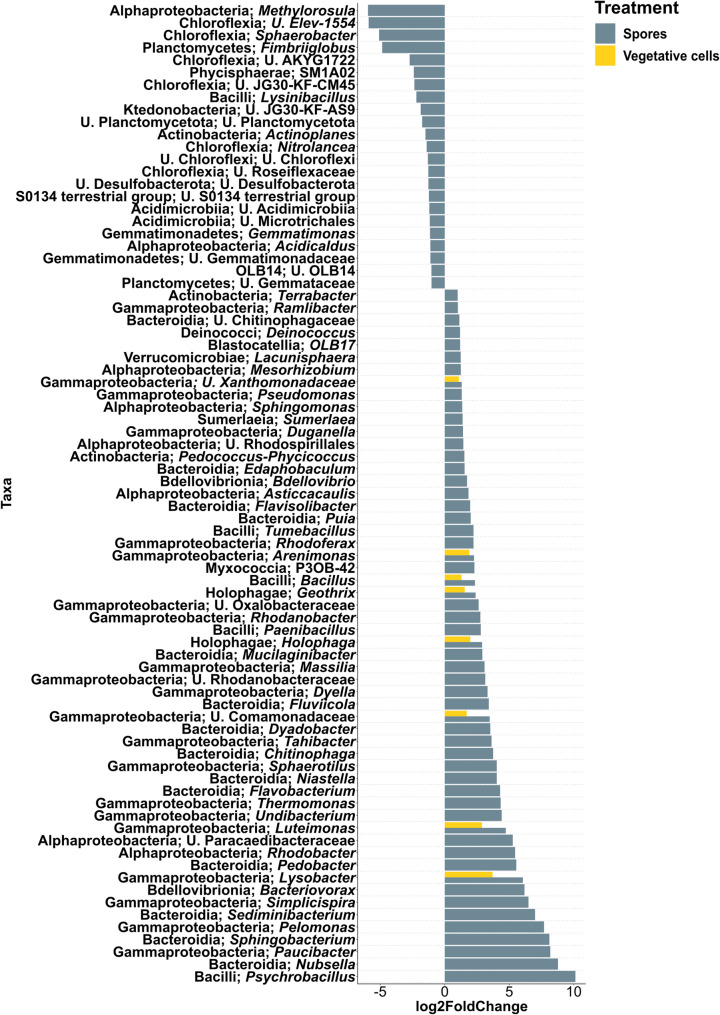 Figure 5
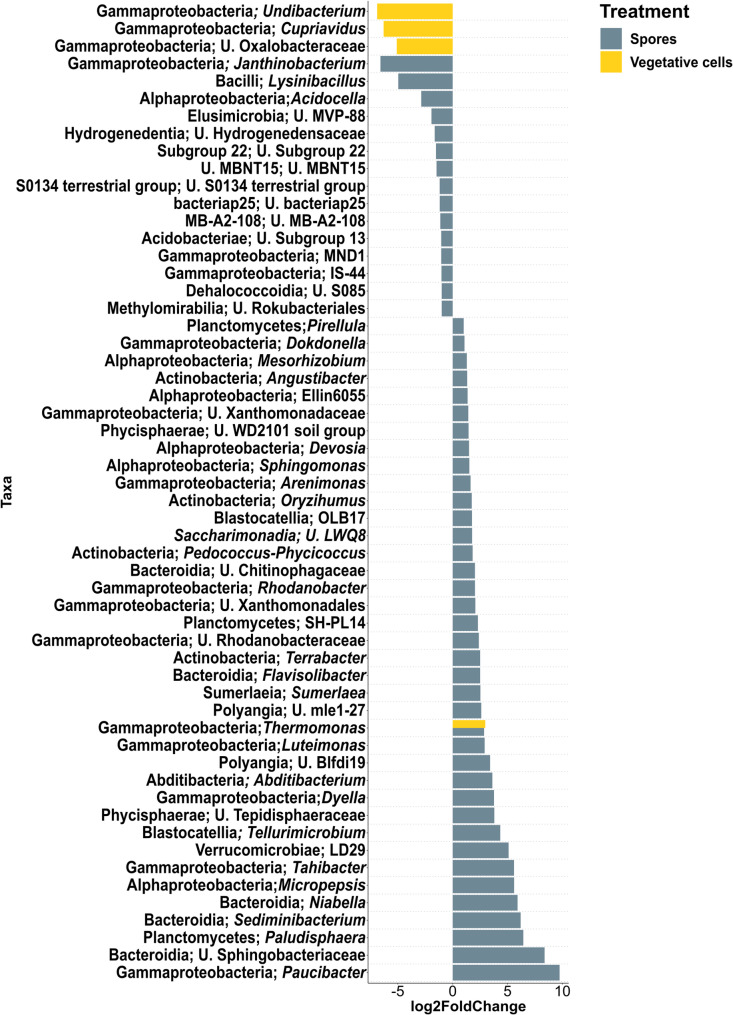 Figure 6
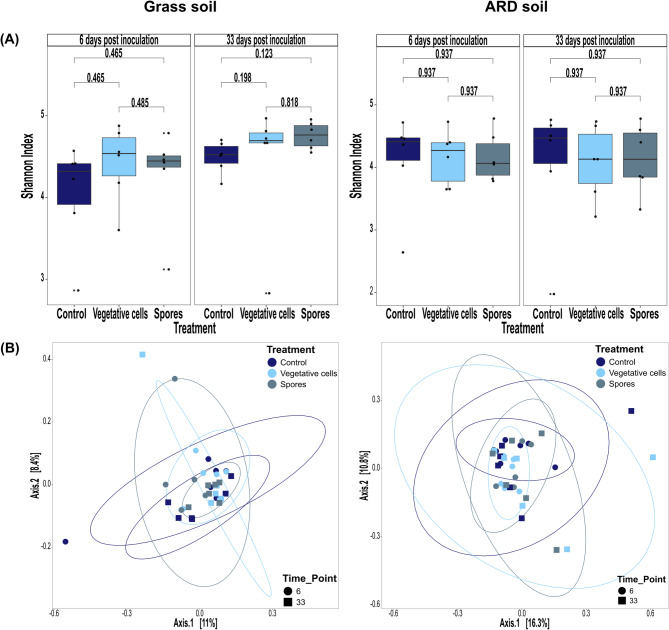 Figure 7
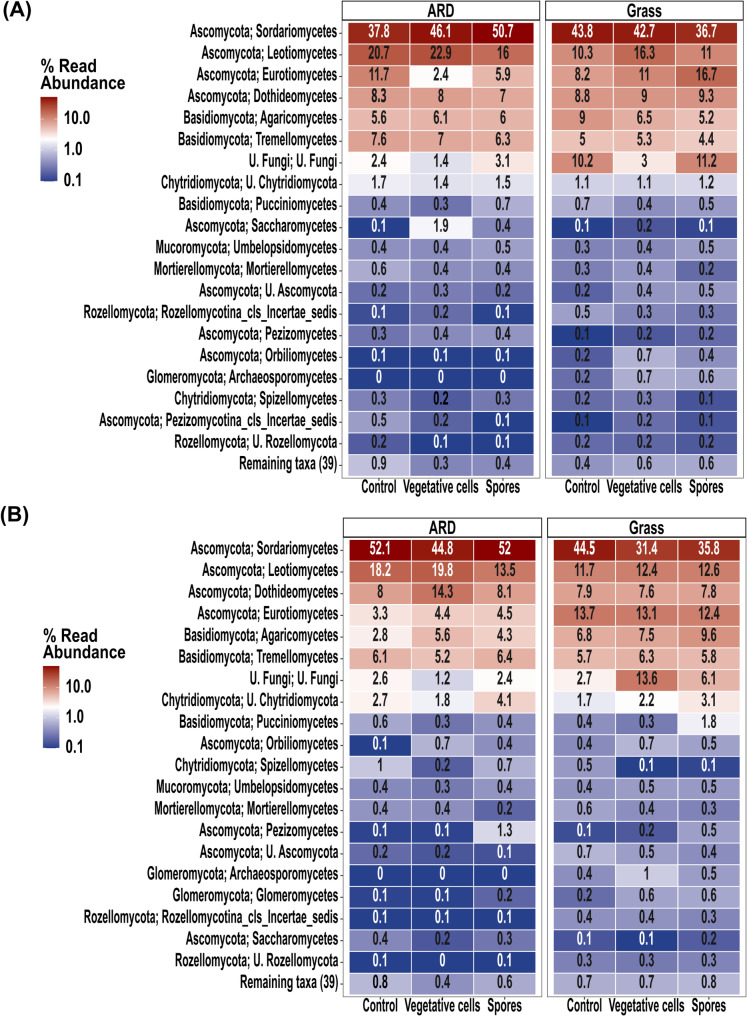 Figure 8
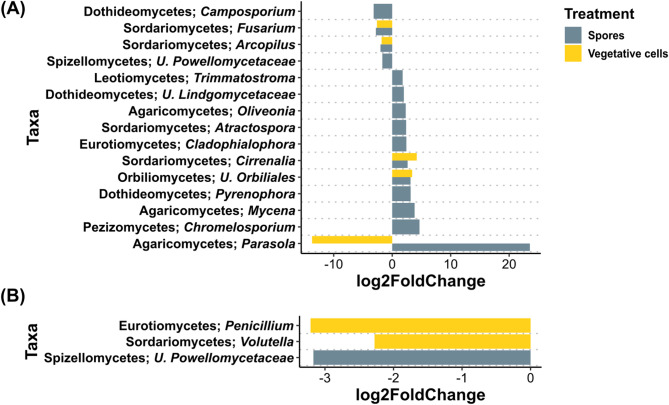 Figure 9
Peer Reviews
No public reviews on file for this paper yet. If you reviewed it on a platform where reviews are public (OpenReview, ICLR, NeurIPS, ICML), you can paste yours below so the community can read it here.
Videos
No videos yet. Explain this paper in a talk, walkthrough, or lecture? Add one.
Taxonomy
TopicsPlant-Microbe Interactions and Immunity · Mycorrhizal Fungi and Plant Interactions · Plant Pathogens and Fungal Diseases