Development of mRNA–lipid nanoparticle intrabodies against rickettsial infection
Qi Yan, Nan Duan, Mingqun Lin, Wenqing Zhang, Stephen Denton, Yichen Zhong, Yizhou Dong, Yasuko Rikihisa

TL;DR
Researchers developed mRNA-lipid nanoparticle intrabodies that inhibit Ehrlichia chaffeensis infection by targeting a bacterial protein involved in intracellular replication.
Contribution
The novel use of mRNA-lipid nanoparticles to deliver intrabodies targeting intracellular bacterial effectors in rickettsial infection.
Findings
Two intrabodies were identified that inhibit Etf-2 binding to RAB5-GTP in human cells.
mRNA-LNP encoding anti-Etf-2 intrabodies significantly reduced Ehrlichia chaffeensis infection in cell cultures and mice.
The approach demonstrates a feasible precision therapy for intracellular bacterial infections.
Abstract
Rickettsiosis is among the deadliest vector-borne infectious diseases worldwide, in part because rickettsiae replicate within human cells, where antibodies and most drugs cannot effectively reach this obligatory intracellular pathogen. Ehrlichia chaffeensis, an emerging rickettsia, is the causative agent of human monocytic ehrlichiosis. We therefore aim to generate intrabodies (IBs), the variable domain of heavy chain of heavy-chain-only antibodies (VHHs) that bind intracellular bacterial proteins to inhibit E. chaffeensis infection. E. chaffeensis replicates in membrane-bound vacuoles resembling early endosomes in human monocytes/macrophages. The type IV secretion system effector Ehrlichia translocated factor-2 (Etf-2) directly binds to RAB5-GTP on E. chaffeensis-containing vacuoles. Consequently, Etf-2 hinders the engagement of RAB5 GTPase-activating protein with RAB5-GTP, delays…
Genes, proteins, chemicals, diseases, species, mutations and cell lines named across the full text — each resolved to its canonical identifier and authoritative record.
Click any figure to enlarge with its caption.
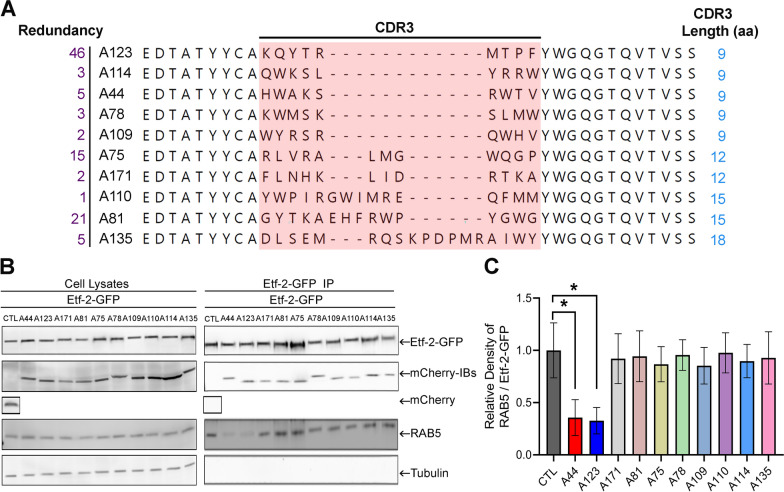 Figure 1
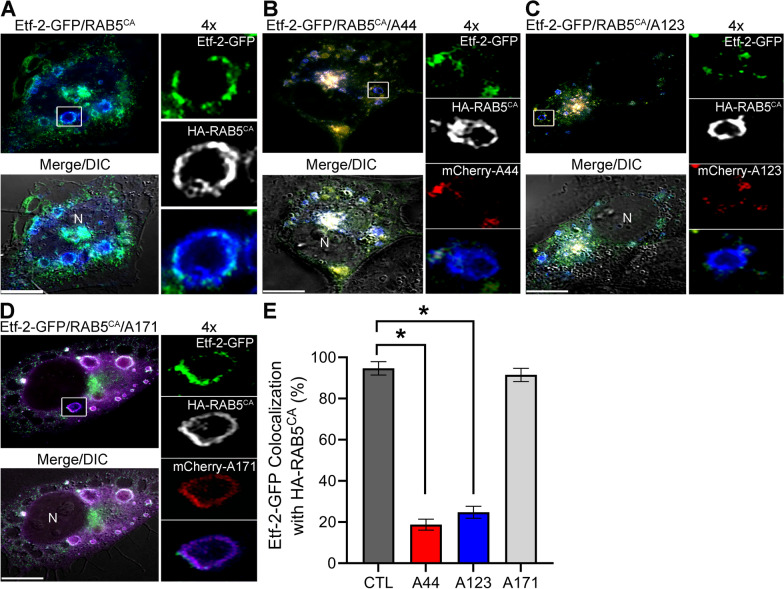 Figure 2
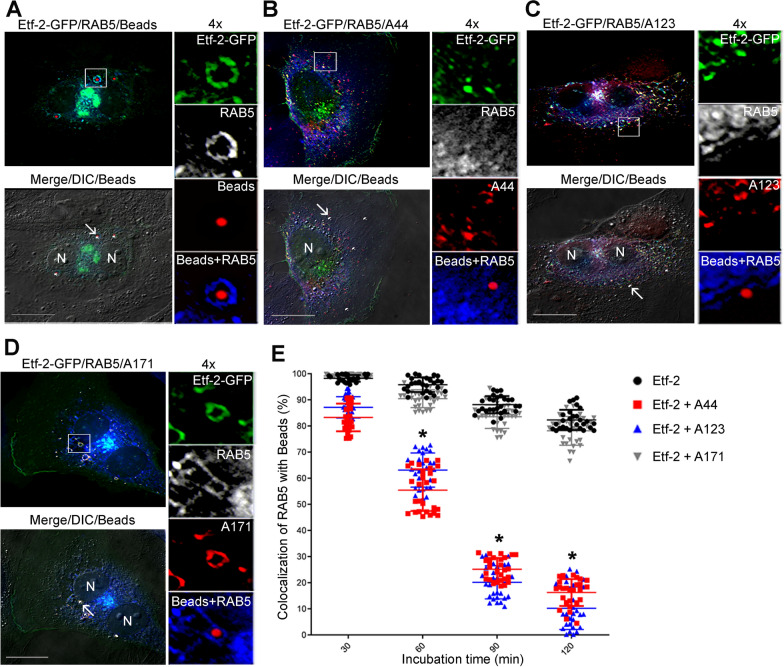 Figure 3
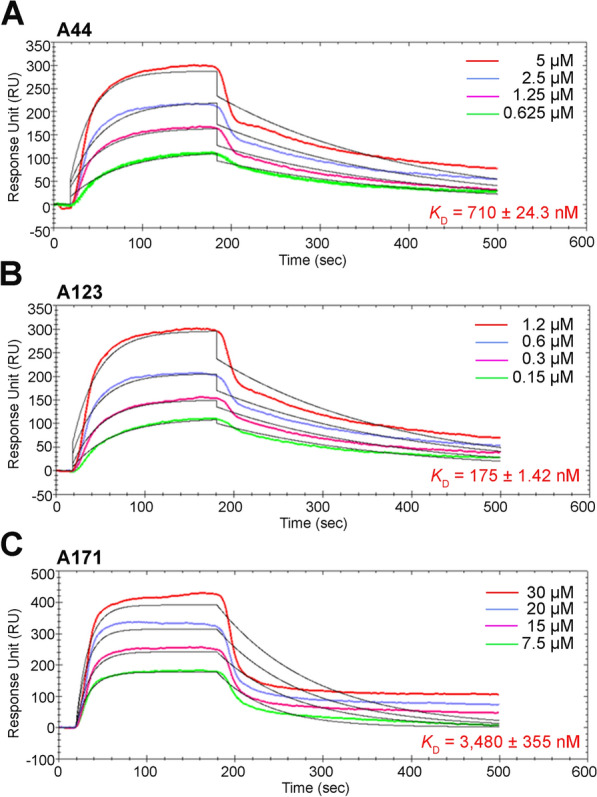 Figure 4
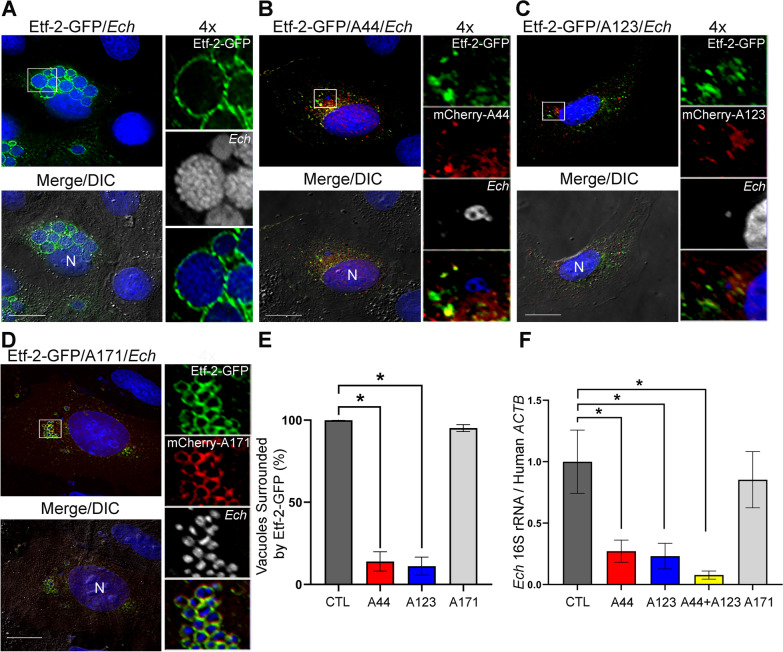 Figure 5
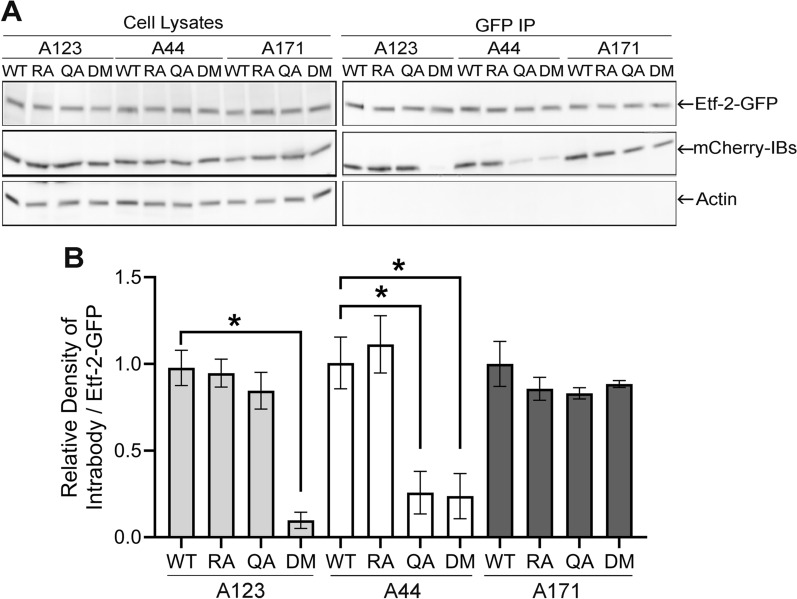 Figure 6
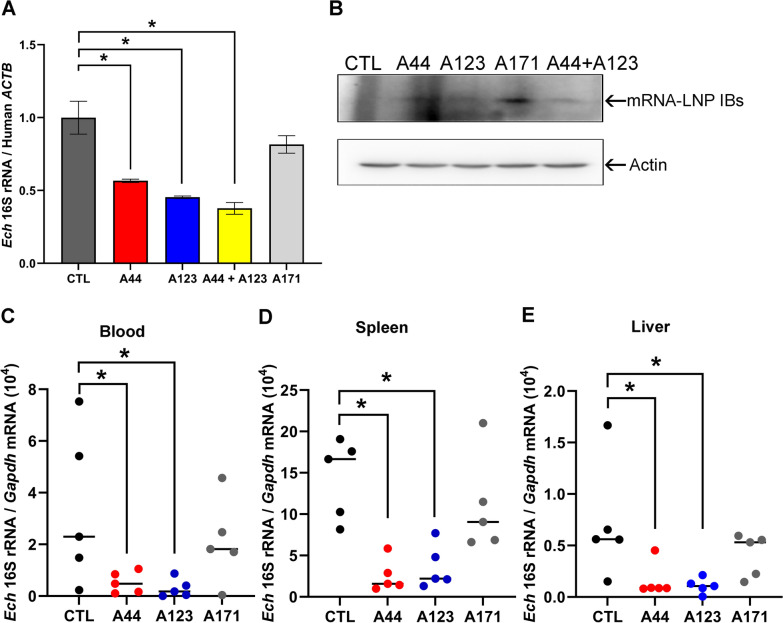 Figure 7
Peer Reviews
No public reviews on file for this paper yet. If you reviewed it on a platform where reviews are public (OpenReview, ICLR, NeurIPS, ICML), you can paste yours below so the community can read it here.
Videos
No videos yet. Explain this paper in a talk, walkthrough, or lecture? Add one.
Taxonomy
TopicsVector-borne infectious diseases · Toxoplasma gondii Research Studies · Brucella: diagnosis, epidemiology, treatment