Representation of Molecules by Sequences of Instructions
Karl Thurnhofer-Hemsi, Iván García-Aguilar, José David Fernández-Rodriguez, Ezequiel López-Rubio

TL;DR
This paper introduces a new way to represent molecules using sequences of instructions that ensure valid and modifiable molecular structures for computational methods.
Contribution
A novel chemical nomenclature system using instruction sequences that guarantees valid molecular representations and allows small structural modifications.
Findings
A reduced instruction set generates valid molecular representations.
Small changes in instruction sequences correspond to small molecular modifications.
The approach is suitable for computational intelligence systems like deep learning.
Abstract
The processing of chemical information by computational intelligence methods faces the challenge of the structural complexity of molecular graphs. These graphs are not amenable to being represented in a suitable way for such methods. The most popular representation is the SMILES notation standard. However, it comes with some limitations, such as the abundance of nonvalid strings and the fact that similar strings often represent very different molecules. In this work, a completely different approach to chemical nomenclature is presented. A reduced instruction set is defined, and the language of all strings that are sequences of such instructions is considered. Instructions provide the means to incrementally add atoms and modify the connectivity of the chemical bonds of atoms to be inserted. Instructions are carefully crafted to guarantee that all strings of this language are valid, i.e.,…
Genes, proteins, chemicals, diseases, species, mutations and cell lines named across the full text — each resolved to its canonical identifier and authoritative record.
Click any figure to enlarge with its caption.
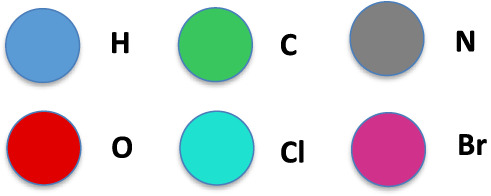 Figure 1
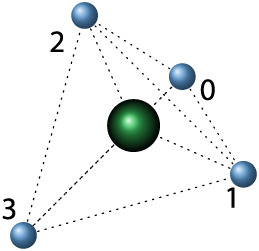 Figure 2
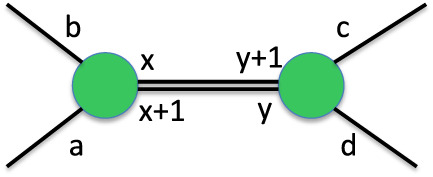 Figure 3
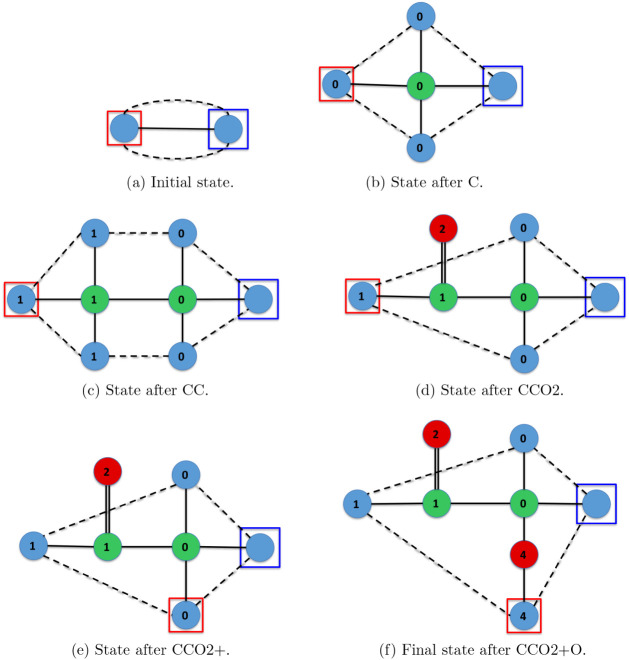 Figure 4
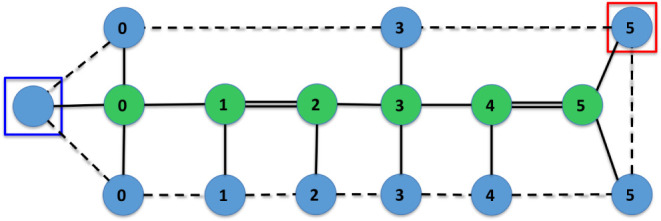 Figure 5
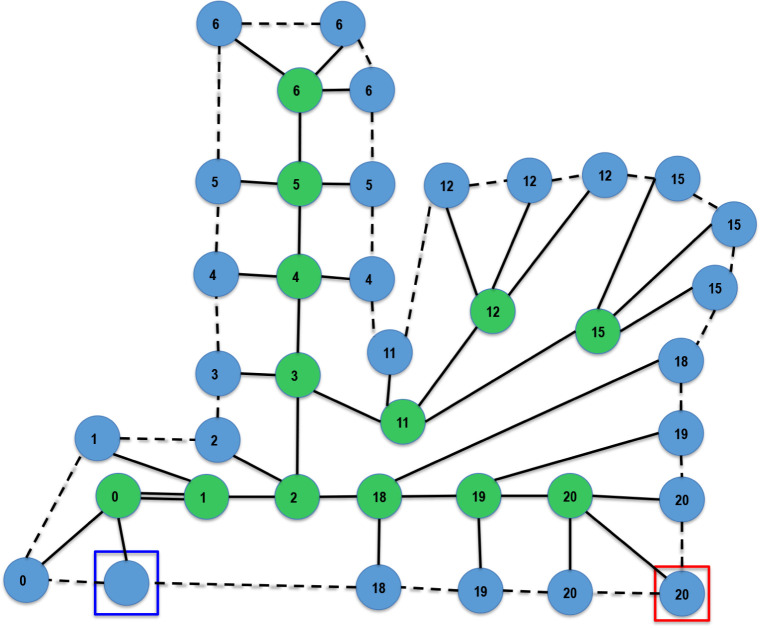 Figure 6
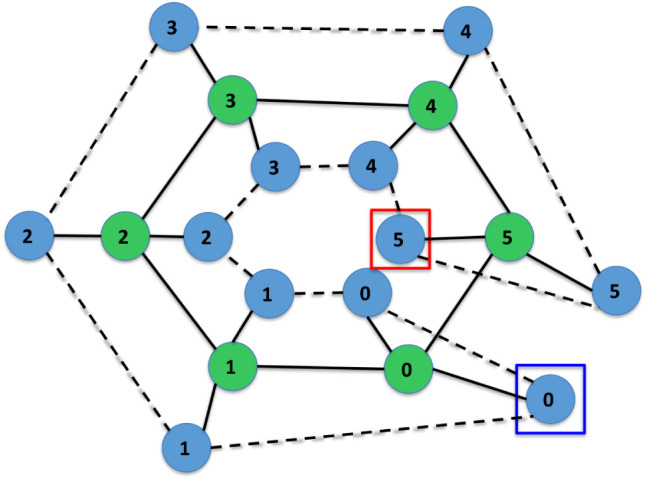 Figure 7
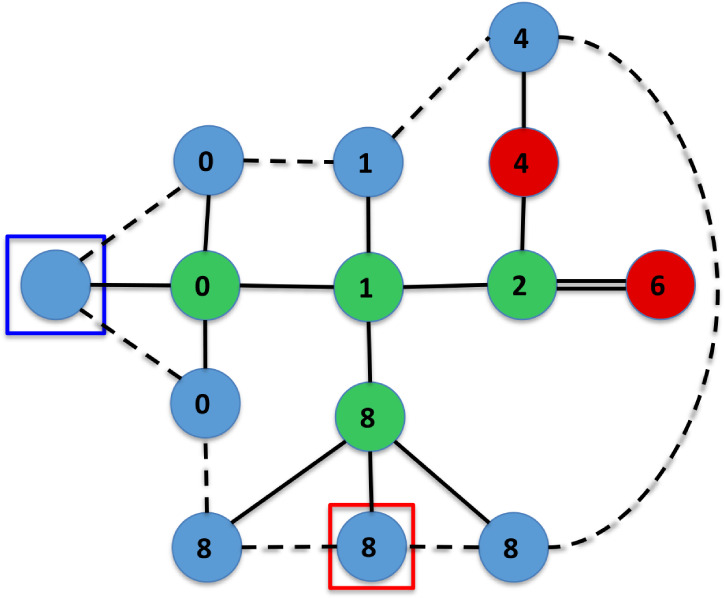 Figure 8
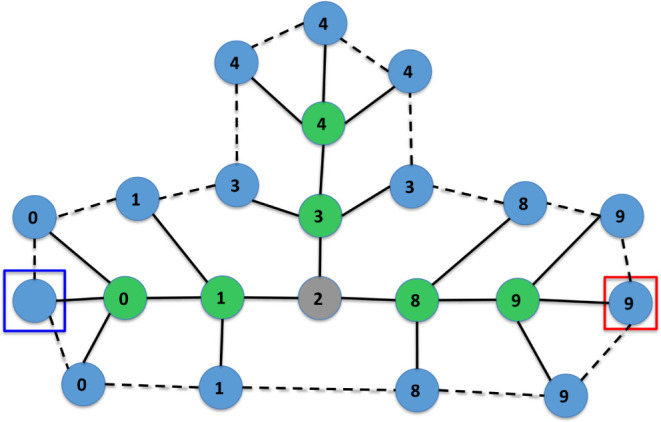 Figure 9
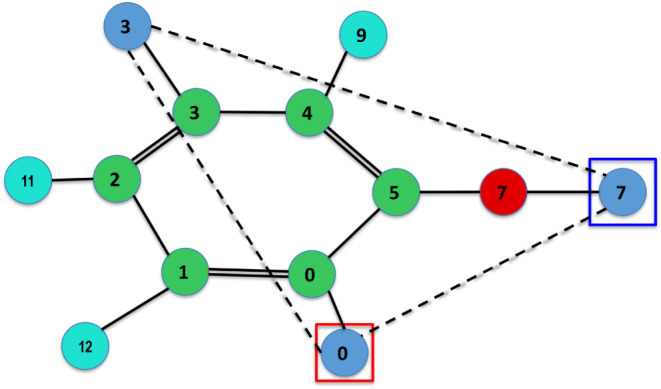 Figure 10
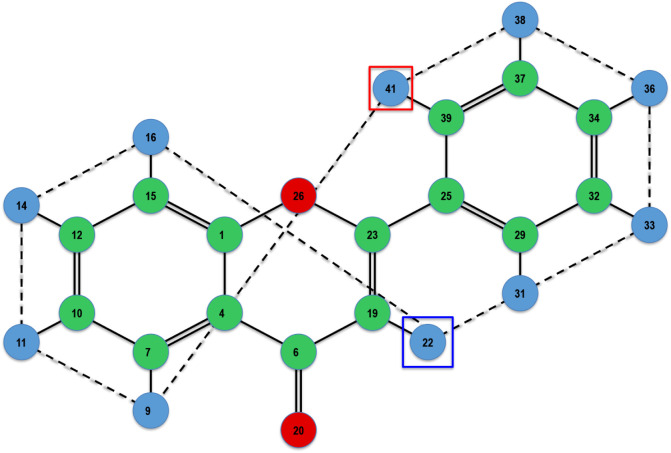 Figure 11
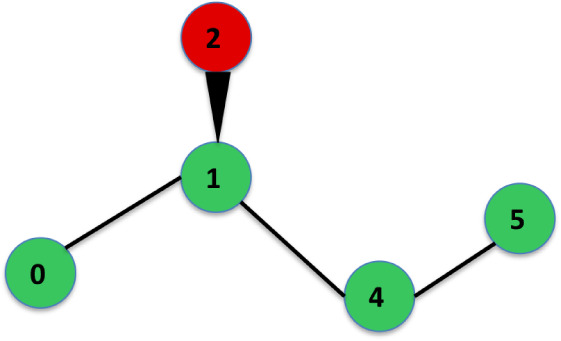 Figure 12
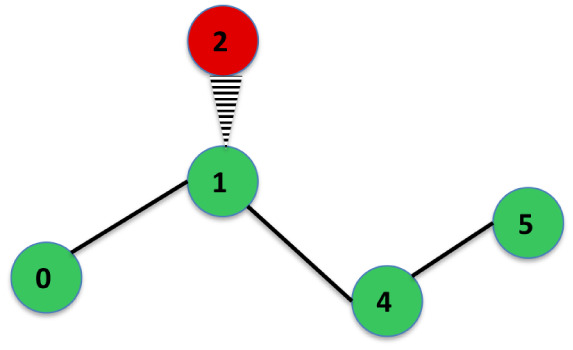 Figure 13
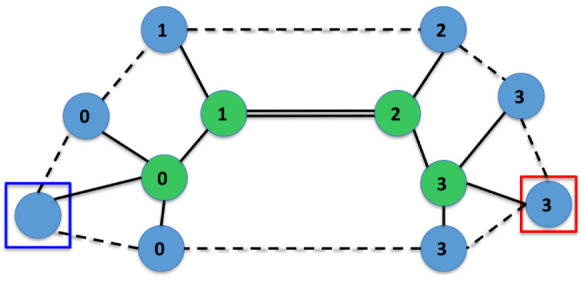 Figure 14
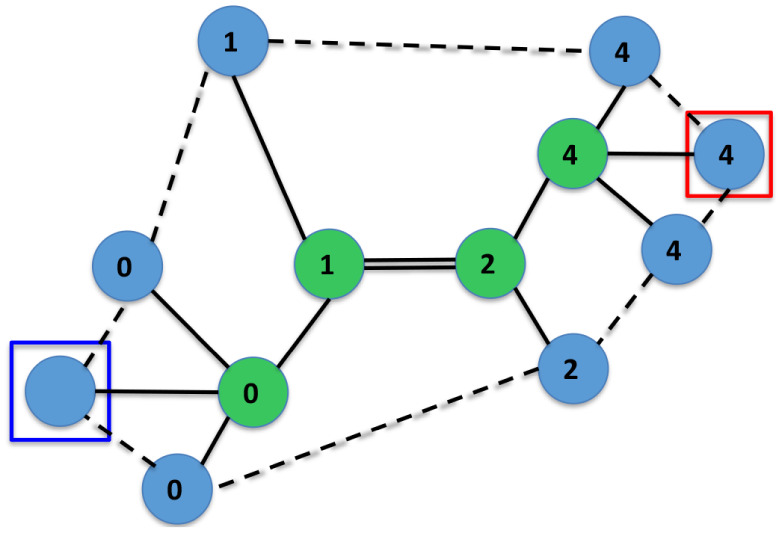 Figure 15
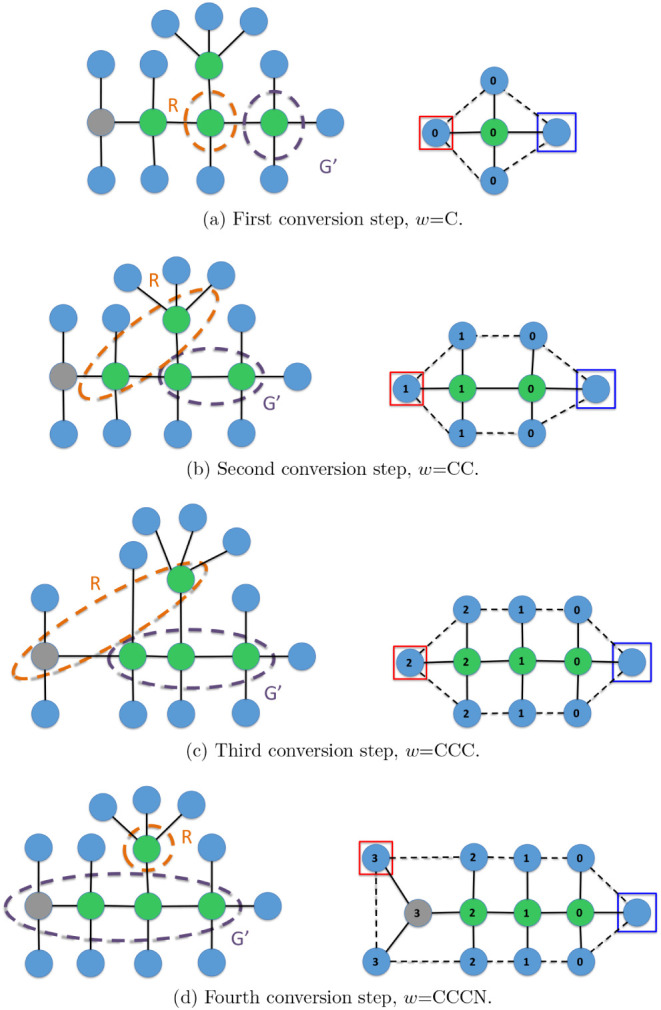 Figure 16
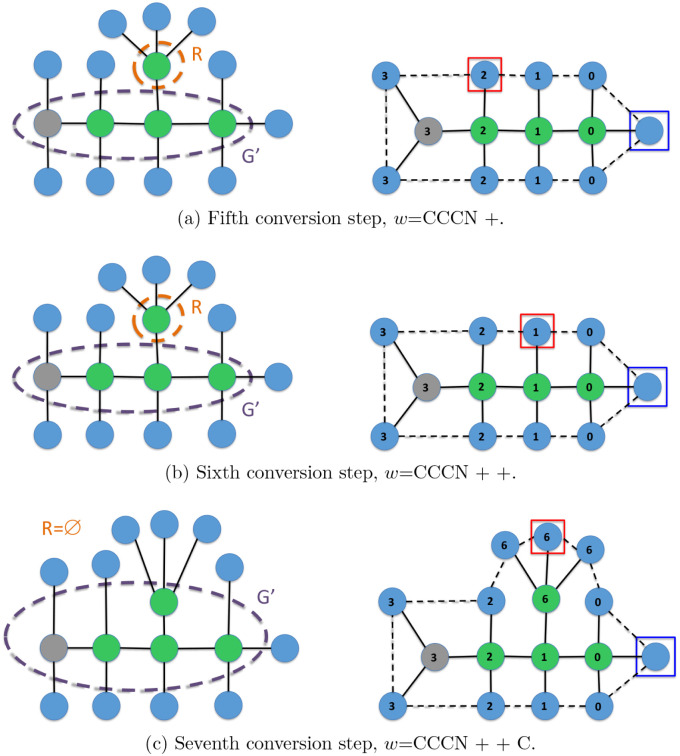 Figure 17
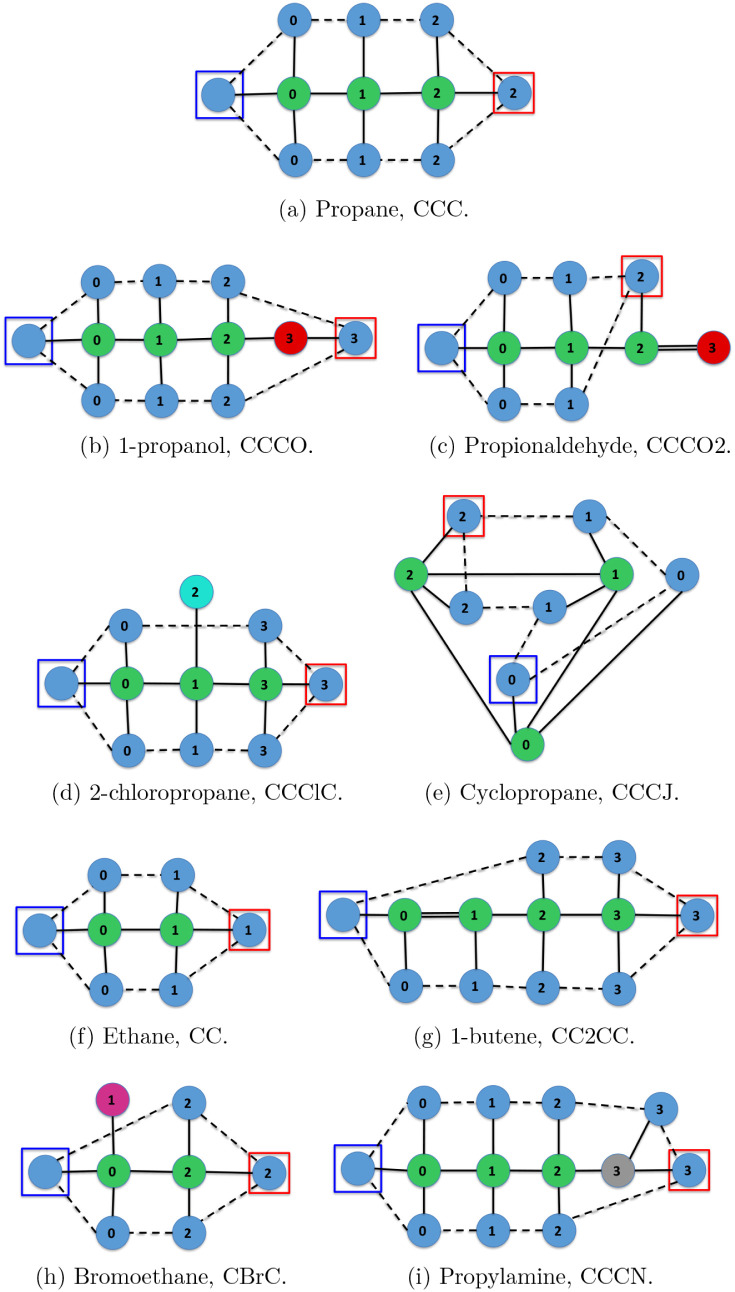 Figure 18
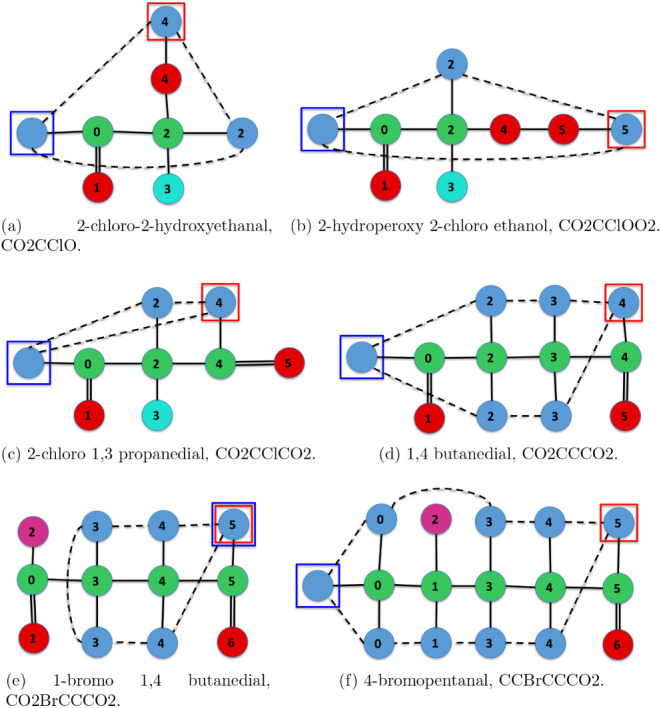 Figure 19
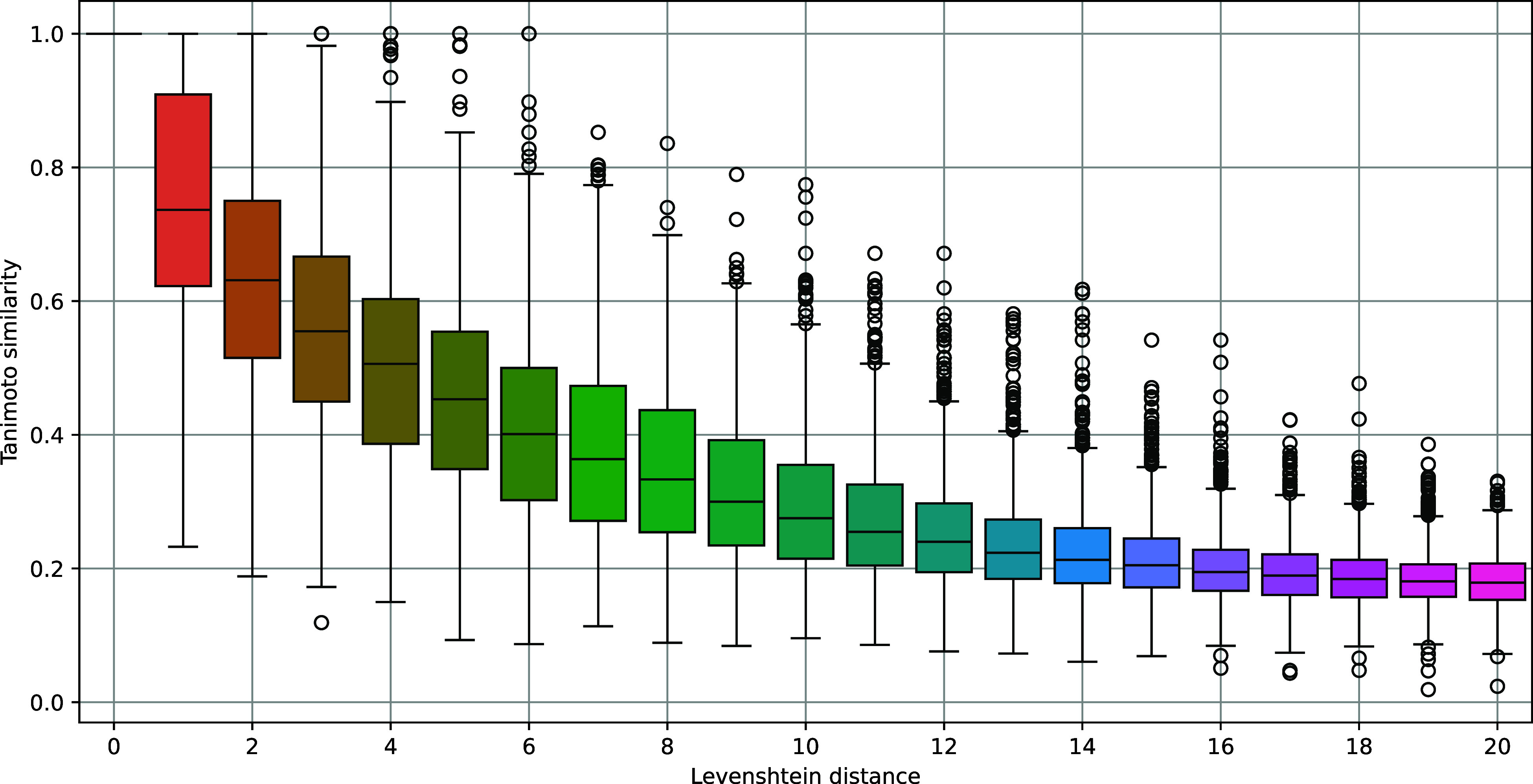 Figure 20
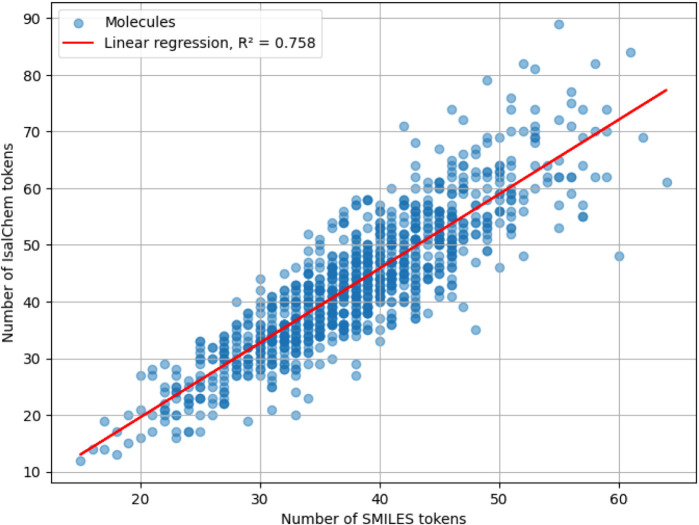 Figure 21
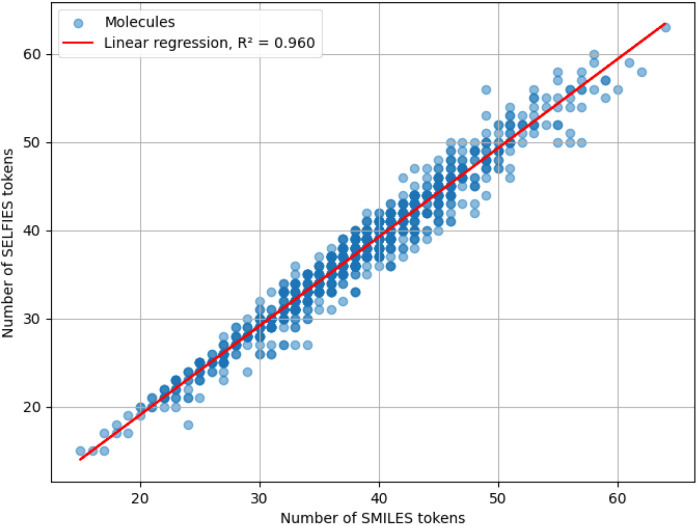 Figure 22
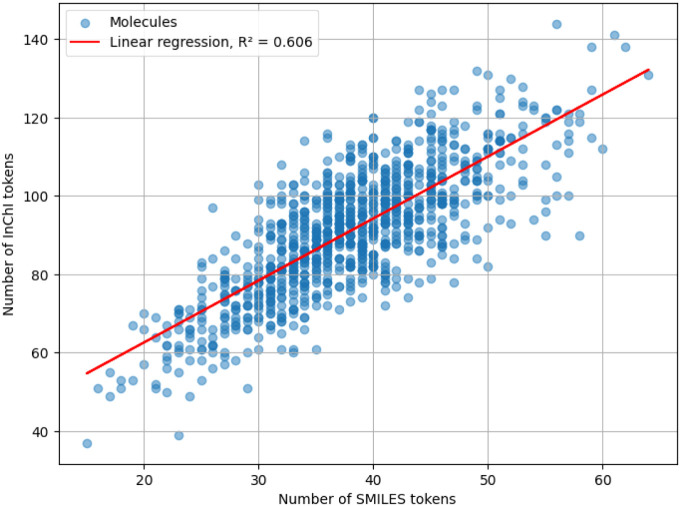 Figure 23
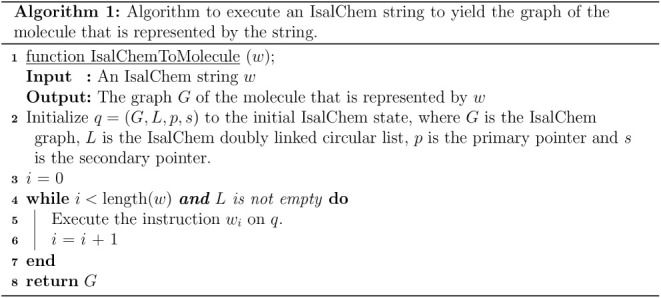 Figure 24
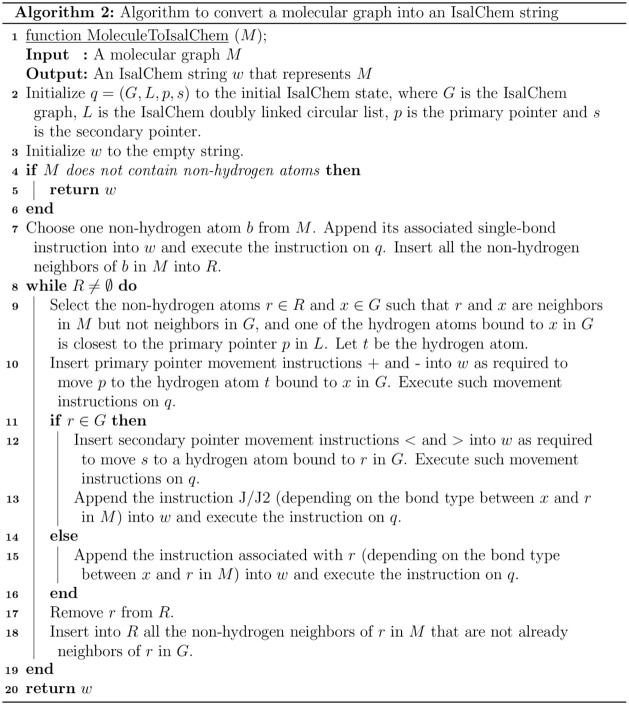 Figure 25
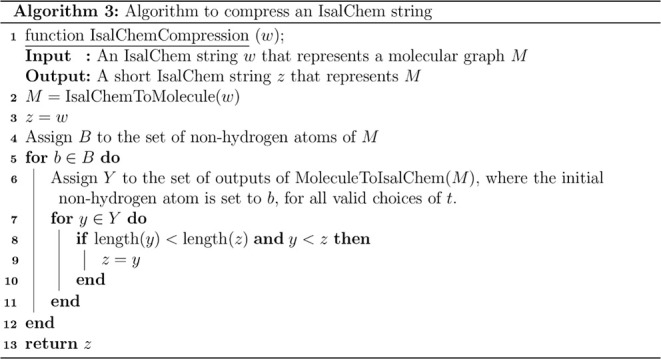 Figure 26
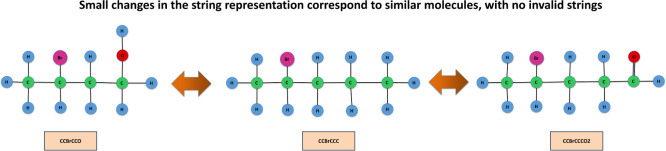 Figure 27
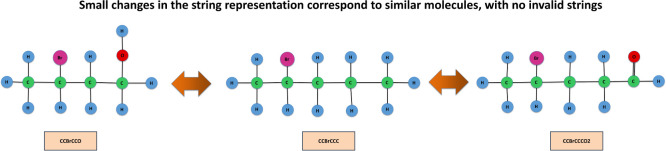 Figure 28
 Figure 29
 Figure 30
 Figure 31
 Figure 32
 Figure 33
 Figure 34
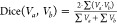 Figure 35
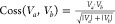 Figure 36
 Figure 37
 Figure 38
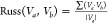 Figure 39
 Figure 40
 Figure 41
 Figure 42
 Figure 43
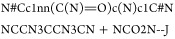 Figure 44
 Figure 45
Peer Reviews
No public reviews on file for this paper yet. If you reviewed it on a platform where reviews are public (OpenReview, ICLR, NeurIPS, ICML), you can paste yours below so the community can read it here.
Videos
No videos yet. Explain this paper in a talk, walkthrough, or lecture? Add one.
Taxonomy
TopicsComputational Drug Discovery Methods · Machine Learning in Materials Science · History and advancements in chemistry