A Computationally Efficient Method to Generate Plausible Conformers for Ensemble Docking and Binding Free Energy Calculations
Ö. Zeynep Güner Yılmaz, Pemra Doruker, Ozge Kurkcuoglu

TL;DR
This paper introduces a fast computational method to generate plausible protein conformers for accurate docking and binding energy calculations.
Contribution
A novel mixed-resolution approach combining normal mode analysis and restrained MD simulations to generate reliable conformers for ensemble docking.
Findings
Truncated conformers of TIM showed comparable binding energies to intact structures.
100 ns simulations were sufficient for accurate binding affinity estimation.
Species-specific binding dynamics were observed at the TIM dimer interface.
Abstract
This study presents a computationally efficient approach to generate plausible protein conformers for ensemble docking to enable evaluations of interactions between ligand and protein for ranking the docked ligands according to their binding affinities. Two binding regions of triose phosphate isomerase (TIM), its catalytic site with DHAP ( TIM), and its dimer interface with 3PG (TIM) involving flexible loops were investigated as case studies. The binding sites of the apo and holo forms were modeled at the atomistic scale (high resolution) while the remaining structure was coarse-grained (low resolution) leading to a mixed-resolution description of the protein. The slowest three normal modes related to the functional dynamics of TIM were obtained using the Anisotropic Network Model and employed to derive 36 conformers of the truncated high-resolution regions by assessing six deformation…
Genes, proteins, chemicals, diseases, species, mutations and cell lines named across the full text — each resolved to its canonical identifier and authoritative record.
Click any figure to enlarge with its caption.
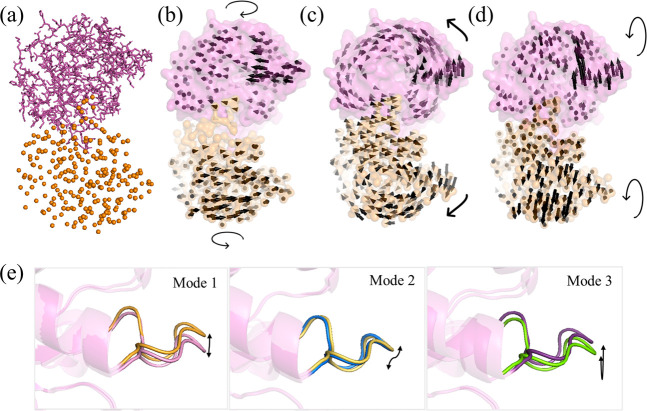 Figure 1
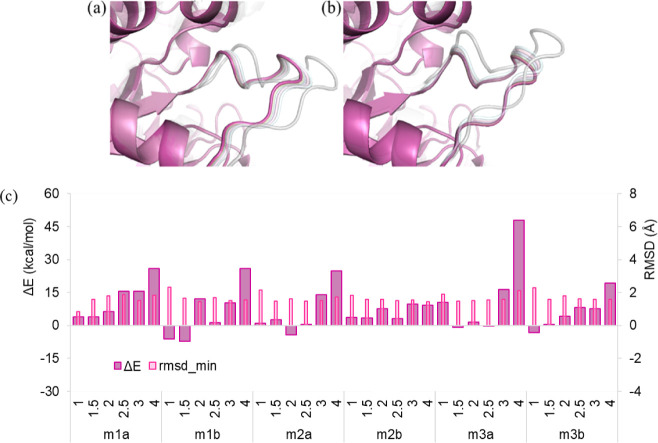 Figure 2
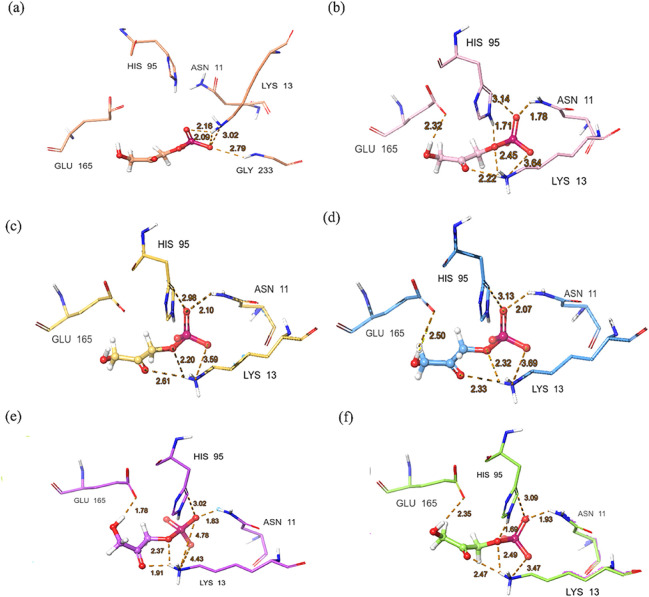 Figure 3
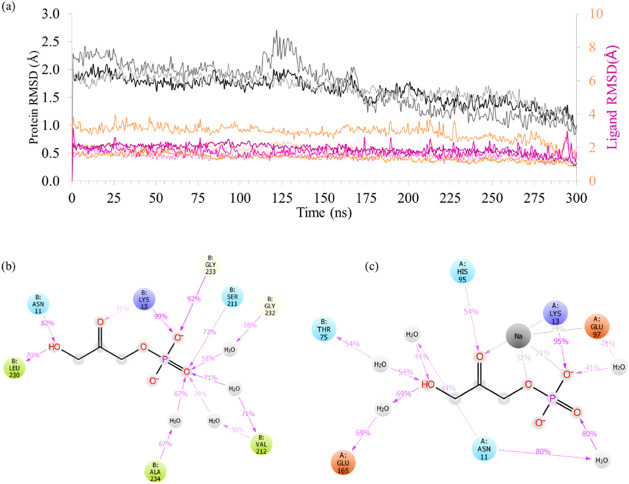 Figure 4
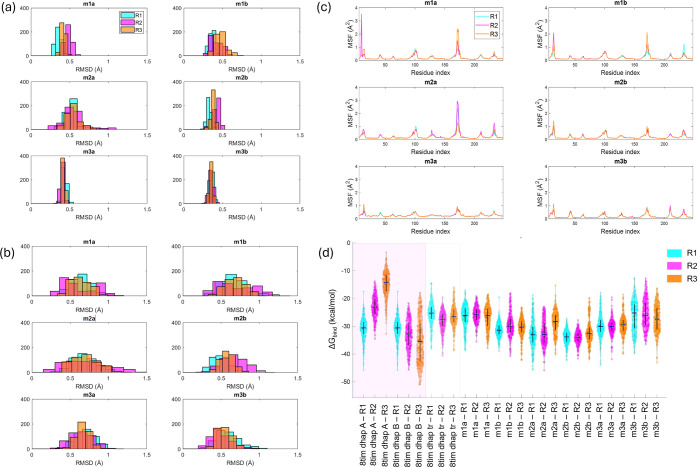 Figure 5
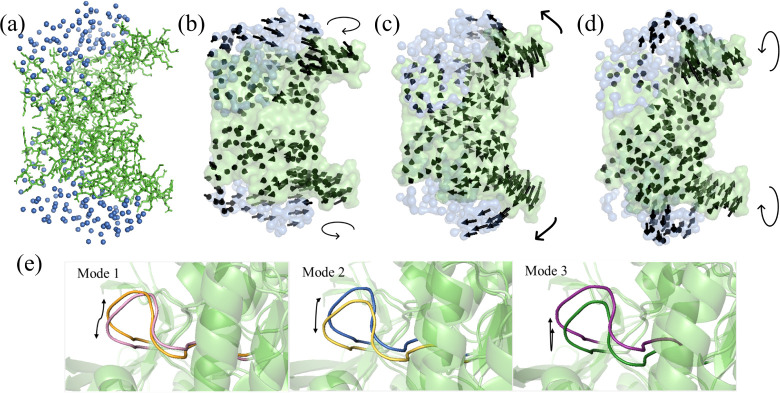 Figure 6
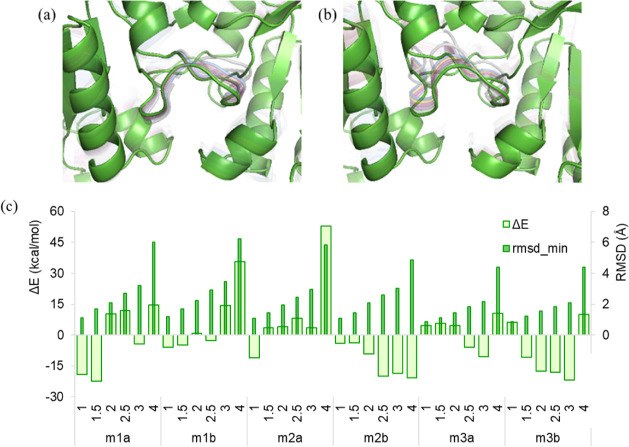 Figure 7
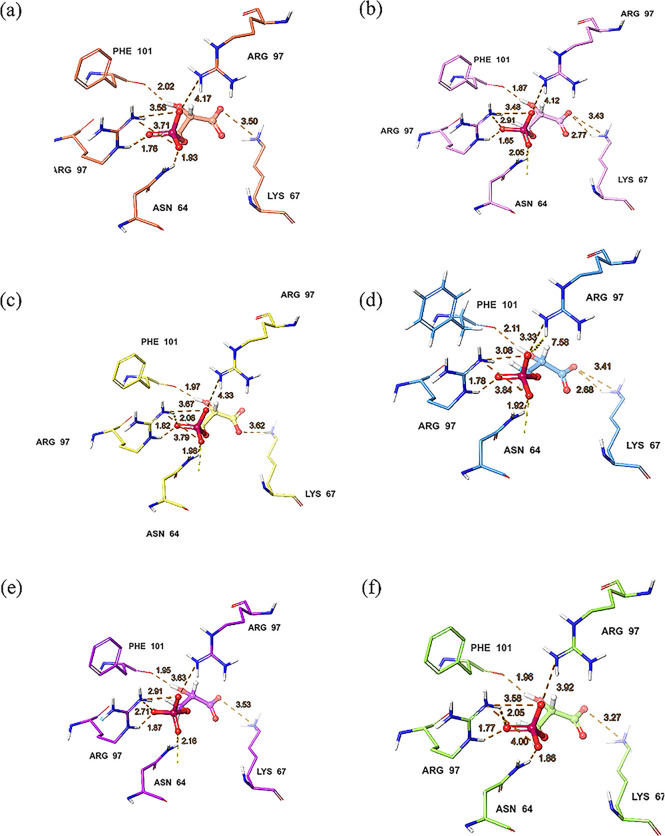 Figure 8
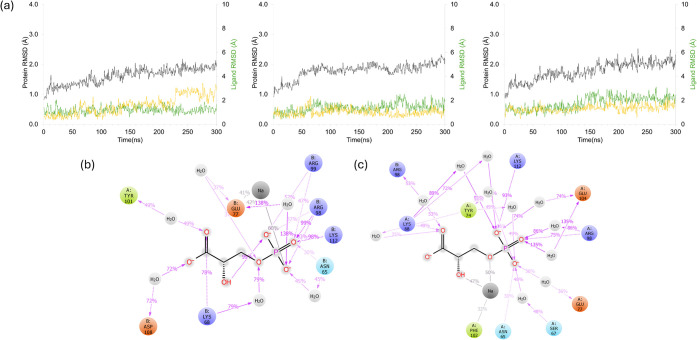 Figure 9
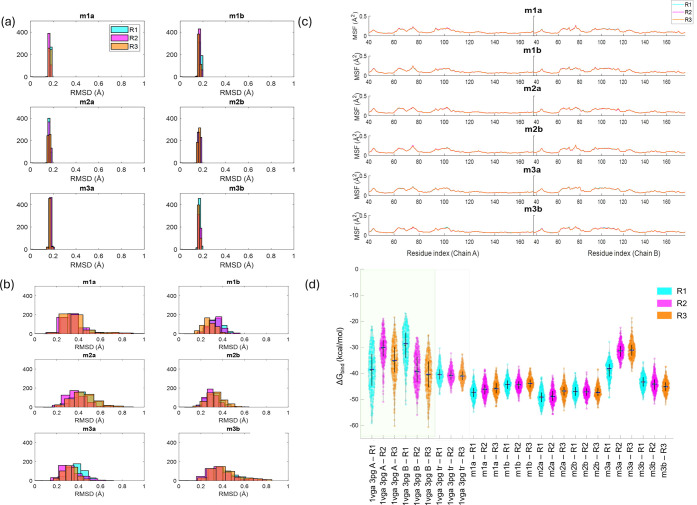 Figure 10
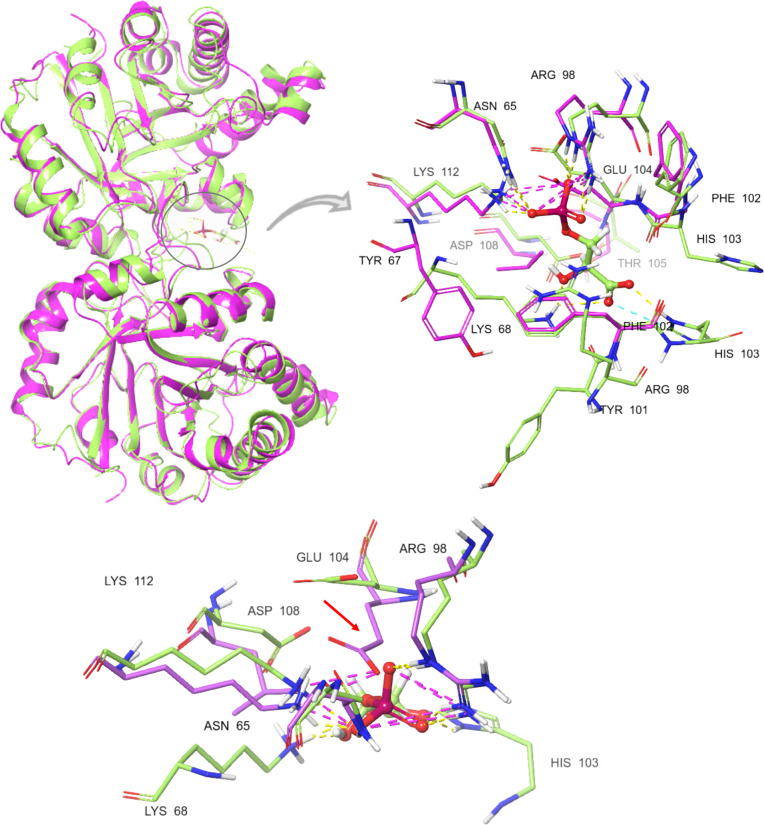 Figure 11
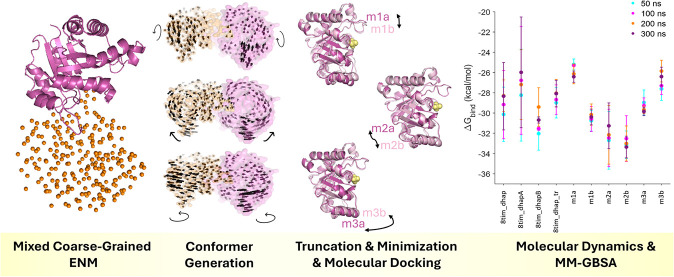 Figure 12
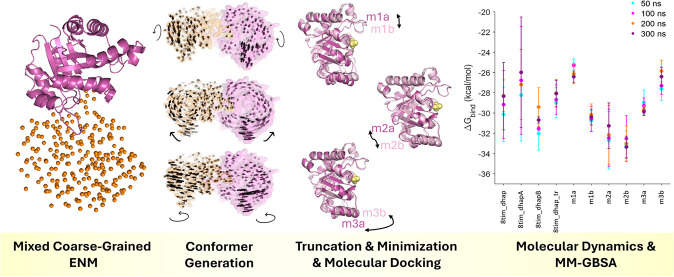 Figure 13
 Figure 14
 Figure 15
 Figure 16
 Figure 17
 Figure 18
 Figure 19
Peer Reviews
No public reviews on file for this paper yet. If you reviewed it on a platform where reviews are public (OpenReview, ICLR, NeurIPS, ICML), you can paste yours below so the community can read it here.
Videos
No videos yet. Explain this paper in a talk, walkthrough, or lecture? Add one.
Taxonomy
TopicsSpectroscopy and Quantum Chemical Studies · Protein Structure and Dynamics · Quantum many-body systems