Development of UROGRAFT: A Bladder Acellular Matrix-Based Composite for Advanced Cystoplasty, Highlighting the Role of Graft Shape and Composition
Marta Pokrywczynska, Zuzanna Fekner, Daria Balcerczyk, Tomasz Kloskowski, Marta Rasmus, Damian Kasinski, Michal Stopel, Marta Szulc, Jan Adamowicz, Arkadiusz Jundzill

TL;DR
Researchers developed UROGRAFT, a new bladder graft material that could replace gastrointestinal segments in bladder augmentation surgeries.
Contribution
The novel UROGRAFT composite combines bladder acellular matrix with collagen and cellulose, optimized for biocompatibility and graft shape.
Findings
A Triton X-100 and SDS decellularization protocol effectively removed cells while preserving ECM structure.
Cross-linking with collagen and cellulose improved scaffold properties and reduced porosity.
Preclinical trials in pigs showed UROGRAFT is biocompatible, safe, and supports cell growth for potential tissue engineering.
Abstract
Urinary bladder augmentation with gastrointestinal segments, despite many complications, remains a gold standard treatment of low-capacity, poorly compliant, or refractory overactive urinary bladder. In this study, we developed the UROGRAFT, a new bladder acellular matrix–collagen–cellulose (BAM–CC) composite for urinary bladder augmentation. The study presents the step-by-step development process of UROGRAFT, including the selection of an optimal decellularization protocol and cross-linking method to ensure optimal biomaterial properties. Histological and biochemical analyses demonstrated that the combined protocol of Triton X-100 and sodium dodecyl sulfate (SDS) was the most effective, completely removing cellular components while preserving the extracellular matrix (ECM). DNA quantification confirmed a significant reduction in residual genetic material, ensuring a low immunogenic…
Genes, proteins, chemicals, diseases, species, mutations and cell lines named across the full text — each resolved to its canonical identifier and authoritative record.
Click any figure to enlarge with its caption.
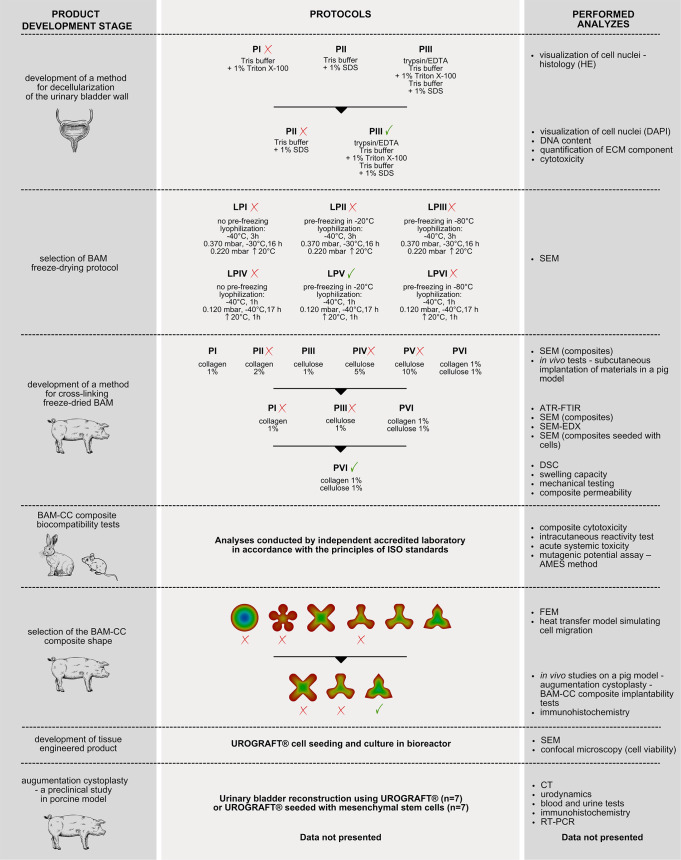 Figure 1
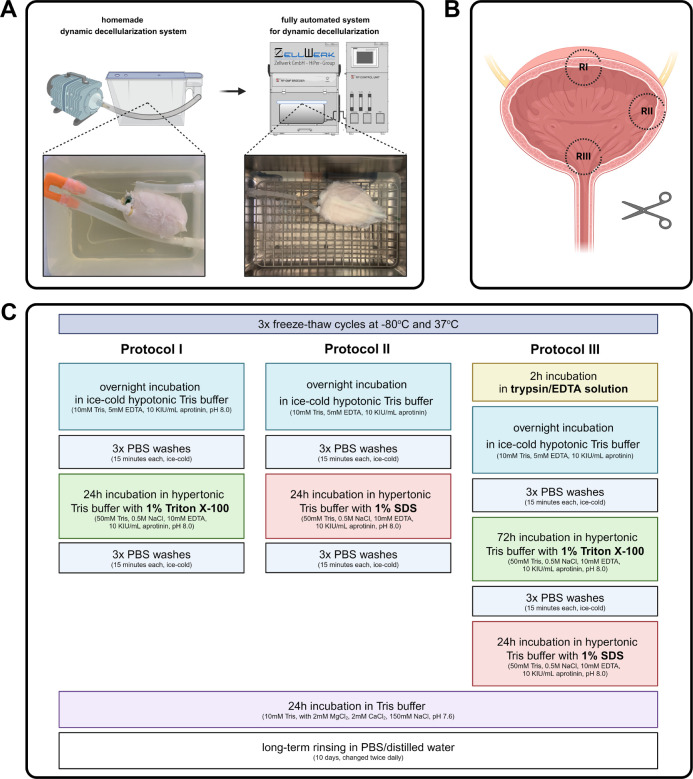 Figure 2
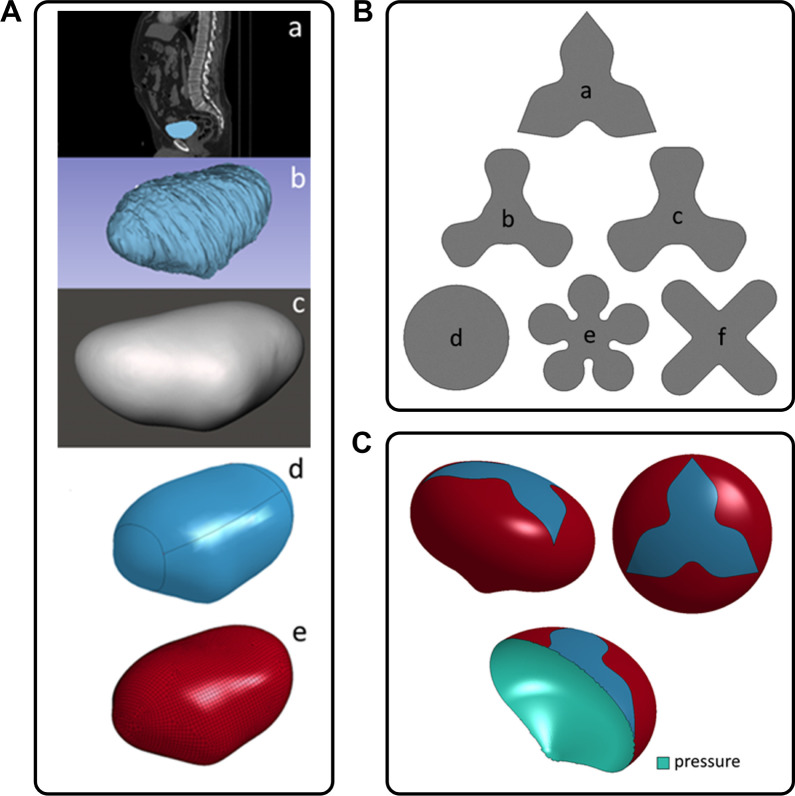 Figure 3
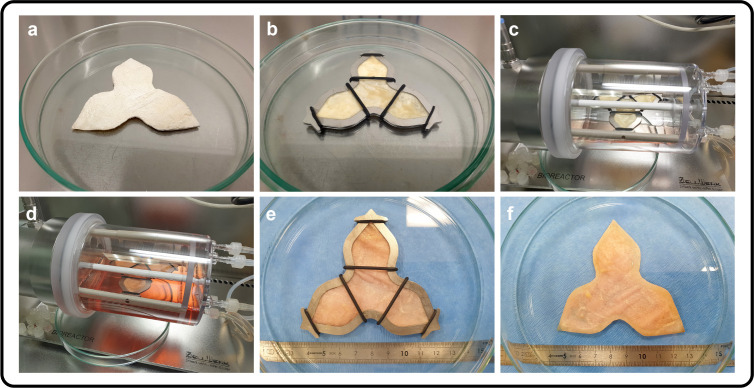 Figure 4
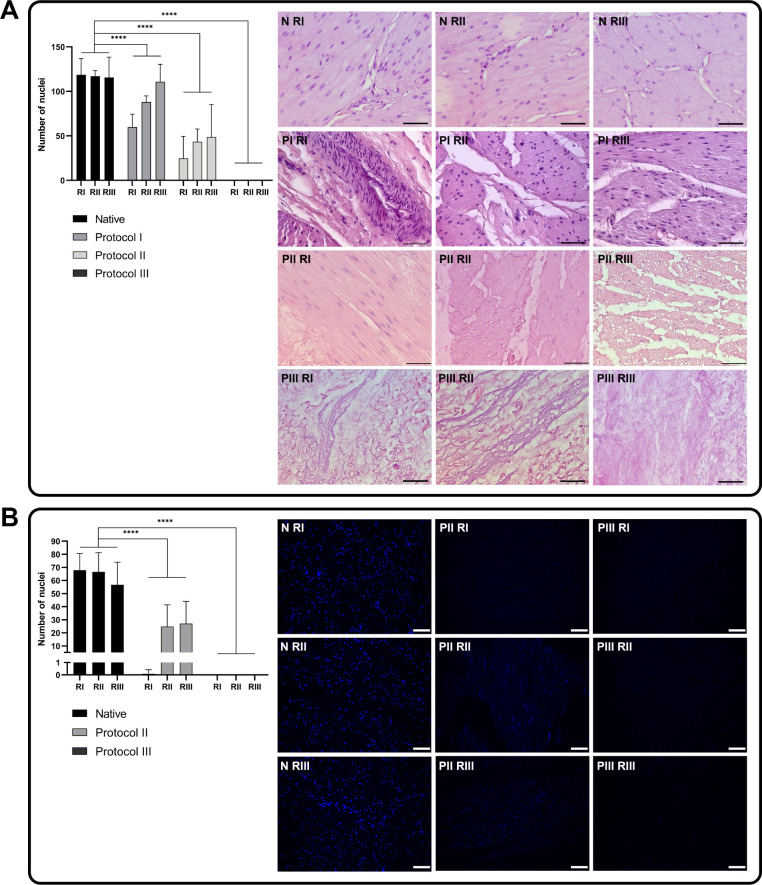 Figure 5
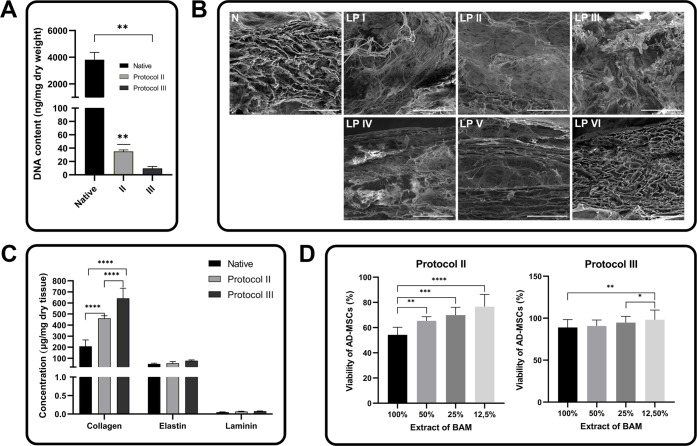 Figure 6
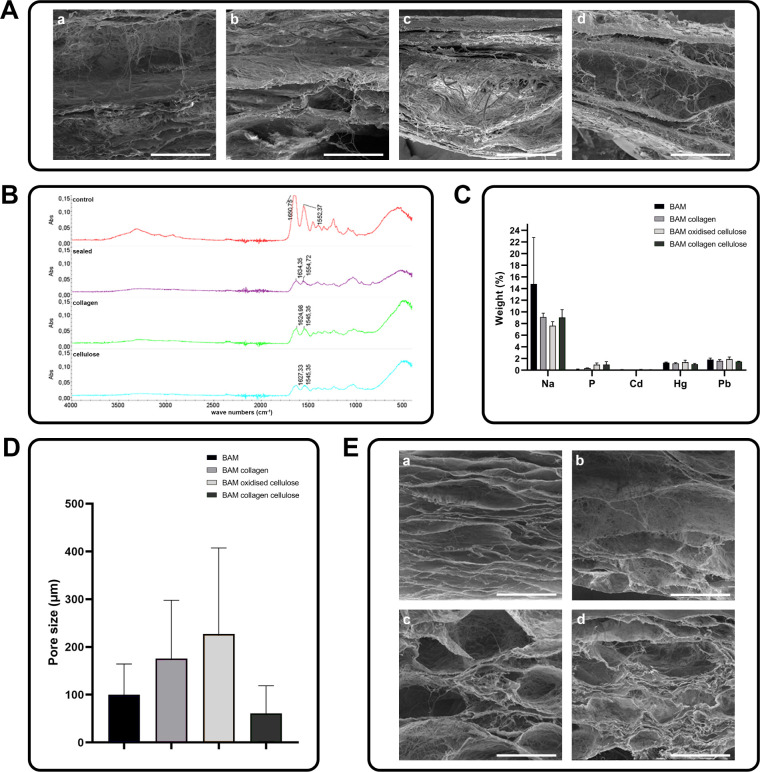 Figure 7
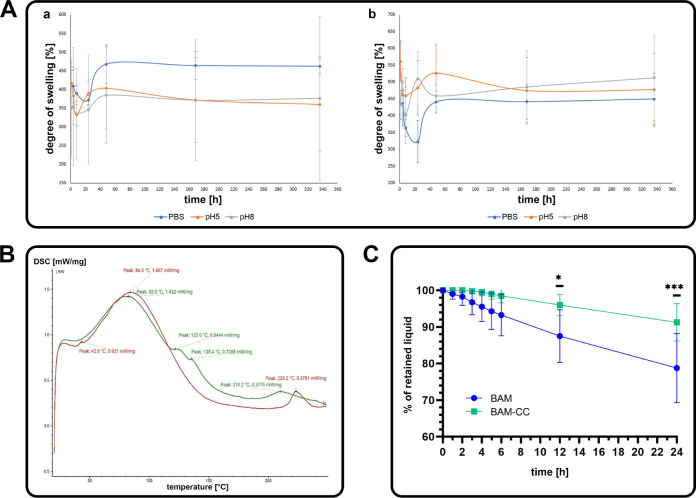 Figure 8
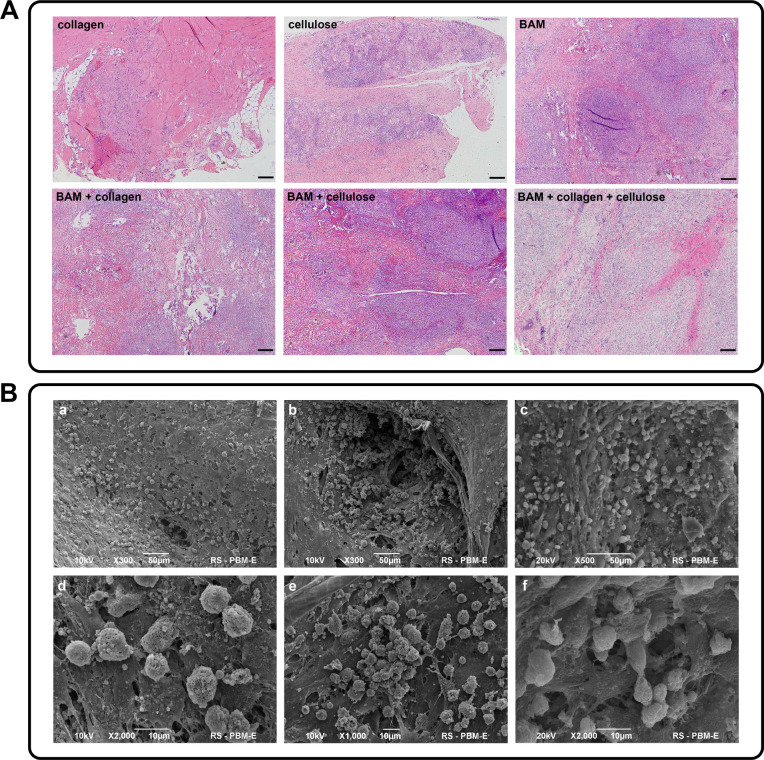 Figure 9
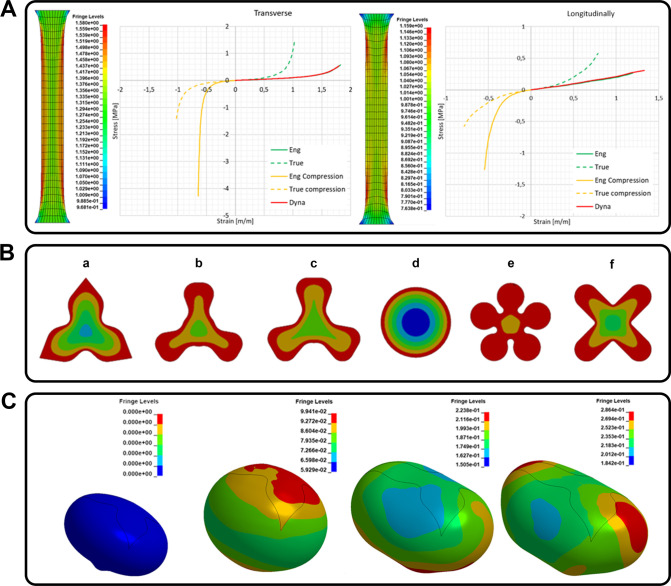 Figure 10
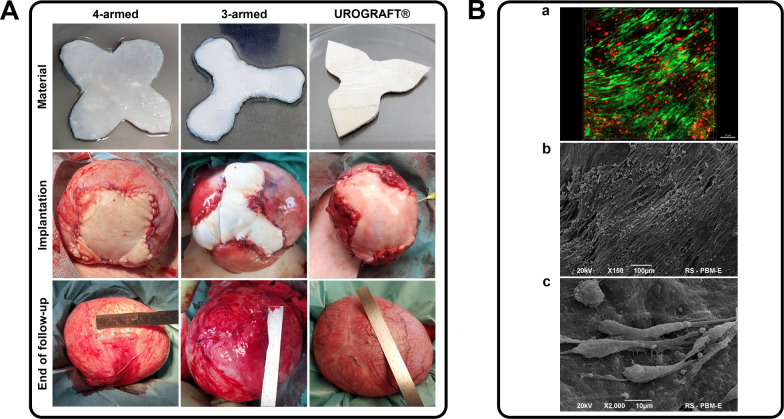 Figure 11
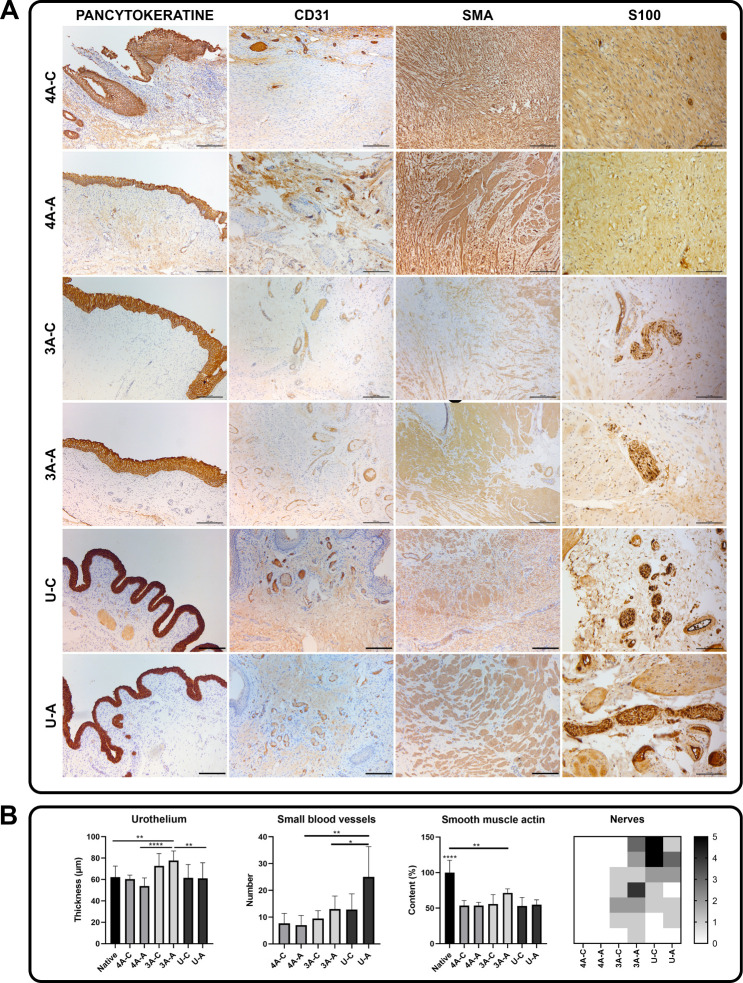 Figure 12
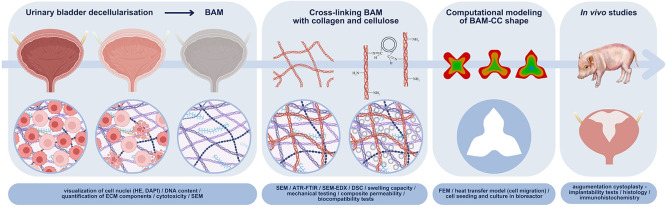 Figure 13
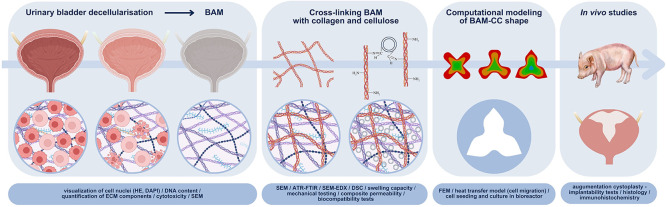 Figure 14
Peer Reviews
No public reviews on file for this paper yet. If you reviewed it on a platform where reviews are public (OpenReview, ICLR, NeurIPS, ICML), you can paste yours below so the community can read it here.
Videos
No videos yet. Explain this paper in a talk, walkthrough, or lecture? Add one.
Taxonomy
TopicsTissue Engineering and Regenerative Medicine · Electrospun Nanofibers in Biomedical Applications · Urological Disorders and Treatments