Preparation of CO2‑Triggered Extrudable Chitosan for Fat Production
Andrea Fiorati, Beatrice Sottini, Matteo Pavarini, Margherita Pallaoro, Gabriela Graziani, Roberto Casalini, Alessia Di Giancamillo, Luigi De Nardo, Lina Altomare

TL;DR
This paper introduces a new CO2-triggered chitosan gel that supports cell viability and lipid release for cultured fat production in food.
Contribution
The novelty lies in the CO2-triggered chitosan processing and embedding of predifferentiated adipocyte pellets for cultured fat ingredients.
Findings
The chitosan gel is stable and supports optimal cell viability when cells are embedded in differentiated pellets.
The gel exhibits effective lipid release and shear-thinning behavior suitable for extrusion-based processing.
Abstract
Cultured ingredients are becoming increasingly important in the food industry. However, reproducing fat ingredients remains a major challenge. Hydrogel scaffolds are commonly used to culture cells for regenerative purposes. Among these, chitosan is a promising material, as it supports high cell viability. Still, its use is limited by conventional processing in acetic acid, whose residuals hamper cell availability and can modify food taste. Here, we propose a methodology for processing chitosan that enables CO2-triggered structural modulation, supporting its application as a matrix for cultured food ingredients. For the first time, we add cells to the developed gel by standard mixing and using a newly developed method based on embedding predifferentiated adipocyte pellets. The findings reveal that the gel is stable and results in optimal cell viability when the cells are embedded in…
Genes, proteins, chemicals, diseases, species, mutations and cell lines named across the full text — each resolved to its canonical identifier and authoritative record.
Click any figure to enlarge with its caption.
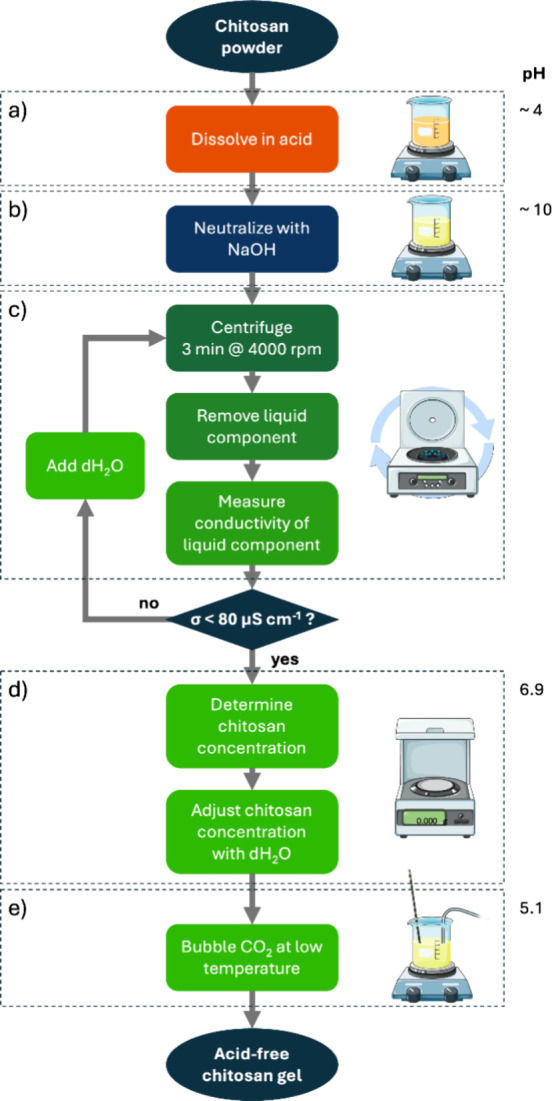 Figure 1
 Figure 2
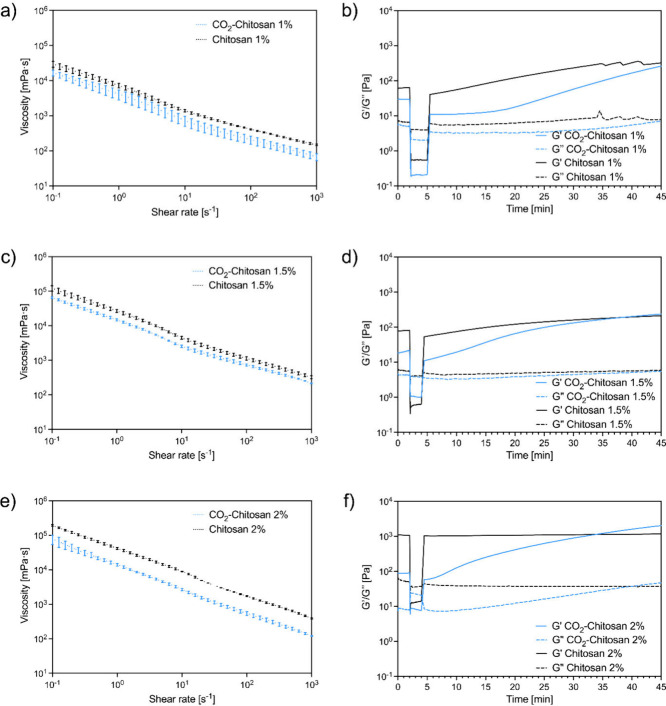 Figure 3
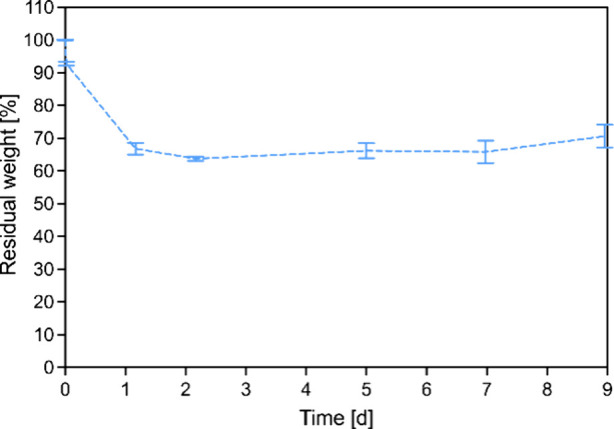 Figure 4
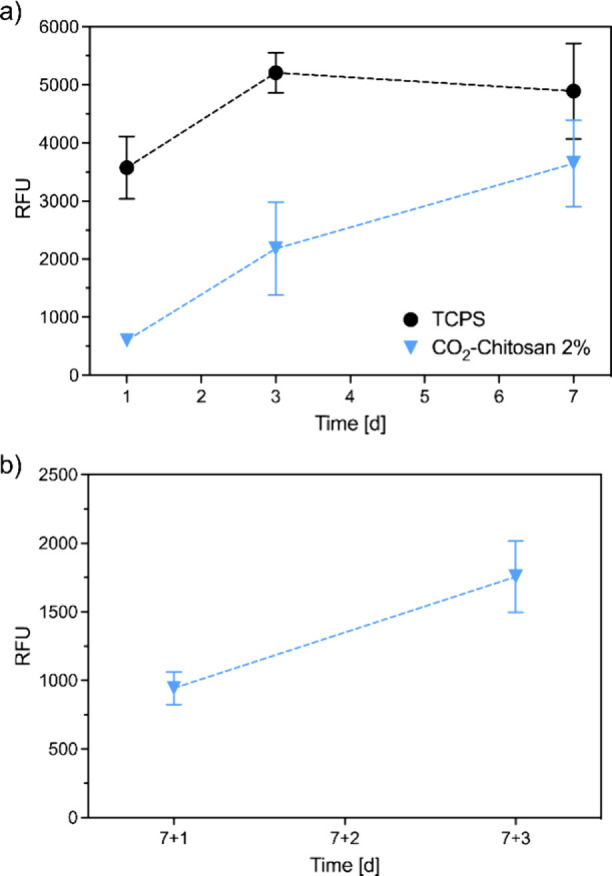 Figure 5
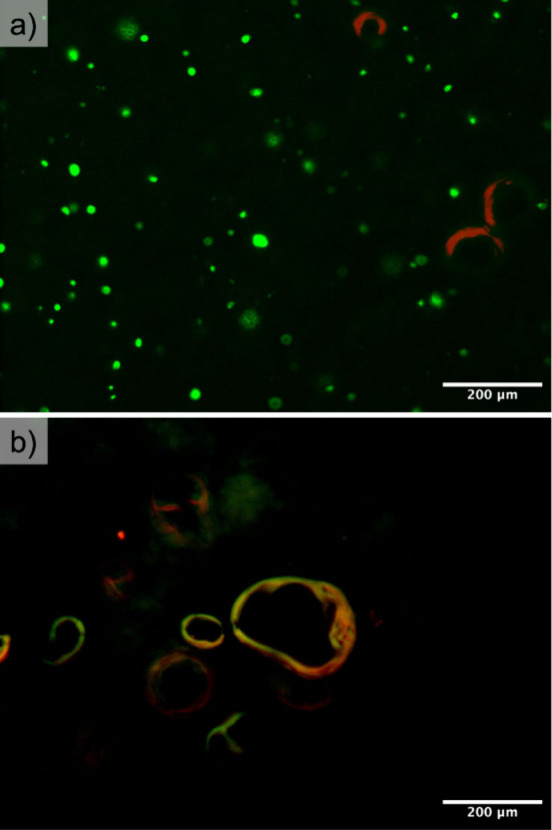 Figure 6
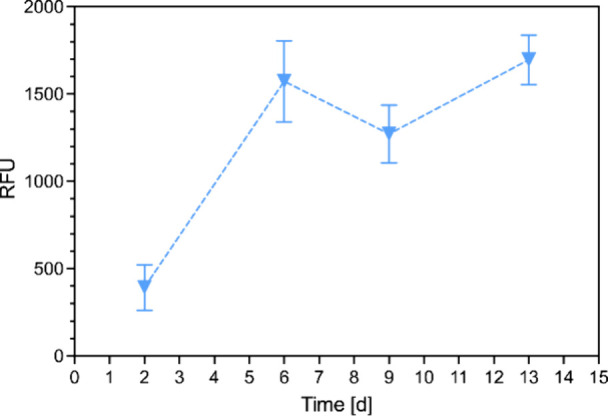 Figure 7
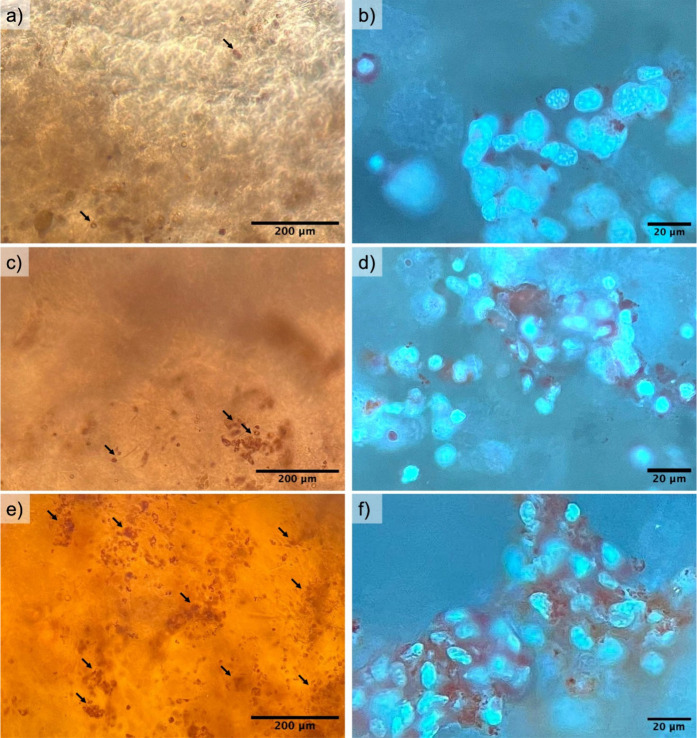 Figure 8
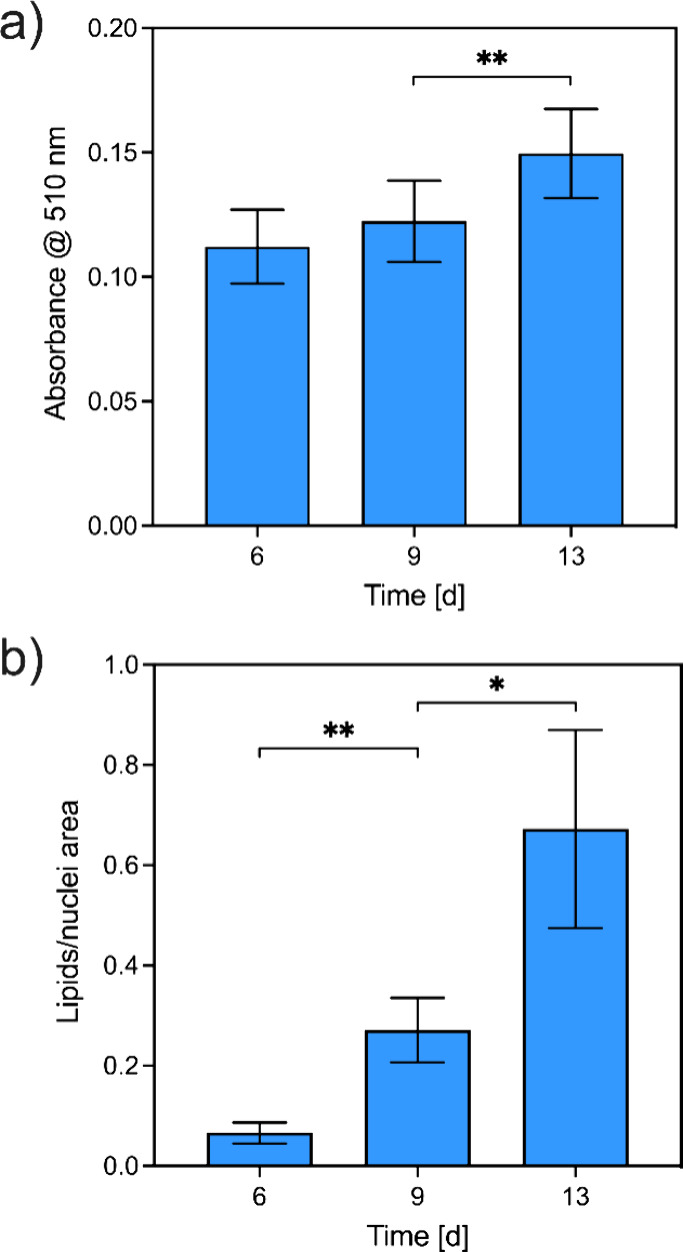 Figure 9
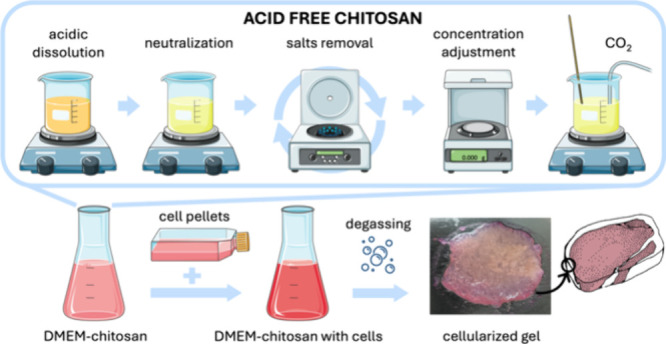 Figure 10
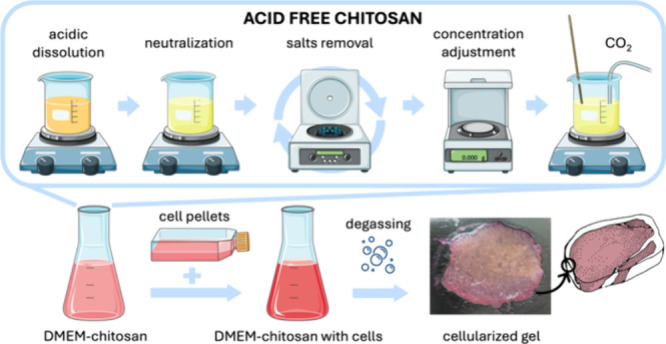 Figure 11
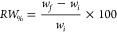 Figure 12
 Figure 13
 Figure 14
Peer Reviews
No public reviews on file for this paper yet. If you reviewed it on a platform where reviews are public (OpenReview, ICLR, NeurIPS, ICML), you can paste yours below so the community can read it here.
Videos
No videos yet. Explain this paper in a talk, walkthrough, or lecture? Add one.
Taxonomy
Topics3D Printing in Biomedical Research · Electrospun Nanofibers in Biomedical Applications · Additive Manufacturing and 3D Printing Technologies