Using Late C-reactive Protein Measurement in Transient Tachypnea of the Newborn to Predict Bacteremia and Reduce Blood Sampling Frequency
Hsien-Kuan Liu, Ming-Chun Yang, Wan-Chun Lin, San-Nan Yang, Teck-Jin Tan, Yung-Ning Yang

TL;DR
The study shows that measuring C-reactive protein later in newborns with breathing issues can predict infections better than early testing, reducing the need for frequent blood draws.
Contribution
The novel approach of delaying the first blood test and using a single late C-reactive protein measurement to predict neonatal bacteremia is proposed.
Findings
Late CRP measurement (12-24 hours post-admission) is the strongest predictor of neonatal bacteremia.
Delaying blood tests reduces unnecessary phlebotomy without compromising safety.
Late CRP outperforms early CRP and other clinical variables in predicting infection.
Abstract
Background Frequent blood draws in neonates pose significant challenges, including procedural pain, risk of anemia, and increased healthcare burden. Hospitalized neonates with respiratory distress often undergo multiple blood tests to rule out bacterial infections, despite the low incidence of neonatal bacteremia. C-reactive protein (CRP) levels rise 10-12 hours post-infection, suggesting that early testing may not be optimal for predicting bacteremia. This study evaluates whether delaying the initial blood test and relying on a single blood draw can effectively predict neonatal bacteremia, aiming to reduce unnecessary phlebotomy and improve clinical efficiency. Methods This retrospective study included neonates diagnosed with transient tachypnea of the newborn (TTN) at E-Da Hospital from January 2021 to June 2022. Cases with congenital anomalies, unstable vital signs, or maternal…
Genes, proteins, chemicals, diseases, species, mutations and cell lines named across the full text — each resolved to its canonical identifier and authoritative record.
Click any figure to enlarge with its caption.
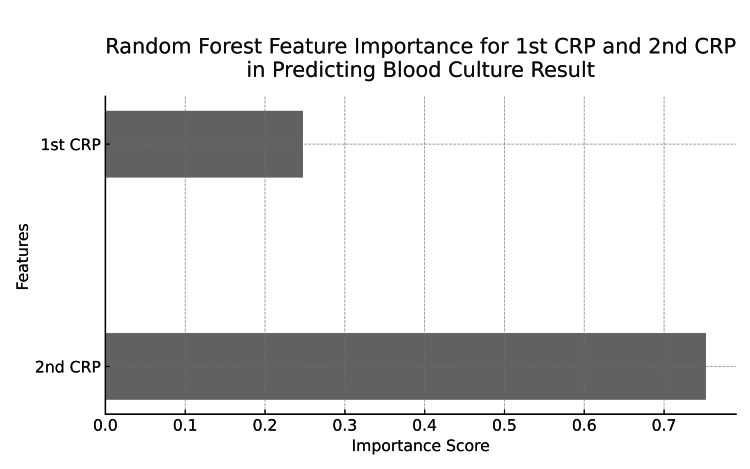 Figure 1
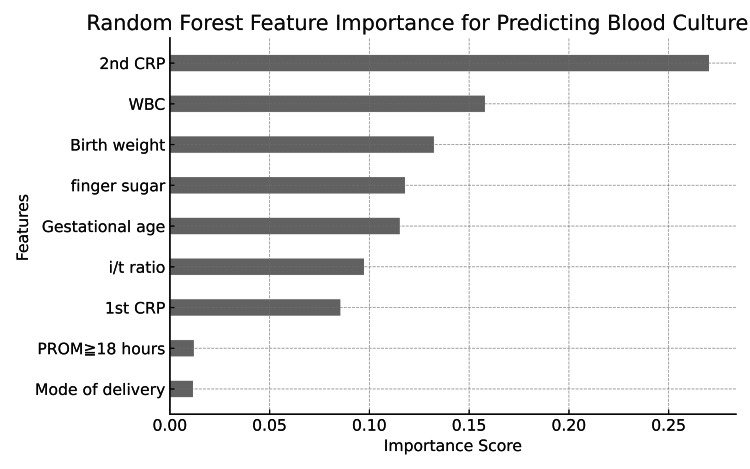 Figure 2
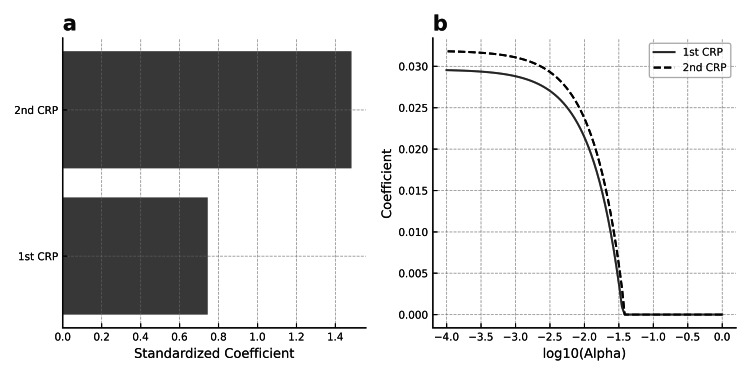 Figure 3
Peer Reviews
No public reviews on file for this paper yet. If you reviewed it on a platform where reviews are public (OpenReview, ICLR, NeurIPS, ICML), you can paste yours below so the community can read it here.
Videos
No videos yet. Explain this paper in a talk, walkthrough, or lecture? Add one.
Taxonomy
TopicsNeonatal and fetal brain pathology · Streptococcal Infections and Treatments · Neonatal and Maternal Infections