Revalidation of the Curiosity and Exploration Inventory-II (CEI-II) using network analysis
Sergio Navas-León, Pedro Juan Pérez-Moreno, Carmen Santin Vilarino, Diego Diaz-Milanes

TL;DR
This study revalidates a curiosity assessment tool using network analysis, finding it to be a stable, one-dimensional model with insights for improving curiosity-related interventions.
Contribution
The study introduces network analysis as a novel method to revalidate the CEI-II, revealing gender-invariant structures and key pathways for interventions.
Findings
The CEI-II is best modeled as a stable, one-dimensional structure consistent with prior research.
Partial-correlation networks showed gender-invariant structure and centrality measures but differing global strength.
Specific curiosity items showed stronger interconnections, suggesting their importance in fostering curiosity-driven behaviors.
Abstract
Curiosity is crucial across various domains, from clinical to educational fields, and holds potential for psychological interventions. Accurate definition and assessment of curiosity are essential for understanding its role and utility. Traditional approaches like factor analysis may not fully capture the construct's nuances. This study aims to reassess the psychometric properties of the Curiosity and Exploration Inventory-II (CEI-II) using Network Analysis. A total of 849 Spanish undergraduate students participated in the study. Descriptive analysis, partial-correlation network analysis with gender invariance testing, and Bayesian network model estimation were conducted. The findings indicate that the CEI-II is best conceptualized as a stable, one-dimensional model, consistent with prior research. The partial-correlation network exhibited moderate density and was invariant in…
Genes, proteins, chemicals, diseases, species, mutations and cell lines named across the full text — each resolved to its canonical identifier and authoritative record.
Click any figure to enlarge with its caption.
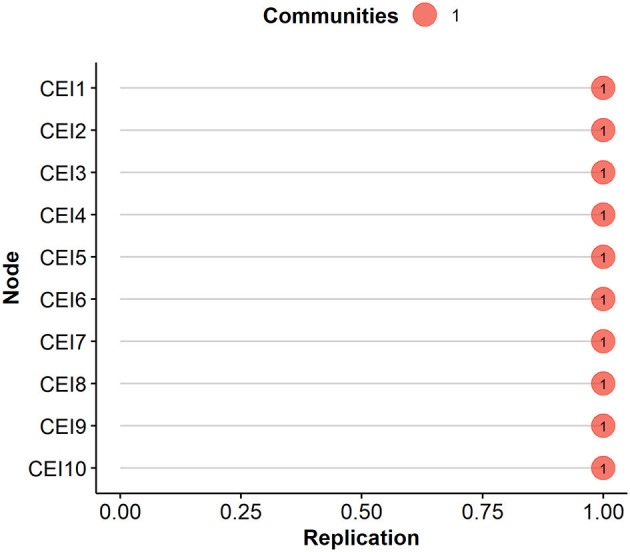 Figure 1
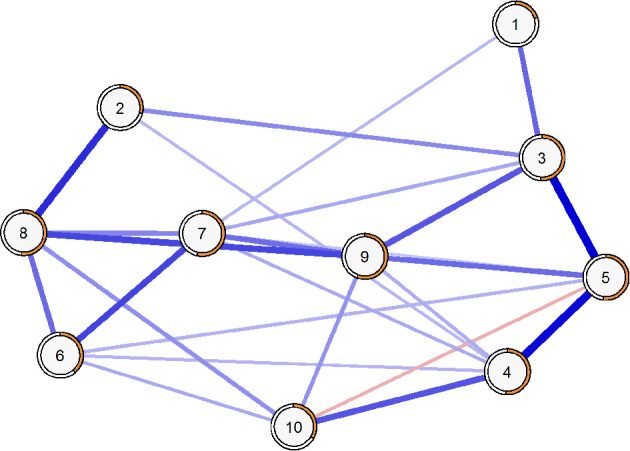 Figure 2
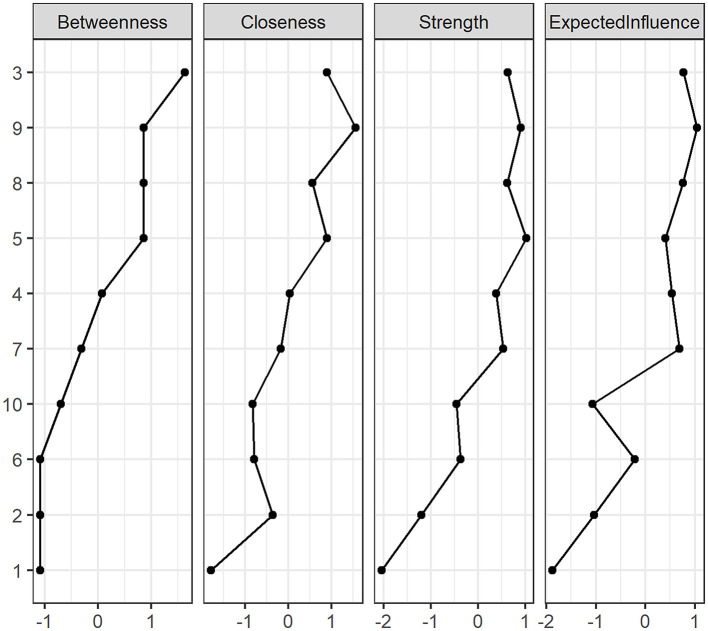 Figure 3
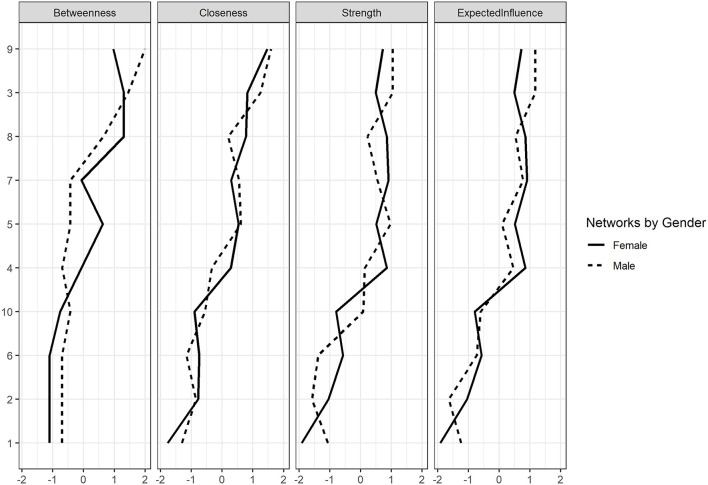 Figure 4
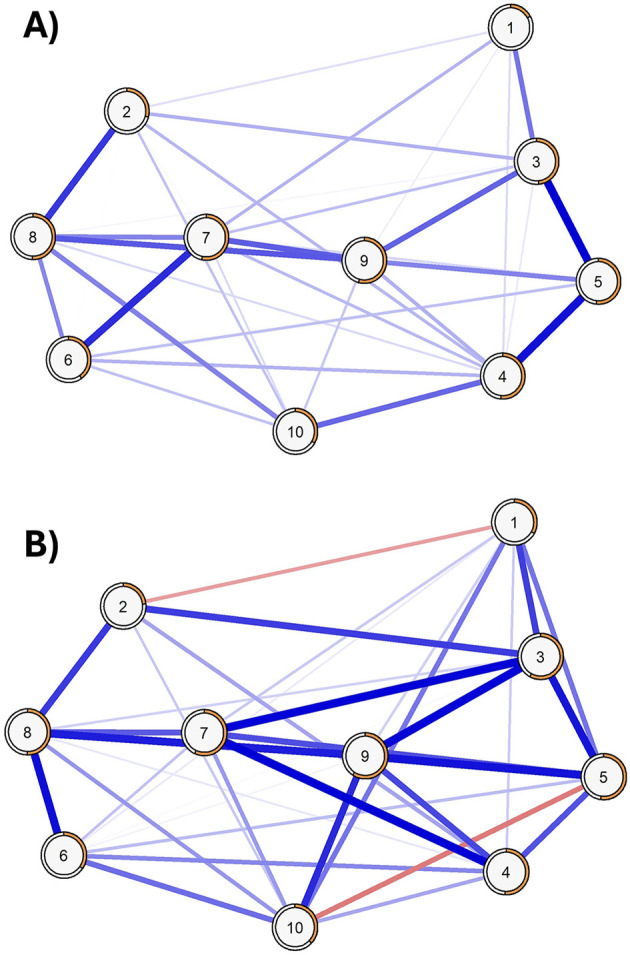 Figure 5
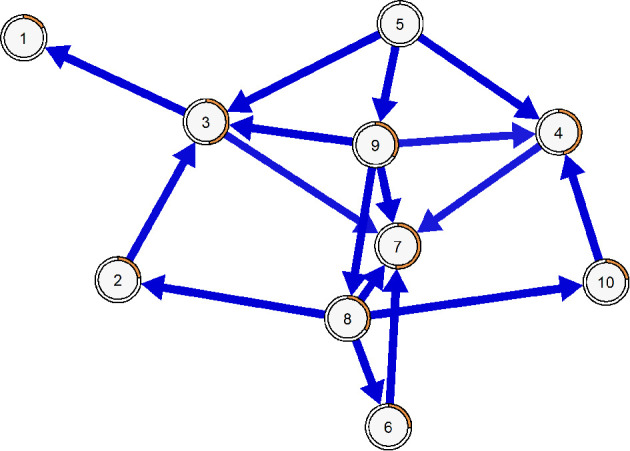 Figure 6
Peer Reviews
No public reviews on file for this paper yet. If you reviewed it on a platform where reviews are public (OpenReview, ICLR, NeurIPS, ICML), you can paste yours below so the community can read it here.
Videos
No videos yet. Explain this paper in a talk, walkthrough, or lecture? Add one.
Taxonomy
TopicsPsychological and Educational Research Studies · Mental Health Research Topics · Identity, Memory, and Therapy