Detecting and Mapping Invasive Species Across Riparian Corridors via Object Detection Approaches in UAV Imagery: An Example of Impatiens glandulifera
Jack Cook, Benjamin P. Roberts, Frédéric Labrosse, Neal Snooke

TL;DR
A new tool uses drone images and computer vision to detect invasive Impatiens glandulifera flowers in hard-to-reach river areas.
Contribution
A semi-automatic thresholding tool (SATT) is introduced for identifying invasive plant flowers in UAV imagery with high precision.
Findings
The SATT achieved 79%-96% precision and 73%-86% mean average precision in identifying Impatiens glandulifera flowers.
The tool converts detection results into GIS-compatible vector formats for mapping invasive species hotspots.
The SATT requires minimal training data and is accessible to nonexperts via a graphical user interface.
Abstract
Riparian zones in the United Kingdom have high species diversity but are prone to anthropogenic changes and alien plant invasions, like Impatiens glandulifera . However, identification can be challenging due to poor accessibility or visibility via tree canopies. UAVs provide a means to access previously inaccessible areas and capture imagery of the area. In this study, a method is introduced to identify the flowers of invasive species ( Impatiens glandulifera ) and map their locations using a computer vision framework and oblique image capture methods. The process includes thresholding images, image masking, blurring, ellipsoid shape search, noise reduction, and contour extraction. Locations are determined using camera parameters, EXIF data, and the average flower size, then converted into vector format for GIS software. This method is wrapped into a single executable program named the…
Genes, proteins, chemicals, diseases, species, mutations and cell lines named across the full text — each resolved to its canonical identifier and authoritative record.
Click any figure to enlarge with its caption.
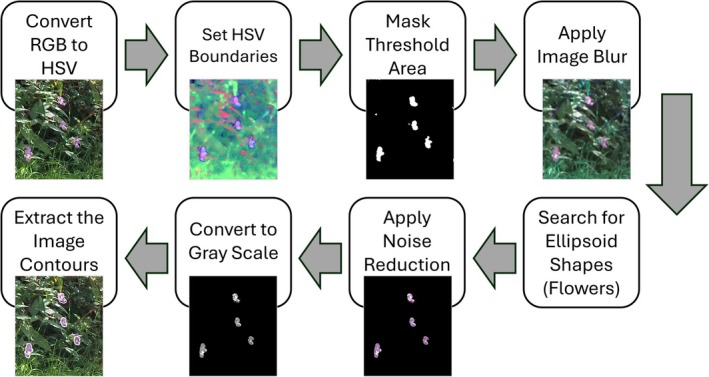 Figure 1
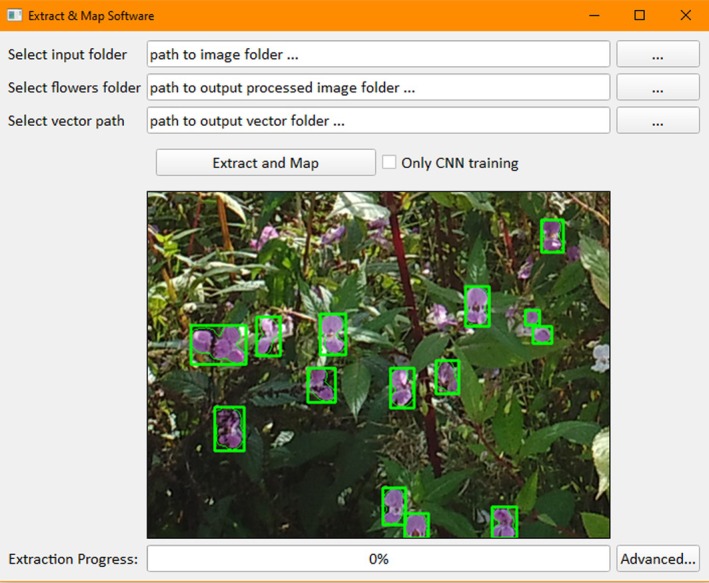 Figure 2
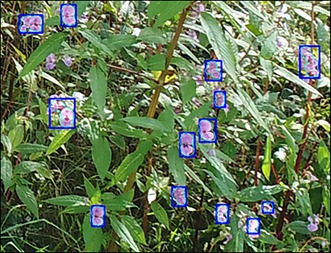 Figure 3
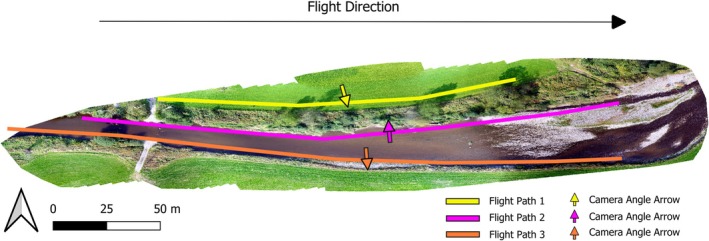 Figure 4
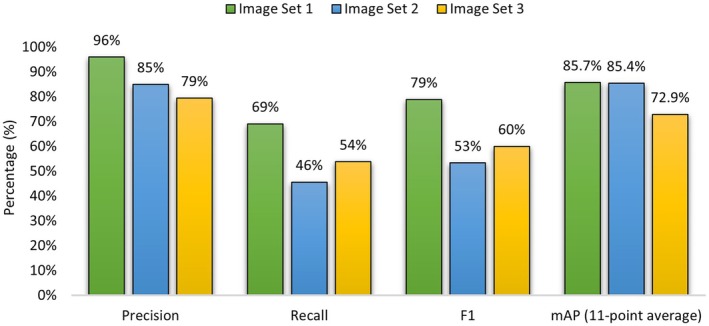 Figure 5
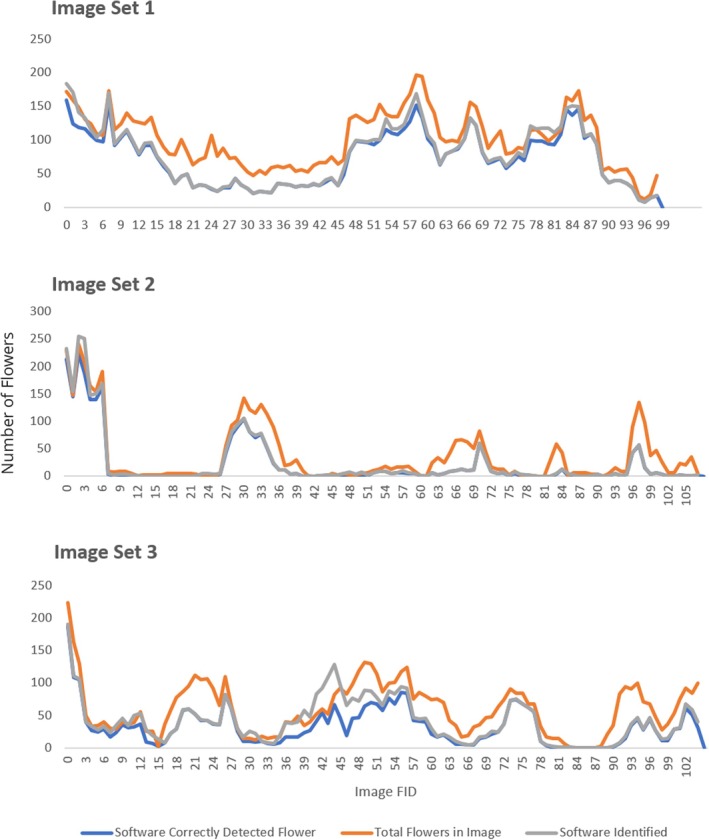 Figure 6
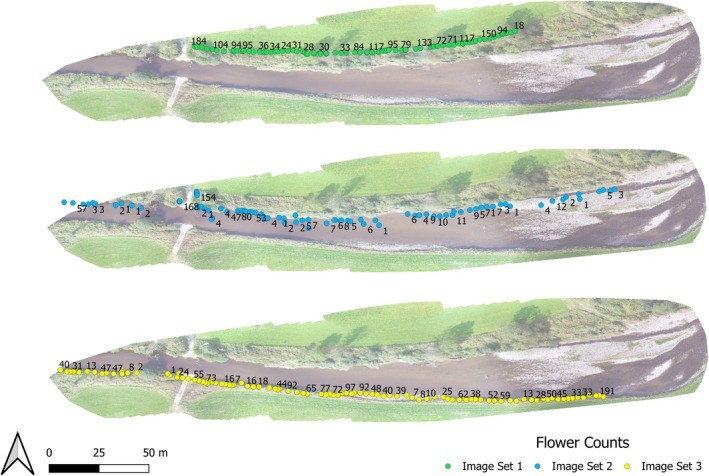 Figure 7
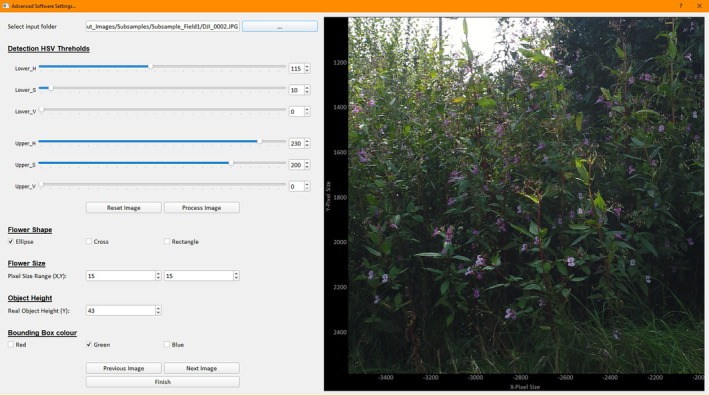 Figure 8
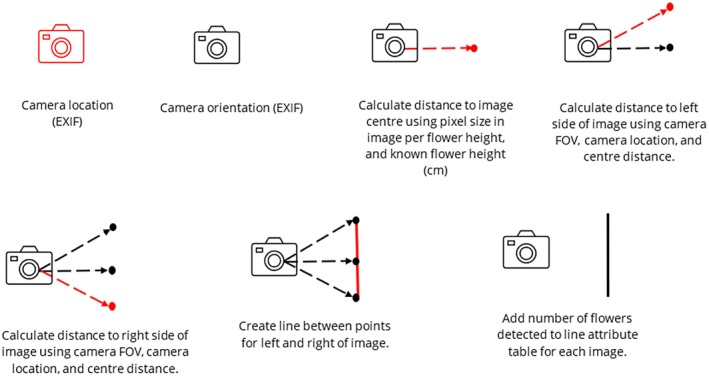 Figure 9
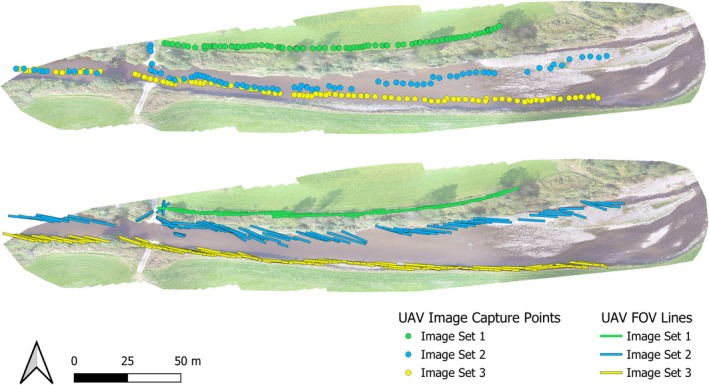 Figure 10
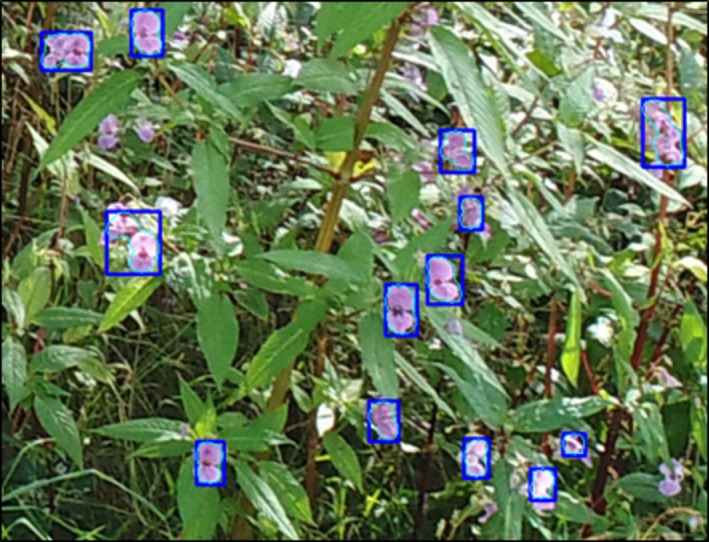 Figure 11
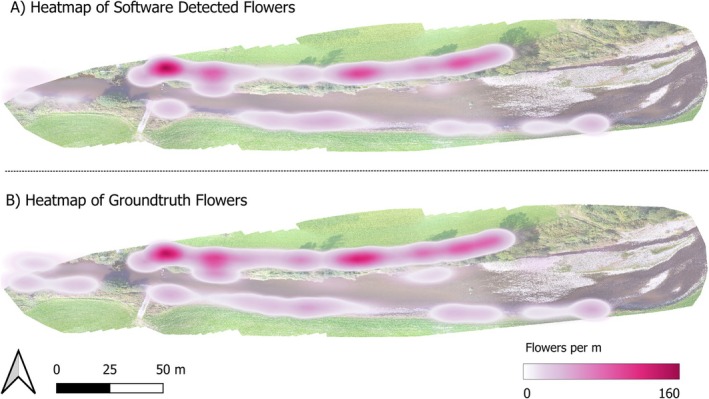 Figure 12
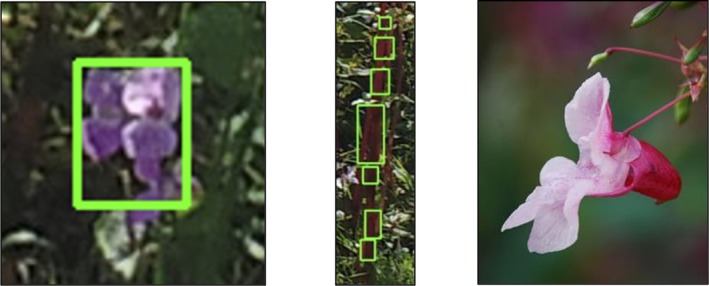 Figure 13
Peer Reviews
No public reviews on file for this paper yet. If you reviewed it on a platform where reviews are public (OpenReview, ICLR, NeurIPS, ICML), you can paste yours below so the community can read it here.
Videos
No videos yet. Explain this paper in a talk, walkthrough, or lecture? Add one.
Taxonomy
TopicsWildlife Ecology and Conservation · Fish Ecology and Management Studies · Wildlife-Road Interactions and Conservation