COMPRESSIVE DATA STORAGE FOR LONG-TERM EEG: VALIDATION BY VISUAL ANALYSIS
Giridhar P. Kalamangalam, Subeikshanan Venkatesan, Maria-Jose Bruzzone, Yue Wang, Carolina B. Maciel, Sotiris Mitropanopoulos, Jean Cibula, Kajal Patel, Abbas Babajani-Feremi

TL;DR
This paper shows that long-term EEG data can be compressed 20 times without losing important visual diagnostic features, enabling efficient storage and new scientific insights.
Contribution
A novel data-analytic pipeline using SVD and DCT achieves 20-fold compression of long-term EEG data while preserving diagnostic quality.
Findings
A 20-fold compression of long-term EEG data was achieved without compromising visual diagnostic features.
Reconstructed data using the second compression regime showed no significant difference in diagnostic scores compared to original data.
The latent space from compressed data may offer new scientific insights into acute neurological illness.
Abstract
•Long-term EEG monitoring (LTM) accrues massive data volumes that are challenging to permanently archive in their entirety.•Analytic techniques can achieve a 20-fold compression of LTM data size without compromising visually diagnostic features.•The latent space may suggest new scientific questions in the EEG of acute neurological illness. Long-term EEG monitoring (LTM) accrues massive data volumes that are challenging to permanently archive in their entirety. Analytic techniques can achieve a 20-fold compression of LTM data size without compromising visually diagnostic features. The latent space may suggest new scientific questions in the EEG of acute neurological illness. Long-term EEG monitoring (LTM) in acute neurology generates massive data volumes. We investigated whether data-analytic techniques could reduce LTM data size yet conserve their visual diagnostic features. LTM…
Genes, proteins, chemicals, diseases, species, mutations and cell lines named across the full text — each resolved to its canonical identifier and authoritative record.
Click any figure to enlarge with its caption.
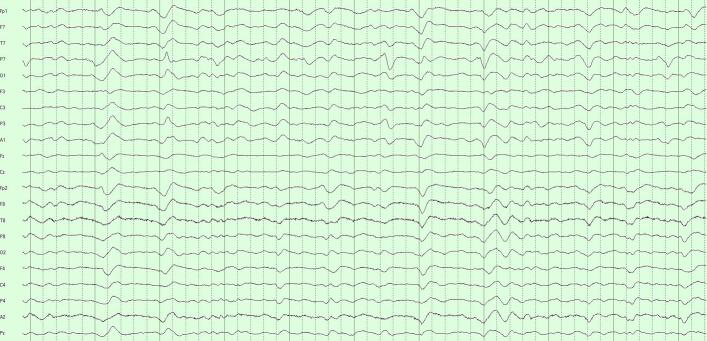 Figure 1
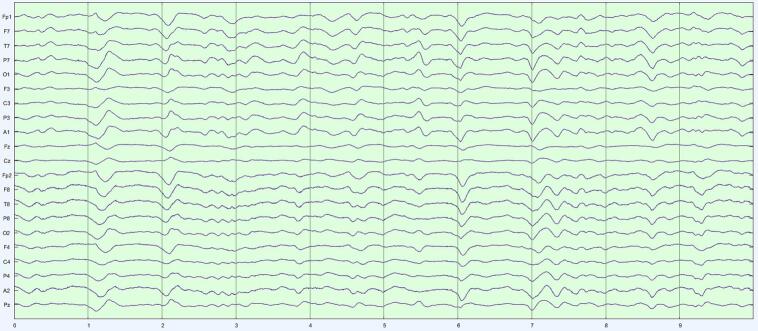 Figure 2
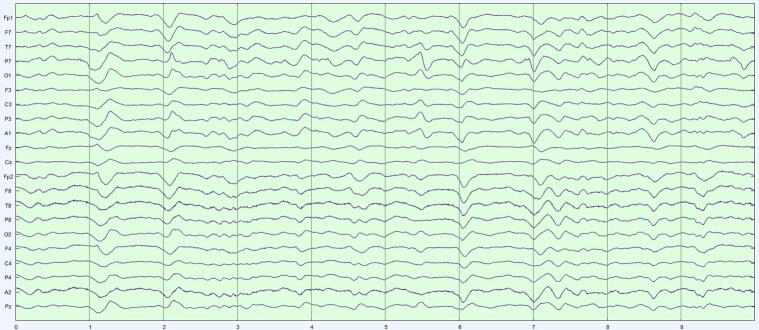 Figure 3
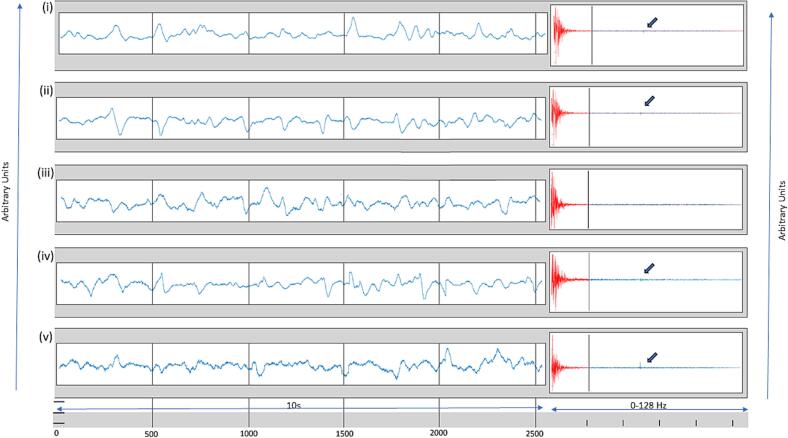 Figure 4
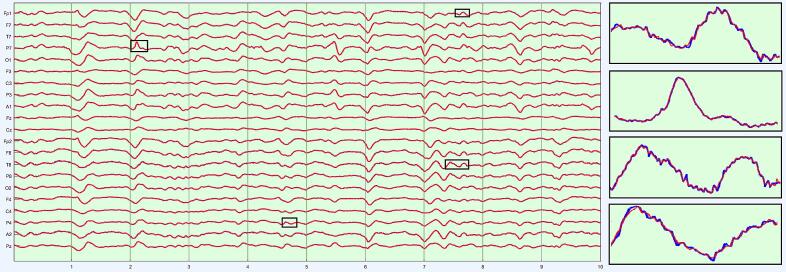 Figure 5
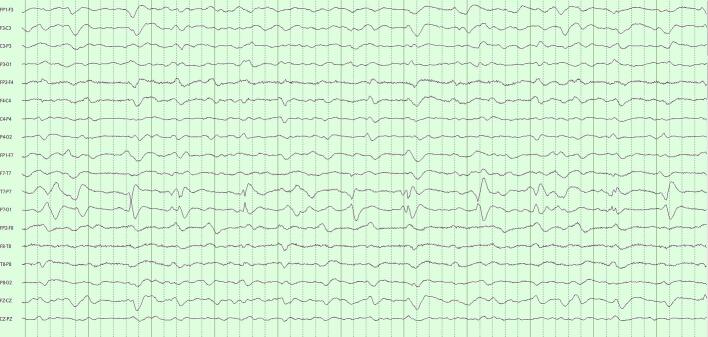 Figure 6
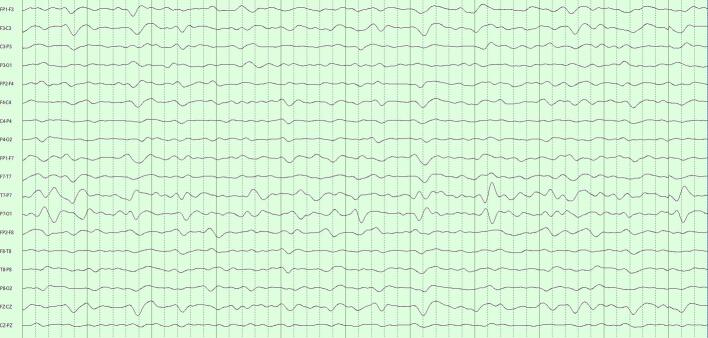 Figure 7
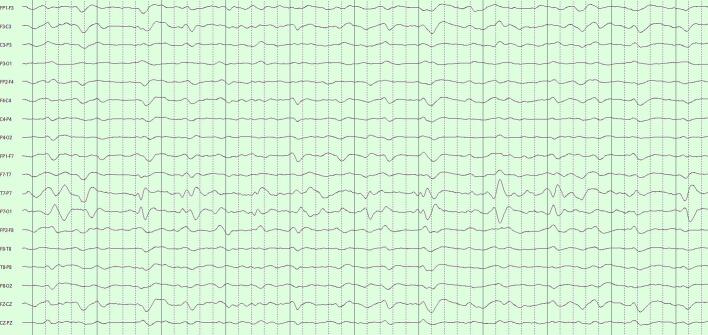 Figure 8
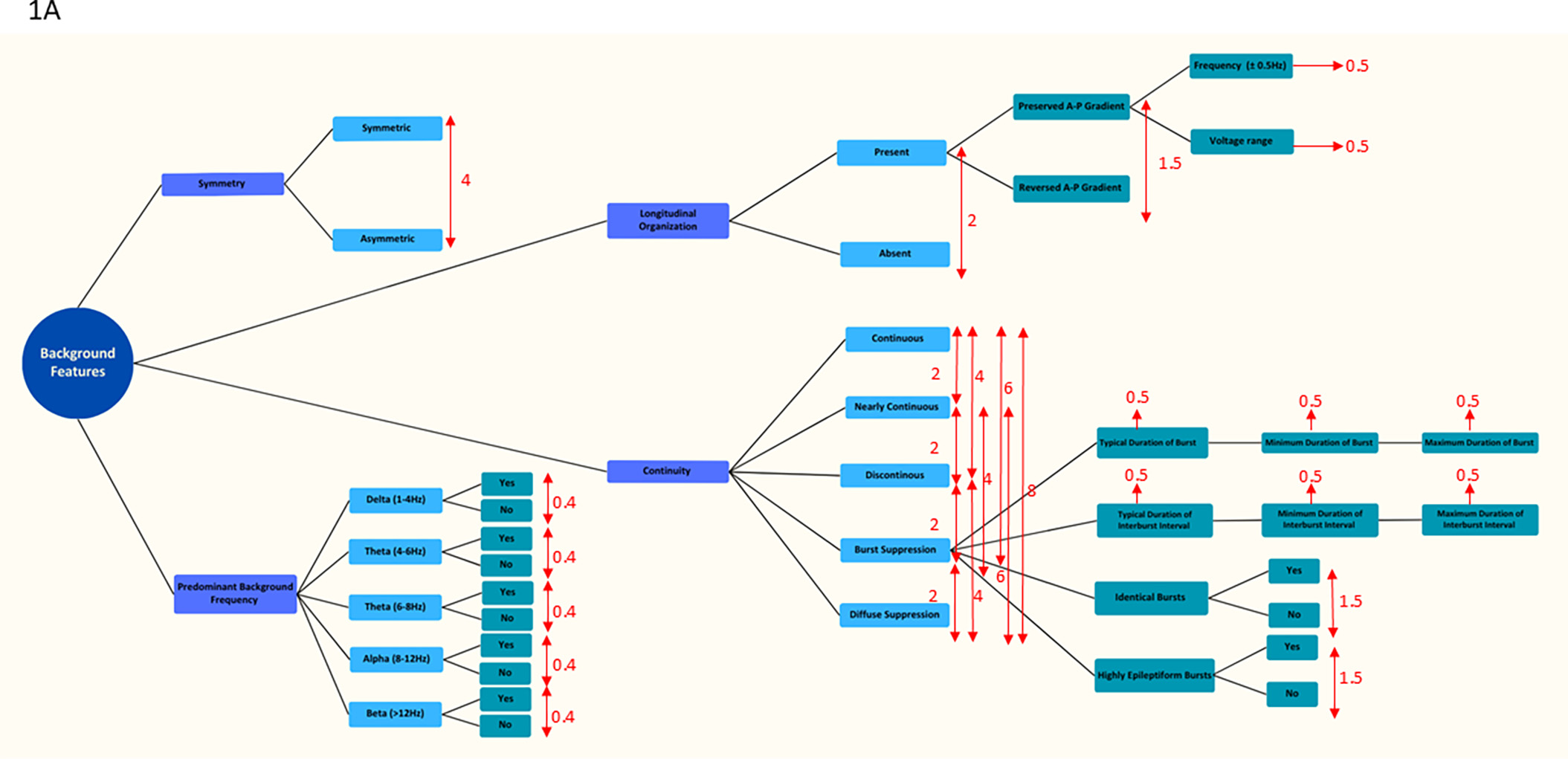 Figure 9
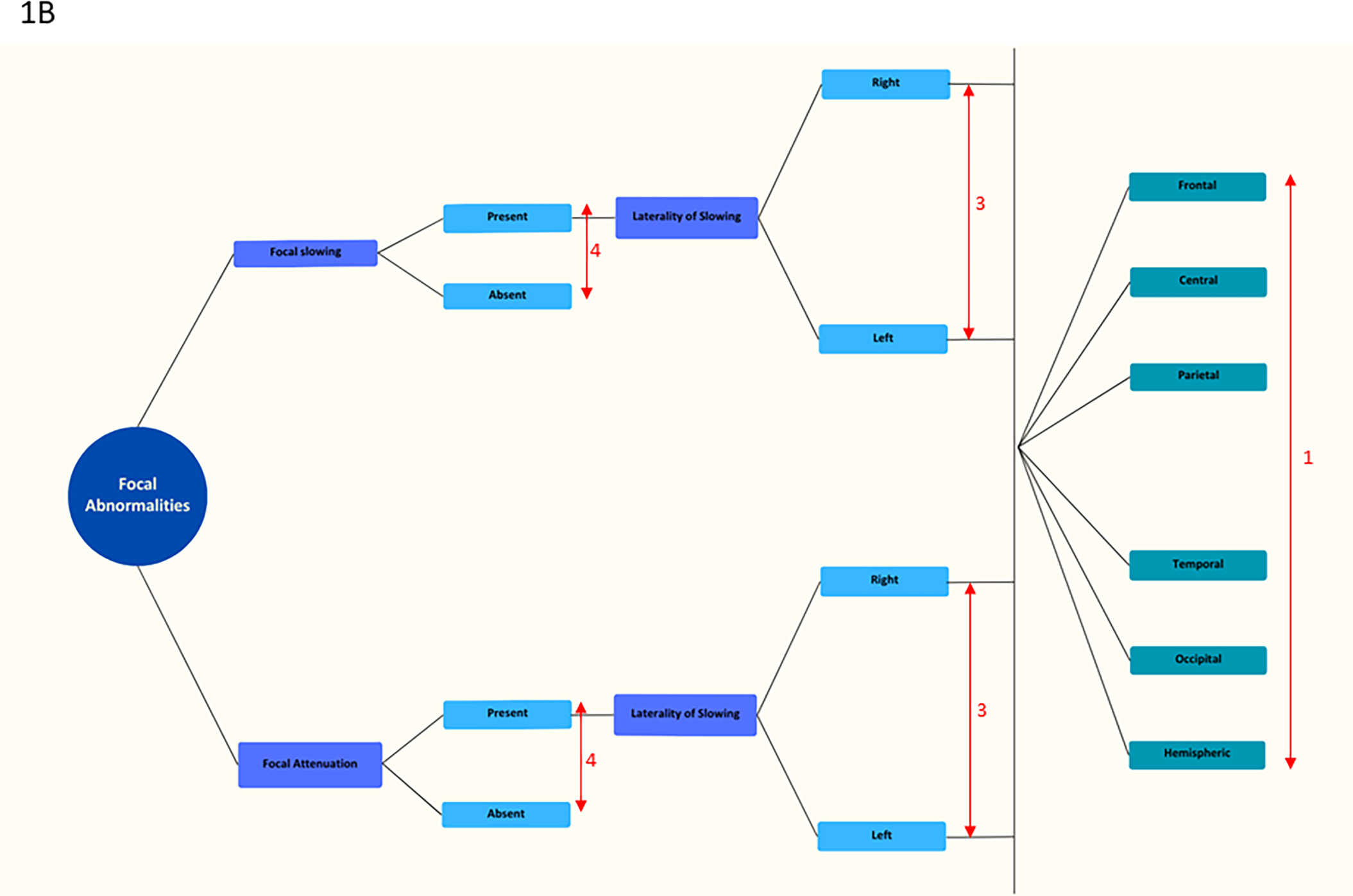 Figure 10
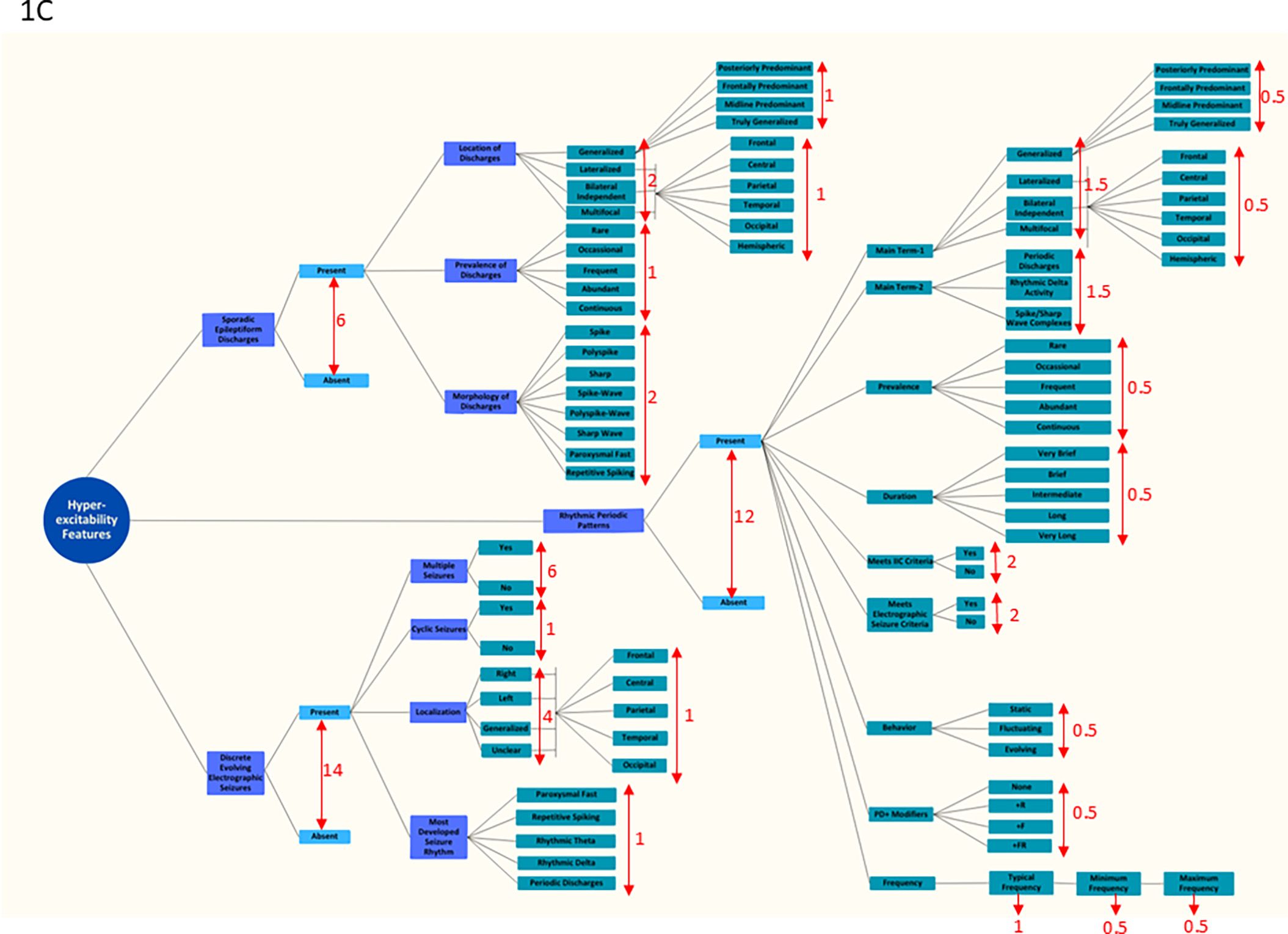 Figure 11
Peer Reviews
No public reviews on file for this paper yet. If you reviewed it on a platform where reviews are public (OpenReview, ICLR, NeurIPS, ICML), you can paste yours below so the community can read it here.
Videos
No videos yet. Explain this paper in a talk, walkthrough, or lecture? Add one.
Taxonomy
TopicsEEG and Brain-Computer Interfaces · Functional Brain Connectivity Studies · ECG Monitoring and Analysis