Microbiome drives age-dependent shifts in brain transcriptomic programs at the single-cell level in Drosophila
Dianshu Zhao, Russel T. Shiga, Zhangrong Song, Runhang Shu, Lipin Loo, Adam Chun Nin Wong

TL;DR
This study shows how gut microbes affect brain gene activity in fruit flies, especially as they age, with specific effects on glial cells and neurons.
Contribution
The first single-cell transcriptomic atlas of Drosophila brain cells reveals microbiome-driven, age-dependent gene expression changes.
Findings
Microbiome influences brain gene expression in glial cells and dopaminergic neurons, especially in older flies.
DEGs are enriched in mitochondrial activity, energy metabolism, and Notch signaling pathways.
Older flies show a shift in gut microbiome diversity linked to stronger brain transcriptional responses.
Abstract
The gut microbiome plays a critical role in brain function and the brain-gut axis, yet its cellular and molecular mechanisms remain unclear. Here, we present the first comprehensive single-cell transcriptomic atlas of brain cells from adult Drosophila melanogaster raised under axenic and microbiome-associated conditions, spanning young and old ages. Profiling 34,427 cells across 101 clusters, we annotated 56 cell types and identified cell type-specific gene signatures influenced by the microbiome. Transcriptional shifts were most pronounced in old flies, with glial cells and dopaminergic neurons among the most microbiome-responsive cell types. Differentially expressed genes (DEGs) were enriched in pathways related to mitochondrial activity, energy metabolism, and Notch signaling. We also quantified age-associated changes in the gut microbiome, observing reduced Acetobacter dominance and…
Genes, proteins, chemicals, diseases, species, mutations and cell lines named across the full text — each resolved to its canonical identifier and authoritative record.
Click any figure to enlarge with its caption.
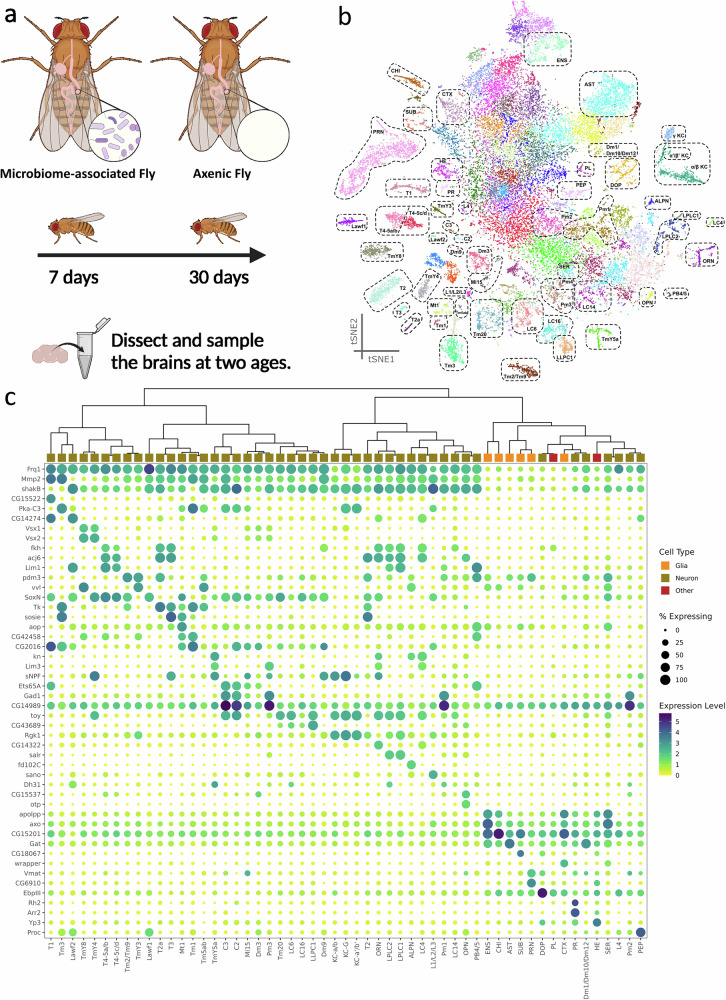 Figure 1
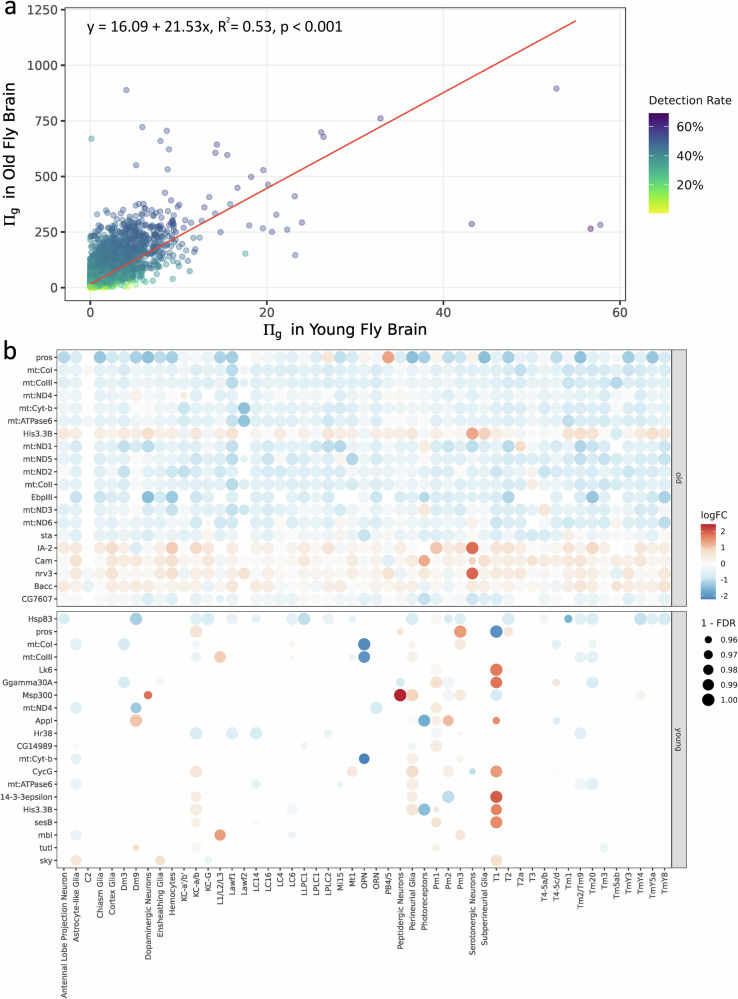 Figure 2
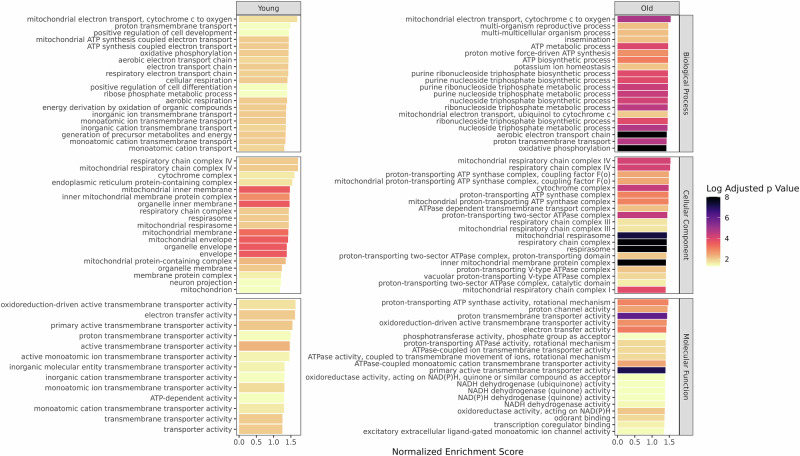 Figure 3
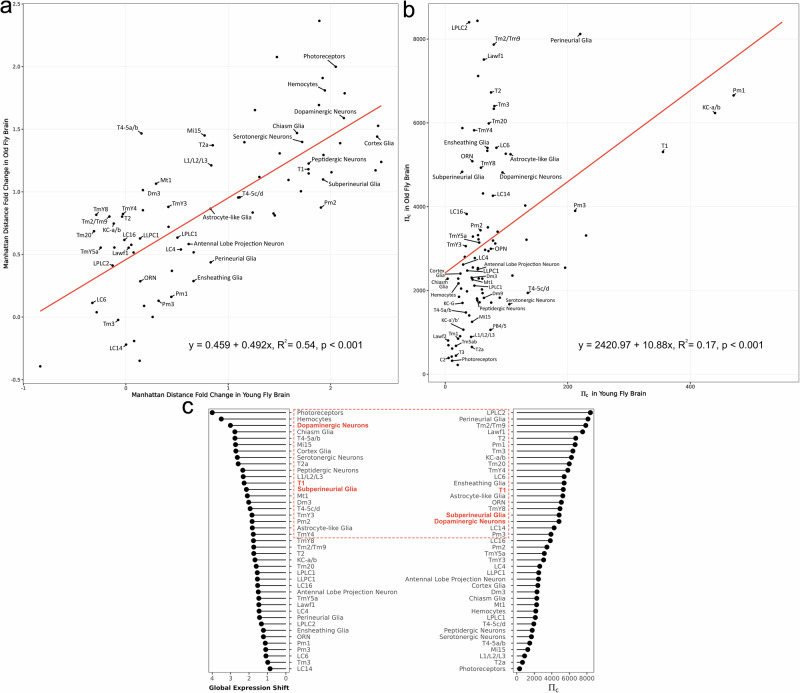 Figure 4
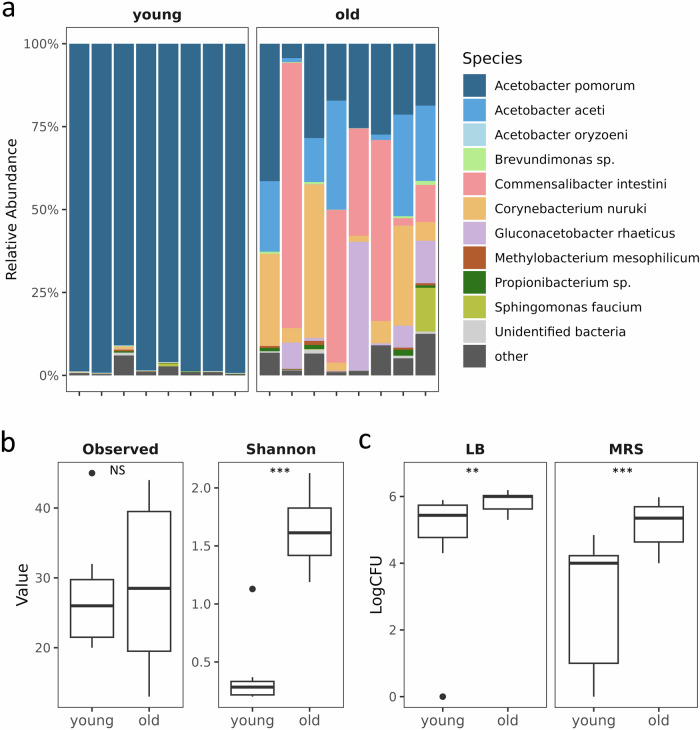 Figure 5
Peer Reviews
No public reviews on file for this paper yet. If you reviewed it on a platform where reviews are public (OpenReview, ICLR, NeurIPS, ICML), you can paste yours below so the community can read it here.
Videos
No videos yet. Explain this paper in a talk, walkthrough, or lecture? Add one.
Taxonomy
TopicsGenetics, Aging, and Longevity in Model Organisms · Invertebrate Immune Response Mechanisms · Aquaculture disease management and microbiota