An integrated, tiered microplastic workflow, supporting rapid broadscale detection options
Samantha K Lynch, Colin L Johnson, Shivanesh Rao, Jaimie Loa-Kum-Cheung, Edwina L Foulsham, Alessandra L Suzzi, Lachlan Hill, Neil Doszpot, Rajitha Athukorala, Uthpala Pinto, Keegan Vickers, Maddison Carbery, Marina F.M. Santana

TL;DR
This paper introduces a new workflow for efficiently detecting microplastics in estuarine waters, enabling large-scale monitoring with cost-effective methods.
Contribution
The study presents a tiered microplastic workflow that streamlines processing and enables scalable, accurate microplastic detection.
Findings
The workflow processes 24 samples in five days using automated fluorescent particle counts and Python scripts.
The Rapid Count Method achieves a 20% error margin and aligns well with FTIR results (R² = 0.83).
Flexible resolution allows switching between analytical methods while maintaining data comparability.
Abstract
With growing concerns regarding microplastic pollution, there is an urgent need to improve understanding of their presence, distribution, and environmental impacts. This necessitates more coordinated and harmonised large-scale microplastic monitoring initiatives. However, such assessments are traditionally expensive, labour-intensive, and hindered by a lack of standardised sampling and analytical protocols, which impede rapid, yet accurate identification of microplastic sources and ecological risks. To improve environmental microplastic contamination estimates, this study proposes a rapid, cost-effective, and bulk-processing approach within a criteria-driven Tiered Microplastics Workflow (TMW). This approach enables the efficient quantification of microplastic contamination in estuarine surface waters, offering adaptable levels of analytical resolution, that is scalable for…
Genes, proteins, chemicals, diseases, species, mutations and cell lines named across the full text — each resolved to its canonical identifier and authoritative record.
Click any figure to enlarge with its caption.
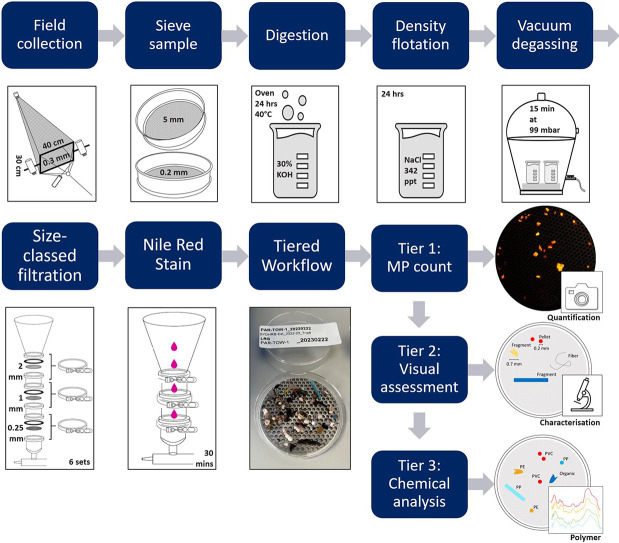 Figure 1
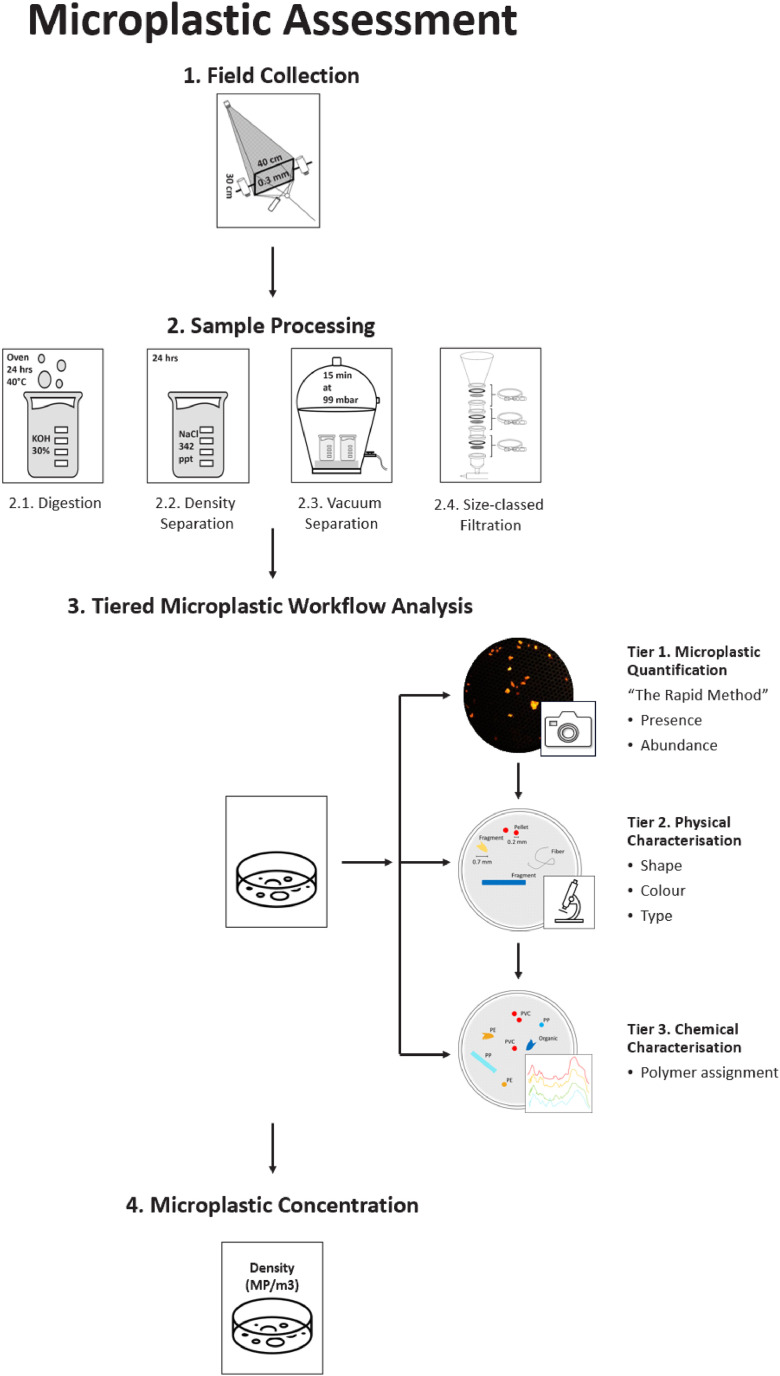 Figure 2
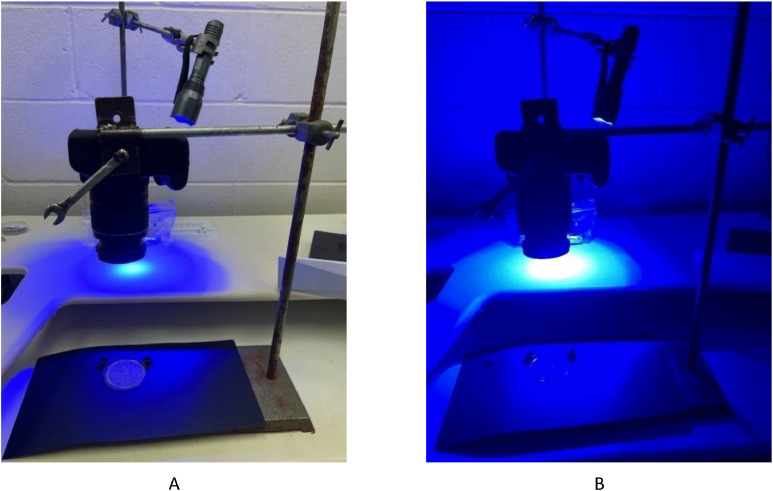 Figure 3
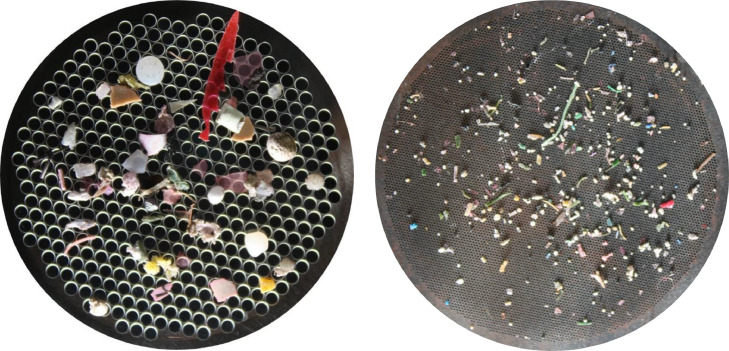 Figure 4
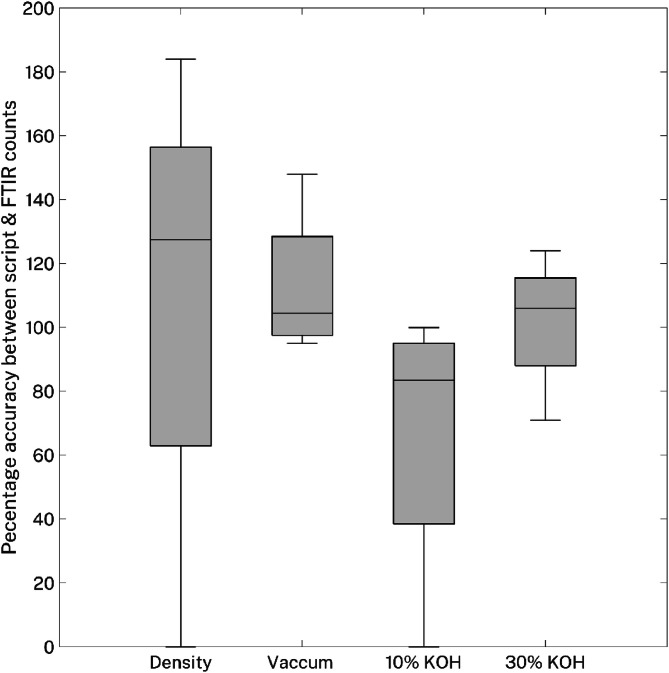 Figure 5
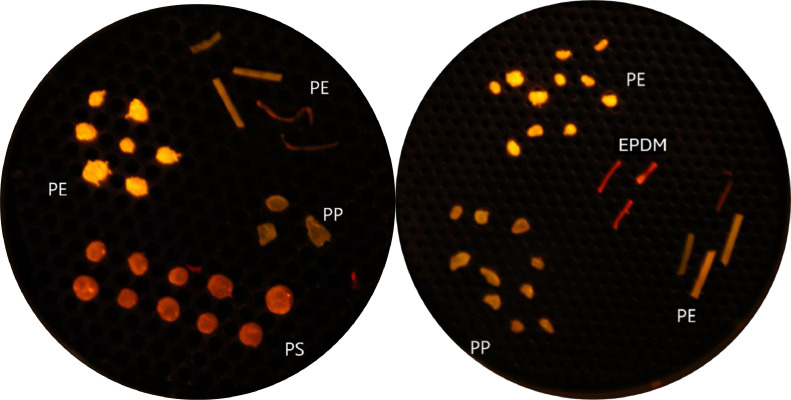 Figure 6
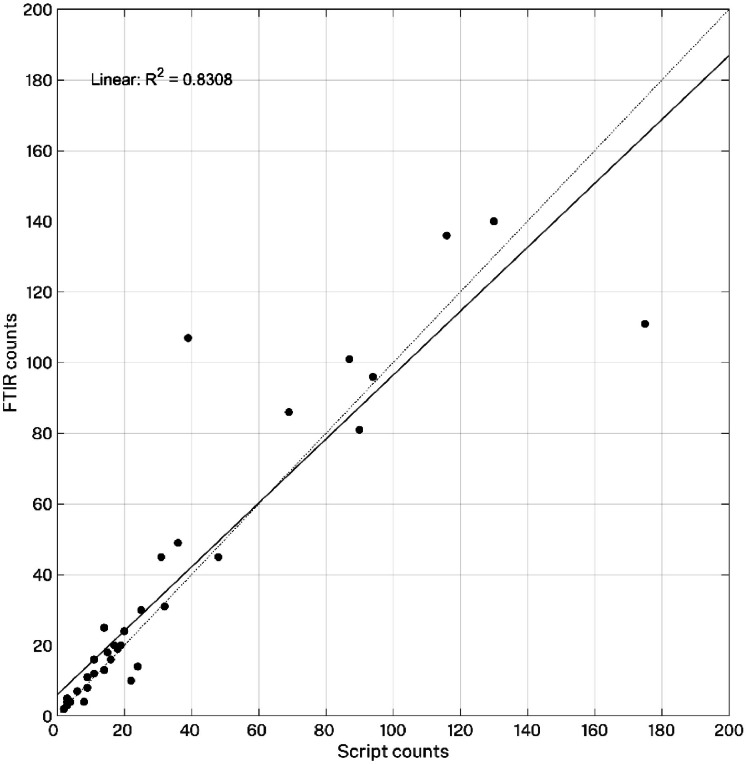 Figure 7
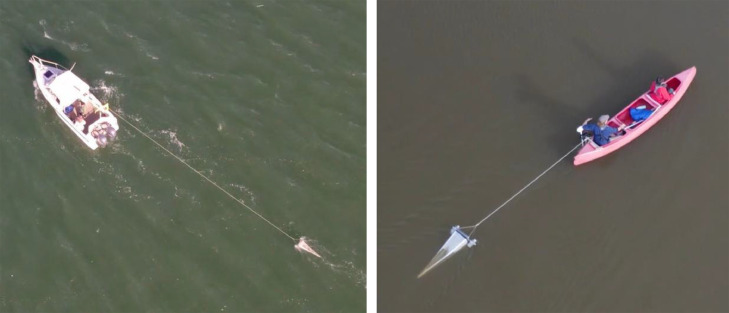 Figure 8
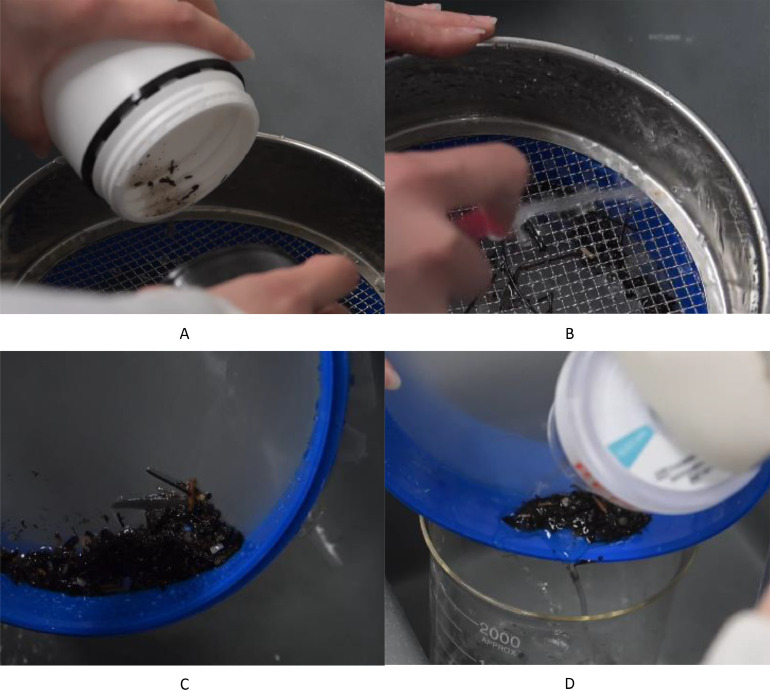 Figure 9
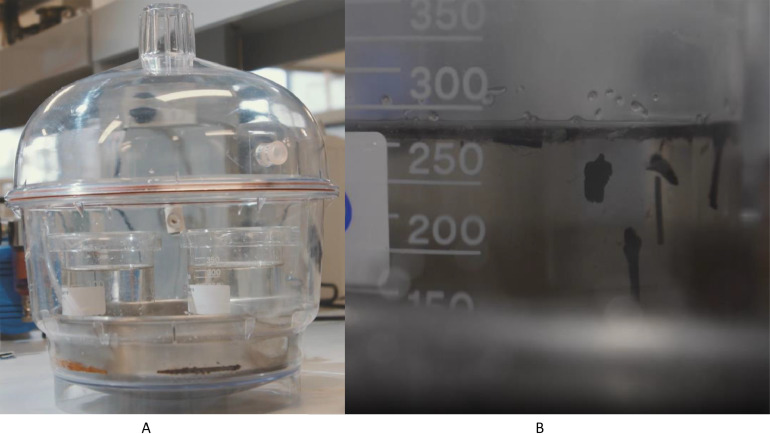 Figure 10
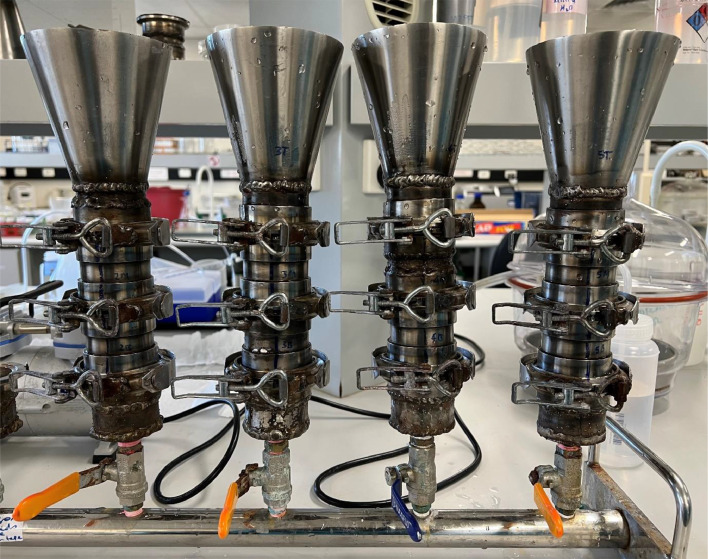 Figure 11
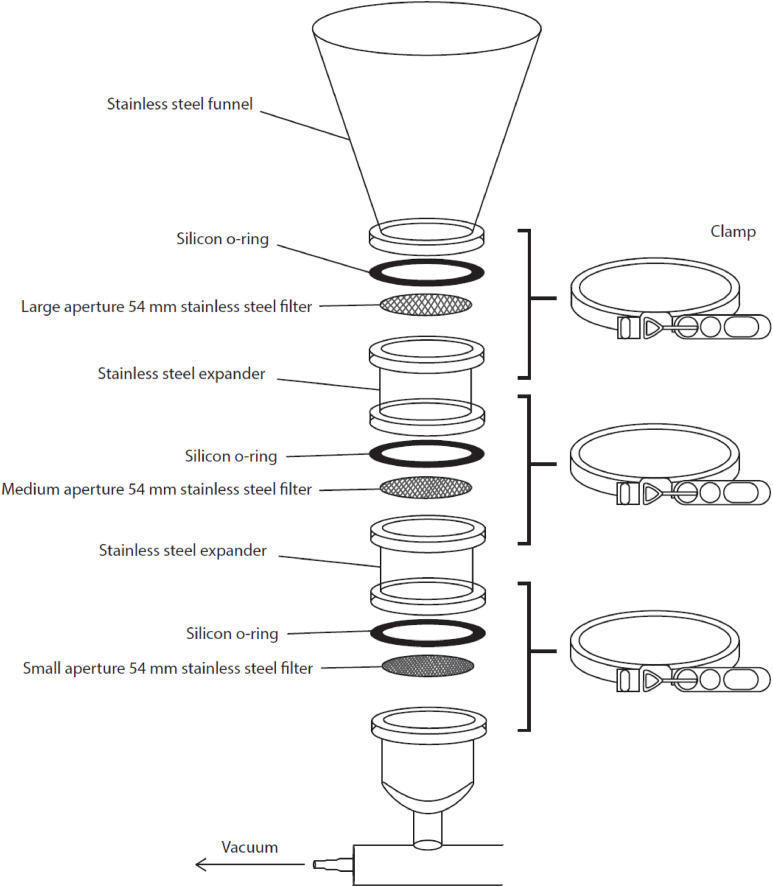 Figure 12
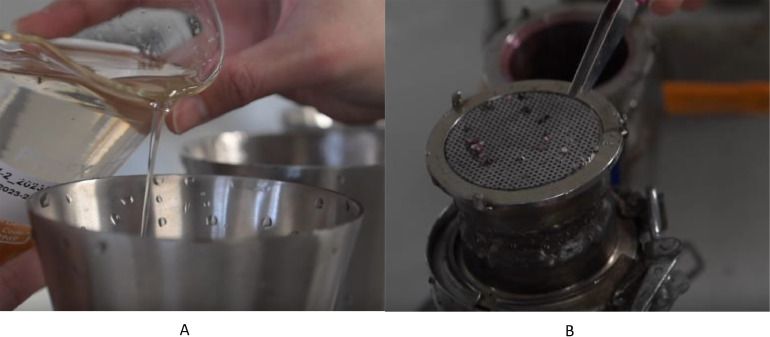 Figure 13
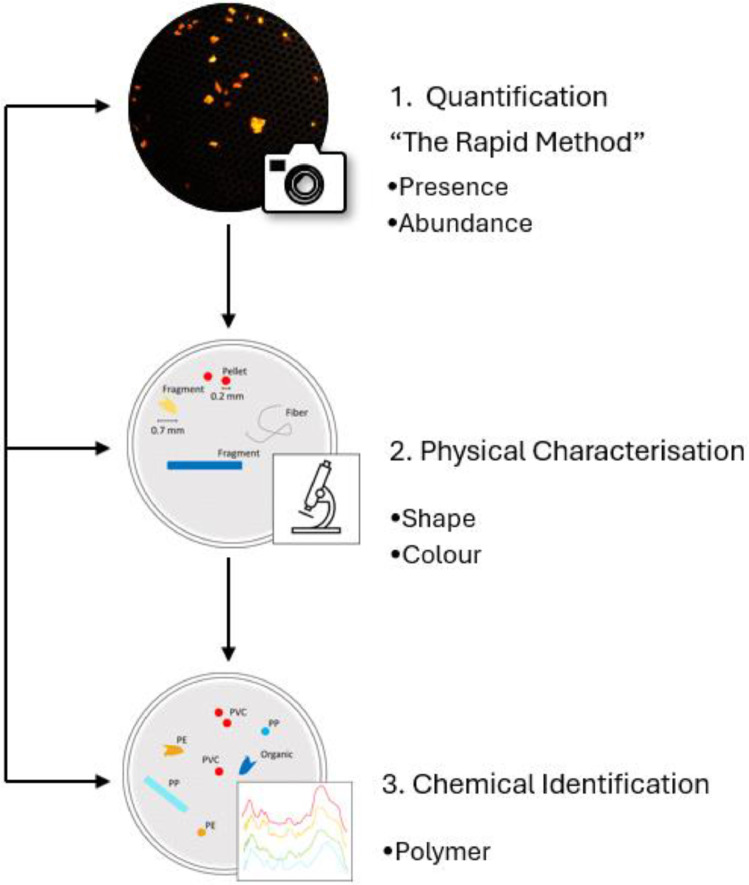 Figure 14
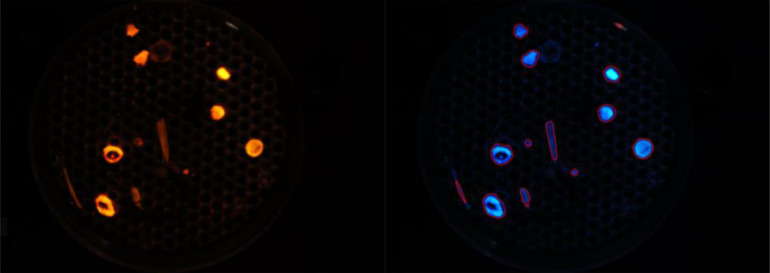 Figure 15
Peer Reviews
No public reviews on file for this paper yet. If you reviewed it on a platform where reviews are public (OpenReview, ICLR, NeurIPS, ICML), you can paste yours below so the community can read it here.
Videos
No videos yet. Explain this paper in a talk, walkthrough, or lecture? Add one.
Taxonomy
TopicsMicroplastics and Plastic Pollution · Recycling and Waste Management Techniques · Additive Manufacturing and 3D Printing Technologies