Functional and structural insights into a thermostable (S)-selective amine transaminase and its improved substrate scope by protein engineering
Stefania Patti, Simone A. De Rose, Michail N. Isupov, Ilaria Magrini Alunno, Sergio Riva, Erica Elisa Ferrandi, Jennifer A. Littlechild, Daniela Monti

TL;DR
Scientists improved a heat-resistant enzyme to work with a wider range of substances, making it more useful for industrial applications.
Contribution
A thermostable amine transaminase was engineered to accept bulky aromatic substrates through site-directed mutagenesis.
Findings
Sbv333-ATA is stable at high temperatures and in various organic solvents.
The mutant W89A can process bulky diaromatic amines previously rejected by the native enzyme.
High-resolution structures of the enzyme and its mutants revealed active site details.
Abstract
A (S)-selective amine transaminase from a Streptomyces strain, Sbv333-ATA, is a biocatalyst showing both high thermostability with a melting temperature of 85 °C and broad substrate specificity for the amino acceptor. This enzyme was further characterized both biochemically and structurally. The Sbv333-ATA is stable in the presence of up to 20% (v/v) of the water-miscible cosolvents methanol, ethanol, acetonitrile, and dimethyl sulfoxide, and in biphasic systems with petroleum ether, toluene, and ethyl acetate as an organic phase. The enzyme showed also a good activity toward different amino donors, such as (S)-methylbenzylamine and 2-phenylethylamine, aliphatic mono- and di-amines, like propylamine and cadaverine, and selected amino acids. However, more sterically hindered aromatic amines were not accepted. Based on the knowledge of the three-dimensional structures obtained, a rational…
Genes, proteins, chemicals, diseases, species, mutations and cell lines named across the full text — each resolved to its canonical identifier and authoritative record.
Click any figure to enlarge with its caption.
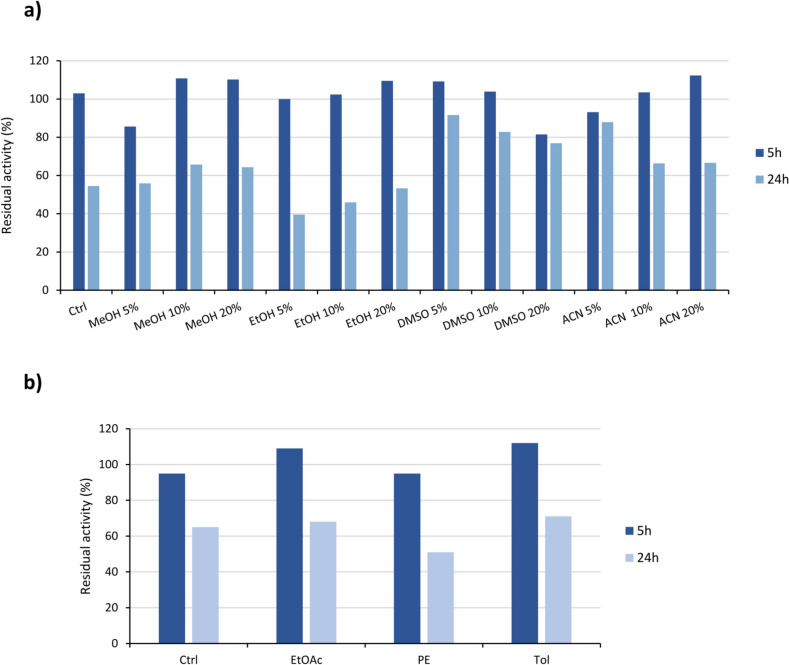 Figure 1
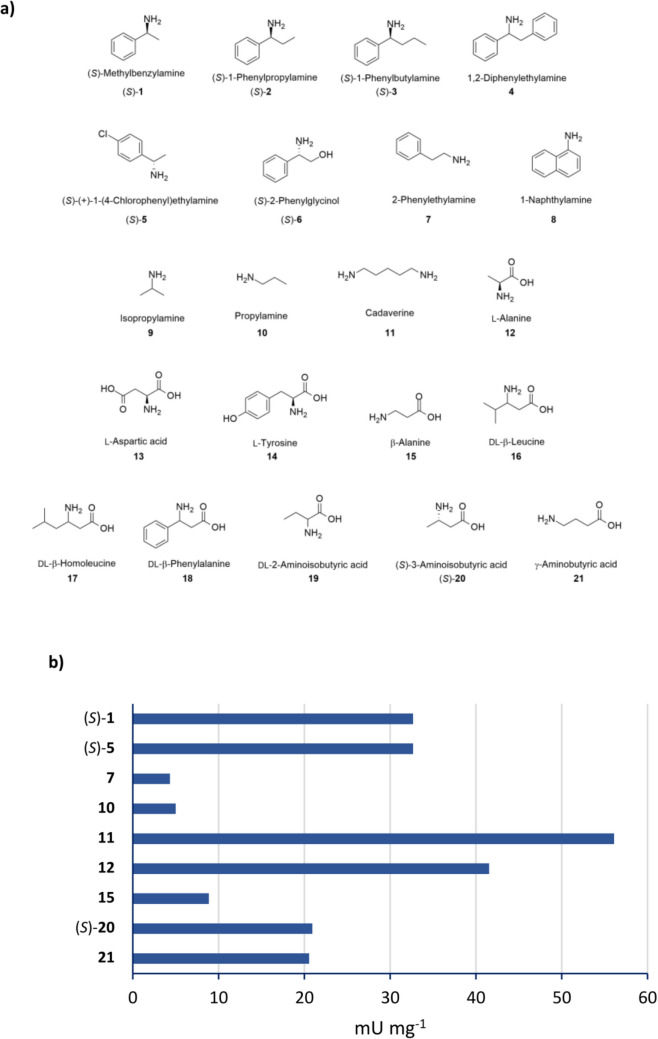 Figure 2
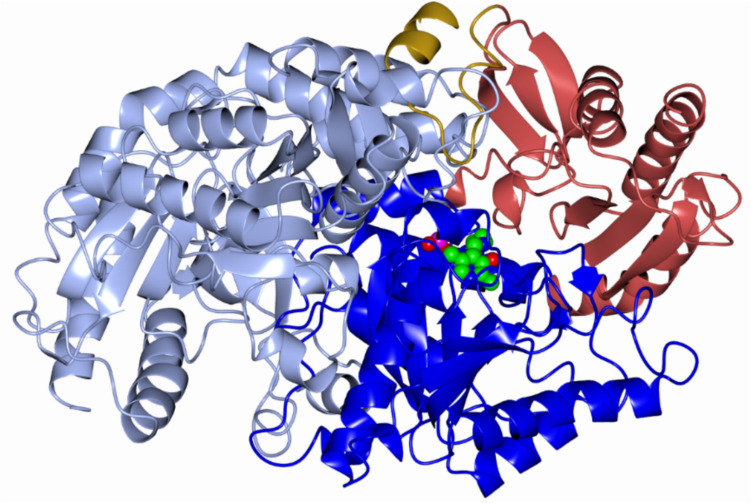 Figure 3
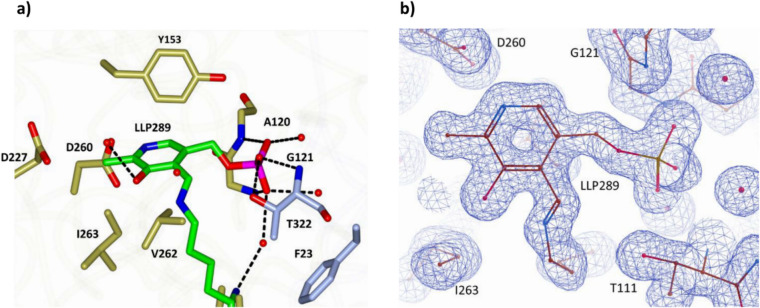 Figure 4
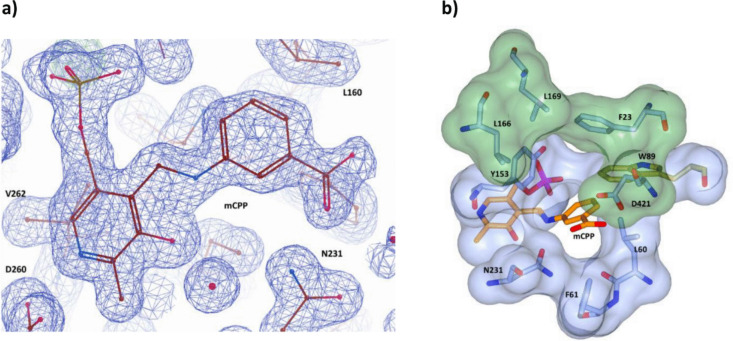 Figure 5
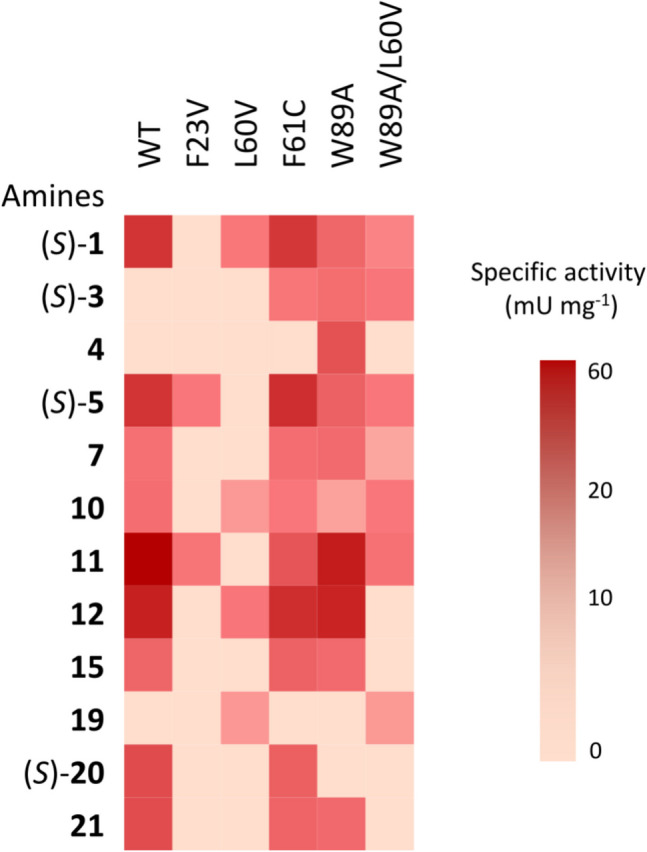 Figure 6
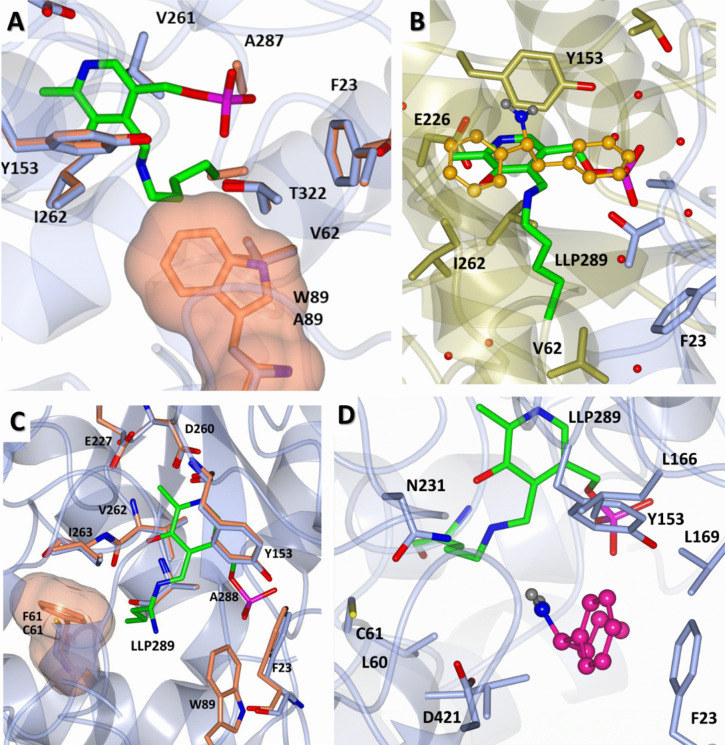 Figure 7
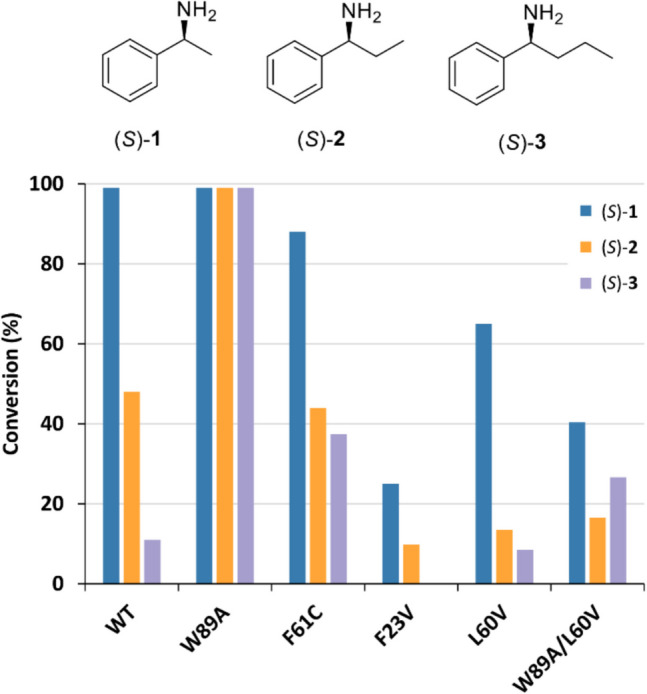 Figure 8
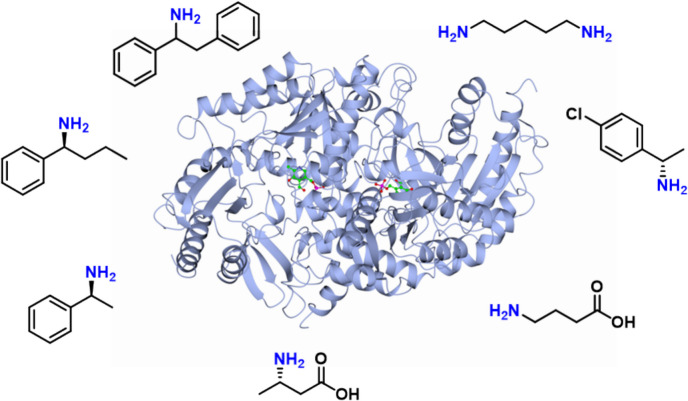 Figure 9
Peer Reviews
No public reviews on file for this paper yet. If you reviewed it on a platform where reviews are public (OpenReview, ICLR, NeurIPS, ICML), you can paste yours below so the community can read it here.
Videos
No videos yet. Explain this paper in a talk, walkthrough, or lecture? Add one.
Taxonomy
TopicsEnzyme Structure and Function · Amino Acid Enzymes and Metabolism · Cancer Research and Treatments