Disentangling individual differences in cognitive response mechanisms for rating scale items: A flexible-mixture multidimensional IRTree approach
Ömer Emre Can Alagöz, Thorsten Meiser, Lale Khorramdel

TL;DR
This paper introduces a new model to better understand how people respond to rating scales by accounting for different thinking strategies.
Contribution
The novel contribution is a mixture IRTree model (MixTree) that allows for heterogeneous response strategies among individuals.
Findings
MixTree identifies latent classes of respondents with distinct response mechanisms.
Simulation studies confirm the model's ability to recover classes and parameters accurately.
Empirical analysis reveals two classes: one driven by traits and another by response styles.
Abstract
The accuracy of our inferences from rating-scale items can be improved with IRTree models, which consider heuristic response strategies like response styles (RS). IRTree models break down ordinal responses into pseudo-items (nodes), each representing a distinct decision-making process. These nodes are then modeled using an item response model. In the case of four-point items, a response is split into two nodes: 1) response direction, where the trait influences the overall agreement with items, and 2) response extremity, where both the trait and extreme RS (ERS) impact the choice of relative (dis)agreement categories. However, traditional models, despite addressing RS effects, assume that all respondents follow an identical response strategy, where the selection of relative (dis)agreement categories is influenced by the trait and ERS to the same degree for all respondents. Given that…
Genes, proteins, chemicals, diseases, species, mutations and cell lines named across the full text — each resolved to its canonical identifier and authoritative record.
Click any figure to enlarge with its caption.
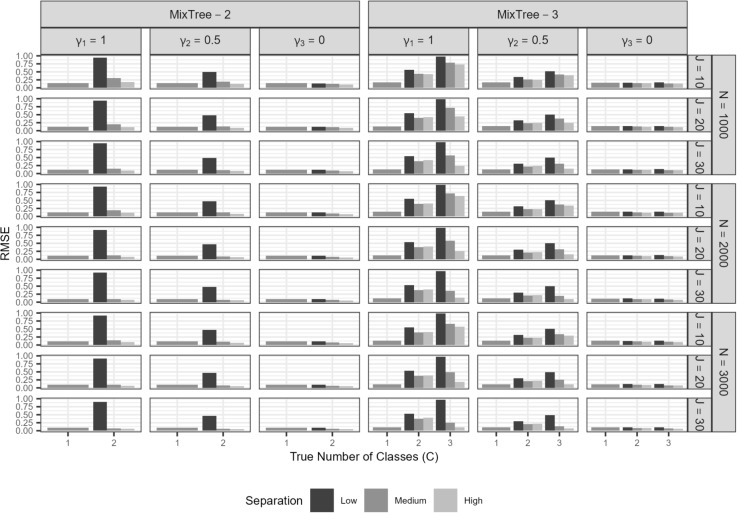 Figure 10
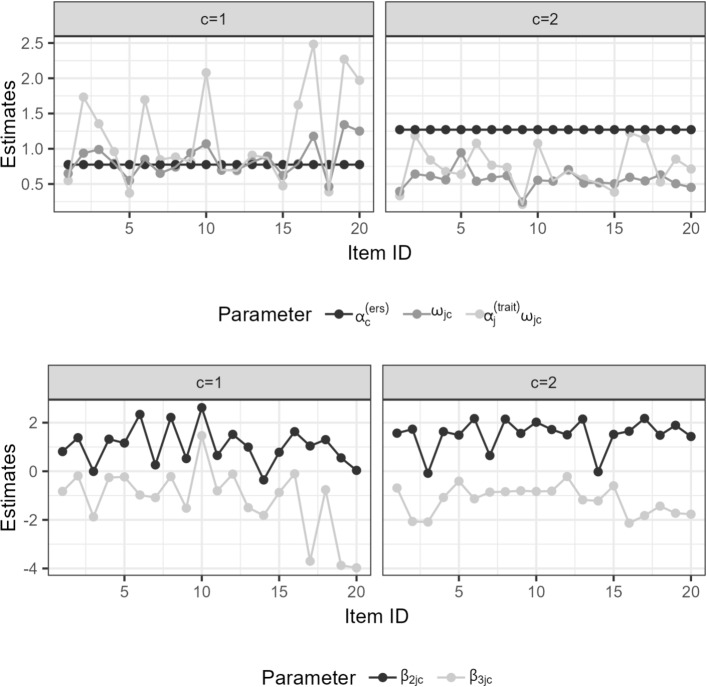 Figure 11
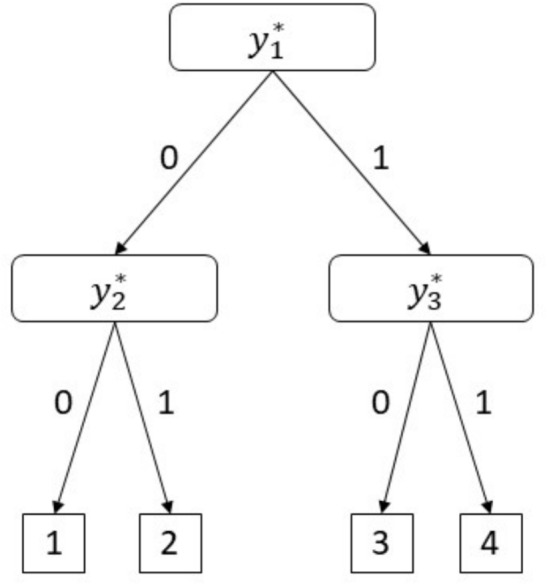 Figure 1
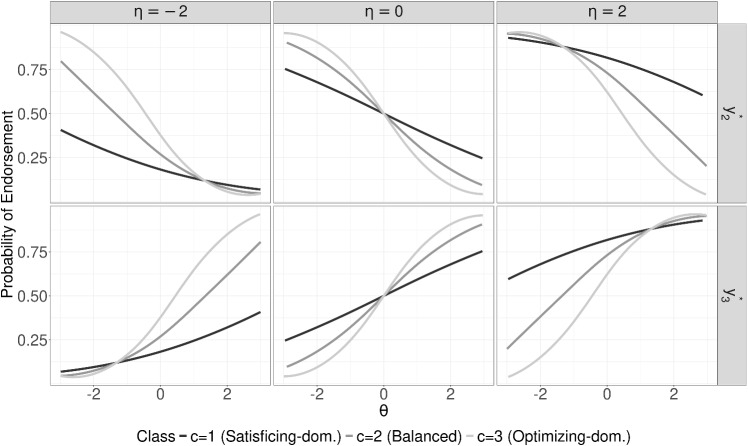 Figure 2
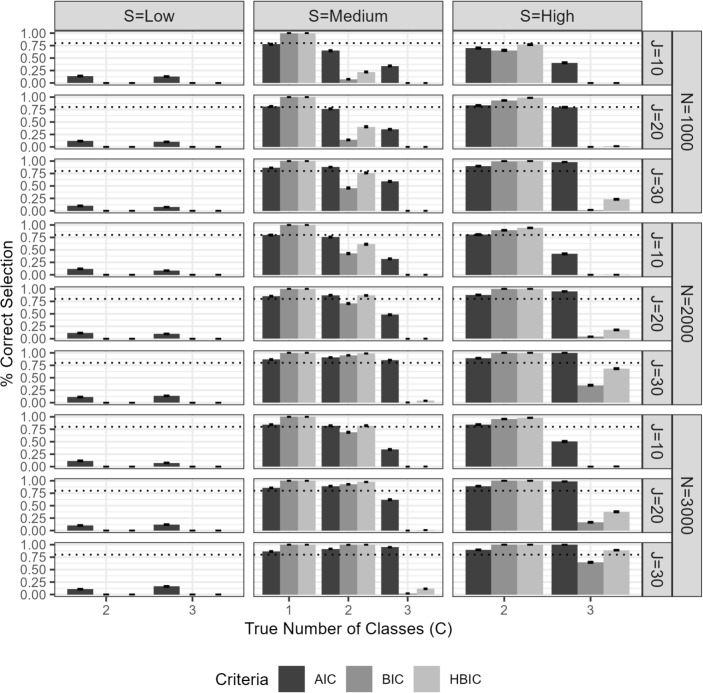 Figure 3
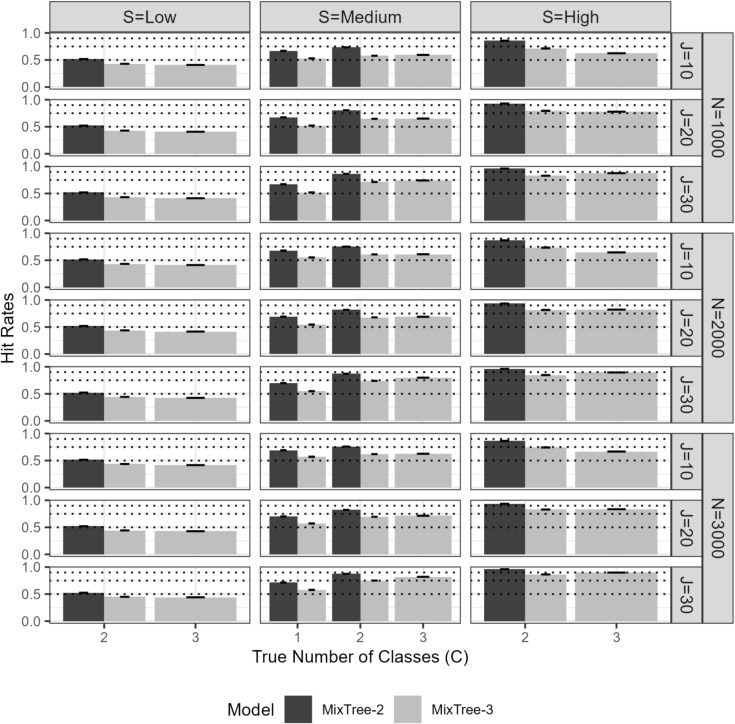 Figure 4
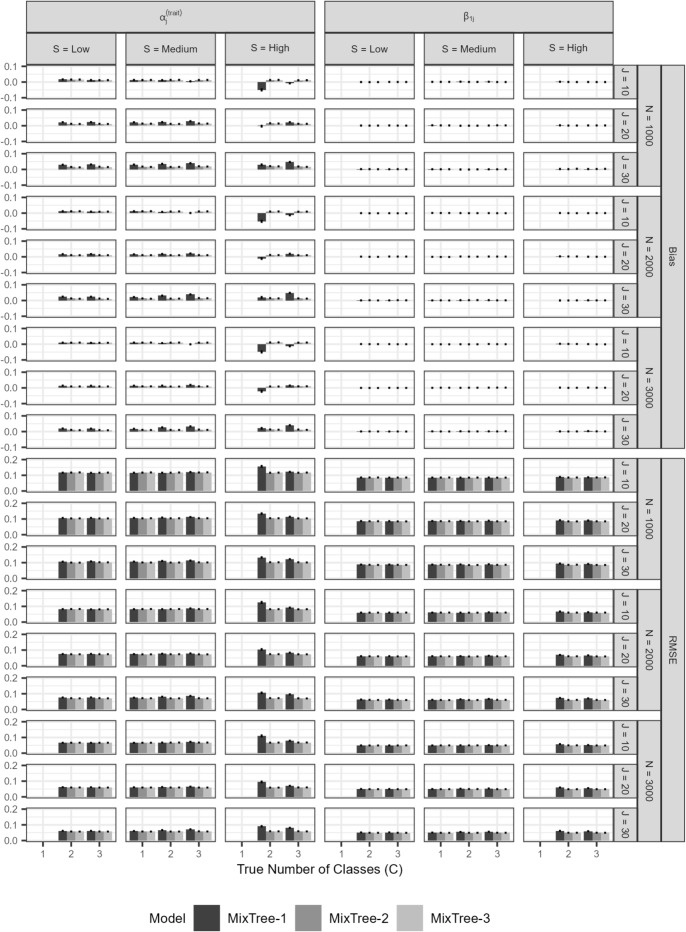 Figure 5
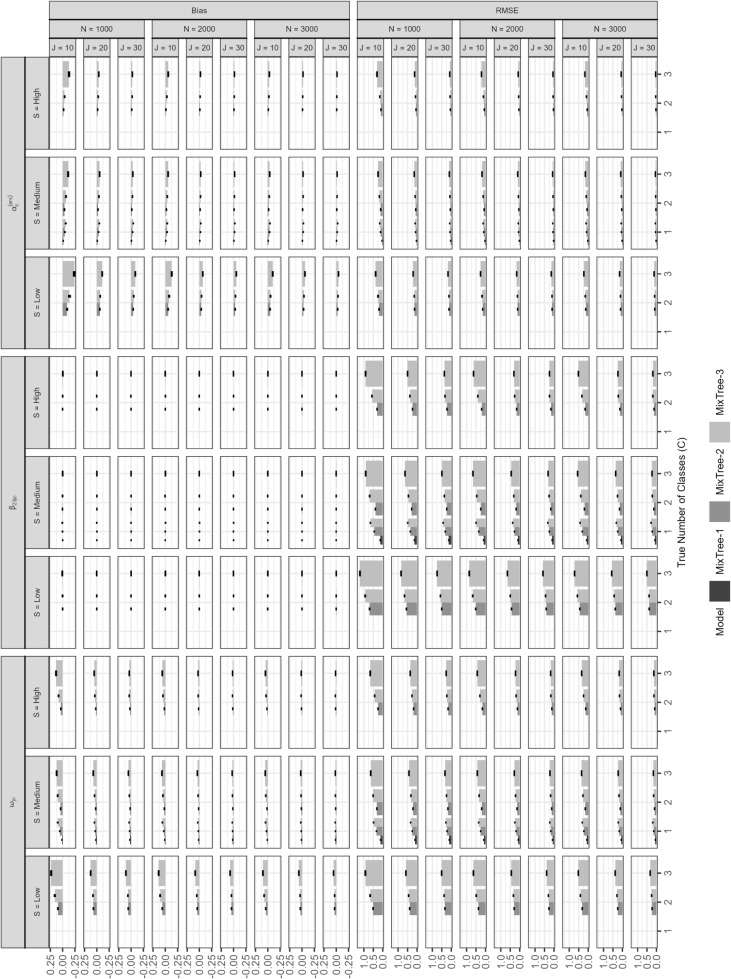 Figure 6
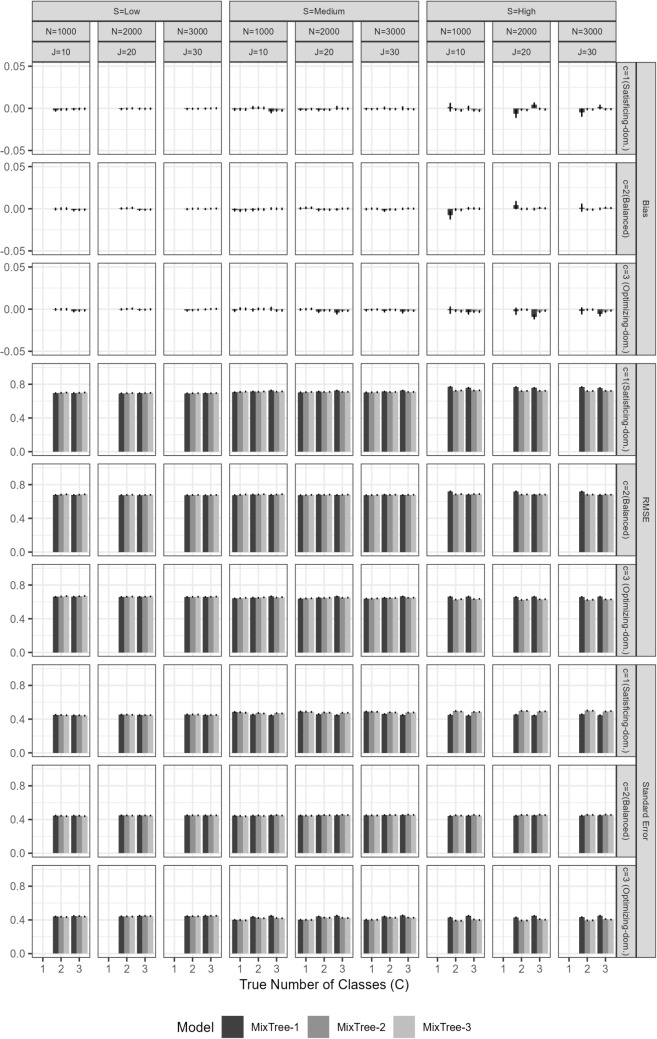 Figure 7
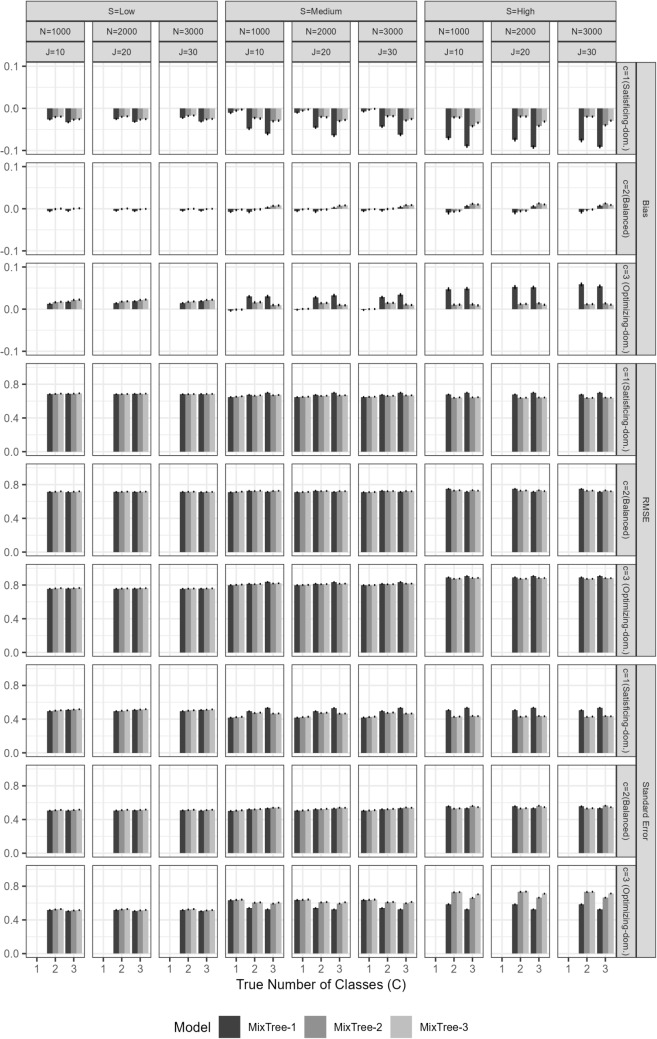 Figure 8
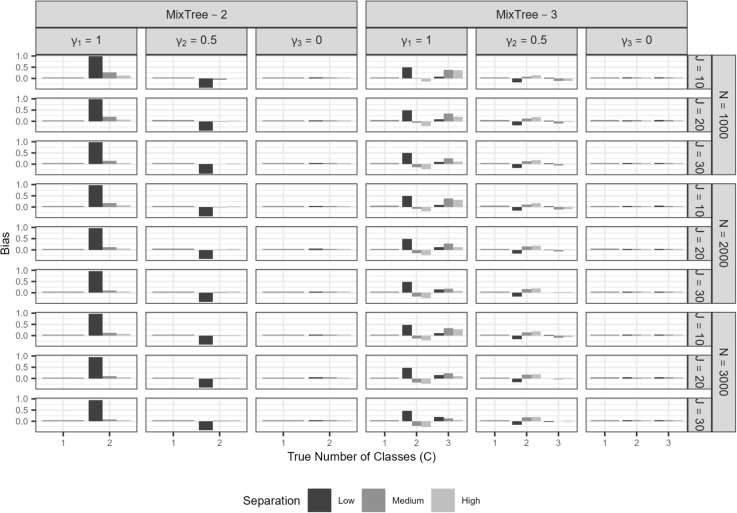 Figure 9
Peer Reviews
No public reviews on file for this paper yet. If you reviewed it on a platform where reviews are public (OpenReview, ICLR, NeurIPS, ICML), you can paste yours below so the community can read it here.
Videos
No videos yet. Explain this paper in a talk, walkthrough, or lecture? Add one.
Taxonomy
TopicsPsychometric Methodologies and Testing · Reliability and Agreement in Measurement · Meta-analysis and systematic reviews