Mycobacterium tuberculosis curli pili facilitates pathogenicity by modulating central carbon metabolism
Tarien J. Naidoo, Shinese Ashokcoomar, Barry Truebody, Jared S. Mackenzie, Adrie J. C. Steyn, Manormoney Pillay

TL;DR
This study shows that Mycobacterium tuberculosis curli pili (MTP) influences bacterial metabolism and energy production, making it a promising target for TB diagnostics and treatments.
Contribution
The study reveals MTP's role in regulating Mtb's central carbon metabolism and bioenergetics, a novel insight into TB pathogenicity.
Findings
MTP increases bacterial respiration and reduces glycolytic carbon catabolism when ATP synthase is inhibited.
Mtb Δmtp mutants rely more on oxidative phosphorylation for energy compared to wildtype strains.
Deletion of MTP disrupts central carbon metabolism pathways like glycolysis and the TCA cycle.
Abstract
Strategies specifically targeting the initial host–pathogen interactions, hold great promise in the identification of accurate biomarkers for tuberculosis (TB) prevention interventions. Mycobacterium tuberculosis (Mtb) curli pili (MTP) (encoded by mtp/Rv3312A), a surface adhesin utilised by the pathogen to interact with host receptor cells, has been reported as a suitable target for TB diagnostic and therapeutic strategies. Previous “omics” studies highlighted the role MTP potentially plays in Mtb central carbon metabolism (CCM). However, its precise contribution to metabolism remains unknown. This study aimed to examine the role of MTP in the bioenergetic metabolism of Mtb, using bedaquiline (BDQ) to inhibit ATP production through oxidative phosphorylation (OXPHOS), extracellular flux analysis, Mtb wildtype (WT), ∆mtp deletion mutant, and mtp-complemented strains. The role of MTP in…
Genes, proteins, chemicals, diseases, species, mutations and cell lines named across the full text — each resolved to its canonical identifier and authoritative record.
Click any figure to enlarge with its caption.
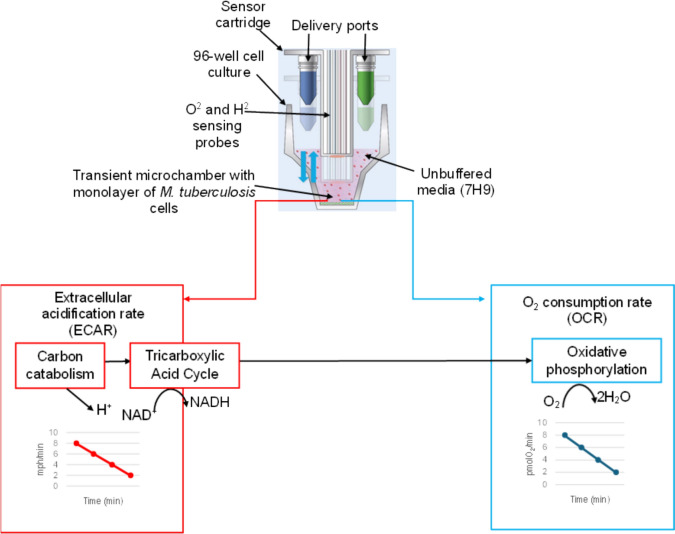 Figure 1
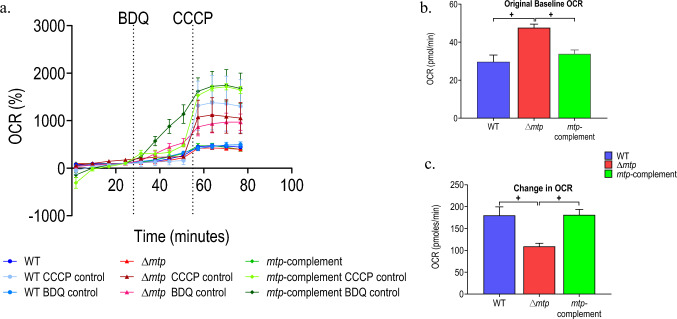 Figure 2
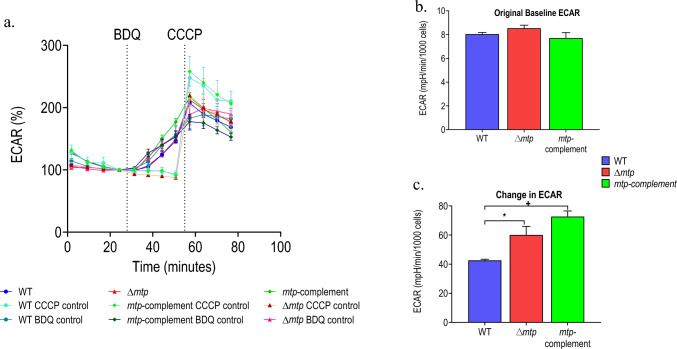 Figure 3
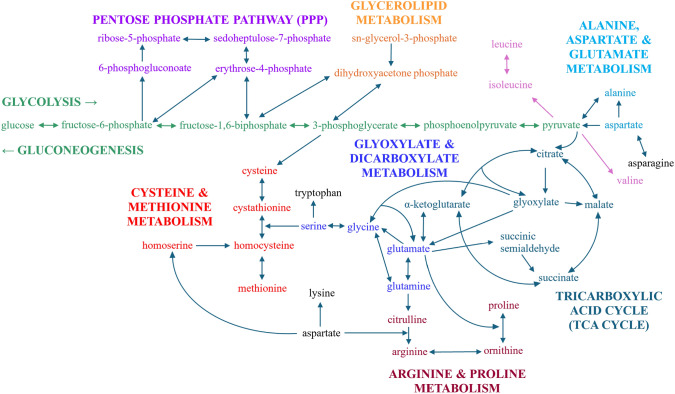 Figure 4
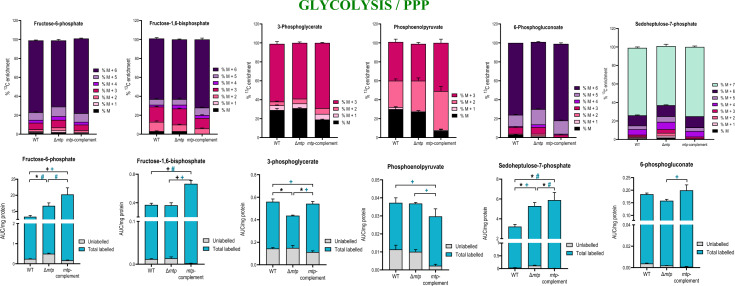 Figure 5
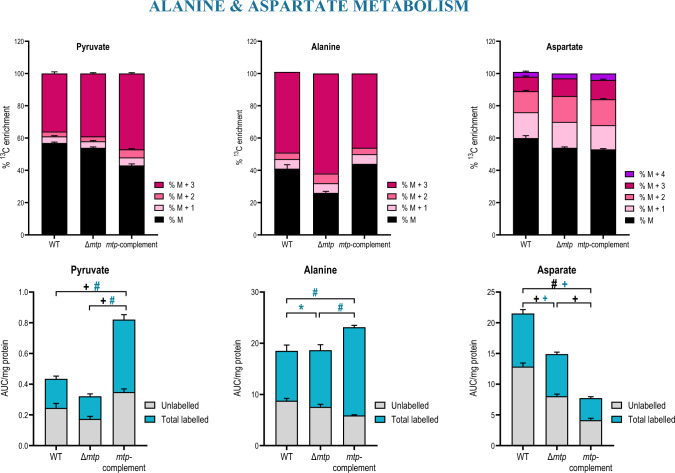 Figure 6
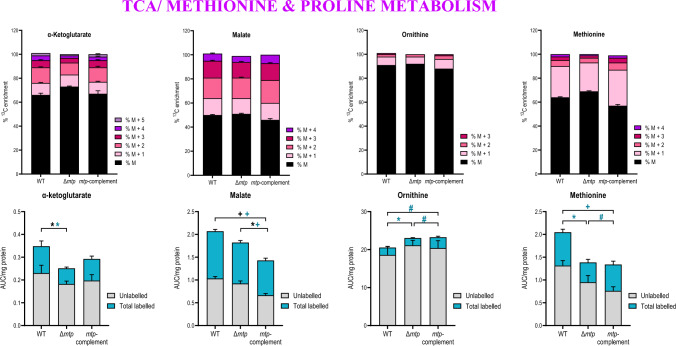 Figure 7
Peer Reviews
No public reviews on file for this paper yet. If you reviewed it on a platform where reviews are public (OpenReview, ICLR, NeurIPS, ICML), you can paste yours below so the community can read it here.
Videos
No videos yet. Explain this paper in a talk, walkthrough, or lecture? Add one.
Taxonomy
TopicsTuberculosis Research and Epidemiology · Biochemical and Molecular Research · Mycobacterium research and diagnosis