The effects of different exercise loads in plyometric resistance training on respiratory and hormonal levels in female volleyball players
Korhan Kavuran, Ercan Tizar, Diclehan Oral, Ramazan Erdoğan, Baha Engin Çelikel, Tülay Ceylan, Süreyya Yonca Sezer, Baykal Karataş

TL;DR
This study examines how different exercise intensities in plyometric resistance training affect respiratory and hormonal levels in female volleyball players.
Contribution
The study compares low- and high-intensity plyometric resistance training effects on biochemical and respiratory parameters in athletes.
Findings
High-intensity training increased LH, GH, IGF-1, and iron-binding capacity, while low-intensity training decreased these.
High-intensity training reduced FVC and FEV1 but increased FEF, while low-intensity training increased all respiratory parameters.
The study found significant differences in biochemical and respiratory responses between the two training intensities.
Abstract
The present study set out to ascertain the effects of combined exercises, consisting of resistance training and plyometric exercises at varying degrees of intensity, on biochemical and respiratory parameters in female volleyball players. The research group consisted of 20 professional female volleyball players who participated in national and international volleyball competitions. Participants were randomly divided into two groups: a control group (n = 10) that performed low-intensity exercises at 30%–50% intensity, and an experimental group (n = 10) that followed a high-intensity exercise programme at 60%–80% intensity. Blood samples and spirometric respiratory function values were collected before and after the 8-week exercise program. The biochemical analyses included the assessment of luteinizing hormone (LH), growth hormone (GH), insulin-like growth factor-1 (IGF-1), and total…
Genes, proteins, chemicals, diseases, species, mutations and cell lines named across the full text — each resolved to its canonical identifier and authoritative record.
Click any figure to enlarge with its caption.
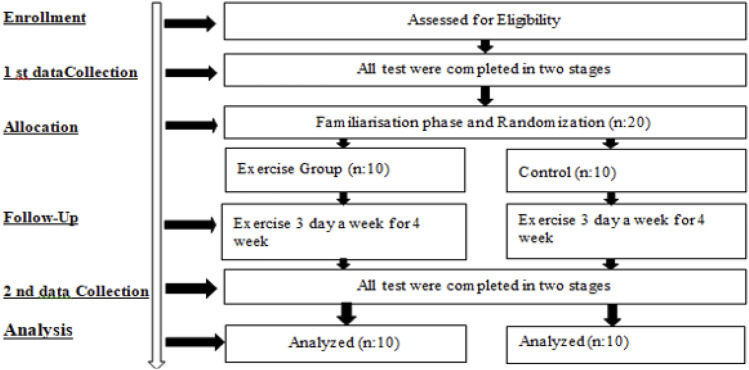 Figure 1
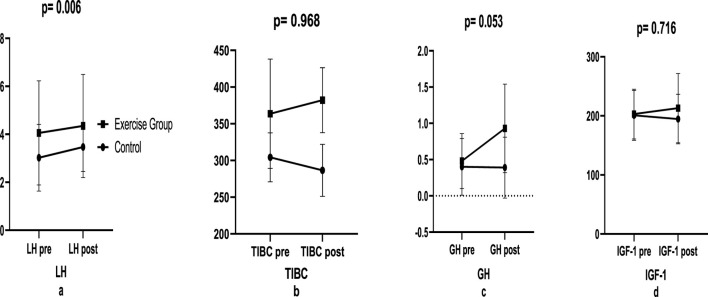 Figure 2
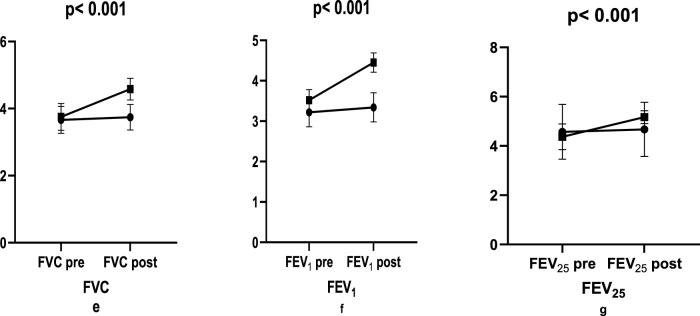 Figure 3
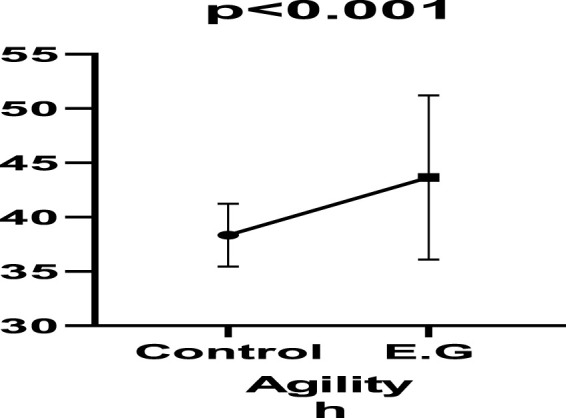 Figure 4
Peer Reviews
No public reviews on file for this paper yet. If you reviewed it on a platform where reviews are public (OpenReview, ICLR, NeurIPS, ICML), you can paste yours below so the community can read it here.
Videos
No videos yet. Explain this paper in a talk, walkthrough, or lecture? Add one.
Taxonomy
TopicsSports Performance and Training · Exercise and Physiological Responses · Cardiovascular and exercise physiology