ILF-neurofeedback in clinical practice: examining symptom change and performance metrics across diagnostic groups
Thomas Theis, Ute Bolduan, Sigrid Seuß, Johannes Spallek, Bernhard Wandernoth, René Mayer-Pelinski

TL;DR
This study examines how ILF Neurofeedback affects symptoms and performance in different patient groups, finding consistent improvements across groups but varying correlations between self-reported symptoms and objective measures.
Contribution
The study provides empirical evidence of ILF Neurofeedback's effectiveness across diverse diagnostic groups and explores the relationship between subjective and objective outcomes.
Findings
Symptom reduction occurred consistently across diagnostic groups with the fastest decline in early sessions.
Performance improvements were observed in Continuous Performance Test measures, but correlations with symptom decline varied by group.
Subjective symptom tracking correlated with objective performance metrics in some groups but not others.
Abstract
Neurofeedback (NF), particularly Infra-Low Frequency (ILF) Neurofeedback, is an emerging method of neuromodulation aimed at enhancing the brain’s self-regulation. It is a potentially powerful tool to complement the clinician’s toolbox, supporting the treatment of symptoms stemming from arousal regulation deficiencies. Despite the broad use and applicability of the arousal regulation model, there is a gap between its practical use and academic research. This study examines the effectiveness of ILF Neurofeedback across different diagnostic groups and explores whether subjective symptom changes correlate with objective performance measures. Between 2015 and 2024, a study of 256 patients in an occupational therapy practice focused on comparing the influence of ILF Neurofeedback on different symptomatic groups. The groups were divided according to the ICD-10 F-codes for “F3—Mood Disorders”…
Genes, proteins, chemicals, diseases, species, mutations and cell lines named across the full text — each resolved to its canonical identifier and authoritative record.
Click any figure to enlarge with its caption.
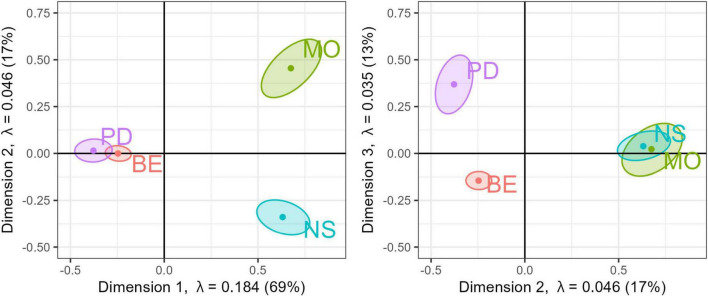 Figure 1
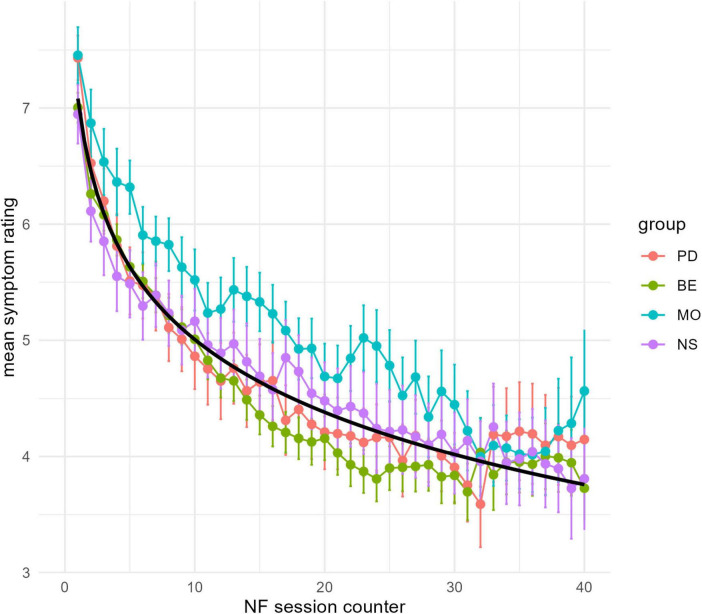 Figure 2
Peer Reviews
No public reviews on file for this paper yet. If you reviewed it on a platform where reviews are public (OpenReview, ICLR, NeurIPS, ICML), you can paste yours below so the community can read it here.
Videos
No videos yet. Explain this paper in a talk, walkthrough, or lecture? Add one.
Taxonomy
TopicsAttention Deficit Hyperactivity Disorder · Functional Brain Connectivity Studies · Anxiety, Depression, Psychometrics, Treatment, Cognitive Processes