The status of p53 affects the efficacy of PLK1 inhibitor BI6727 in prostate cancer cells
Wenjing Li, Ying Wang, Wenzheng Guo, Donghua Wen

TL;DR
This study shows that the p53 protein status determines how well prostate cancer cells respond to the drug BI6727, suggesting p53 is crucial for treatment effectiveness.
Contribution
The study reveals that p53 status modulates the efficacy of BI6727 in prostate cancer cells through Topors-mediated p53 stabilization.
Findings
PC3 cells became more sensitive to BI6727 when wild-type p53 was introduced.
Apoptosis from BI6727 was reduced in LNCaP cells after p53 knockdown.
Mutant p53 in DU145 cells reduced BI6727-induced apoptosis through a dominant negative effect.
Abstract
As there are no effective treatments for advanced prostate cancer, exploring new therapies is crucial. BI6727(Volasertib), a PLK1 inhibitor, shows great promise as an anti-cancer drug. However, despite advancing to phase II and III trials in other cancers, BI6727 has shown limited anti-tumor activity in prostate cancer, making it crucial to investigate the underlying reasons for this discrepancy. In this study, we found that the status of p53 affects the sensitivity of prostate cancer cells to BI6727. Prostate cancer cells PC3 (long-term loss of p53 expression), DU145 (expressing mutant-type p53) and LNCaP (expressing wild-type p53) were treated with BI6727, respectively. It was found that PC3 cells were more sensitive to BI6727 when wild-type p53 was introduced into these cancer cells; while apoptosis induced by BI6727 was reduced after knockdown of p53 in LNCaP cells. In additional,…
Genes, proteins, chemicals, diseases, species, mutations and cell lines named across the full text — each resolved to its canonical identifier and authoritative record.
Click any figure to enlarge with its caption.
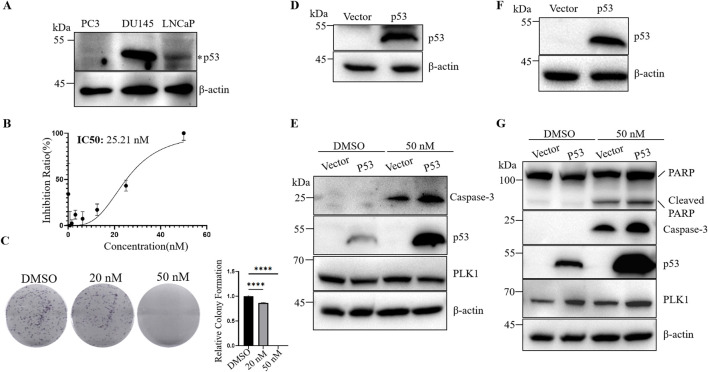 Figure 1
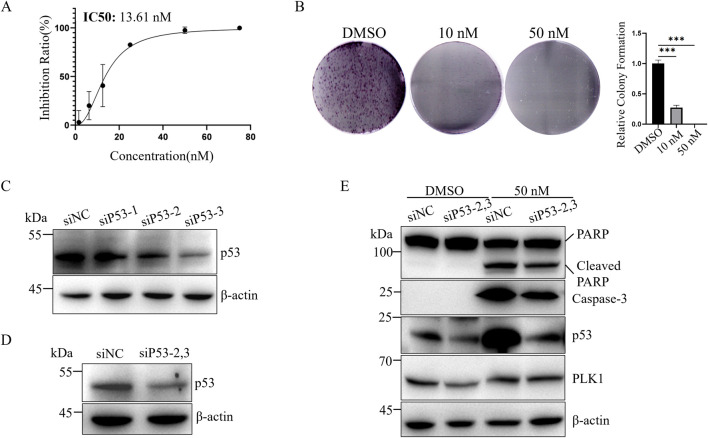 Figure 2
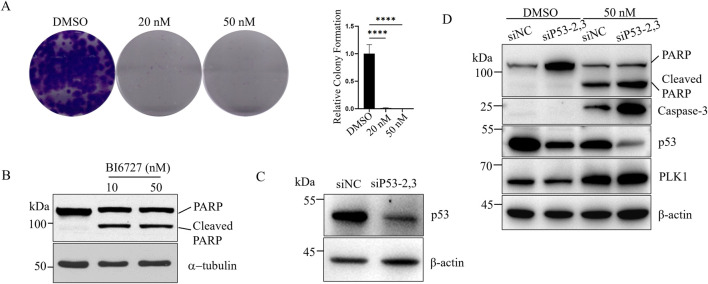 Figure 3
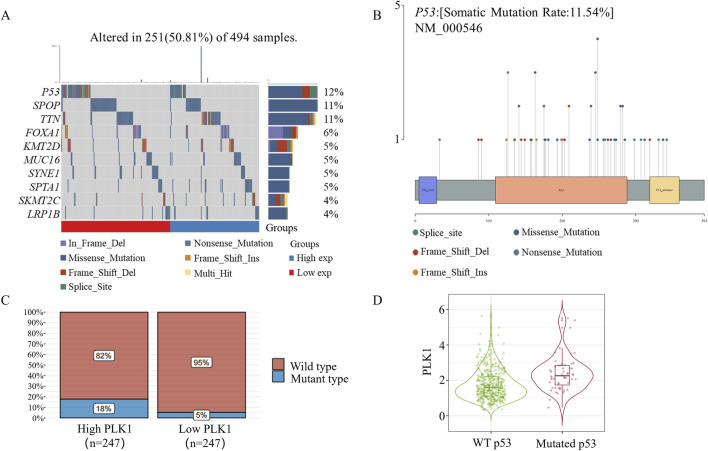 Figure 4
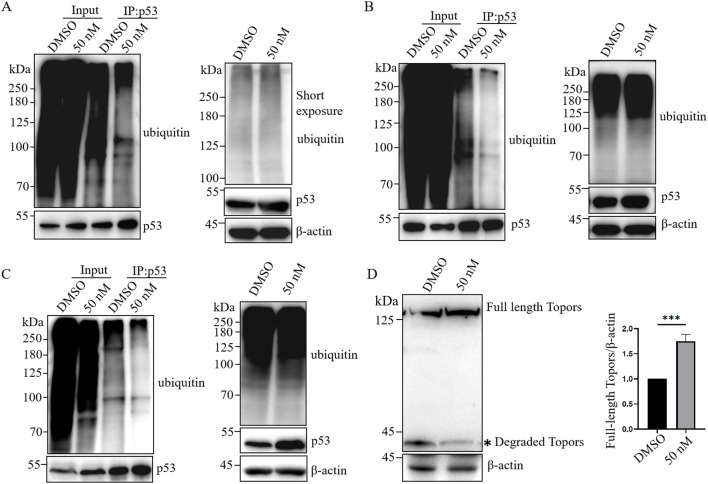 Figure 5
Peer Reviews
No public reviews on file for this paper yet. If you reviewed it on a platform where reviews are public (OpenReview, ICLR, NeurIPS, ICML), you can paste yours below so the community can read it here.
Videos
No videos yet. Explain this paper in a talk, walkthrough, or lecture? Add one.
Taxonomy
TopicsCancer-related Molecular Pathways · Cancer, Lipids, and Metabolism · Ubiquitin and proteasome pathways