Neural network models of autonomous adaptive intelligence and artificial general intelligence: how our brains learn large language models and their meanings
Stephen Grossberg

TL;DR
The paper introduces a neural network model called ChatSOME that explains how humans learn and understand large language models through brain-like processes.
Contribution
The novel contribution is the development of ChatSOME, a model that integrates brain-inspired learning mechanisms to explain human-like understanding of language and meaning.
Findings
ChatSOME uses adaptive resonance theory to enable self-stabilizing memory and learning of perceptual and emotional meanings.
The model explains how humans learn to recognize an unlimited number of visual scenes and associate them with language and emotions.
Unlike AI models like ChatGPT, ChatSOME incorporates joint attention, emotion, and reinforcement learning to simulate human-like cognition.
Abstract
This article describes a biological neural network model that explains how humans learn to understand large language models and their meanings. This kind of learning typically occurs when a student learns from a teacher about events that they experience together. Multiple types of self-organizing brain processes are involved, including content-addressable memory; conscious visual perception; joint attention; object learning, categorization, and cognition; conscious recognition; cognitive working memory; cognitive planning; neural-symbolic computing; emotion; cognitive-emotional interactions and reinforcement learning; volition; and goal-oriented actions. The article advances earlier results showing how small language models are learned that have perceptual and affective meanings. The current article explains how humans, and neural network models thereof, learn to consciously see and…
Genes, proteins, chemicals, diseases, species, mutations and cell lines named across the full text — each resolved to its canonical identifier and authoritative record.
Click any figure to enlarge with its caption.
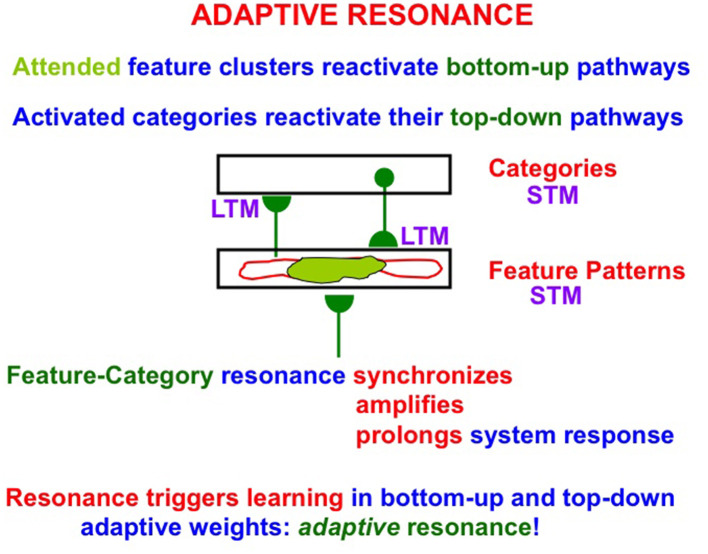 Figure 1
 Figure 2
 Figure 3
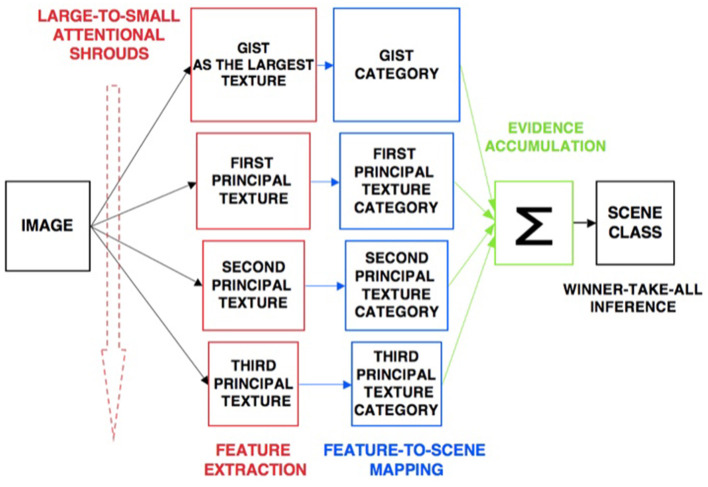 Figure 4
 Figure 5
 Figure 6
 Figure 7
 Figure 8
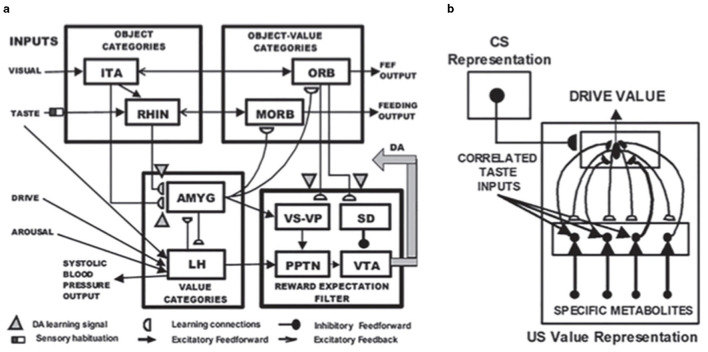 Figure 9
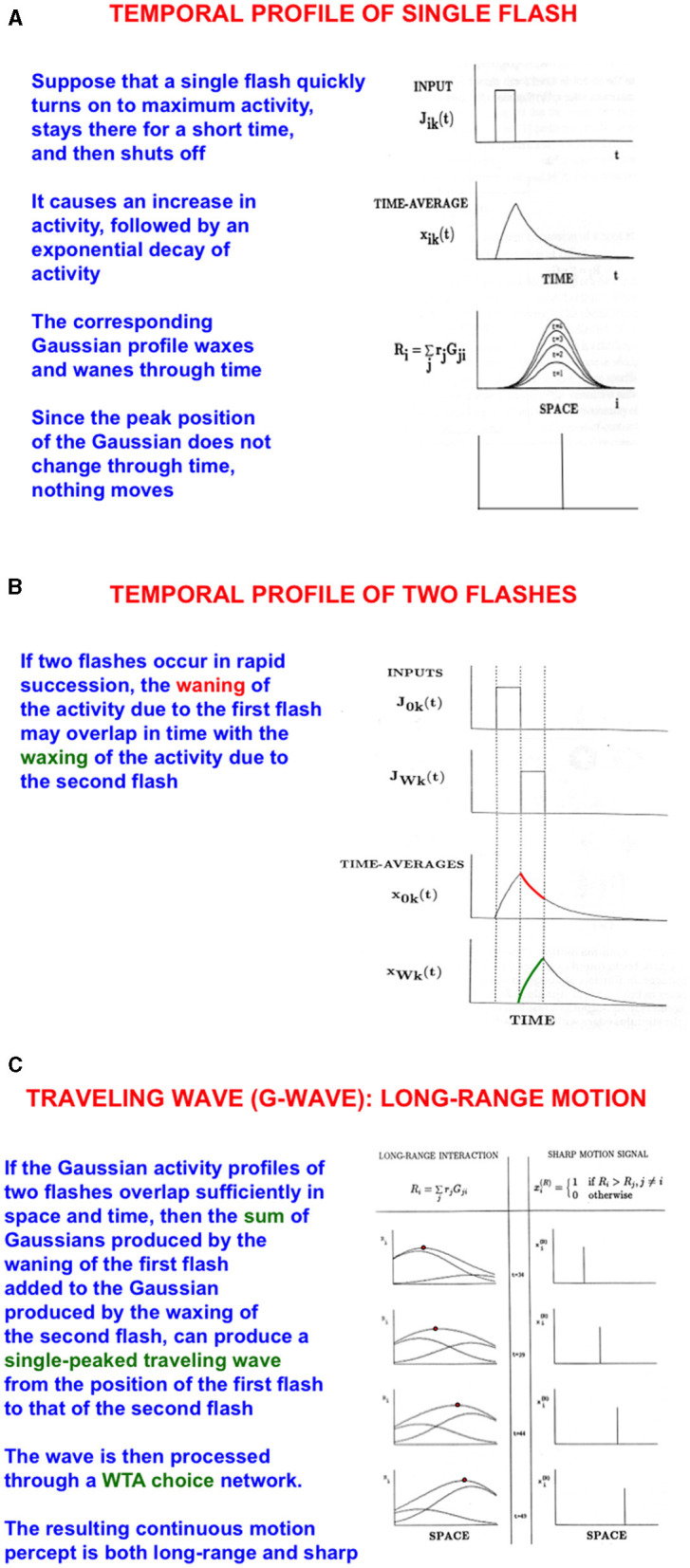 Figure 10
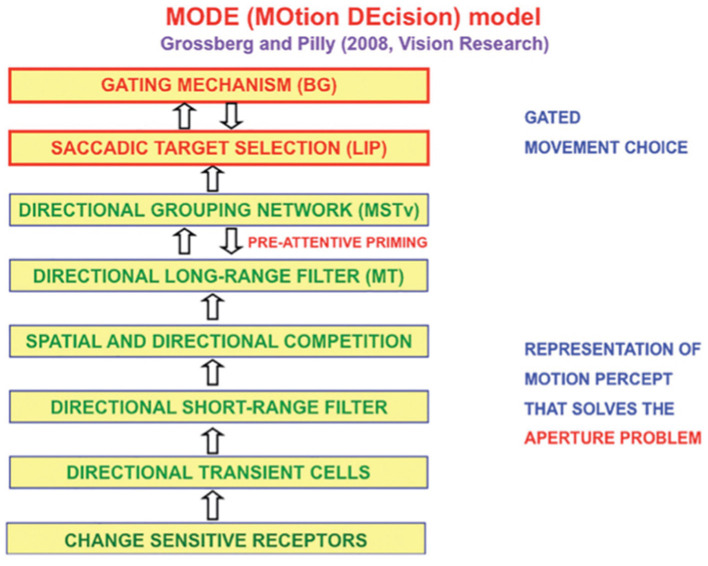 Figure 11
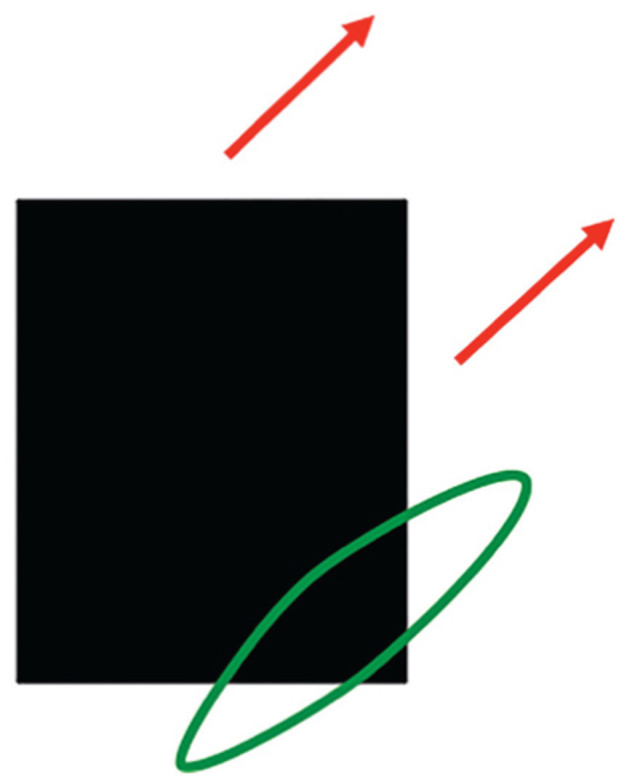 Figure 12
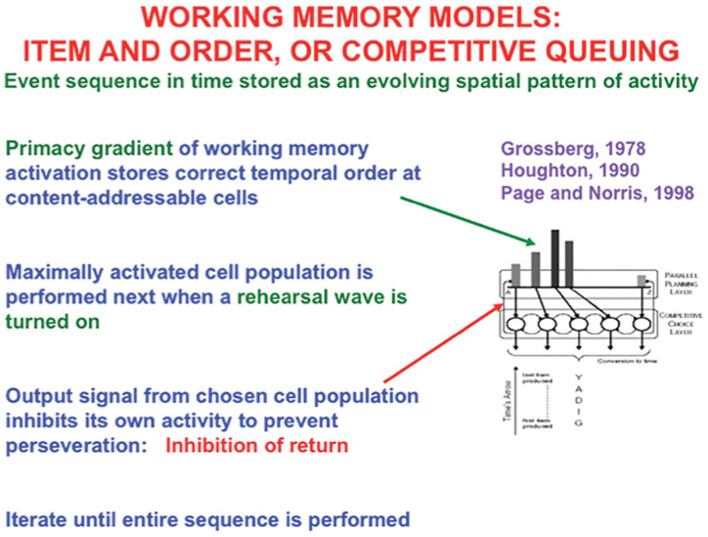 Figure 13
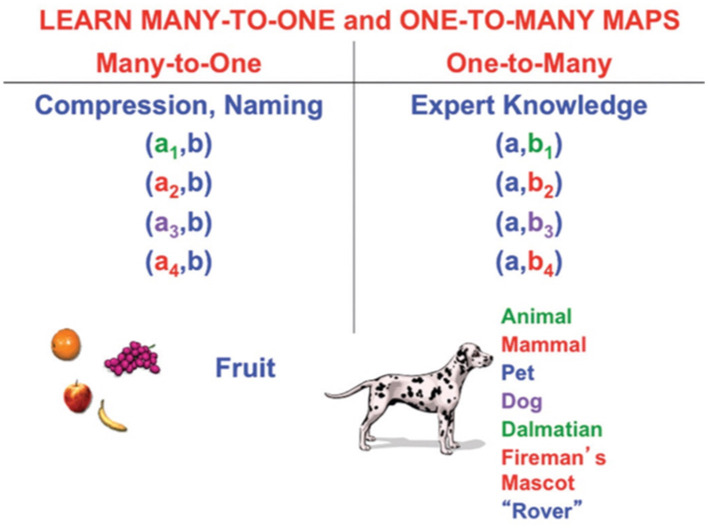 Figure 14
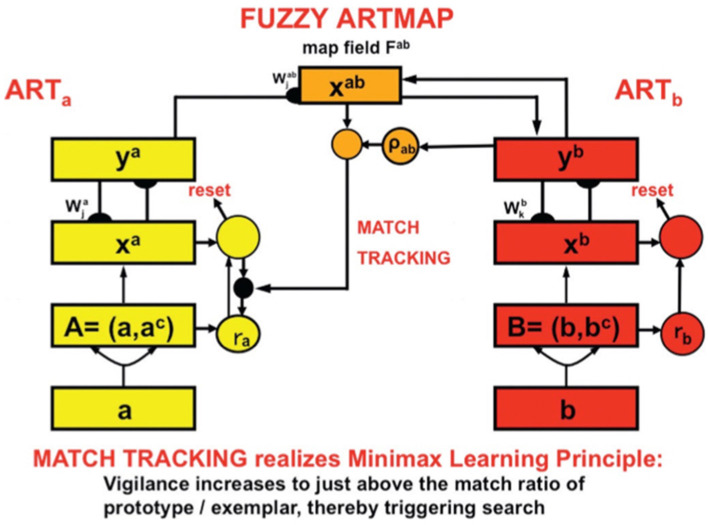 Figure 15
Peer Reviews
No public reviews on file for this paper yet. If you reviewed it on a platform where reviews are public (OpenReview, ICLR, NeurIPS, ICML), you can paste yours below so the community can read it here.
Videos
No videos yet. Explain this paper in a talk, walkthrough, or lecture? Add one.
Taxonomy
TopicsCognitive Science and Mapping · Cognitive Science and Education Research · Technology and Human Factors in Education and Health