A pan-genotypic indirect competitive ELISA for serological detection of pigeon circovirus antibodies
Weifan Wang, Sa Xiao, Man Zhang, Jinming Liu, Jianxia Tian, Chuanyu Chang, Yuzhen Li, Yajie Zhang, Fuliang Zhang, Guiming Li, Xiaoyuan Yuan, Wenbin Wang

TL;DR
This study developed a sensitive and specific test to detect antibodies against pigeon circovirus in pigeons, which can aid in controlling the spread of the virus.
Contribution
A pan-genotypic icELISA was developed using a monoclonal antibody targeting a conserved epitope of PiCV's Cap protein.
Findings
The icELISA showed no cross-reactivity with antibodies against other pigeon pathogens.
The icELISA detected PiCV antibodies with a 93.10% concordance rate compared to iELISA.
The icELISA is a robust tool for serological detection of PiCV, complementing PCR tests in field applications.
Abstract
Pigeon circovirus (PiCV) infection, which causes young pigeon disease syndrome (YPDS) and immunosuppression, significantly impacts both the meat and racing pigeon industries. Currently, no inactivated vaccine exists for PiCV prevention, primarily due to the challenges associated with isolating the PiCV virion, except for some gene subunit vaccines express the Cap protein of PiCV. The development of detection techniques is crucial for the diagnosis of PiCV. This study aimed to develop and validate a specific, sensitive indirect competitive enzyme-linked immunosorbent assay (icELISA) for detecting PiCV antibodies in pigeons. We identified the cap gene from a group C PiCV strain (PiCV/Shaanxi/China/10/2021, SX10) isolated from racing pigeons. The Cap of SX10, an immunogen, can self-assemble into virus-like particles (VLPs). A mouse monoclonal antibody (mAb) against Cap, 1G6-4C4, was…
Genes, proteins, chemicals, diseases, species, mutations and cell lines named across the full text — each resolved to its canonical identifier and authoritative record.
Click any figure to enlarge with its caption.
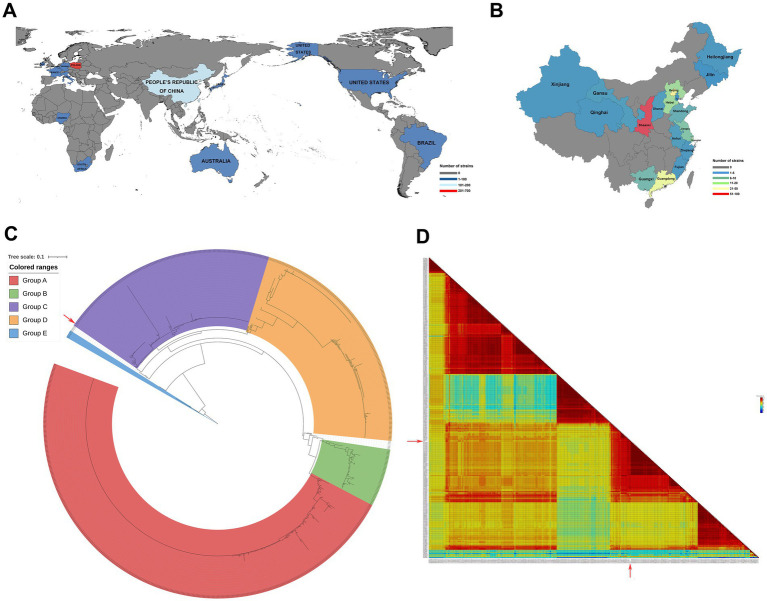 Figure 1
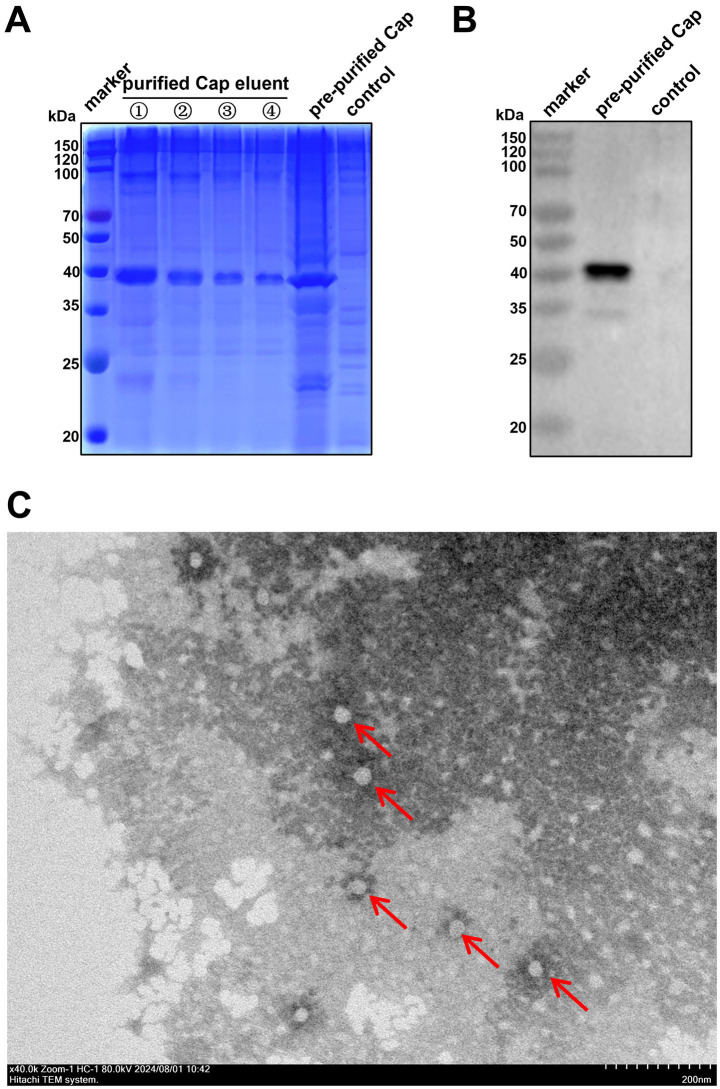 Figure 2
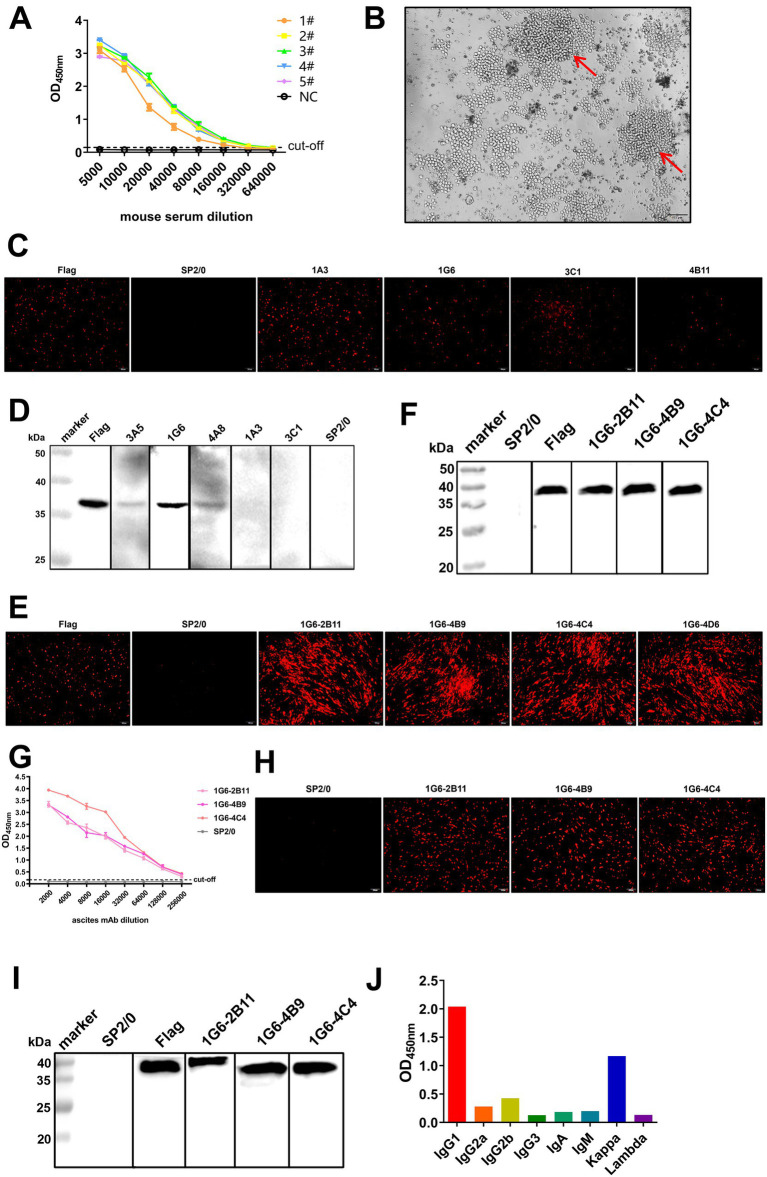 Figure 3
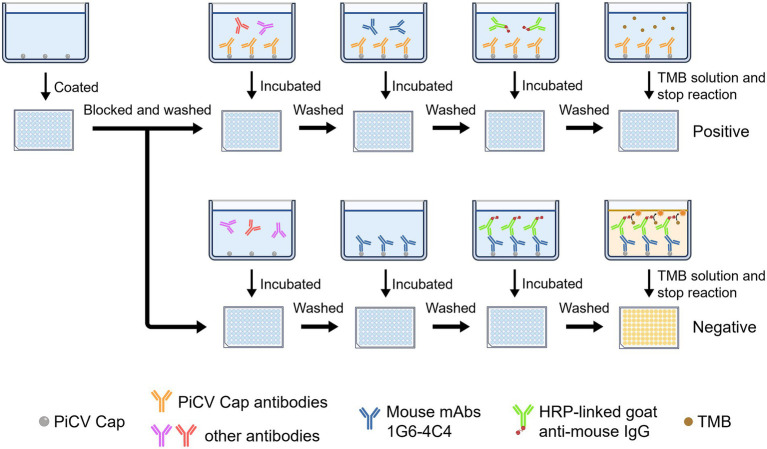 Figure 4
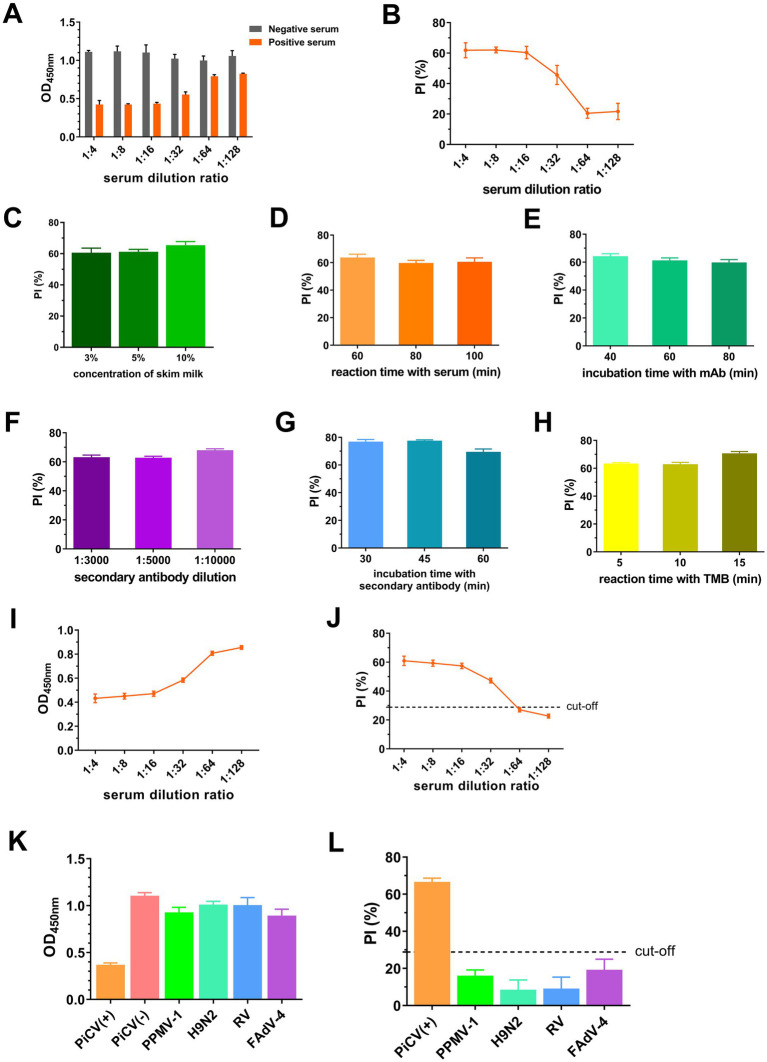 Figure 5
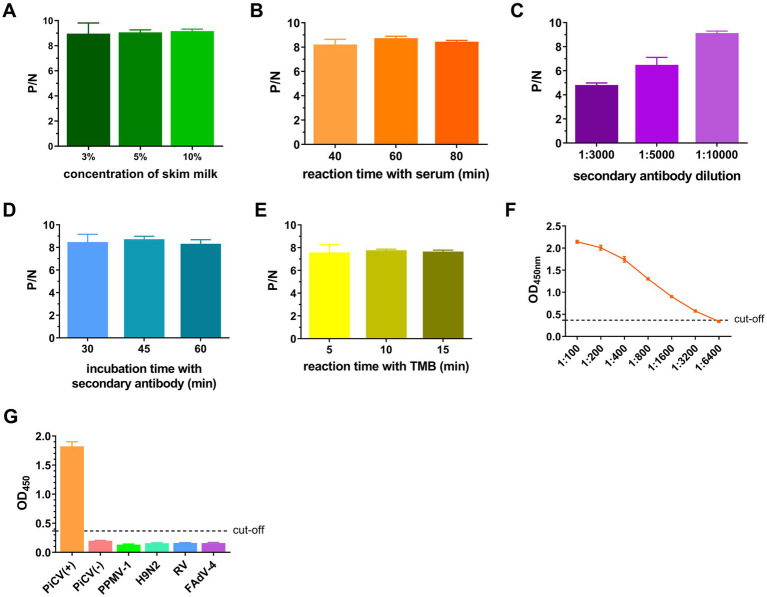 Figure 6
Peer Reviews
No public reviews on file for this paper yet. If you reviewed it on a platform where reviews are public (OpenReview, ICLR, NeurIPS, ICML), you can paste yours below so the community can read it here.
Videos
No videos yet. Explain this paper in a talk, walkthrough, or lecture? Add one.
Taxonomy
TopicsPlant Virus Research Studies · Animal Virus Infections Studies · Viral Infections and Immunology Research