Pericytes in mouse heart
Guiling Zhao, W. Jonathan Lederer

TL;DR
This paper introduces a new method to study pericytes in the mouse heart, revealing their abundance and unique anatomical connections.
Contribution
A novel perfused papillary muscle preparation (Z-Prep) enables real-time imaging of cardiac pericytes under physiological conditions.
Findings
Pericytes are highly abundant and extensively spread on capillaries in native heart tissue.
Pericyte extensions, termed 'bridging' pericytes, connect capillaries and myocytes, suggesting functional roles in signaling and communication.
Pericytes in the heart appear structurally durable despite the mechanical stress of heart contractions.
Abstract
Pericytes are cells associated primarily with capillaries and are thought to play an important role in the regulation of blood flow. They are often referred to as “mural” cells because they are so frequently found on the exterior walls of small vessels - particularly the capillaries. In heart, high-resolution real-time observations and measurements of pericyte function under physiological conditions are challenging to obtain because of vascular motion, tissue depth and vigorous functional movement. For these reasons, the heart may be one of the most difficult tissues in which to examine pericyte function. Recently, we introduced a perfused papillary muscle preparation (the Z-Prep) that allows us to observe coronary arteries, arterioles, venules, capillaries and myocytes in real time at physiological temperature and pressure while also imaging pericytes. Here we present an initial study…
Genes, proteins, chemicals, diseases, species, mutations and cell lines named across the full text — each resolved to its canonical identifier and authoritative record.
Click any figure to enlarge with its caption.
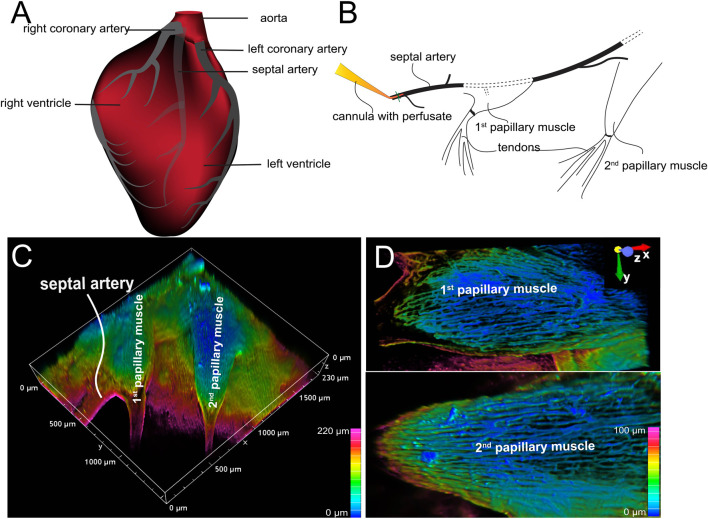 Figure 1
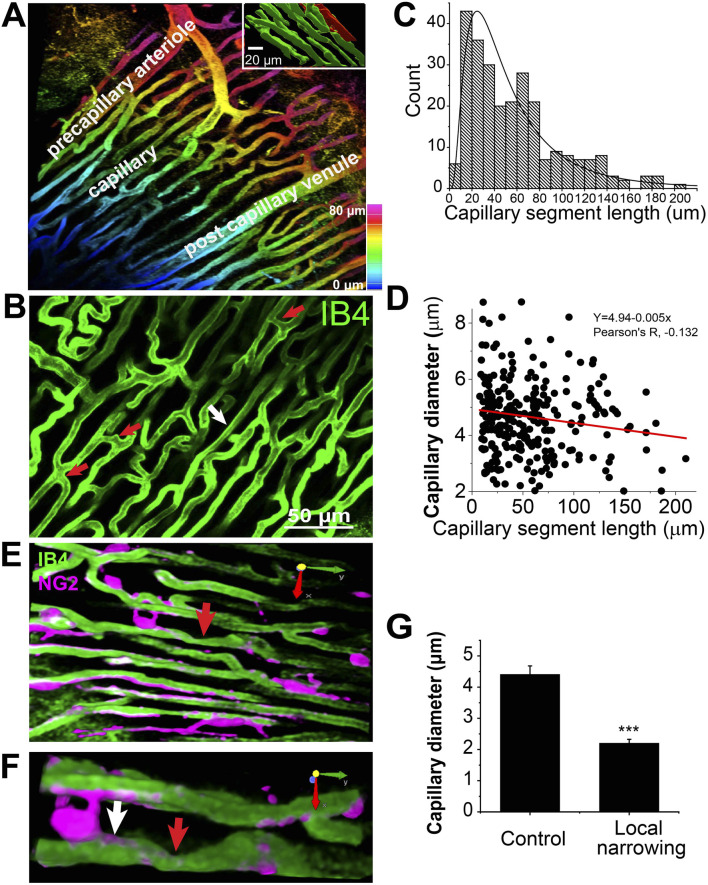 Figure 2
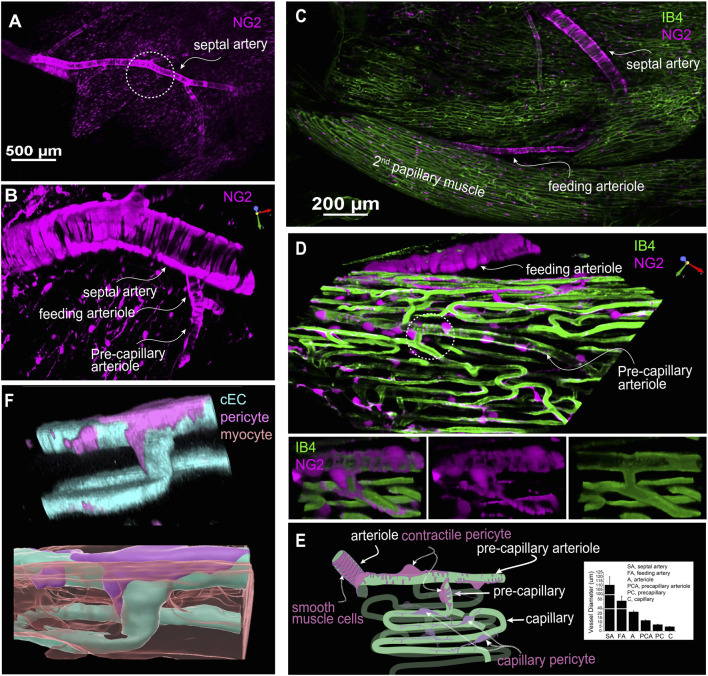 Figure 3
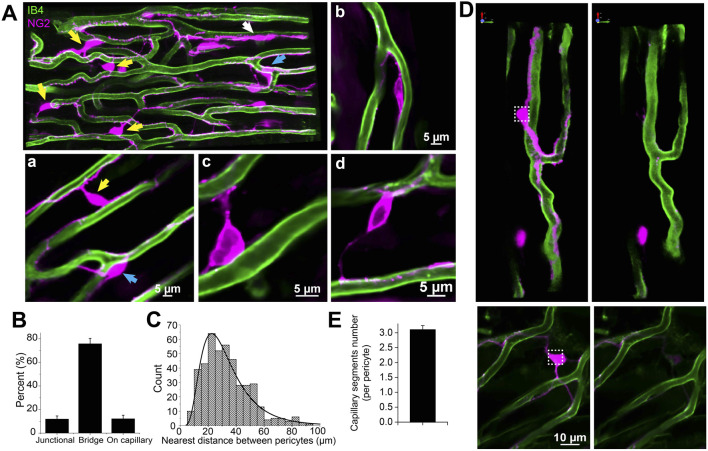 Figure 4
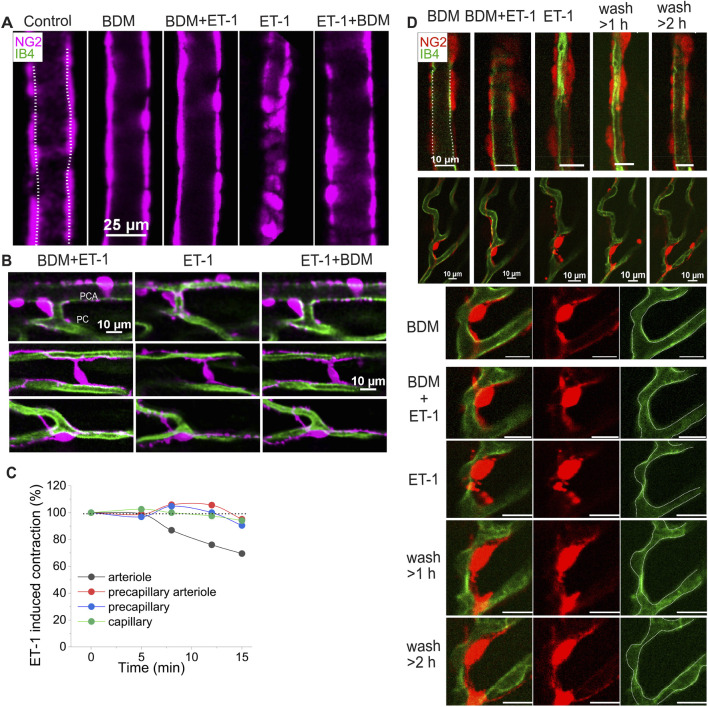 Figure 5
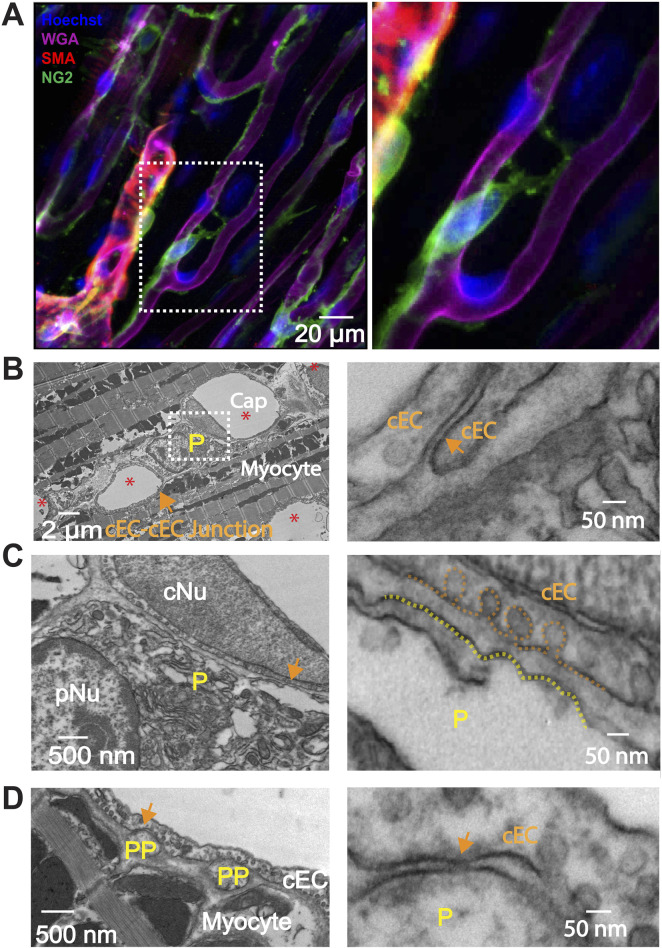 Figure 6
Peer Reviews
No public reviews on file for this paper yet. If you reviewed it on a platform where reviews are public (OpenReview, ICLR, NeurIPS, ICML), you can paste yours below so the community can read it here.
Videos
No videos yet. Explain this paper in a talk, walkthrough, or lecture? Add one.
Taxonomy
TopicsBarrier Structure and Function Studies · Hippo pathway signaling and YAP/TAZ · Cardiac electrophysiology and arrhythmias