Perceptions of large language models in medical education and clinical practice among pediatric emergency physicians in Saudi Arabia: a multiregional cross-sectional study
Yara AlGoraini, Mashhour Alsayyali, Ola Alotaibi, Ibtihal Almeshawi, Fahad Alaifan, Rawan Alrashed

TL;DR
This study explores how pediatric emergency physicians in Saudi Arabia view AI tools like ChatGPT for medical education and clinical use, finding strong interest but concerns about safety and accuracy.
Contribution
The study provides novel insights into AI perceptions among Saudi pediatric emergency physicians, highlighting both optimism and key concerns for clinical integration.
Findings
96% of participants believe AI tools will significantly impact the future of pediatric emergency medicine.
ChatGPT-generated clinical content was rated highly for validity and educational value in a croup scenario.
Major concerns included accuracy (83%), patient safety (56%), and lack of regulatory guidance (52%).
Abstract
Artificial intelligence (AI) is reshaping healthcare delivery and education, but little is known about its perceived value among pediatric emergency medicine (PEM) physicians in Saudi Arabia. This study aimed to assess the perceptions and experiences of PEM physicians in Saudi Arabia toward the use of AI, particularly ChatGPT, in clinical practice and medical education. A cross-sectional, web-based survey was conducted among 100 PEM physicians across various regions of Saudi Arabia. The questionnaire explored demographics, AI experience, perceived benefits and limitations, and the evaluation of ChatGPT-generated clinical and educational content. Most participants (96%) believed that AI tools, such as ChatGPT, would play a significant role in the future of PEM. A high agreement was observed regarding AI’s usefulness in medical education (91%) and clinical practice, particularly in…
Genes, proteins, chemicals, diseases, species, mutations and cell lines named across the full text — each resolved to its canonical identifier and authoritative record.
Click any figure to enlarge with its caption.
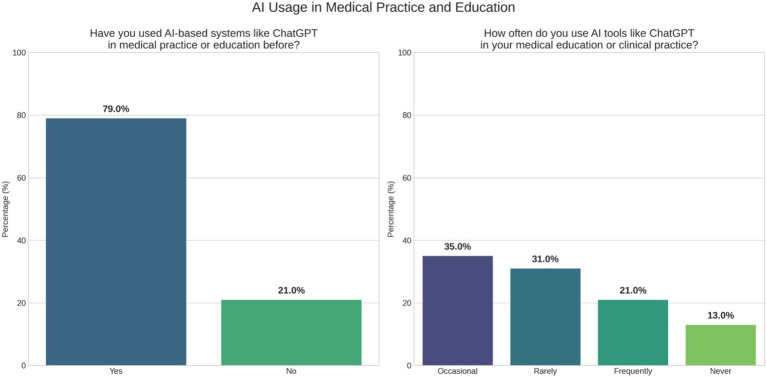 Figure 1
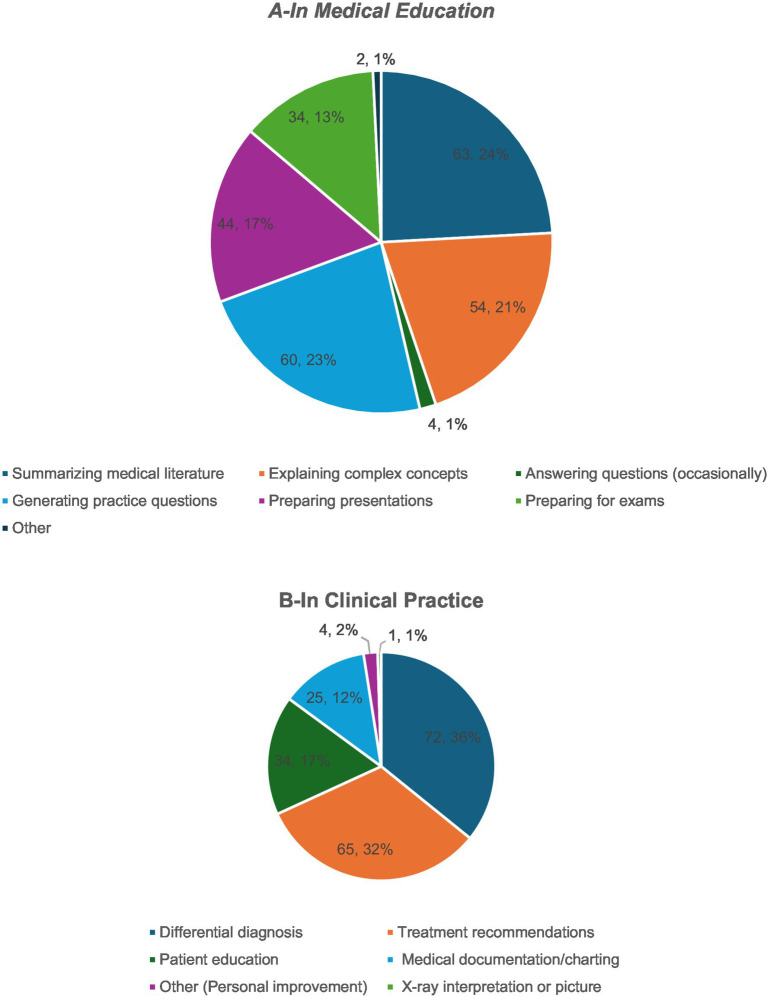 Figure 2
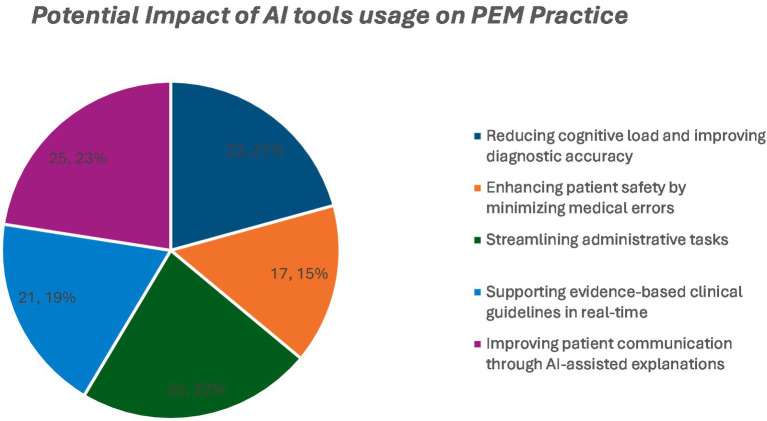 Figure 3
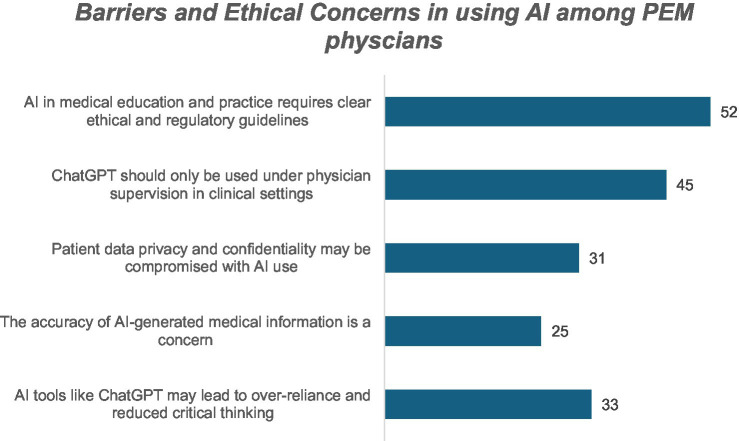 Figure 4
Peer Reviews
No public reviews on file for this paper yet. If you reviewed it on a platform where reviews are public (OpenReview, ICLR, NeurIPS, ICML), you can paste yours below so the community can read it here.
Videos
No videos yet. Explain this paper in a talk, walkthrough, or lecture? Add one.
Taxonomy
TopicsArtificial Intelligence in Healthcare and Education · Clinical Reasoning and Diagnostic Skills · COVID-19 diagnosis using AI